

Aluminum foil has long been a kitchen staple, but its environmental and health impacts call for reconsideration.
Here are 10 reasons to ditch aluminum foil and embrace eco-friendly alternatives that better serve both your culinary needs and our planet’s health.
1. Environmental Impact
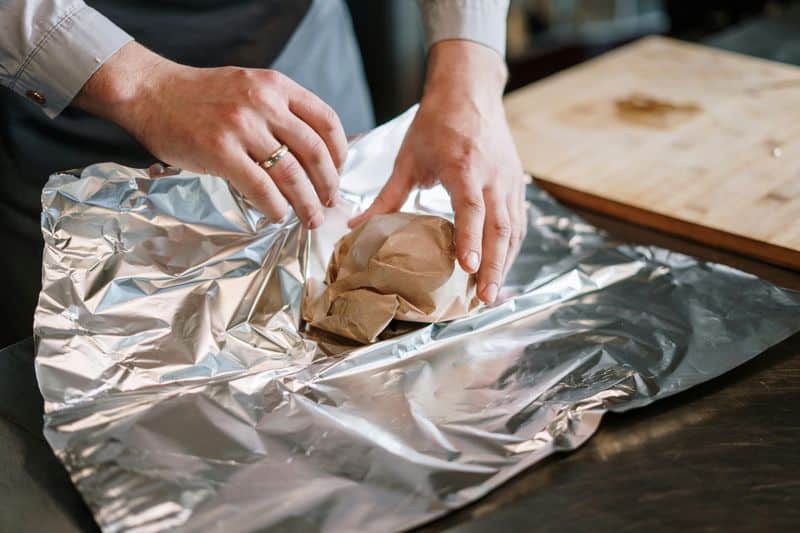
The process of producing aluminum is notoriously energy-consuming. It involves mining, refining, and smelting, which all significantly contribute to pollution.
Greenhouse gas emissions are a direct result, affecting climate change.
The energy used in this process comes largely from fossil fuels, making aluminum production a major environmental concern.
2. Non-Biodegradable Waste
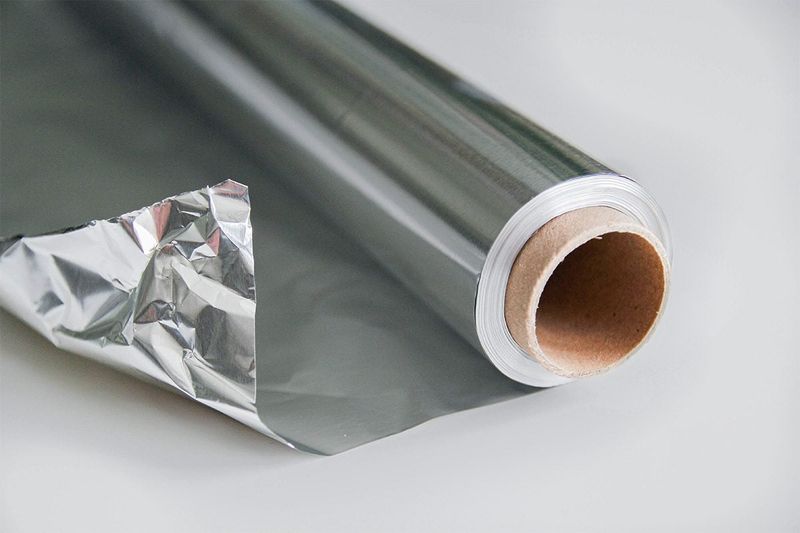
Aluminum foil isn’t biodegradable. Once discarded, it lingers in landfills, contributing to long-term environmental waste.
Over time, this waste accumulates, creating space and ecological issues.
Reducing aluminum foil use can help mitigate these problems and promote more sustainable waste management practices.
3. Health Concerns
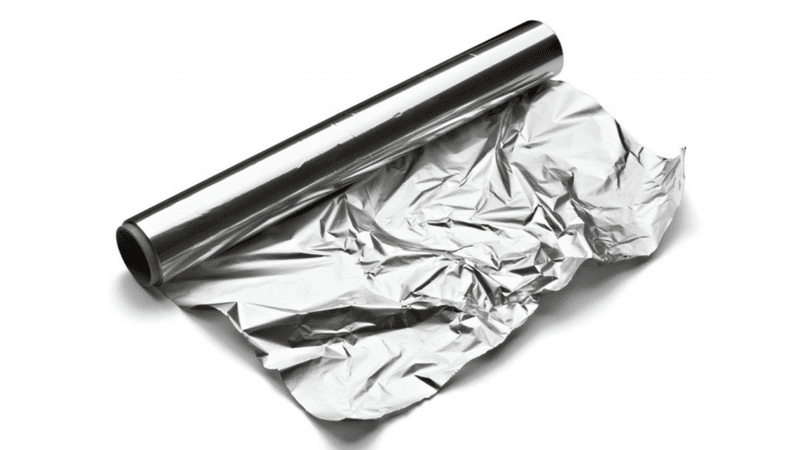
Worries about aluminum leaching into food, particularly when cooked with acidic ingredients, have emerged.
Studies indicate this can have potential health impacts. The risk is particularly high at elevated temperatures, prompting caution among health experts.
Choosing safer alternatives can alleviate these concerns.
4. Resource Intensive Production
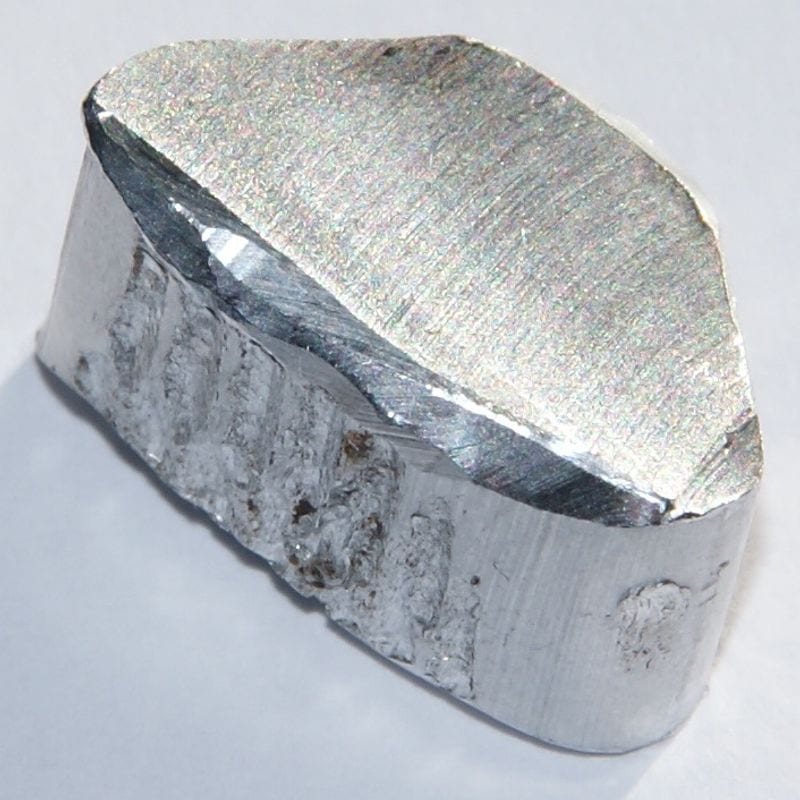
The extraction and processing of aluminum demand vast natural resources. Bauxite ore is the primary raw material, requiring extensive mining.
Water usage is also significant in this process, further straining natural resources.
Such intensive consumption highlights the need for more sustainable material choices.
5. Recycling Challenges
Contamination often plagues foil recycling efforts. Food residues can render aluminum foil non-recyclable.
This barrier hinders sustainable waste practices, leading to increased landfill contributions.
To overcome this recycling hurdle, individuals are encouraged to seek alternatives that support recycling efforts.
6. Excessive Waste Generation

Single-use aluminum foil products contribute significantly to waste. Whether wrapping food or lining trays, these disposables accumulate quickly.
Reducing reliance on such items helps decrease unnecessary waste generation, encouraging more sustainable kitchen practices.
7. Safer Material Alternatives
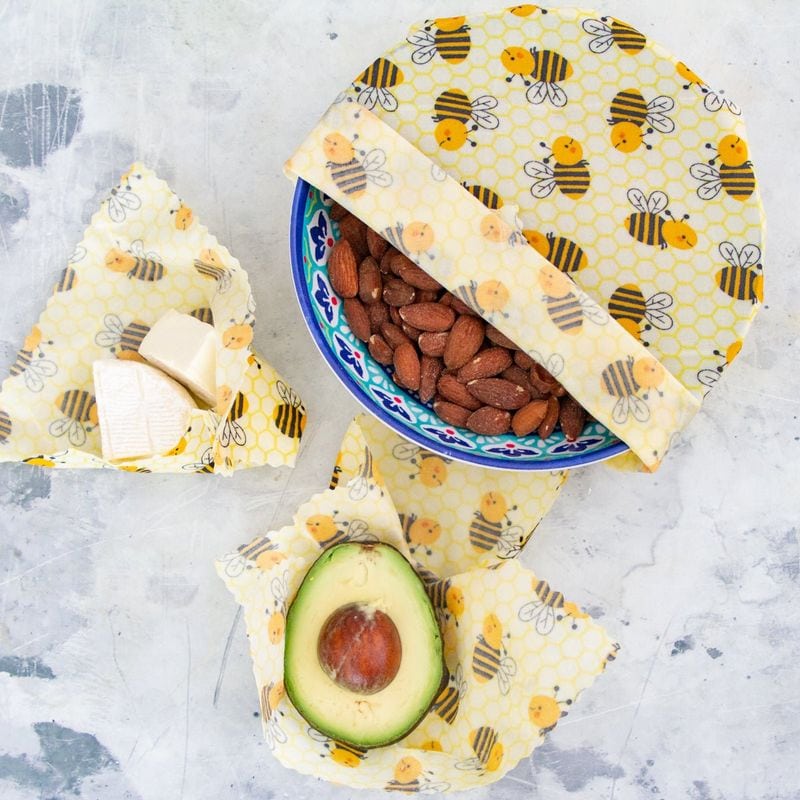
Healthier and environmentally friendly alternatives exist. Options like beeswax wraps and silicone baking mats offer safe substitutes for aluminum foil.
These materials don’t pose the health risks associated with foil, making them preferable choices for conscientious consumers.
8. Issues with Waste Management

Improper disposal of aluminum foil can harm wildlife. Animals may ingest or become entangled in discarded foil, leading to injury or death.
Responsible waste management is essential to prevent these ecological impacts, fostering a safer environment for all living creatures.
9. Promoting Sustainable Practices

Embracing sustainable practices, such as reducing aluminum foil use, supports eco-friendly lifestyles.
Small changes in daily habits can lead to significant environmental benefits.
Encouraging these practices fosters a culture of sustainability, benefiting future generations.
10. Economic Benefits of Reusables
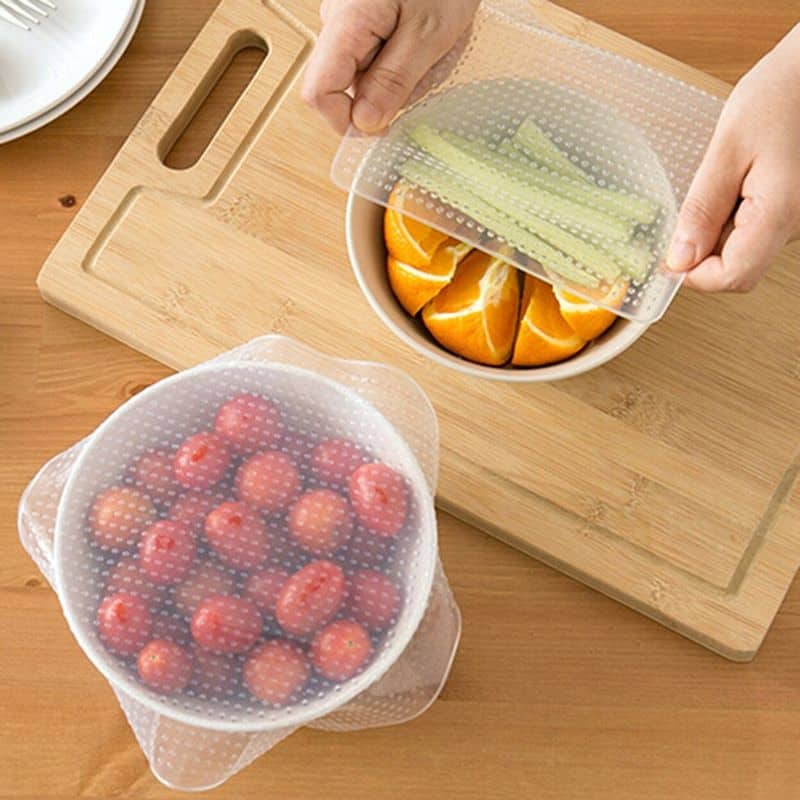
Switching to reusable alternatives offers economic advantages. Over time, the cost savings from not purchasing disposable foil add up.
Investing in durable, reusable kitchen items can be both economically and environmentally rewarding, making them a wise choice for consumers.