
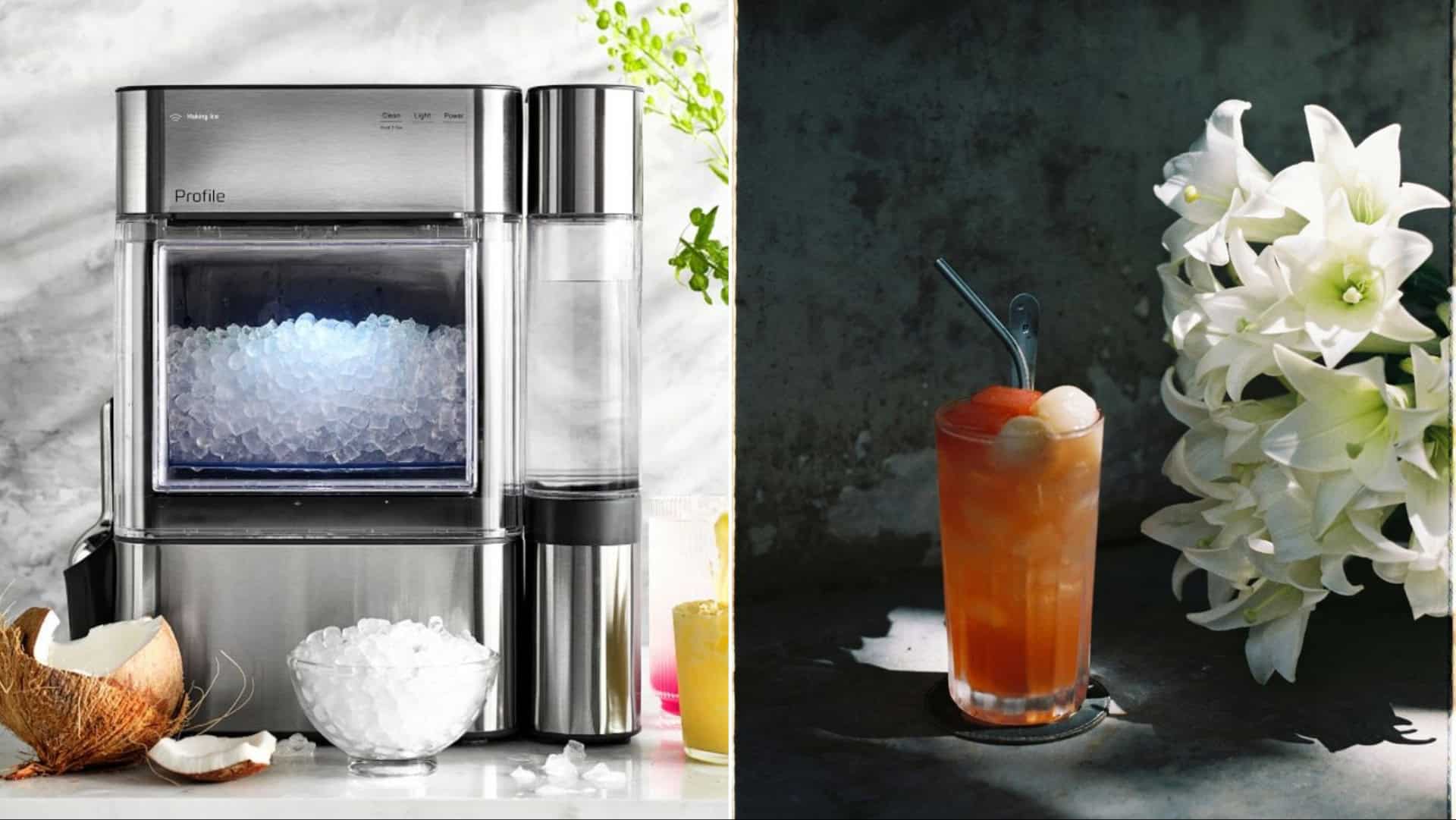
American tourists have been complaining about the lack of ice in drinks they were served across Europe.
This is one of many examples of cultural whiplash we tend to experience while traveling abroad.
Explore the intriguing reasons why ice makers aren’t as popular in Europe.
From cultural preferences to design constraints, uncover the diverse factors influencing this unique trend.
1. Cultural Drinking Preferences

In Europe, beverages are often enjoyed at moderate temperatures, aligning with cultural norms.
This preference shapes the limited need for ice. While Americans cherish ice-cold drinks, Europeans find warmth in their cups.
Cultural stories emphasize shared moments over chilled beverages, adding depth to the drink experience. Could this be why ice makers are overlooked?
2. Limited Market Demand
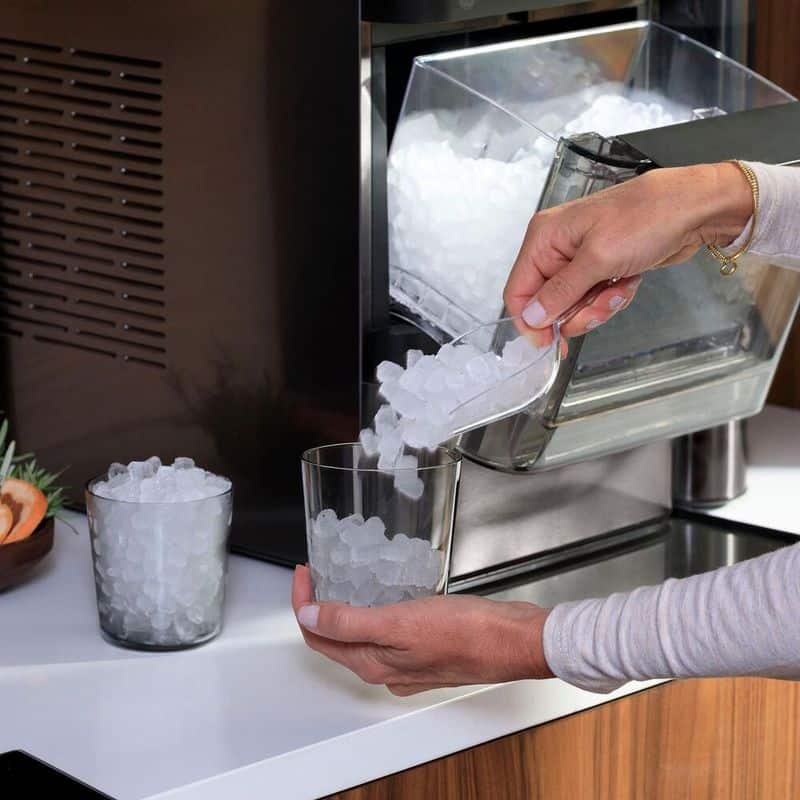
The ice maker market in Europe is constrained by low consumer demand. Manufacturers focus less on this niche, reinforcing limited availability.
In contrast, the American market embraces diverse options. This cyclical pattern influences consumer choices.
Could shifting trends in consumer behavior lead to a resurgence in European interest for ice makers?
3. Compact Household Freezers
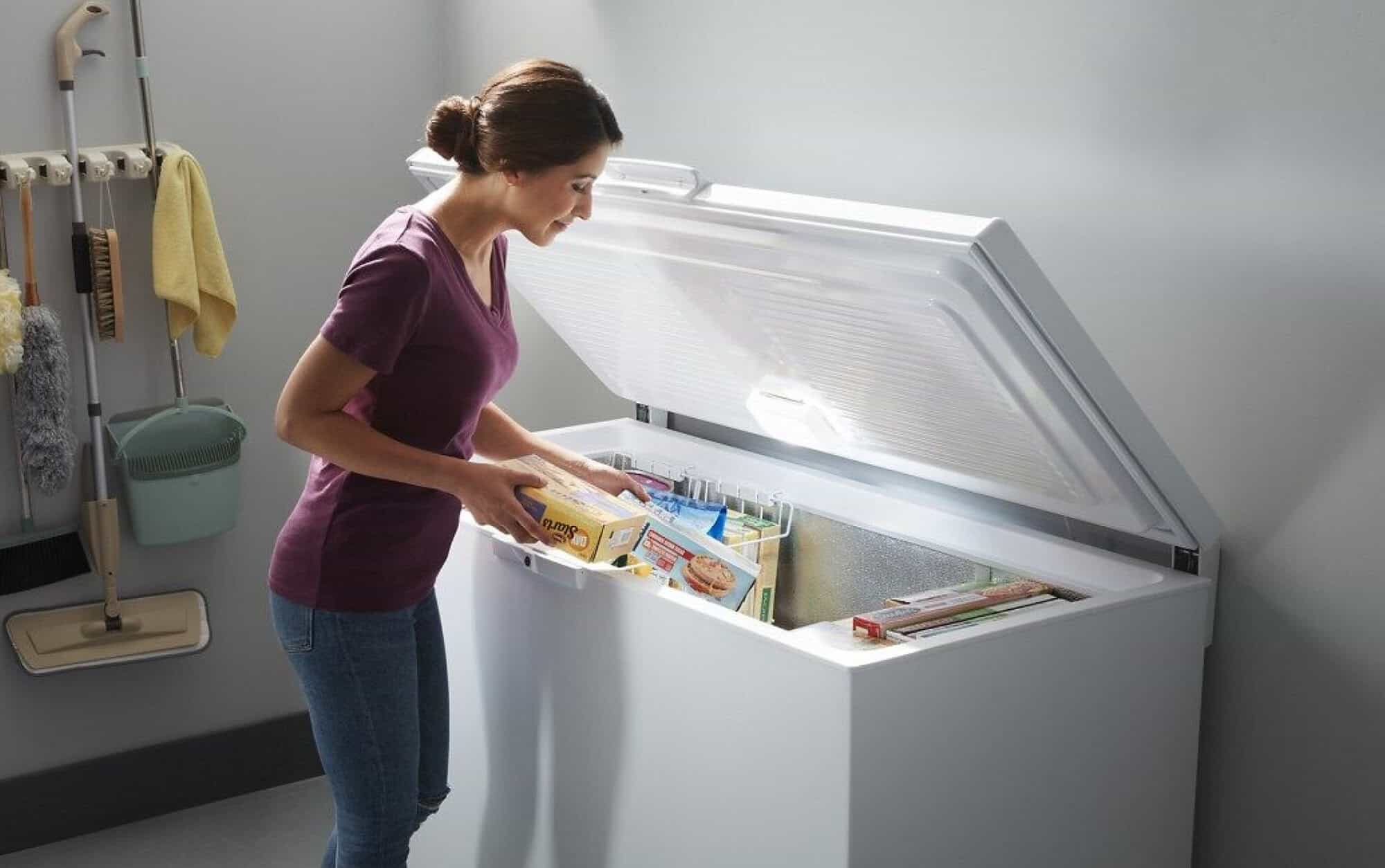
Smaller European freezers dictate appliance choices, making ice makers less feasible.
Homes prioritize space efficiency, often lacking the room for dedicated ice machinery. In contrast, American kitchens accommodate larger appliances with ease.
This spatial limitation impacts the perception and practicality of ice makers. Will this trend evolve as kitchen designs change?
4. Efficient Kitchen Designs
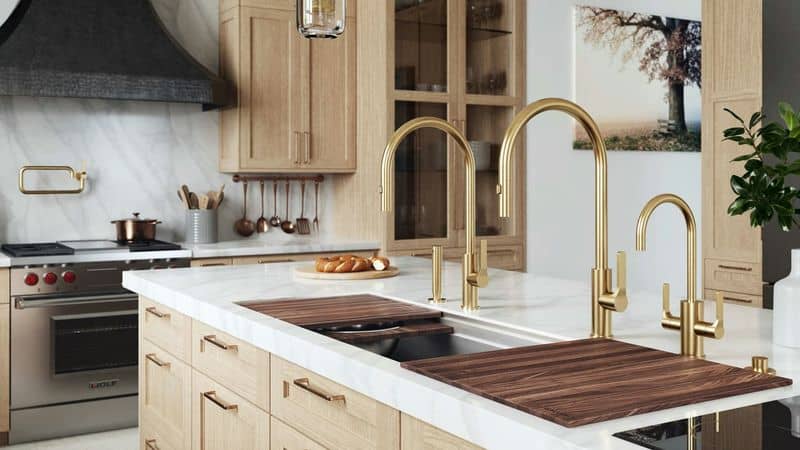
European kitchens are crafted for maximum efficiency, often foregoing bulky appliances like ice makers.
The design ethos revolves around functionality, making the need for standalone ice machines obsolete. In America, kitchens embrace larger, built-in options.
This design dichotomy reflects varying lifestyle priorities. Might future trends see a shift towards more integrated designs?
5. Energy and Cost Concerns

With energy efficiency at the forefront, Europeans scrutinize appliance utility. Ice makers, seen as energy-draining, face skepticism.
Cost-conscious consumers weigh necessity against expense. In contrast, Americans may prioritize convenience over cost.
The frugal mindset in Europe challenges the appeal of ice makers. Could advancements in eco-friendly ice technology change perceptions?
6. Plentiful Ice Availability
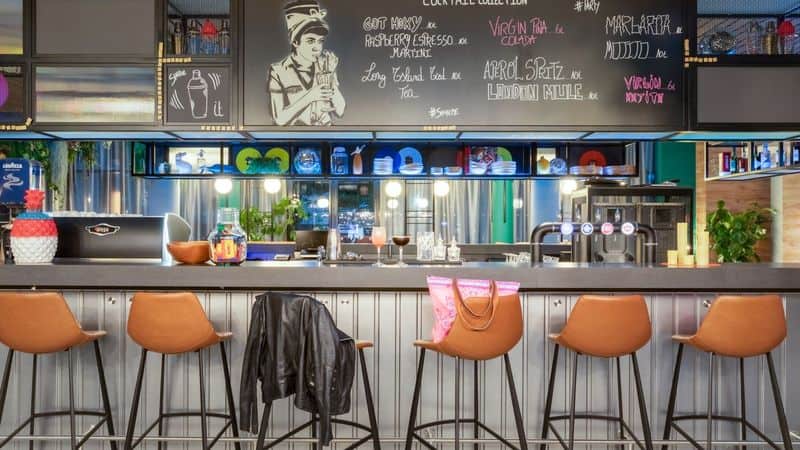
In Europe, cafes and bars readily supply ice, diminishing the home-based demand.
This accessible abundance shapes consumer habits, making personal ice makers less appealing.
European lifestyles embrace social dining, often relying on public venues for chilled drinks. Could this reliance on external sources explain the domestic ice maker scarcity?
7. Climate Variability

Europe’s varied climate reduces the year-round necessity for ice in beverages. Unlike some US regions with perpetual heat, Europe experiences cooler temperatures.
This climatic diversity influences the desire for ice.
Many Europeans enjoy naturally chilled drinks. Is it climate that renders ice makers less relevant, or a deeper cultural trend?
8. Beverage Serving Traditions

European beverage traditions celebrate specific serving temperatures, often excluding ice. Wine, beer, and spirits are savored at optimal coolness.
This cultural distinction contrasts with American ice-laden drinks. The nuanced appreciation of flavor influences ice maker popularity.
Are these traditions a barrier to the ice maker market, or a testament to enduring customs?
9. Cost and Maintenance Concerns

For many Europeans, the cost and upkeep of ice makers are deemed extravagant. Practicality outweighs indulgence when evaluating kitchen additions.
Americans might prioritize convenience, but Europeans value cost-effectiveness.
This pragmatic approach influences appliance popularity. Will changing lifestyles and innovations make ice makers more appealing, or uphold traditional values?
10. Historical Ice Infrastructure
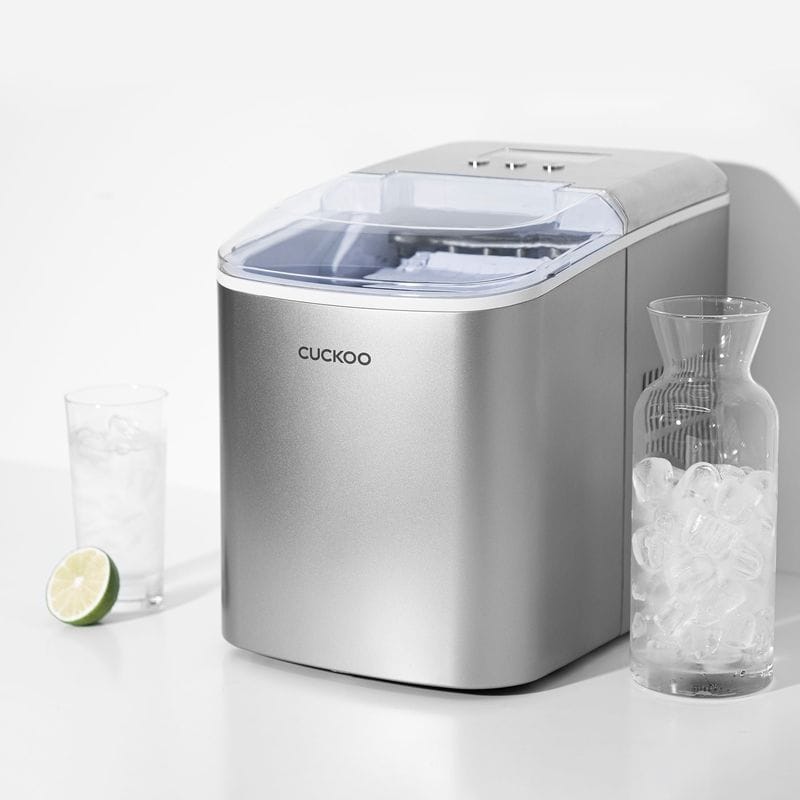
The absence of a robust ice infrastructure in Europe harks back to historical trends.
Unlike the US, Europe did not cultivate large-scale ice harvesting traditions. This historical backdrop influences contemporary habits.
People adapted to natural cooling alternatives, such as cellars. Could this historical absence be the reason ice makers seem foreign in Europe?