
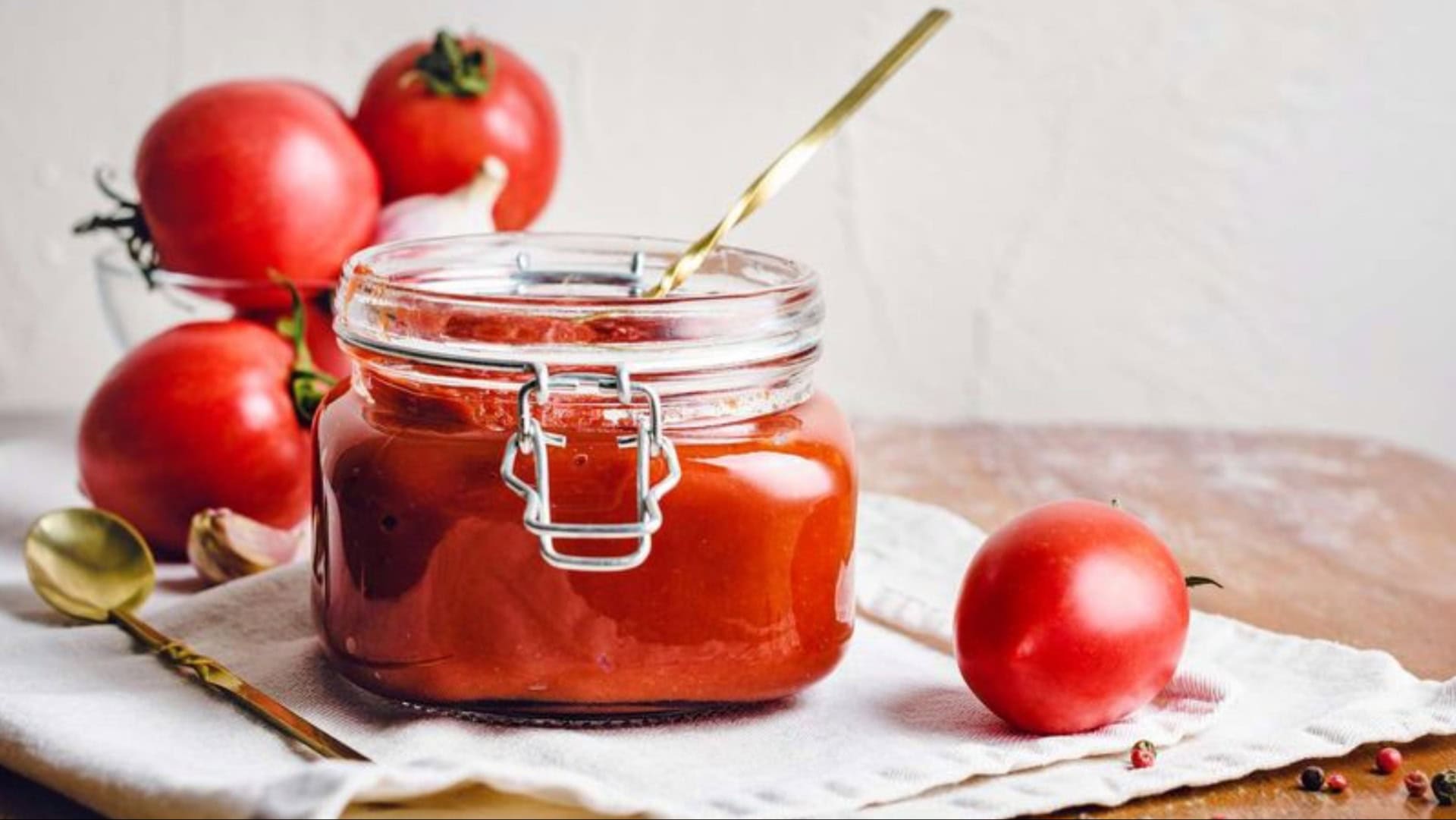
Ensuring your sauces stay fresh and flavorful requires some clever storage strategies.
Whether you’re dealing with a homemade marinade or a store-bought dressing, these 10 tips will guide you in preserving the taste and quality of your sauces.
From choosing the right containers to understanding specific storage needs, here’s how you can keep your sauces in top condition.
1. Use Clean, Airtight Containers
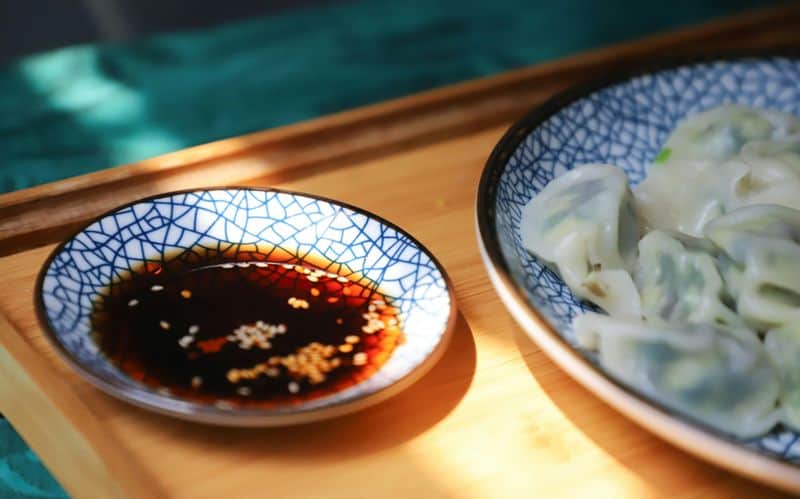
Choosing the right container can make all the difference. Opt for clean, airtight containers to lock in flavors and prevent unwanted exposure to air.
This simple practice helps maintain freshness. When sauces are protected from air, they resist spoilage and contamination longer.
Keeping them sealed ensures your sauce’s flavors remain true and vibrant.
2. Keep Refrigerated
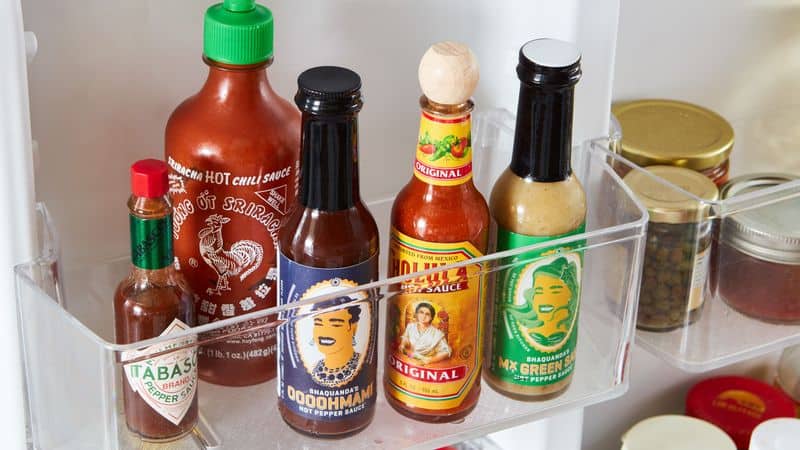
Refrigeration is key for many sauces, especially those with dairy or eggs. By chilling them promptly, you curb bacterial growth and extend shelf life.
Cold temperatures slow down spoilage. Always store sauces in the fridge immediately after use.
This approach ensures they stay safe and flavorful, ready to enhance your next culinary creation.
3. Label with Date
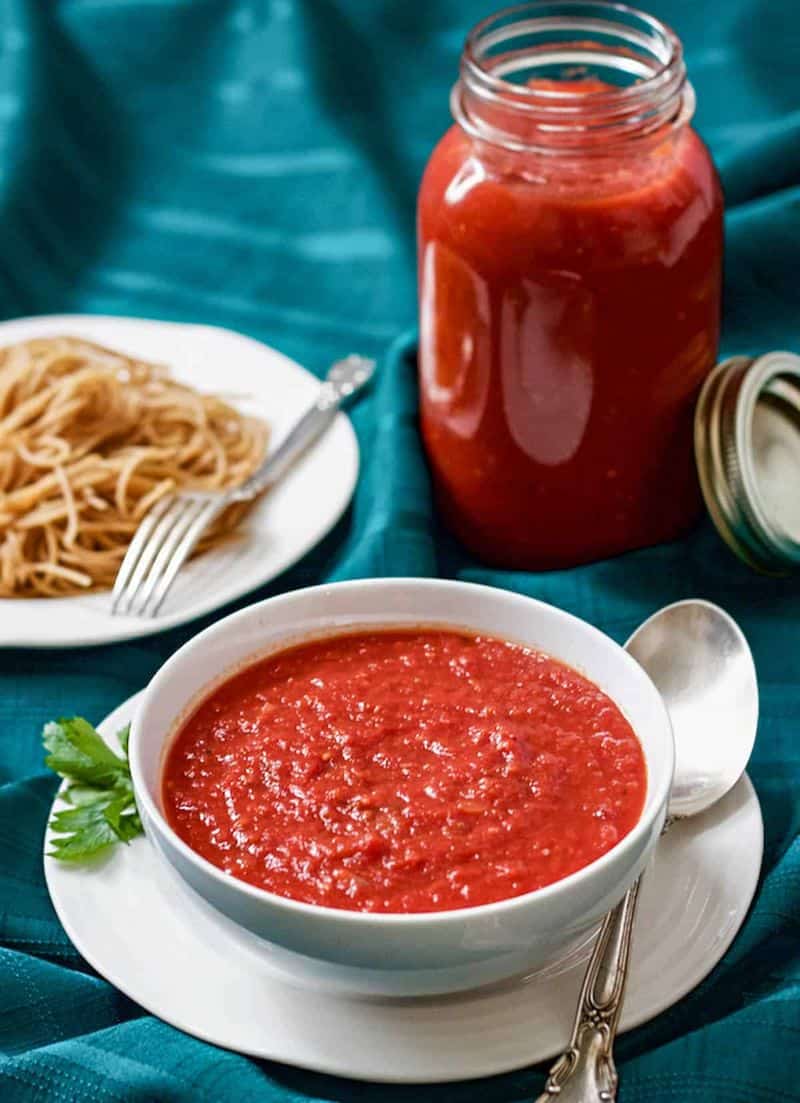
Knowing when a sauce was opened or made helps manage freshness. Adhere a date label on each container to keep track.
This practice ensures timely consumption and minimizes waste. By dating your sauces, you gain control over their lifespan.
Enjoy your sauces at their peak by tracking their freshness with a simple date label.
4. Store in Small Portions
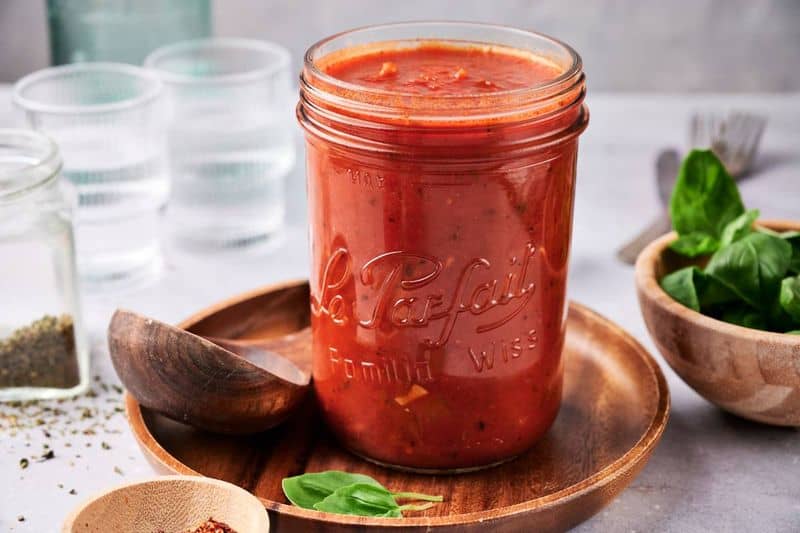
Dividing sauces into smaller portions minimizes air exposure. Portioning them reduces the risk of spoilage and maintains quality.
By using smaller containers, you limit repeated air contact. This method is particularly useful for larger quantities.
Smaller portions also offer convenience, making it easy to retrieve the perfect amount without compromising the rest.
5. Avoid Cross-Contamination

Cross-contamination can degrade the quality of sauces. Always use clean utensils when handling. This prevents bacteria from entering.
Maintaining hygiene ensures that each scoop remains pure. Consider dedicating specific tools for sauces to further reduce risks.
These actions contribute to preserving the sauce’s intended flavor, making every dish delightful and safe.
6. Use Proper Storage Materials
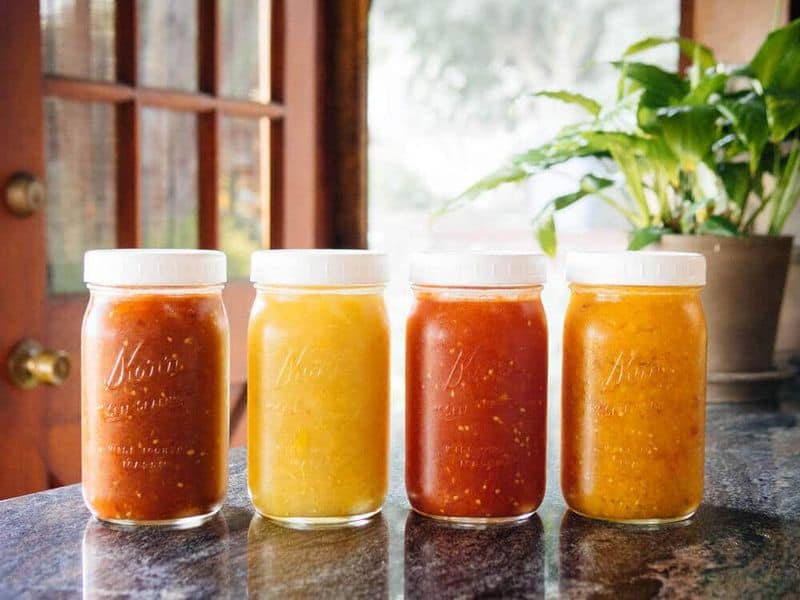
Selecting the right materials is crucial. Opt for glass or high-quality plastic. Avoid reactive metals that can alter taste.
Glass is non-reactive, preserving integrity. High-quality plastics provide durability. Both options help maintain the sauce’s intended flavor profile.
Employing proper materials ensures the sauce remains fresh, delicious, and true to its original taste.
7. Keep Away from Light and Heat
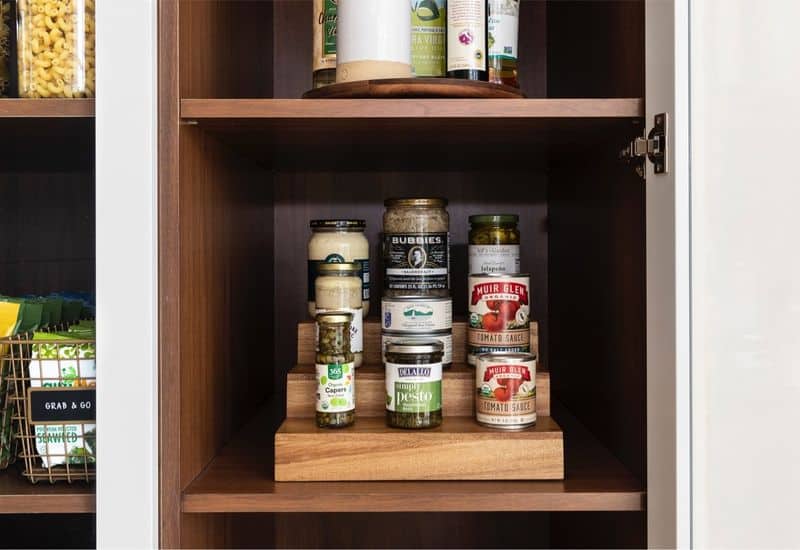
Light and heat can quickly spoil sauces. Store them in cool, dark places, or the fridge. This practice protects flavor and quality.
Exposure to sunlight or heat accelerates spoilage. By keeping sauces away from these elements, you preserve their essence.
Choose storage locations wisely to extend the life and taste of your sauces.
8. Check for Spoilage Regularly
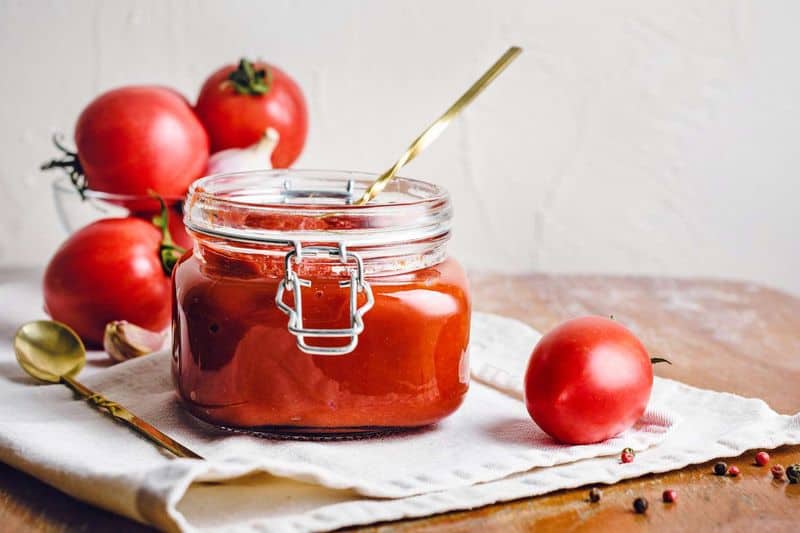
Inspect sauces for spoilage signs before use. Mold, off-smells, or appearance changes indicate issues. Regularly checking prevents unpleasant surprises.
Discard when any spoilage signs are present.
This habit ensures only fresh, safe sauces are used. Being vigilant about quality control keeps your meals enjoyable and food waste to a minimum.
9. Freeze for Long-Term Storage

Freezing extends sauce shelf life. Choose freezer-safe containers and label them. This method preserves flavor and quality over time.
Ensure containers are sealed tightly to prevent freezer burn. Frozen sauces remain ready for future use, retaining their original tastes.
Proper freezing practices make sauces accessible and enjoyable, long after initial preparation.
10. Follow Specific Storage Instructions
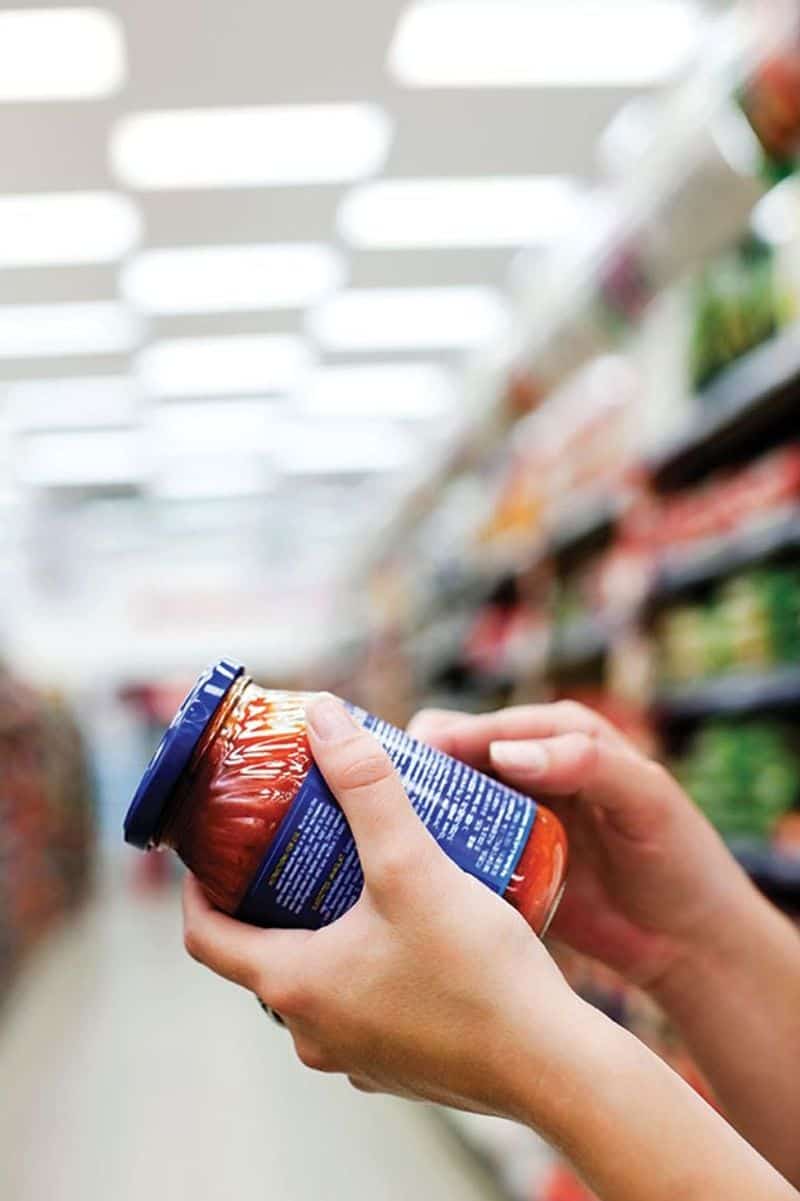
Different sauces require unique storage. Follow instructions on labels or recipes. Tailoring storage to specific needs maintains quality.
Some sauces need room temperature, others refrigeration. Adhering to guidelines ensures optimal freshness.
This practice respects the sauce’s unique characteristics, prolonging its life. By honoring these nuances, your sauces serve their best flavor longer.