

In an era where convenience often trumps craftsmanship, it’s easy to forget the rich tapestry of crafts that were once integral to daily life.
These arts, woven into the fabric of history, have all but faded, making way for modern alternatives.
Join us on a nostalgic journey to rediscover the heart and soul of these timeless skills.
1. Loom Weaving
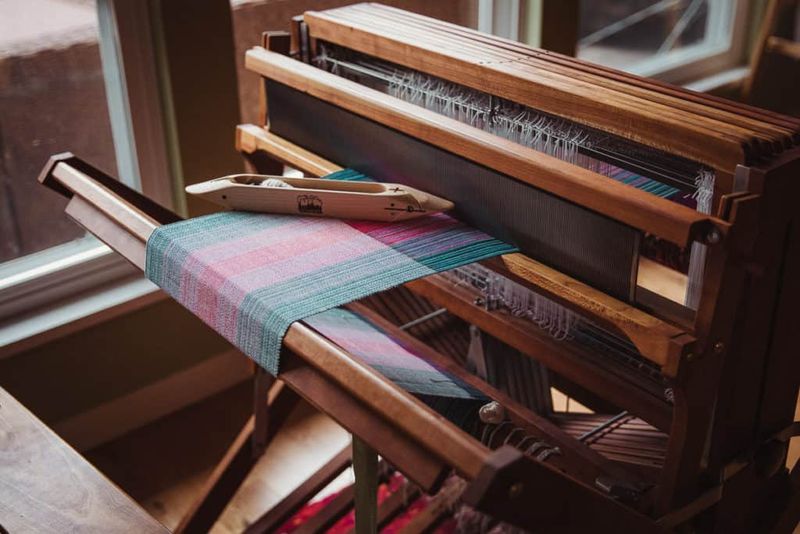
In the quiet corners of yesteryear, loom weaving was a symphony of threads.
With each rhythmic beat of the shuttle, artisans crafted intricate patterns, breathing life into fabric.
Looms, once the heart of many homes, now find themselves replaced. The homespun charm of woven cloth tells stories that modern textiles can’t match.
2. Soap Making

Soap making was a blend of science and art. Families crafted bars infused with scents from gardens and spice racks.
The bubbling cauldrons of soap were a staple in homes, evoking memories of cleanliness and care.
Today, the art lingers on the periphery, replaced by mass-produced alternatives, yet its essence remains cherished.
3. Canning Food

Canning captured the essence of seasons. Kitchens transformed into preservation sanctuaries where fruits and vegetables stood timeless.
Each jar, a testament to culinary wisdom, ensured flavors thrived through harsh winters.
Though convenience has shifted, the nostalgia of canning jars, brimming with love and sustenance, remains a cherished memory.
4. Tin Smithing
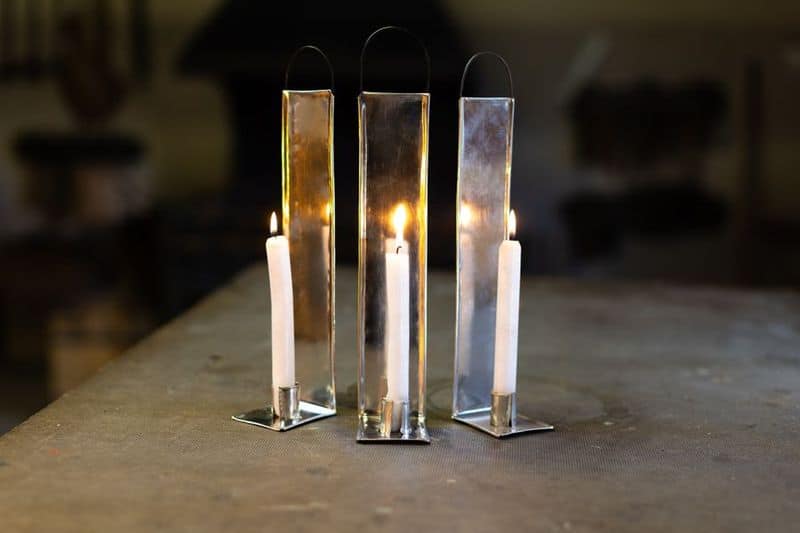
Tin smithing was a dance between metal and fire. Craftsmen shaped tin into objects of utility and beauty.
Their hands transformed cold sheets into warm household treasures.
Though mechanization has largely silenced their hammers, the legacy of tin creations echoes through the annals of time, preserving a unique artisan spirit.
5. Leatherworking

Leatherworking was rugged artistry. With each cut and stitch, artisans crafted stories into leather. From belts to saddles, they imbued personality into every piece.
The scent of tanned leather, a hallmark of tradition, now finds itself overshadowed.
Yet, the enduring appeal of handmade leather goods whispers of days when quality reigned supreme.
6. Shoe Repair
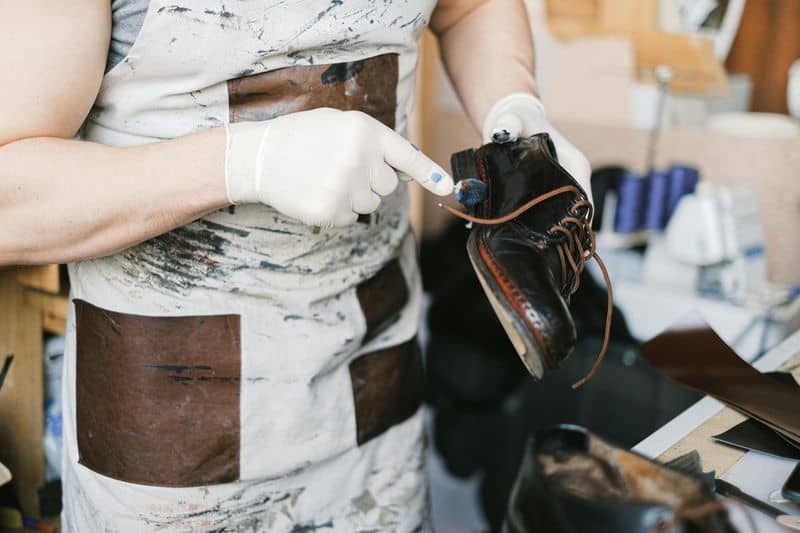
In every town, the cobbler’s shop was a haven of renewal. Worn soles found new life under skilled hands.
This craft was resilience embodied, where stories of distant walks were stitched back into shoes.
Today, the allure of quick replacements overshadows the cobbler’s touch, yet their essence remains ingrained in our soles.
7. Bookbinding
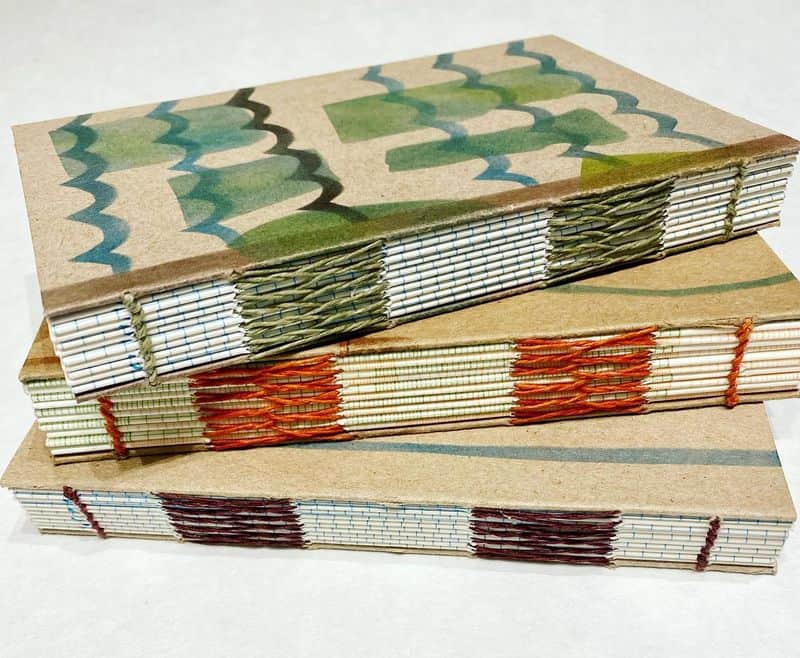
Bookbinding was where literature met craftsmanship. Artisans meticulously folded, stitched, and bound pages into volumes that graced libraries.
The tactile pleasure of a hand-bound book is a sensory delight, a relic of an era where stories were held together by more than words.
Modern binding lacks the intimacy of this art form.
8. Quilting

Quilting was a tapestry of shared stories. Communities gathered, stitching memories into fabric that warmed both body and soul.
Each patchwork quilt told tales of friendship, family, and history.
While time has shifted this craft to hobby status, the warmth and connection embodied in quilts continues to comfort and inspire.
9. Broom Making
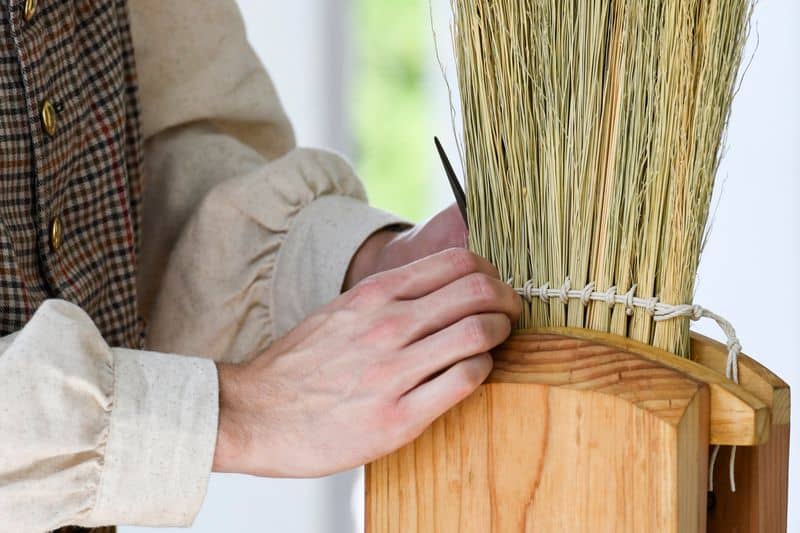
Broom making swept through communities with pragmatic grace. Craftsmen transformed straw into tools of everyday magic.
Each broom was a testament to the timeless dance between utility and artistry.
Though swept aside by factory-made options, the simple charm of a hand-made broom whispers of a time when life was beautifully uncomplicated.
10. Woodcarving

Woodcarving was artistry born from nature. Carvers coaxed beauty from wood’s rugged heart, crafting pieces that spoke of history and heritage.
Each chip held a story, a connection to the earth.
While technology now molds wood with precision, the soul of hand-carved creations reminds us of a time when patience shaped beauty.