
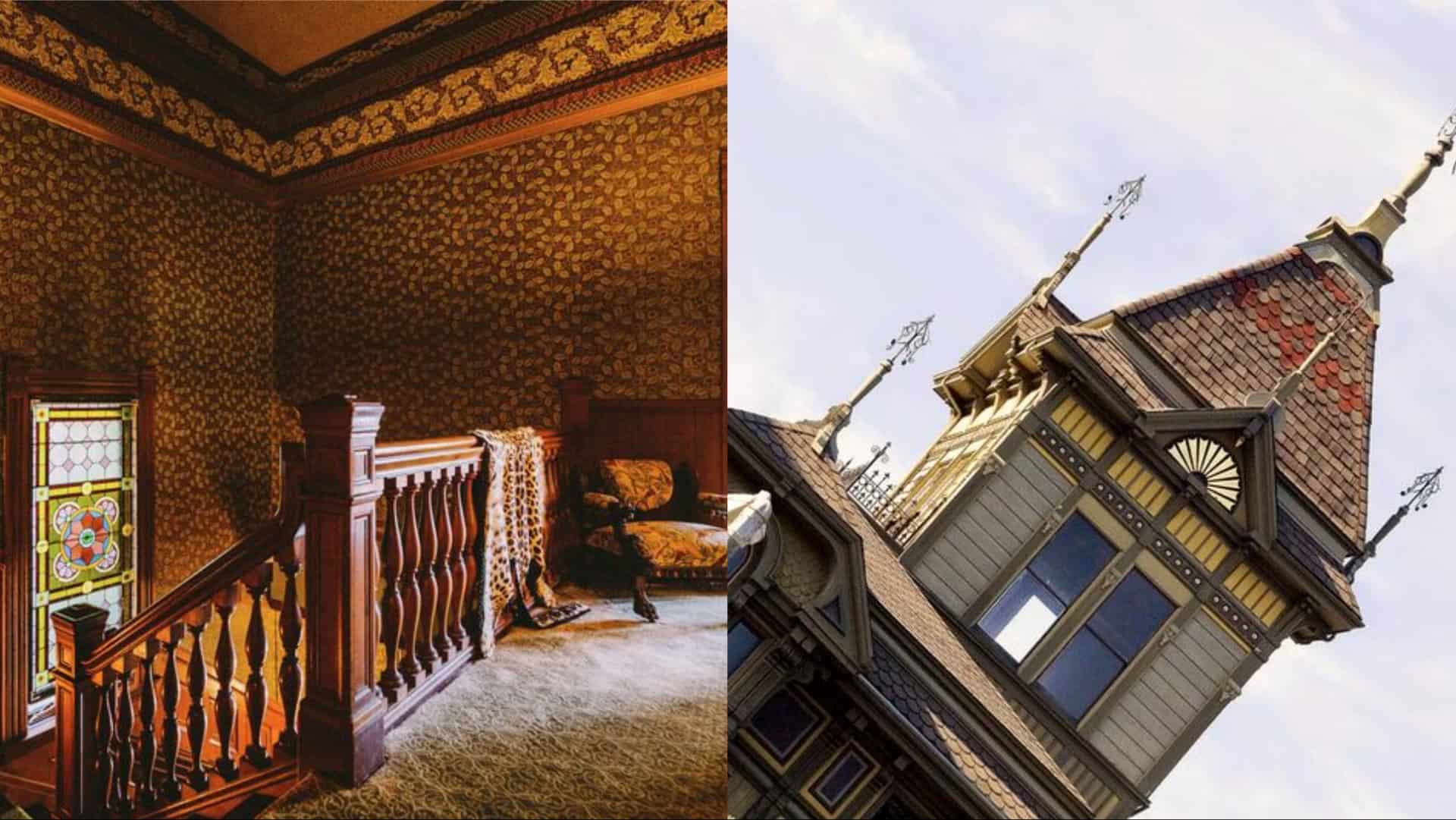
Explore the intriguing history and unique stories surrounding the William Westerfeld House, famously known as the “Russian Embassy” in San Francisco.
This iconic building has witnessed a myriad of transformations, from its beginnings as a confectioner’s mansion to its current status as a historic landmark.
Dive into these fascinating facts about this architectural gem.
1. William Westerfeld House Origins
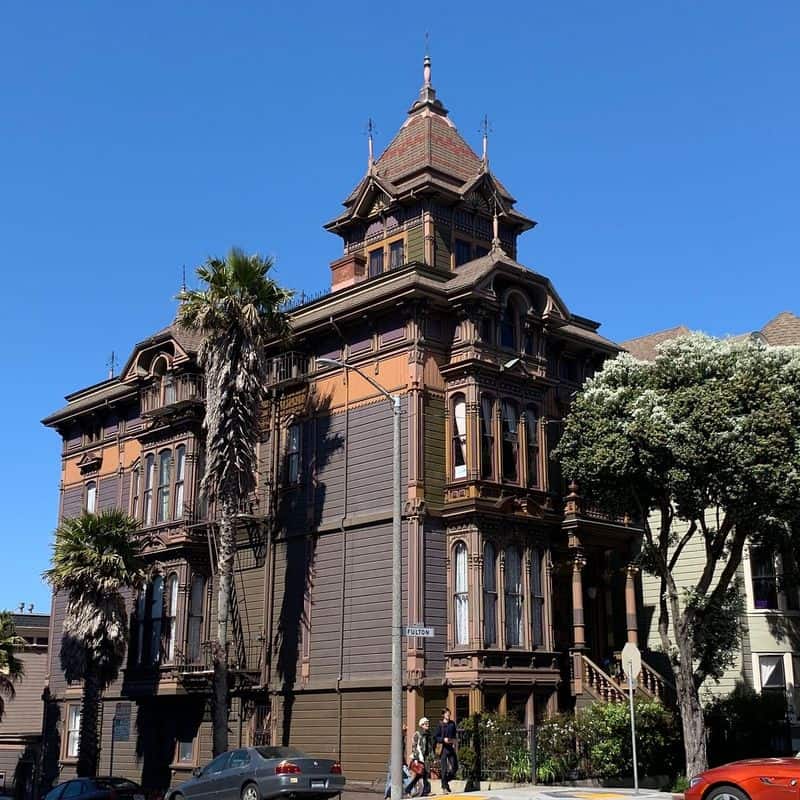
The William Westerfeld House, an architectural masterpiece, was built in 1889 for German-born confectioner William Westerfeld.
This 28-room mansion, designed by architect Henry Geilfuss, originally featured a rose garden and carriage house.
Its opulent design reflects the lavish lifestyle of San Francisco’s elite during that era.
2. Transformation into Russian Embassy
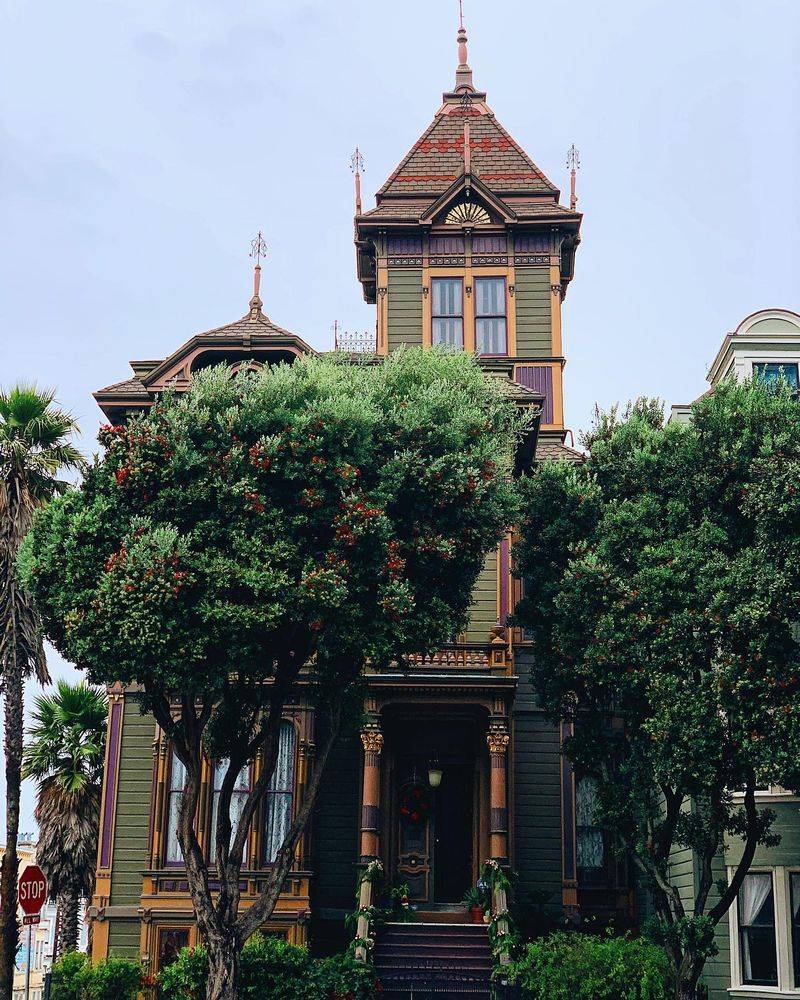
In 1928, the grand ballroom of the house was transformed into a nightclub called Dark Eyes by Czarist Russians.
It became known as the “Russian Embassy,” offering a cultural haven for Russian expatriates, turning the mansion into a lively social hub.
3. Jazz Era Apartments
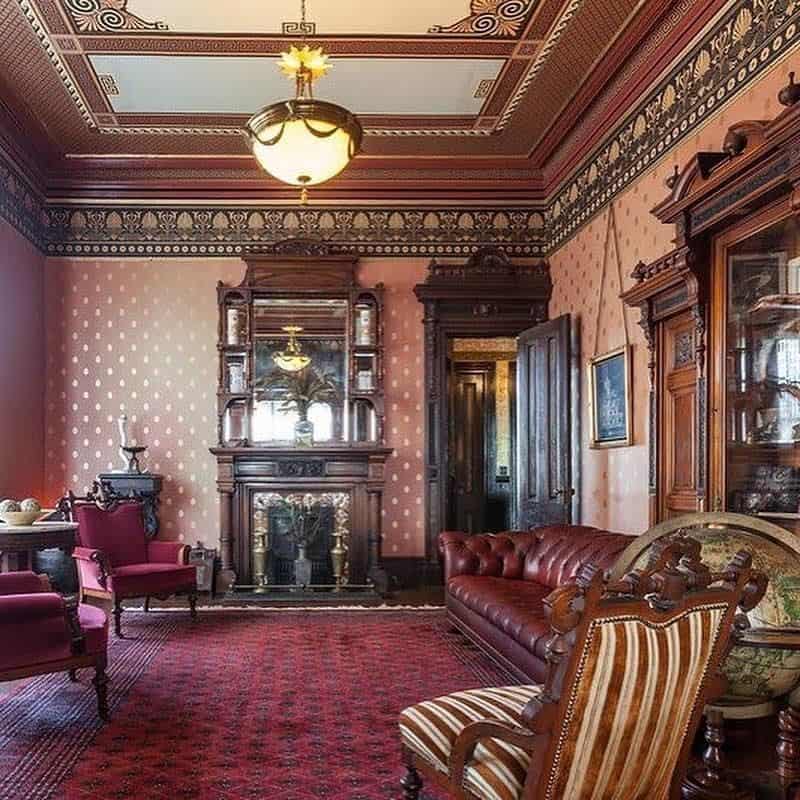
By 1948, the house was converted into apartments that housed African-American jazz musicians.
The vibrant atmosphere attracted artists like John Handy, contributing to the cultural richness of San Francisco’s jazz scene.
It served as a creative haven during that period.
4. Counterculture Haven of the 1960s
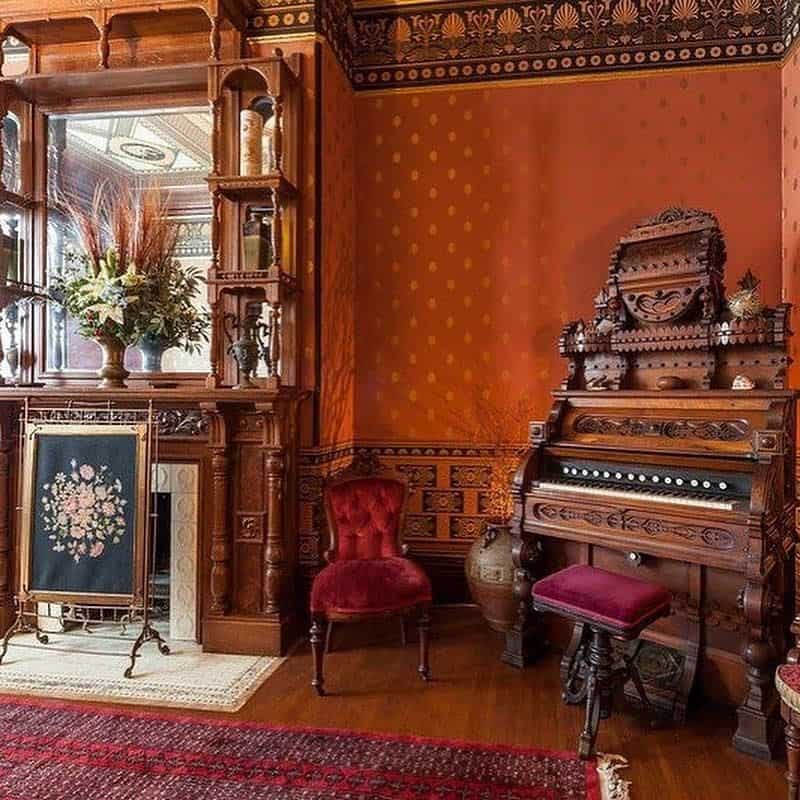
The 1960s brought a wave of counterculture enthusiasts to the house.
It became a residence for filmmakers and artists, including Kenneth Anger, who shot experimental films here.
This era marked a colorful chapter in the house’s eclectic history.
5. Family Dog and Music Legends
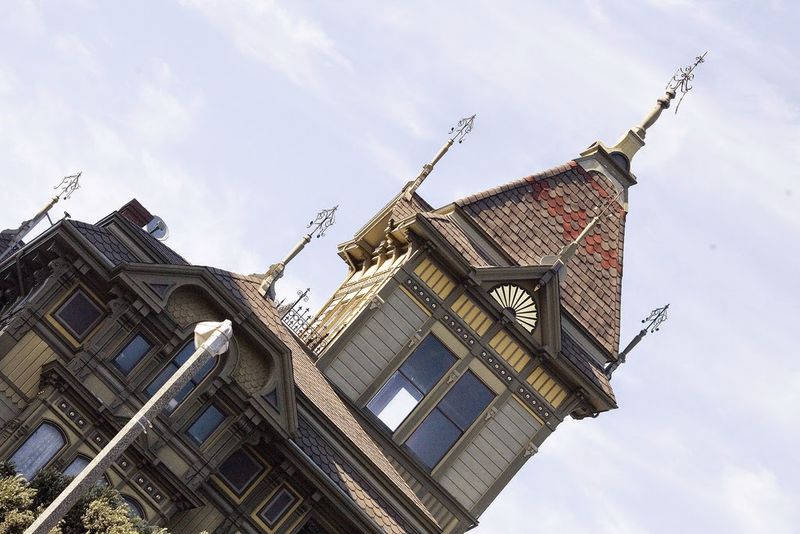
In 1968, the Family Dog collective occupied the house, turning it into a hotspot for rock legends.
The Grateful Dead and Big Brother frequented, filling its halls with music and creativity. This period solidified the house’s reputation as a cultural landmark.
6. 1970s Restoration Efforts
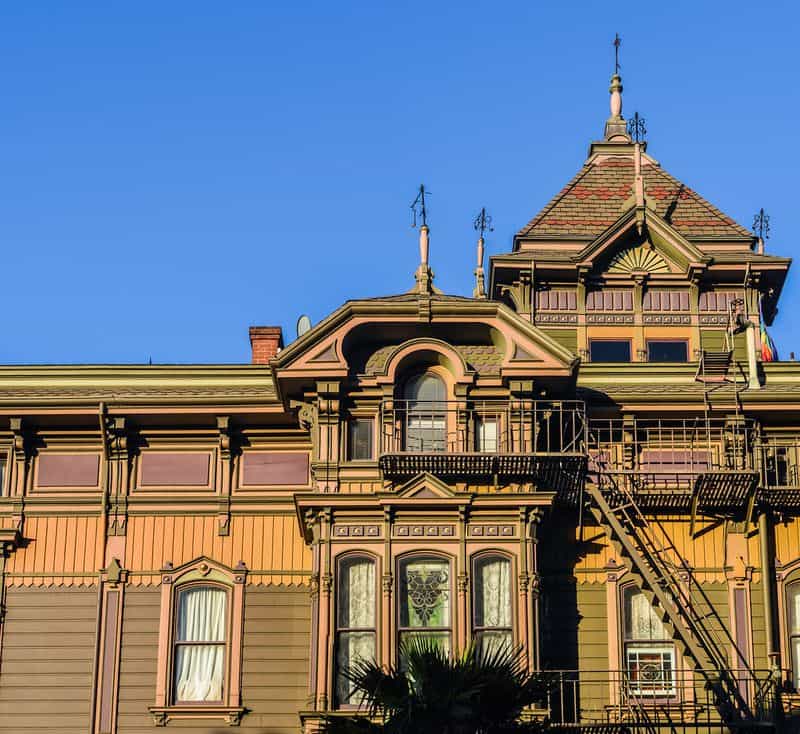
Efforts to restore the house began in the 1970s. New owners remodeled the servants’ quarters and preserved its Victorian charm amid urban renewal challenges.
These efforts ensured the survival of its historical and architectural significance.
7. Jim Siegel’s Preservation Work
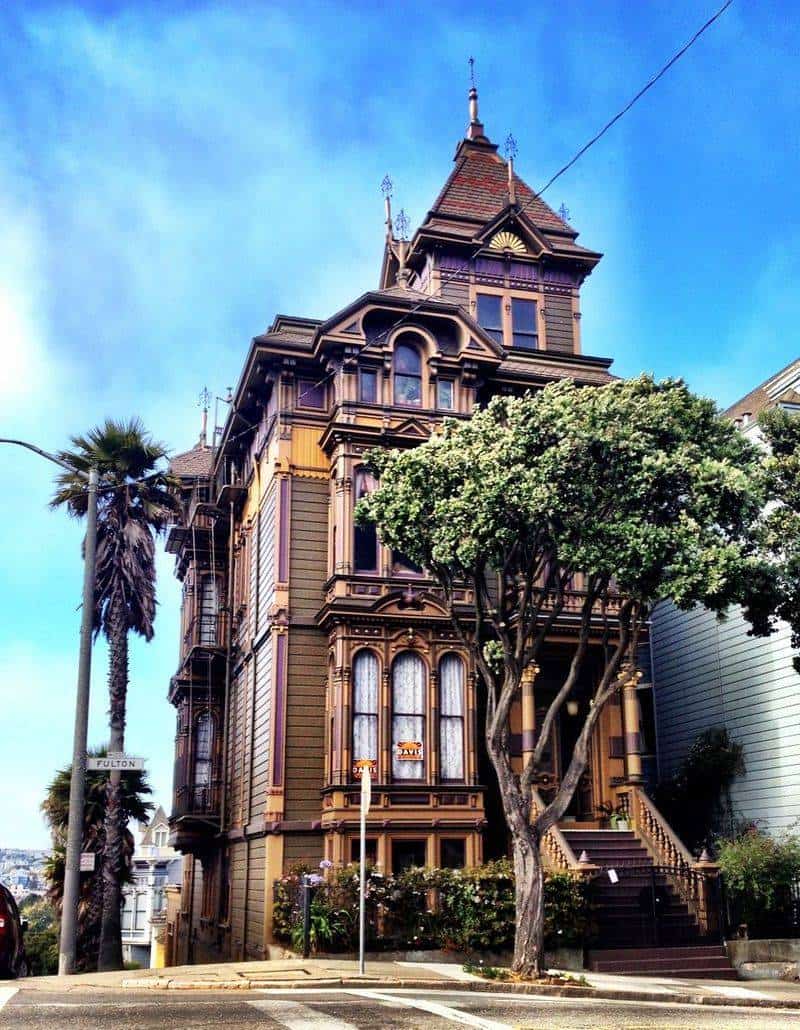
Jim Siegel purchased the house in 1986, investing in its preservation.
He revived its structural integrity, restored the ballroom, and embellished the ceilings with vintage wallpapers.
Siegel’s dedication breathed new life into the storied mansion.
8. Ghost Adventures Feature
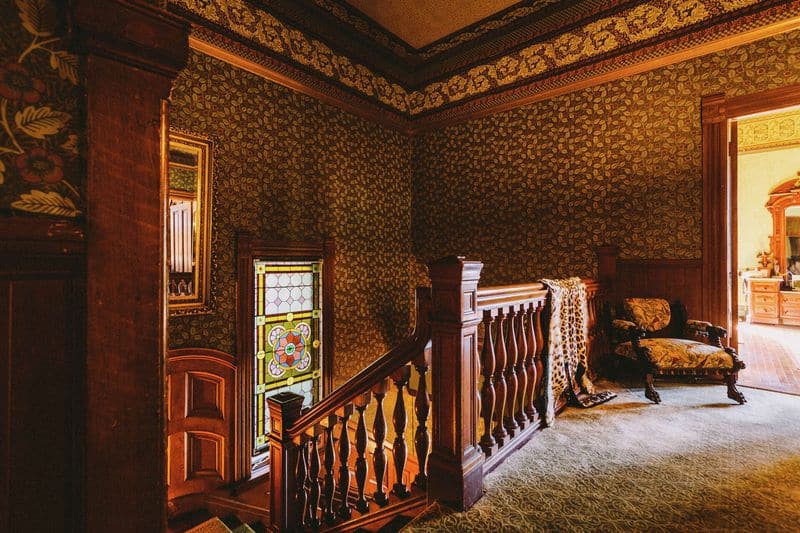
In 2018, the house’s eerie charm captivated audiences when it was featured on Ghost Adventures.
This episode added a supernatural twist to its already rich narrative, sparking renewed interest in its haunted reputation.
9. Architectural Significance
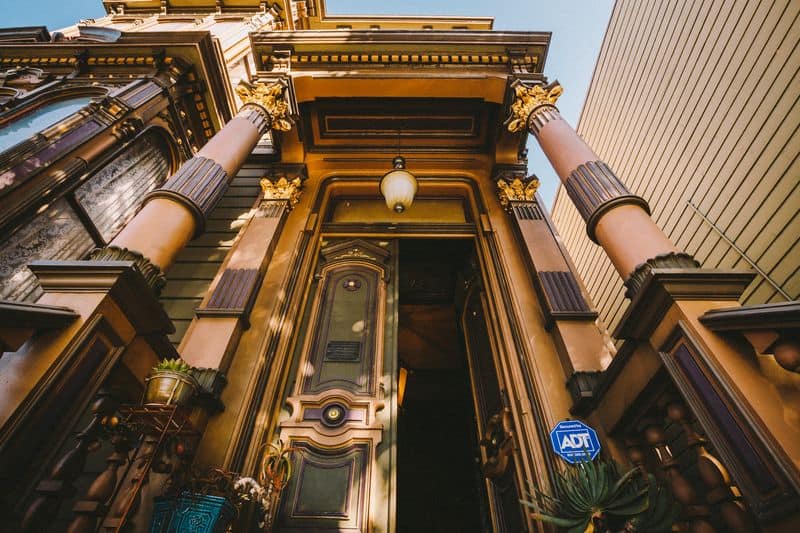
Recognized for its architectural grandeur, the house is a sterling example of the Victorian style.
Its intricate woodwork and design make it a valuable piece of San Francisco’s architectural heritage, protected as a historic landmark.
10. Cultural and Historical Landmark
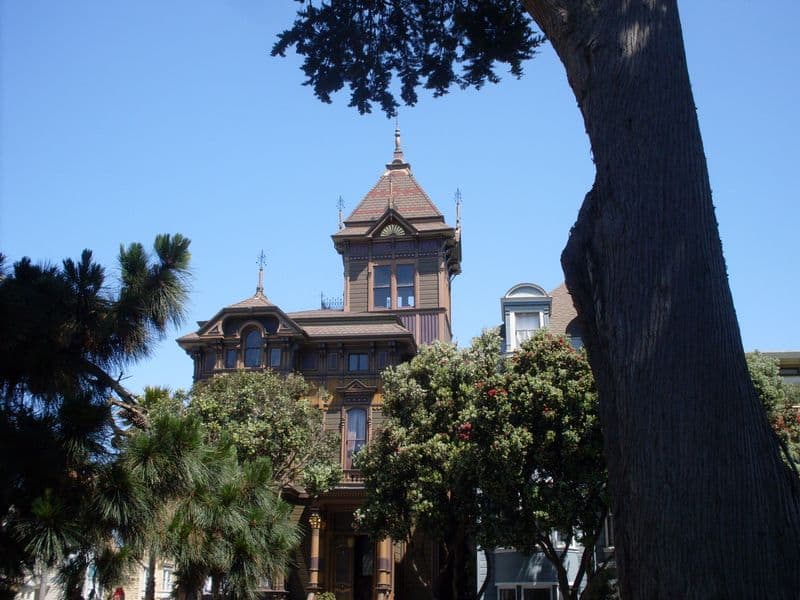
The William Westerfeld House stands as a cultural and historical icon.
Its varied past, from confectioner’s mansion to jazz hub, reflects San Francisco’s dynamic evolution.
Today, it remains a significant part of the city’s vibrant history.