
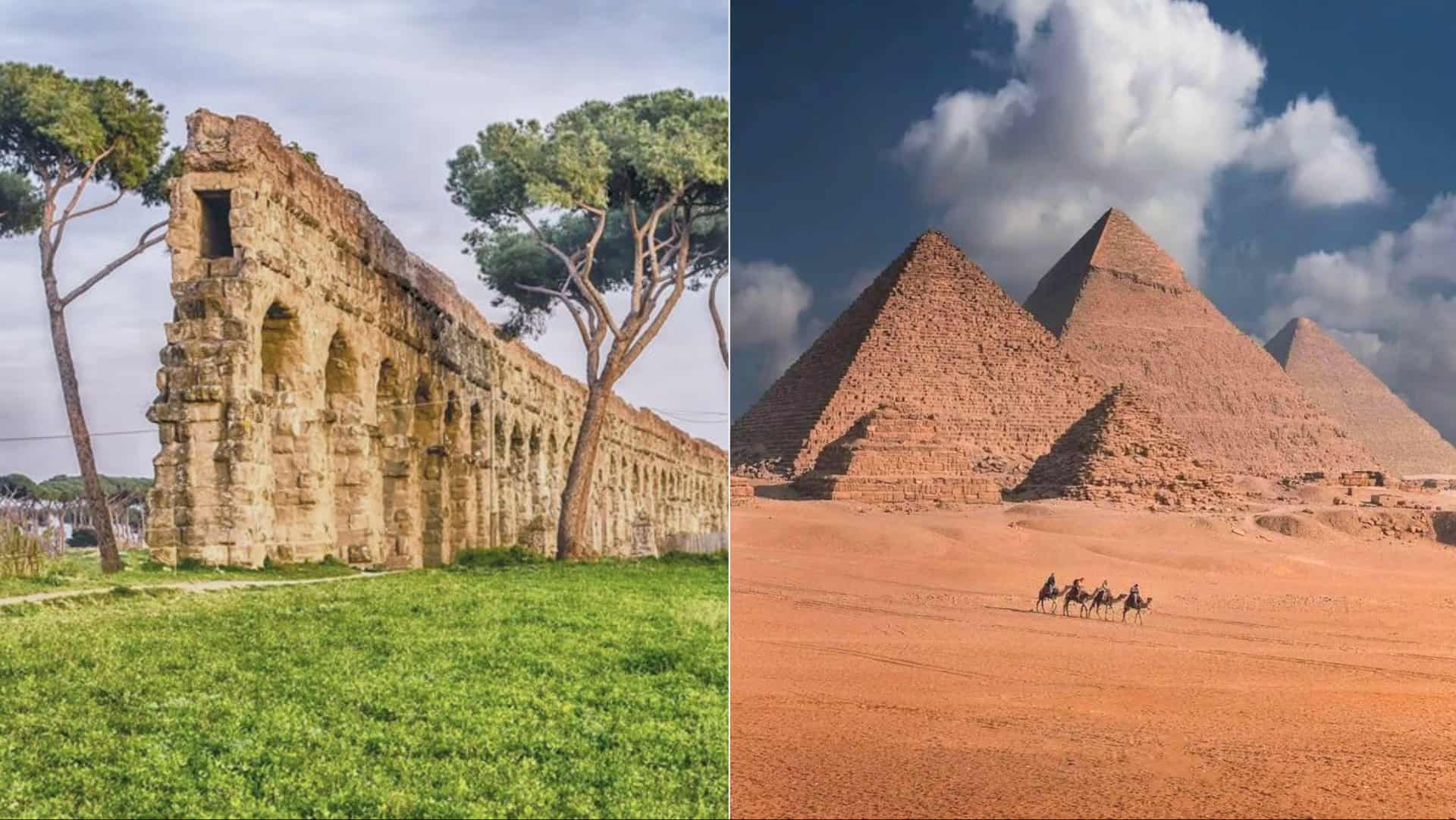
Architecture from ancient civilizations often leaves us in awe, not just due to their grandeur but also because of the unsolved puzzles they present.
These structures reflect advanced knowledge and skills that continue to baffle historians and architects alike.
From the deserts of Egypt to the underwater ruins of India, these edifices ignite our imagination and curiosity.
Join us as we explore 10 architectural marvels that defy easy explanations and stir our intrigue.
1. The Great Pyramids of Giza
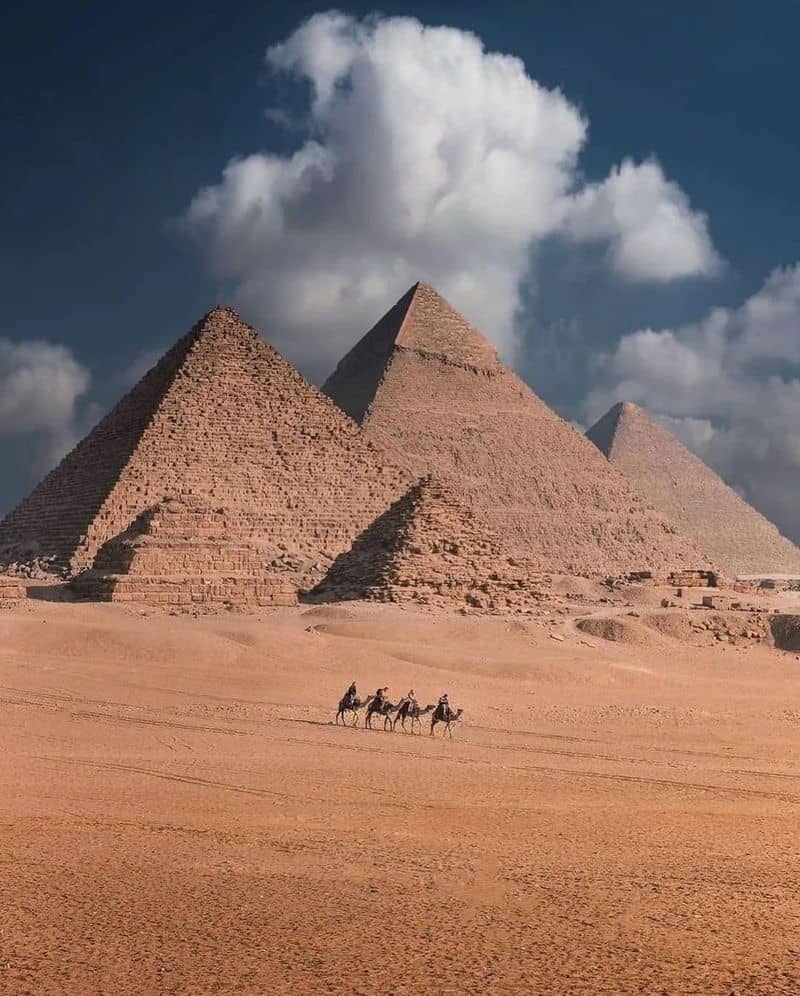
The Great Pyramids of Giza stand as timeless witnesses to ancient Egyptian ingenuity.
Their precise alignment with cardinal points and astronomical significance mystify us. How did ancient builders achieve such precision?
Each block, weighing tons, was transported and positioned with unknown techniques.
Theories abound, yet none fully satisfy our quest for understanding. These pyramids not only housed pharaohs but also continue to guard their secrets fiercely.
2. The Lost City of Petra
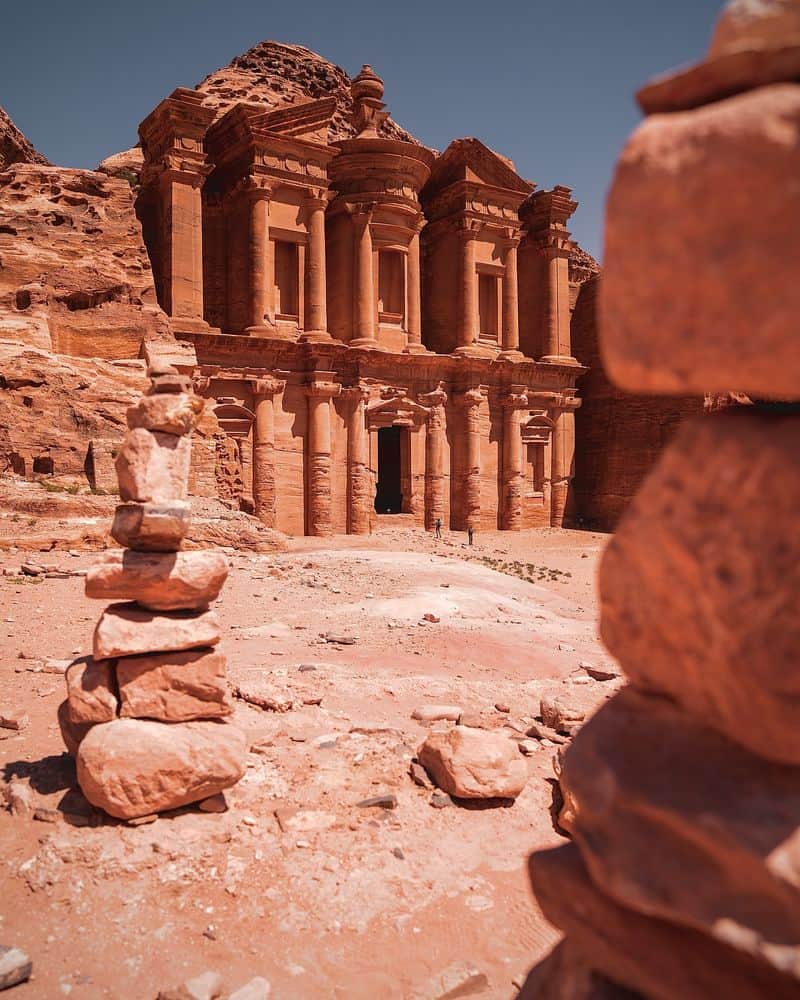
Petra, the rose-red city half as old as time, captivates with rock-cut architecture. Nabataeans carved temples and tombs with astounding precision.
Its water conduit system defies the arid desert around. How did they sustain life in such a harsh environment?
This city thrived as a trade hub, yet its decline is shrouded in mystery. Petra’s allure lies in its blend of natural beauty and human craftsmanship.
3. The Indus Valley Civilization Cities
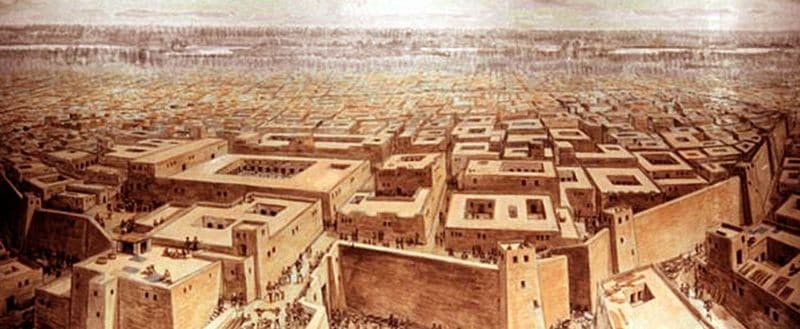
Mohenjo-daro’s ruins hint at a sophisticated urban society. Streets laid in grid patterns, advanced drainage, and public baths reflect a high level of planning.
How did this civilization maintain order without apparent rulers? The undeciphered Indus script teases us with its silent tale.
Despite its advanced nature, the civilization vanished, leaving behind questions about its sudden disappearance.
4. The Megalithic Temples of Malta
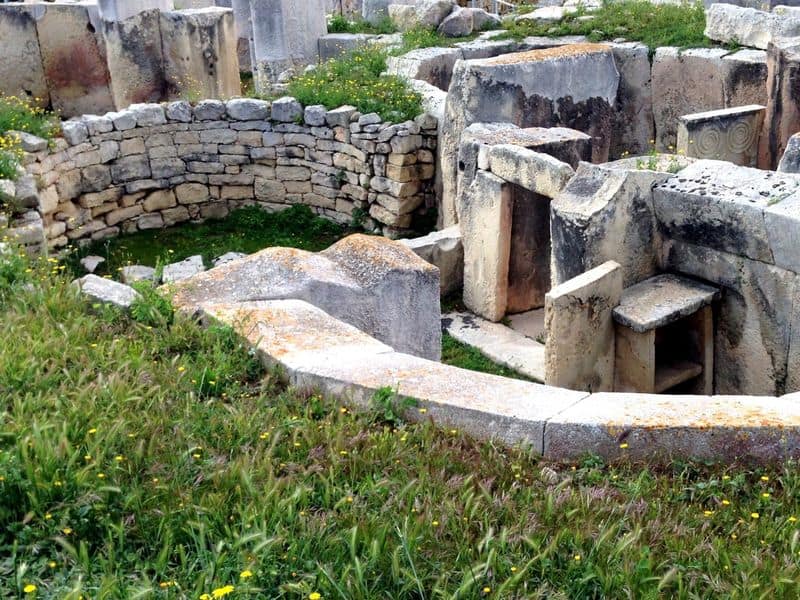
Malta’s megalithic temples, older than Stonehenge, showcase architectural prowess. Massive stones were shaped and transported with unknown tools.
How did prehistoric builders achieve such feats? Intriguing carvings suggest spiritual significance. Some believe these temples were astronomical observatories.
Their precise alignment remains an enigma. Despite numerous studies, their exact purpose and construction methods continue to baffle historians.
5. The Temple of the Sun (Tiwanaku, Bolivia)
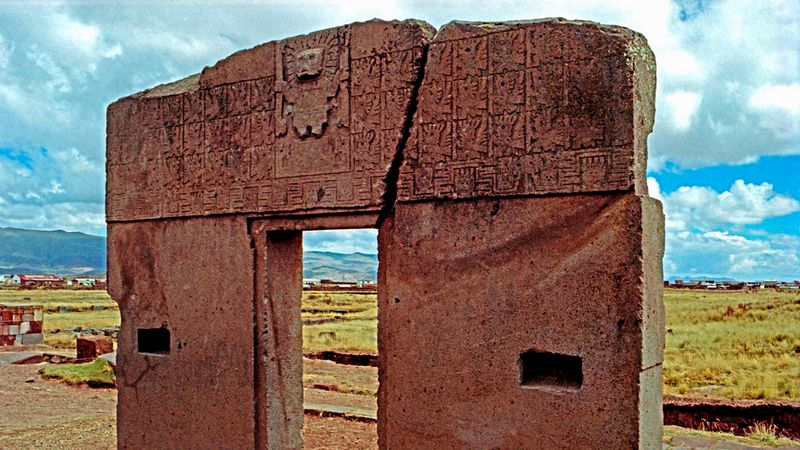
Tiwanaku’s Temple of the Sun remains a puzzle with its colossal stones and precise cuts. How did pre-Incan society move and carve these stones without metal tools?
The temple aligns with celestial events, indicating advanced astronomical knowledge. What rituals took place here?
The site’s mysterious carvings and symbols hint at lost cultures and beliefs. Its true purpose remains obscured by time.
6. The Tower of Babel
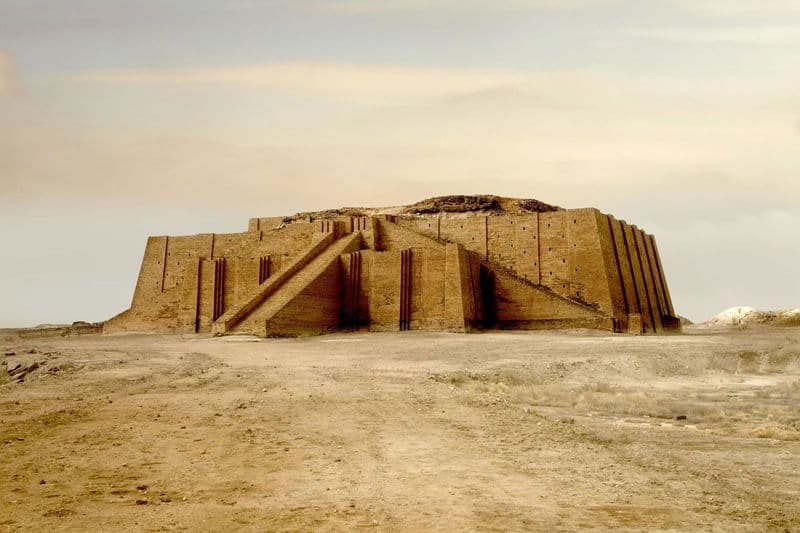
The Tower of Babel, a biblical tale of human ambition, intrigues with its story of linguistic diversity. Built to reach the heavens, it became a symbol of defiance.
Did it exist, or is it allegory? Archaeologists seek its location, linking it to ancient ziggurats.
Its narrative warns of overreaching ambition, yet its historical basis remains elusive. Babel stands as a monument in both myth and history.
7. The Hypogeum of Hal-Saflieni
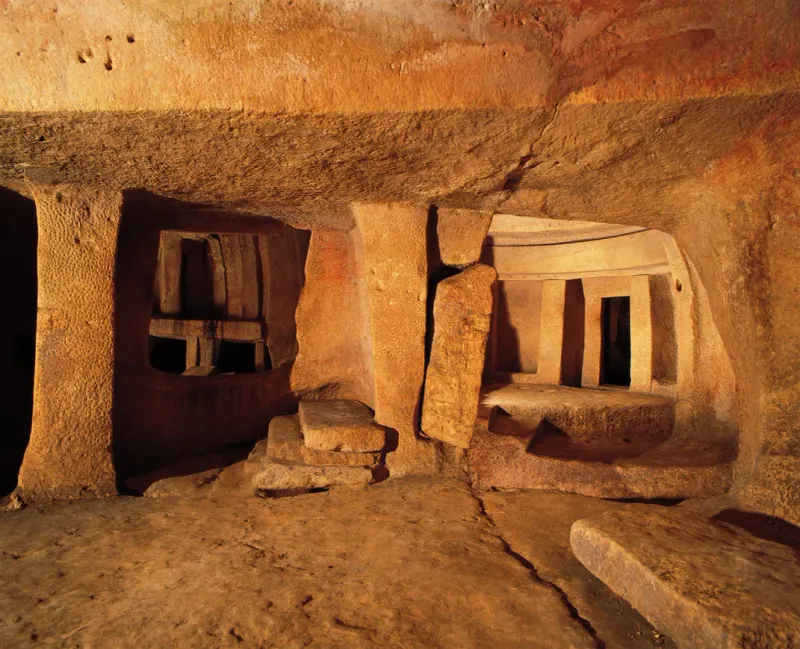
The Hypogeum, a subterranean sanctuary, mystifies with its acoustics and architecture. Hewn from rock, it served as a burial site and possibly a temple.
How did ancient people create such an acoustic marvel? Its echoing sounds suggest ritualistic use.
The site contains intricate carvings and red ochre paintings, hinting at spiritual practices. The purpose and techniques behind this underground wonder remain largely unknown.
8. The Underwater Ruins of Dwarka
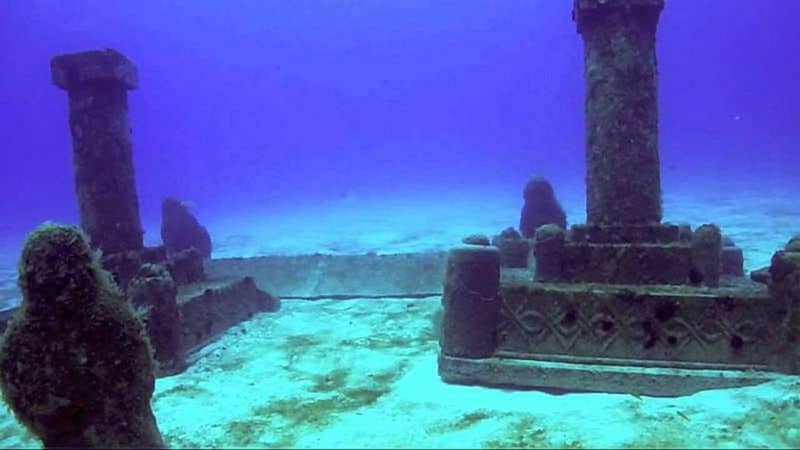
Dwarka’s submerged ruins provoke debate over historical timelines. Linked to the Hindu epic Mahabharata, its discovery suggests sophisticated architecture.
Did an ancient city sink, or is it mythical? The structures indicate organized urban planning and advanced maritime skills.
Archaeological findings challenge conventional history. Dwarka’s enigma lies in its blend of legend and reality, questioning our understanding of ancient civilizations.
9. The Gobekli Tepe
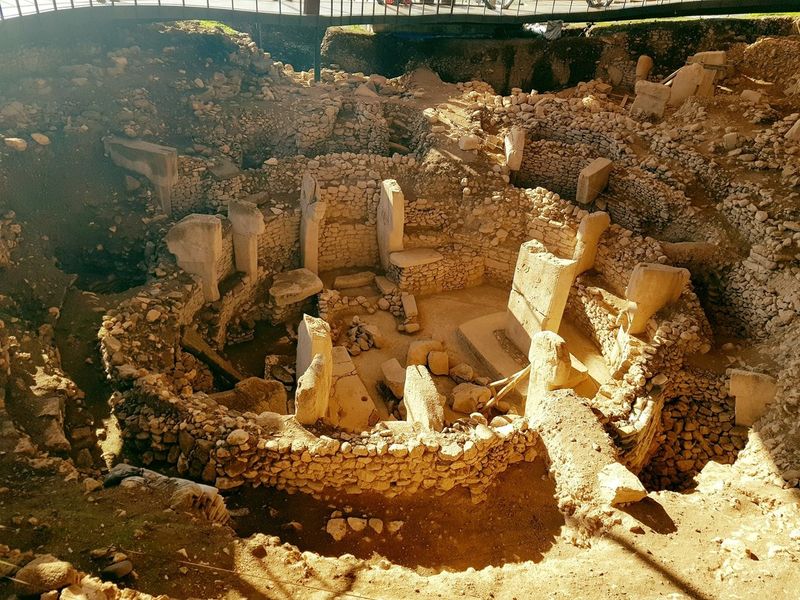
Gobekli Tepe overturns assumptions about early societies. Massive stone pillars, adorned with carvings, predate agriculture.
How did hunter-gatherers construct such monumental architecture? Its purpose as a religious site hints at complex social structures.
The carvings depict animals and abstract symbols, speaking to lost beliefs. Rediscovered in the 1990s, it challenges our understanding of human civilization’s beginnings.
10. The Construction of the Roman Aqua Appia
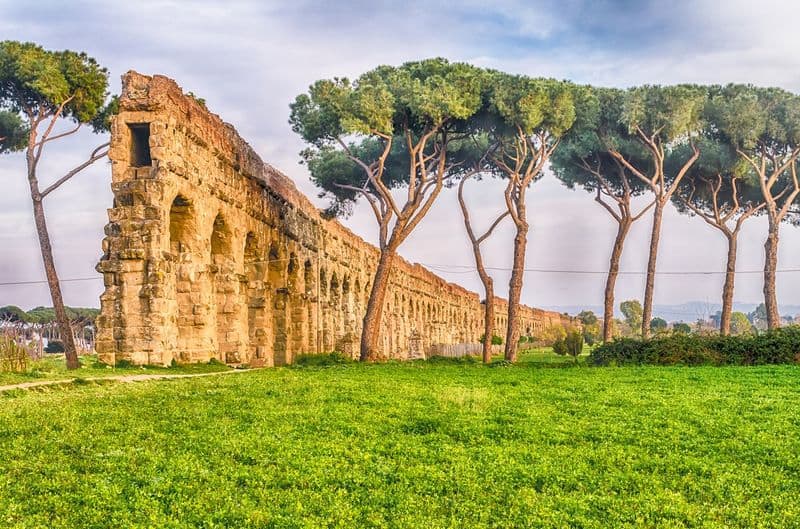
The Aqua Appia, Rome’s first aqueduct, showcases engineering brilliance. Built in 312 BC, it transported water across vast distances.
How did Romans achieve such precision in construction? Its underground channels and above-ground arches reflect innovative techniques.
The aqueduct’s longevity and functionality speak to Roman ingenuity.
As urban demands grew, it set a precedent for future infrastructure, yet its construction methods still impress modern engineers.