
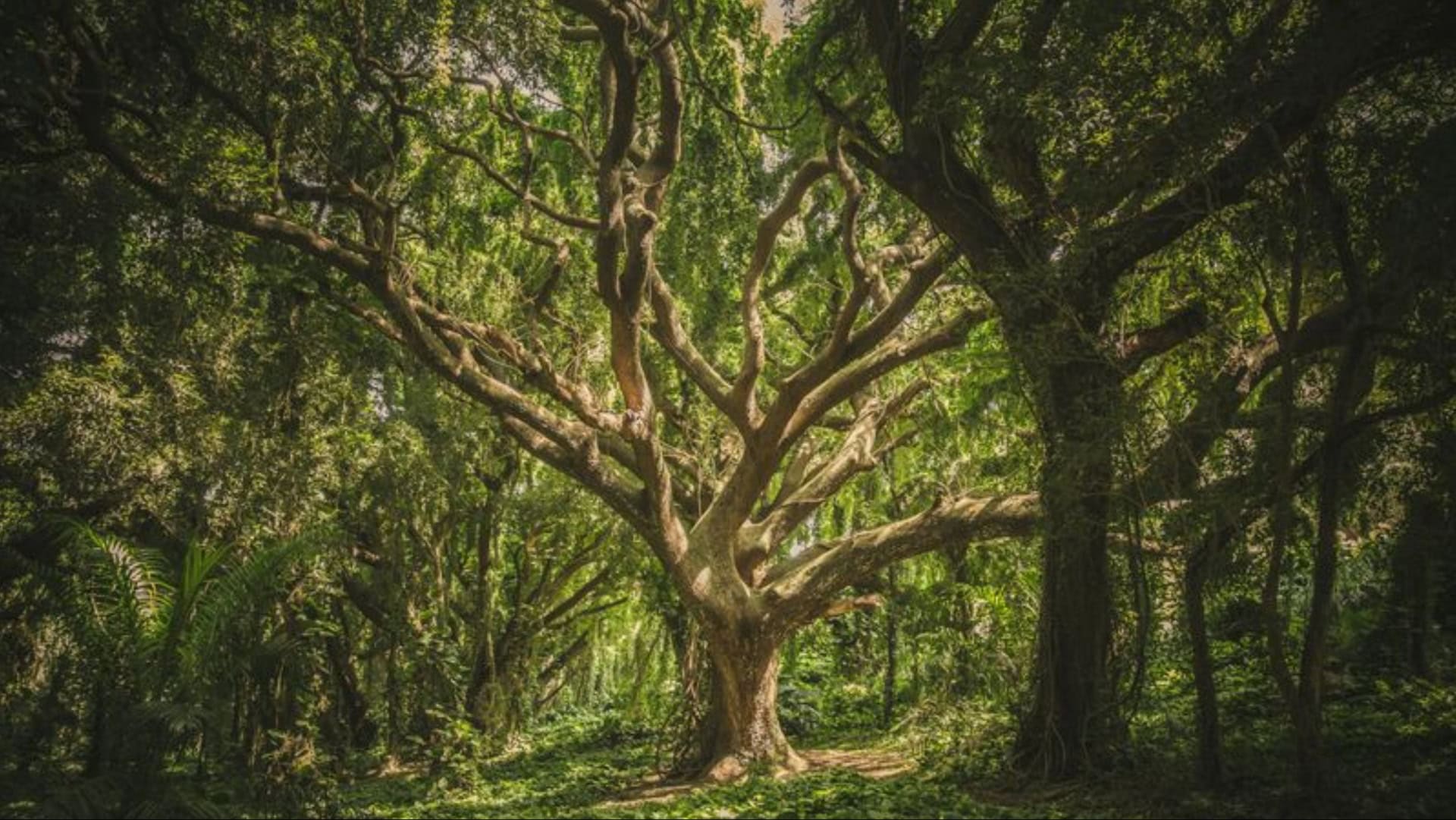
Imagine a nation where progress and preservation coexist harmoniously.
In Japan, massive trees aren’t obstacles; they’re revered beings requiring thoughtful relocation.
Specialists use ancient techniques, blending tradition with technology, to move these giants without harm.
This cultural reverence for trees reflects a deep respect for nature, rooted in Shinto beliefs, where trees are considered sacred.
1. Nemawashi: The Art of Preparation
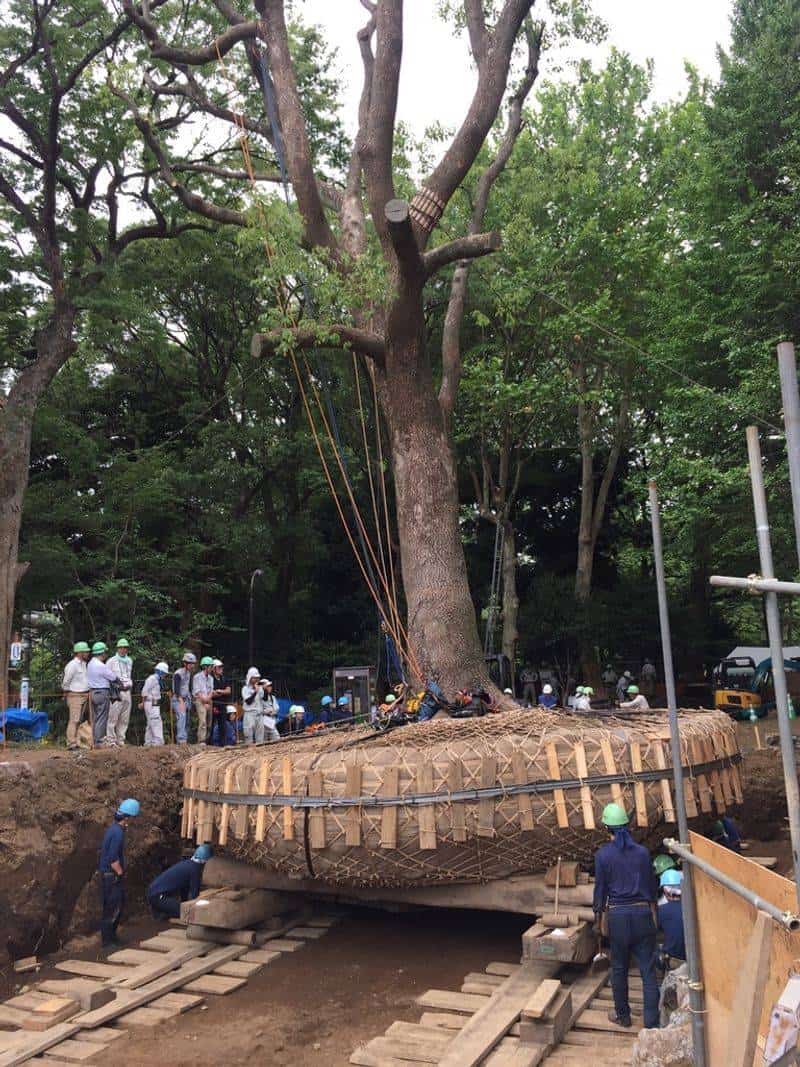
In Japan, tree relocation starts with Nemawashi, a methodical preparation of roots. This involves careful soil loosening and root trimming.
By slowly acclimating the tree to its new home, it ensures survival.
Such meticulous preparation mirrors Japan’s conscientious approach to change, both in nature and organizational culture.
2. Cranes and Straw: Tools of the Trade
Forget chainsaws; Japan employs cranes and straw to relocate trees. This ancient wisdom prevents damage during transit, showing a unique fusion of old and new.
Straw cushions the roots, while cranes lift gently. It’s a dance of precision and care that exemplifies Japan’s holistic worldview.
3. Sacred Spirits: Trees as Divine Beings
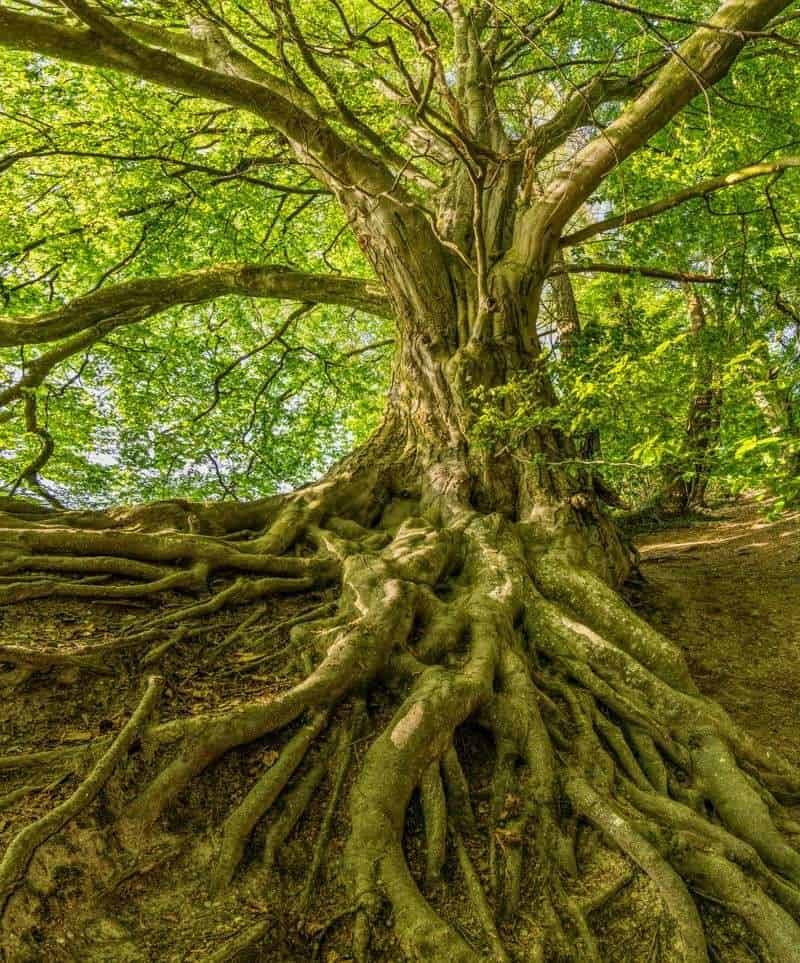
In Japan, trees aren’t just flora; they’re spiritual entities. Ancient trees, housing kami or divine spirits, are revered in Shinto tradition.
Cutting one down isn’t merely environmental harm; it’s existential. This sacred view fosters immense respect and protective efforts for Japan’s greenery.
4. Urban Greenery: Tokyo’s Tree Challenges
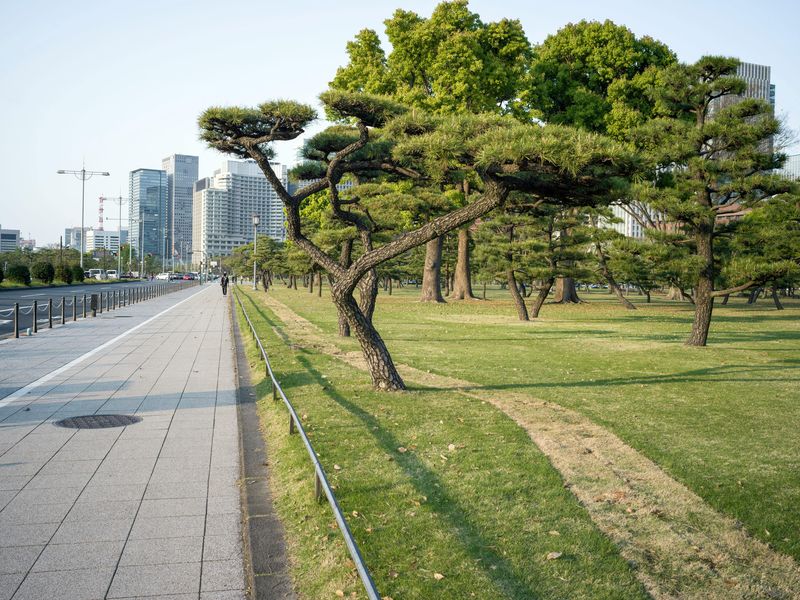
Even in crowded Tokyo, ancient trees are cherished. Developers consult experts and spiritual leaders to preserve these giants.
It’s not just about space but honoring history and culture.
This intricate process ensures urban development respects nature’s elders, maintaining a balance between progress and preservation.
5. Environmental Benefits: More Than Just Shade
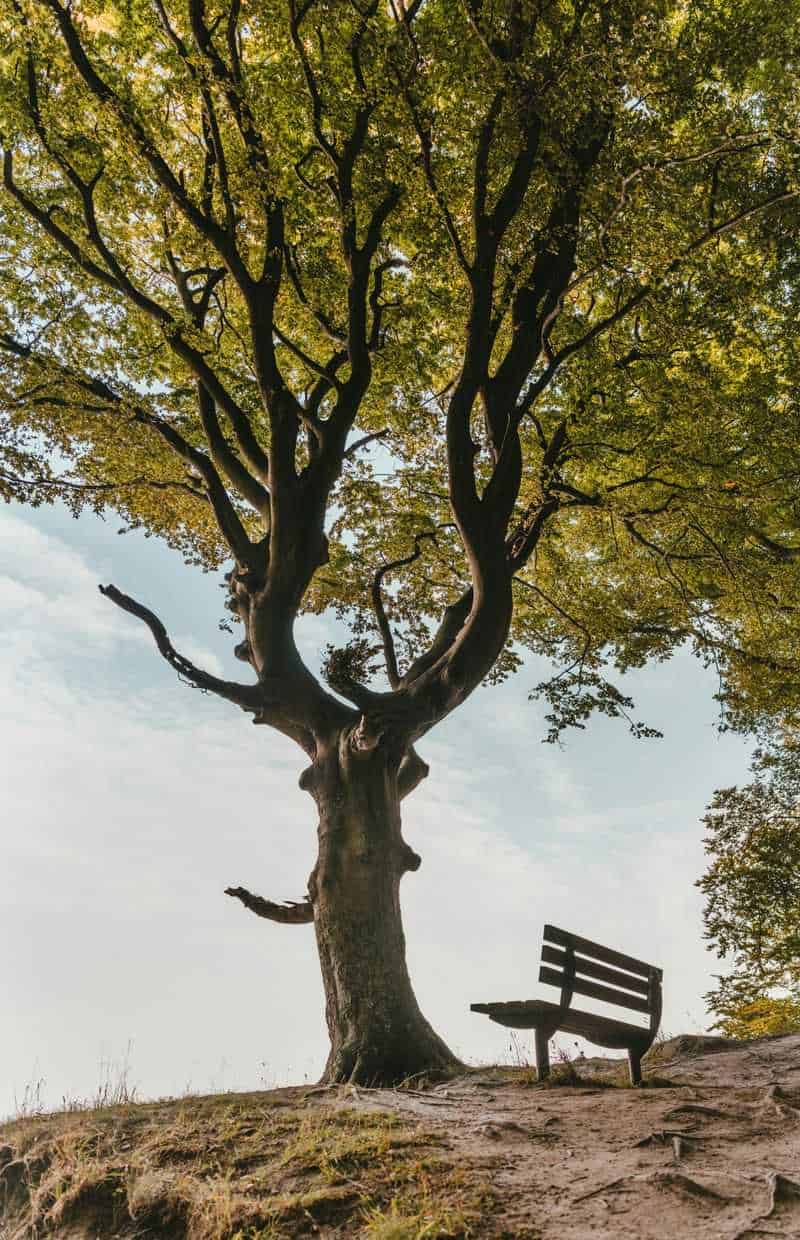
Mature trees provide essential benefits: carbon sequestration, cooling urban heat islands, and supporting biodiversity.
Unlike young saplings, these trees immediately offer shade and habitat.
Their preservation is crucial as cities grow denser and warmer, showing that mature greenery is more than just decoration.
6. The Community Connection: Trees as Memory Keepers
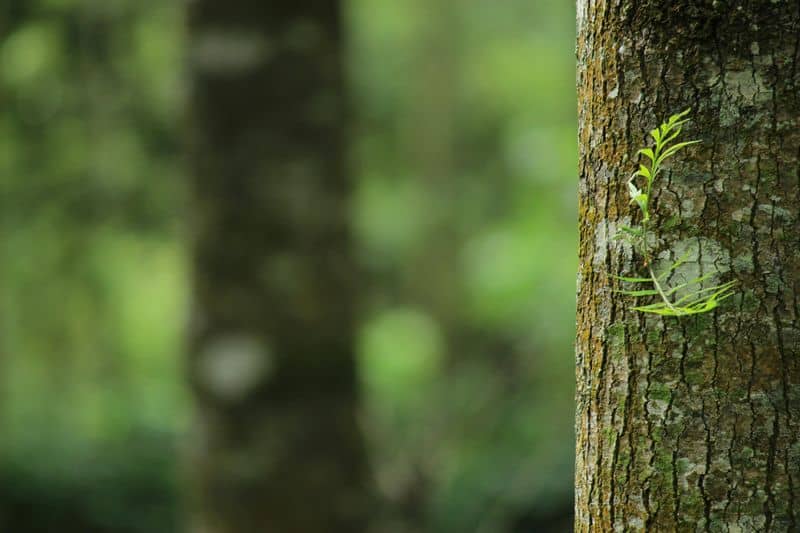
Trees in Japan are community pillars, witnessing generations and holding memories. A tree might be a child’s first climbing adventure or a neighborhood meeting spot.
By preserving these living monuments, communities maintain continuity amidst changing skylines, reinforcing identity and heritage.
7. Modern Technology Meets Tradition
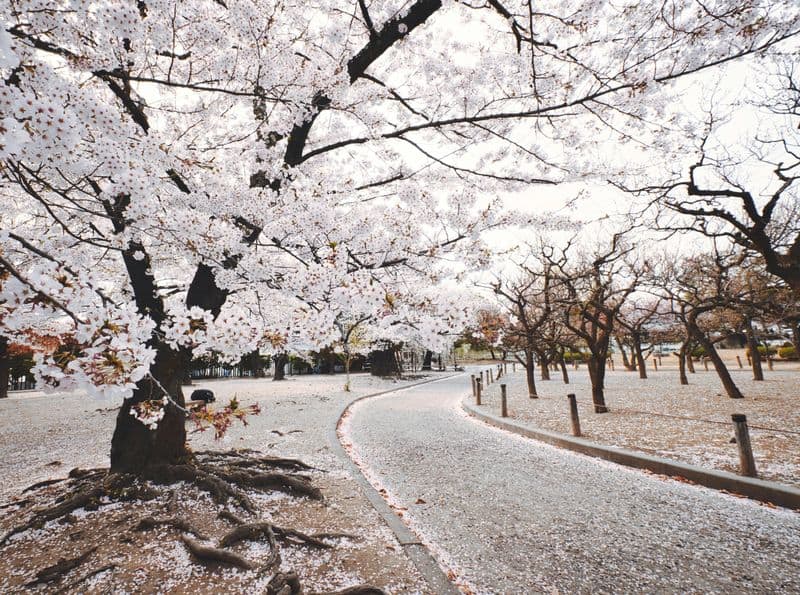
Japan blends tradition with cutting-edge tech in tree relocation. GPS, 3D modeling, and AI optimize moves, ensuring trees’ health and survival.
While spiritual practices guide the process, technology refines it, creating a sustainable model that honors both past and future.
8. Cultural Integrity: More Than Mere Landscaping
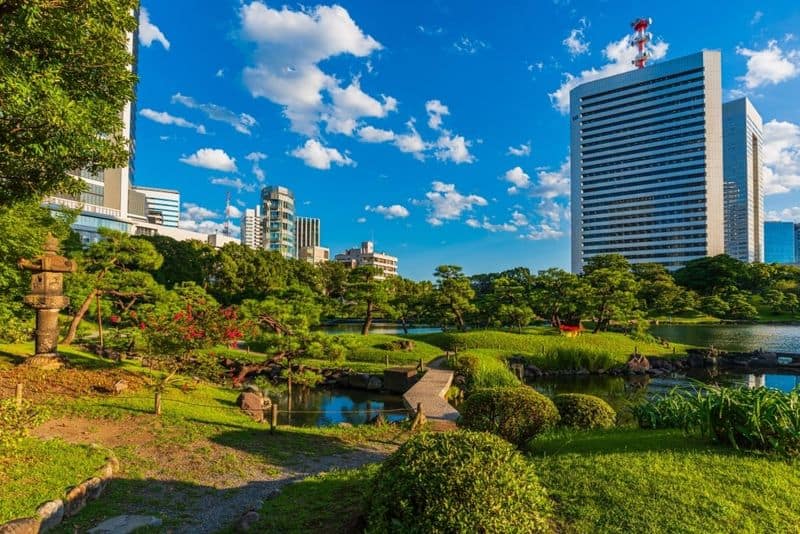
In Japan, moving a tree isn’t just landscaping; it’s cultural integrity. This process respects history, treating trees as elders rather than obstacles.
Projects involve community and spiritual consultation, reflecting a society where progress never sacrifices cultural values.
9. Leadership Lessons from Tree Relocation
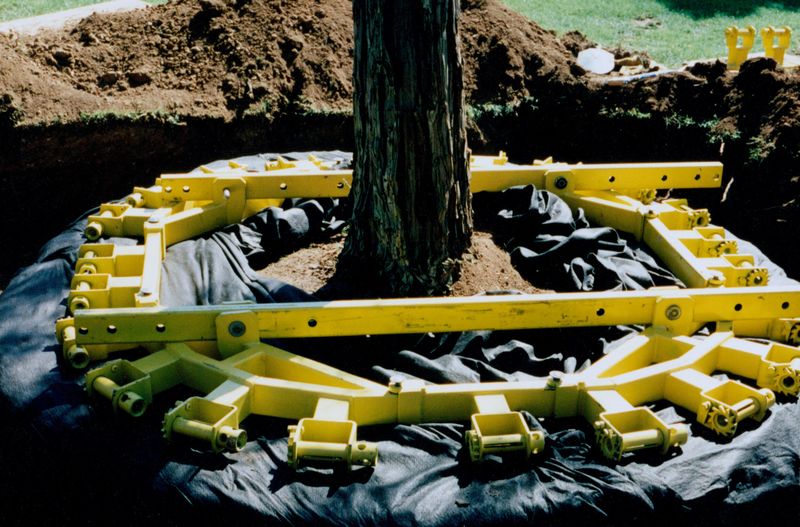
The Nemawashi principle extends to leadership in Japan. Change isn’t forced; it’s cultivated with care.
Organizations prepare thoroughly before decisions, ensuring consensus and minimizing disruption.
This thoughtful approach teaches that patience and preparation are keys to sustainable transformation.
10. Personal Growth: Lessons from Nature
Trees teach us about personal transition. Change doesn’t have to mean upheaval; it can be gradual and nurturing.
Like trees, we can prepare ourselves thoughtfully, tending to our roots before adapting.
This natural wisdom encourages us to embrace change with resilience and patience.