
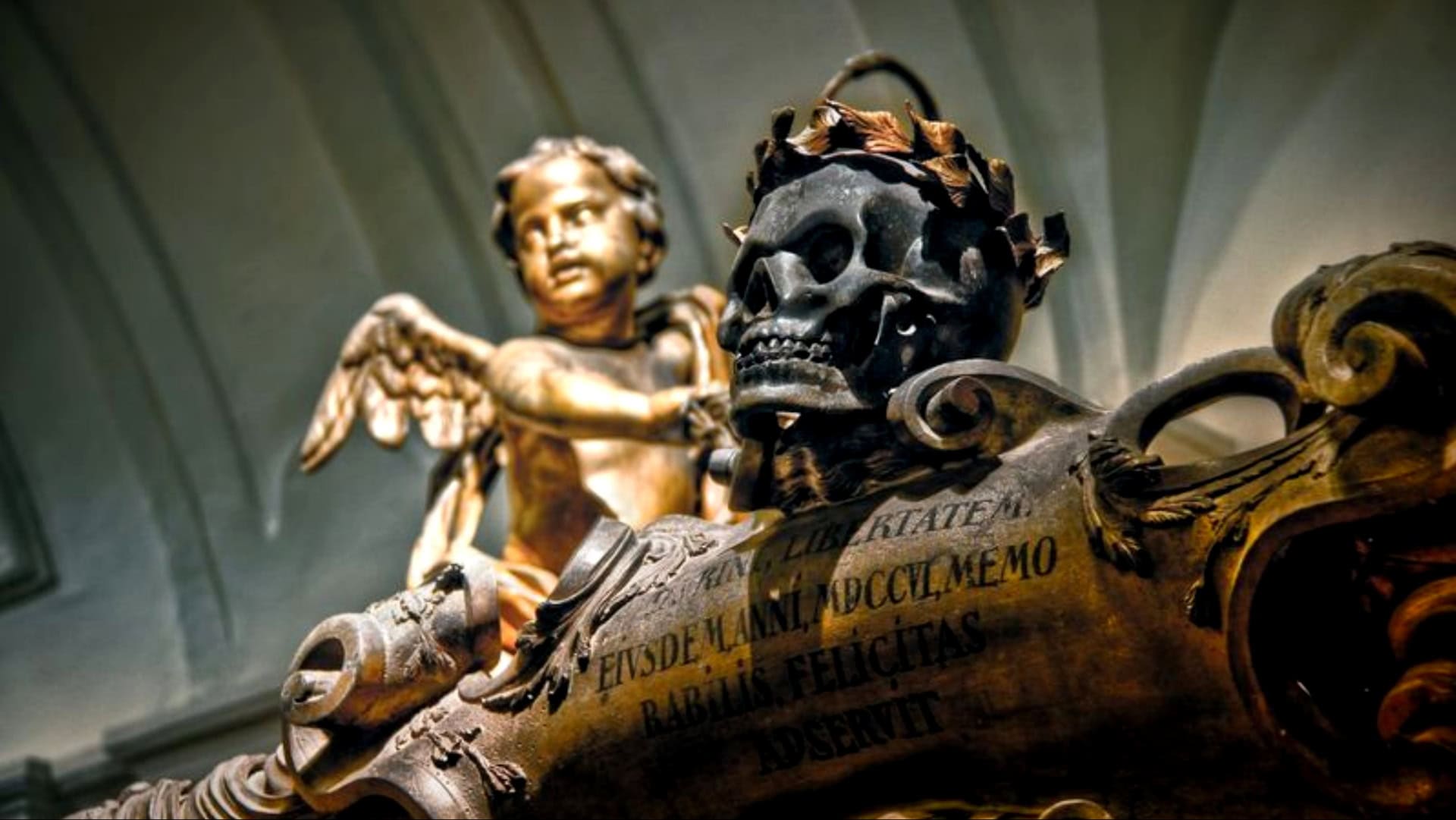
Nestled beneath the Capuchin Church in Vienna, the Imperial Crypt is a resting place for over 150 members of the illustrious Habsburg dynasty, including emperors and empresses.
It is a repository of history and grandeur, with opulent sarcophagi and touching stories. Join us as we explore why this crypt is an unmissable destination.
1. A Regal Lineage
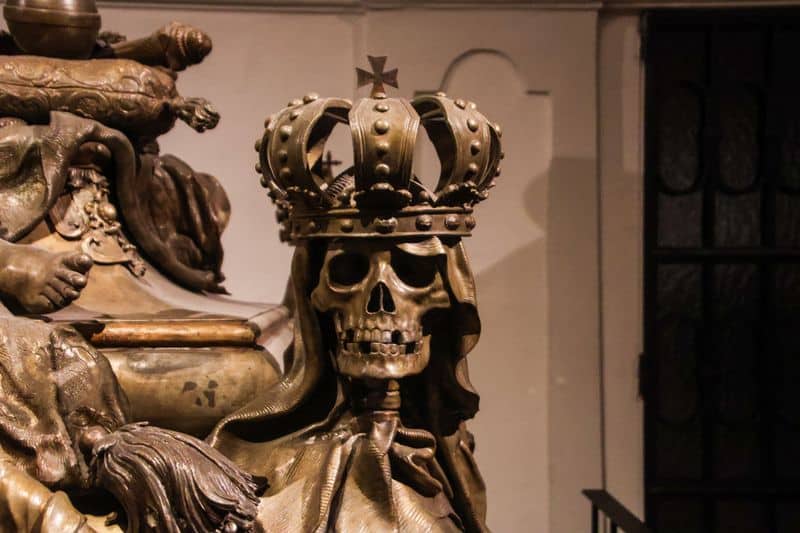
Housing 12 emperors and 19 empresses, the Habsburg Crypt is a testament to regal lineage. Each tomb carries the legacy of rulers who shaped European history.
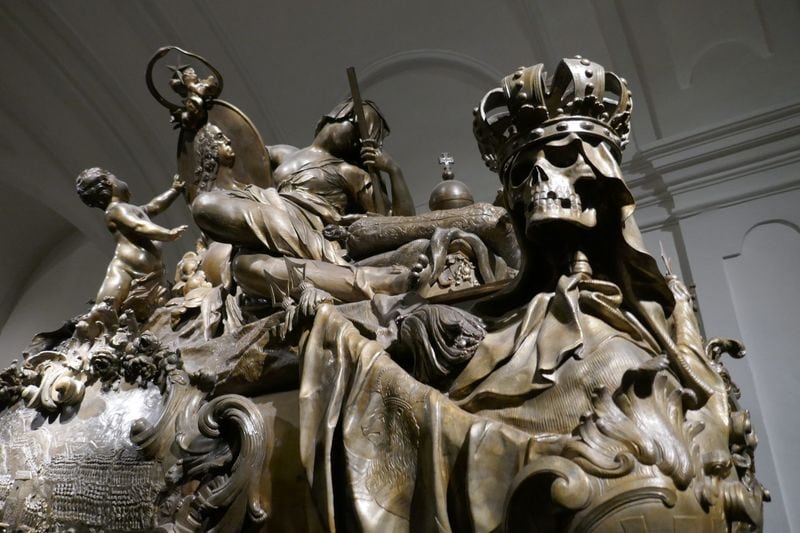
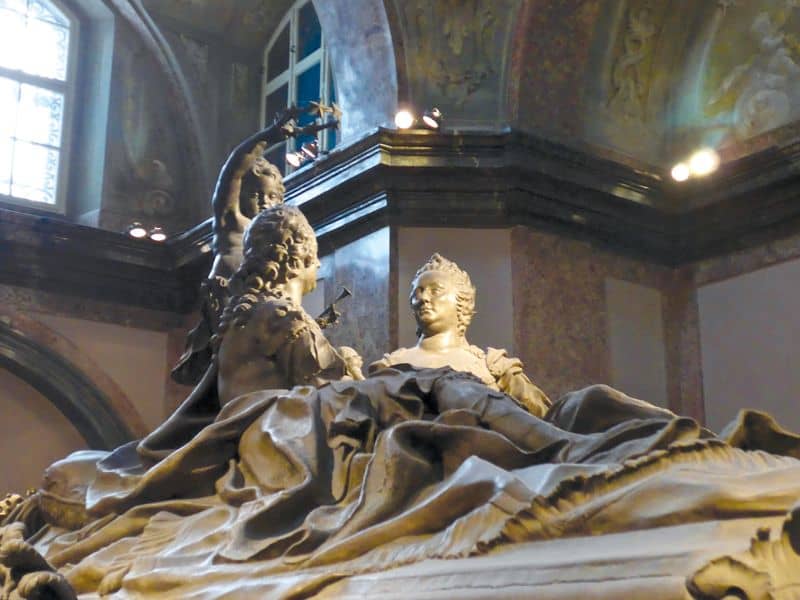
The magnificent double sarcophagus of Maria Theresia and her husband, crafted by Balthasar Ferdinand Moll, stands as a testament to their influence and love.
2. Emperor Franz Joseph I’s Legacy
Franz Joseph I, the longest-reigning emperor, rests here with his legacy enshrined in history.
His reign, marked by modernization and turmoil, culminates in this final resting place.
His sarcophagus, adorned with imperial eagles, symbolizes his enduring influence on the Austrian Empire.
3. The Tragic Empress Elisabeth
Empress Elisabeth, known as Sisi, captivates with her tragic life story.
Adored for her beauty yet tormented by personal struggles, her tomb reflects her allure and sorrow.
The floral designs on her sarcophagus symbolize her elegance and the emotional depths she traversed during her life.
4. Crown Prince Rudolf’s Story
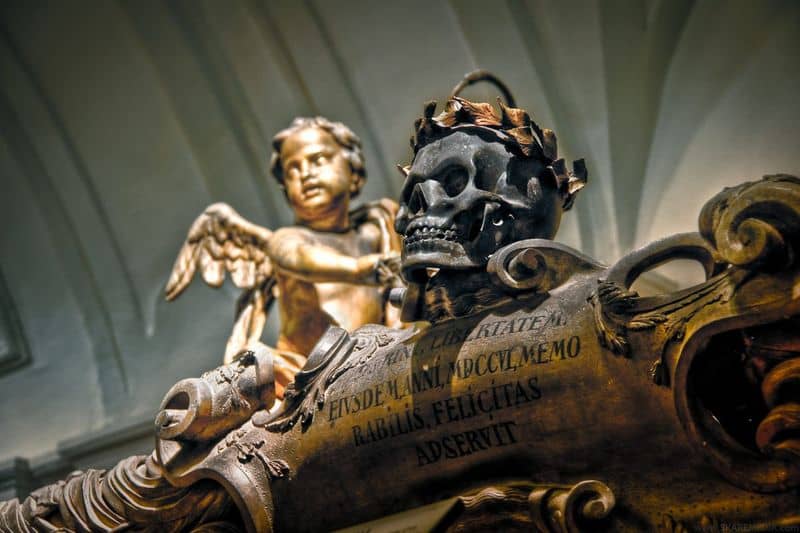
Crown Prince Rudolf, whose life ended in despair, finds eternal peace here. His story of promise and tragedy is encapsulated in his ornate tomb.
The crypt echoes with the poignancy of a life cut short, a reminder of the fragility of hope and destiny.
5. Hearts of the Habsburgs
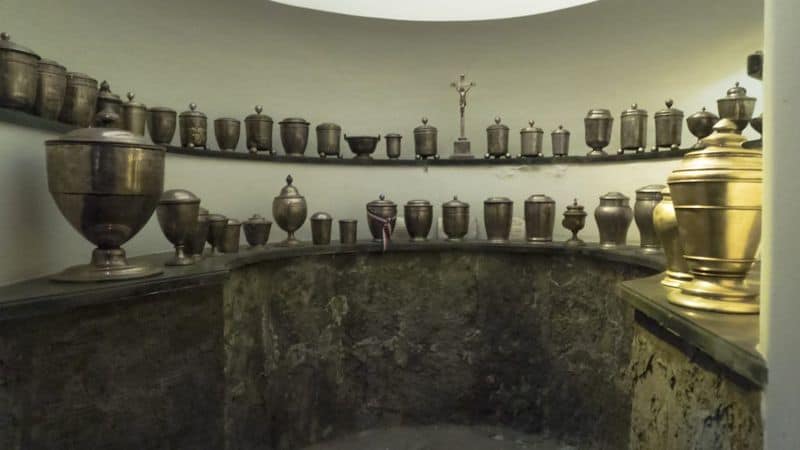
Between 1654 and 1878, Habsburg hearts were interred in the Heart Crypt of the Augustinian Friars.
This unique tradition, rooted in symbolism and reverence, highlights a deep connection to faith and family.
The heart urns, delicately engraved, embody the essence of Habsburg devotion.
6. The Last Royal Farewell
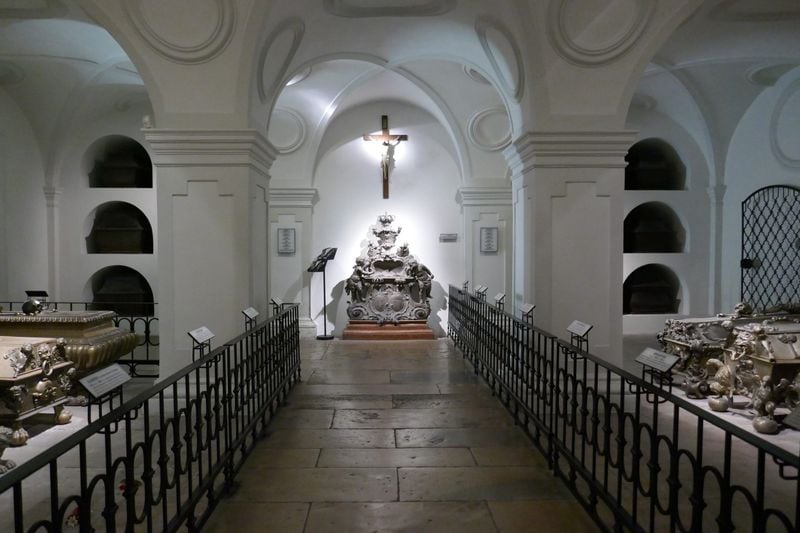
In 2023, Yolande de Ligne‘s burial marked the end of an era.
As the last Habsburg to be interred here, her ceremony bridged past and present, weaving a narrative of continuity and change.
This final farewell underscores the enduring legacy of the Habsburg lineage.
7. Capuchin Monks’ Vigil
The Capuchin monks, custodians of the crypt, maintain its serenity and sanctity. Their continuous vigil ensures that each tomb is treated with respect and care.
The monks’ presence adds a layer of spiritual depth, reminding visitors of the sacredness enveloping this resting place.
8. Artistry of Balthasar Ferdinand Moll
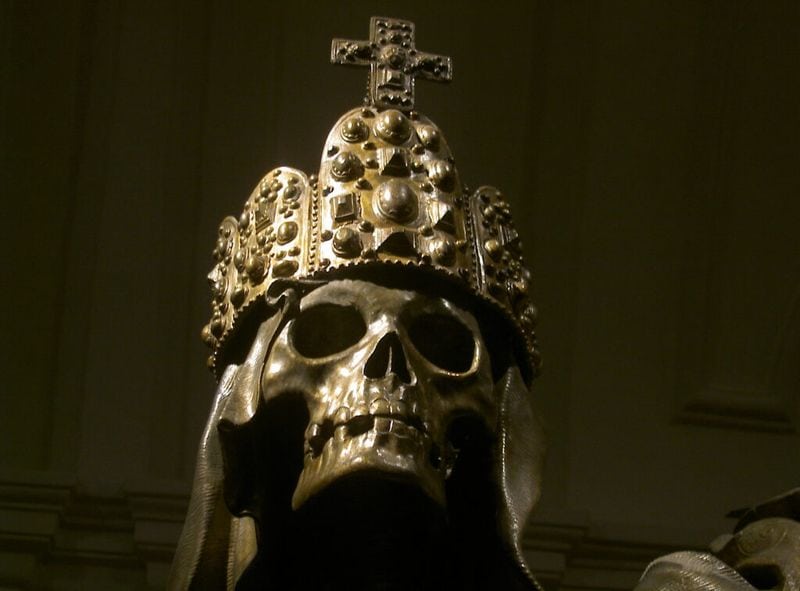
Balthasar Ferdinand Moll’s artistry in crafting the double sarcophagus of Maria Theresia and Franz I Stephan is unparalleled.
His work captures the grandeur and emotion of the era.
The intricate carvings and imposing presence of the tomb are a tribute to his artistic genius and the imperial bond.
9. The Contrast of Simplicity
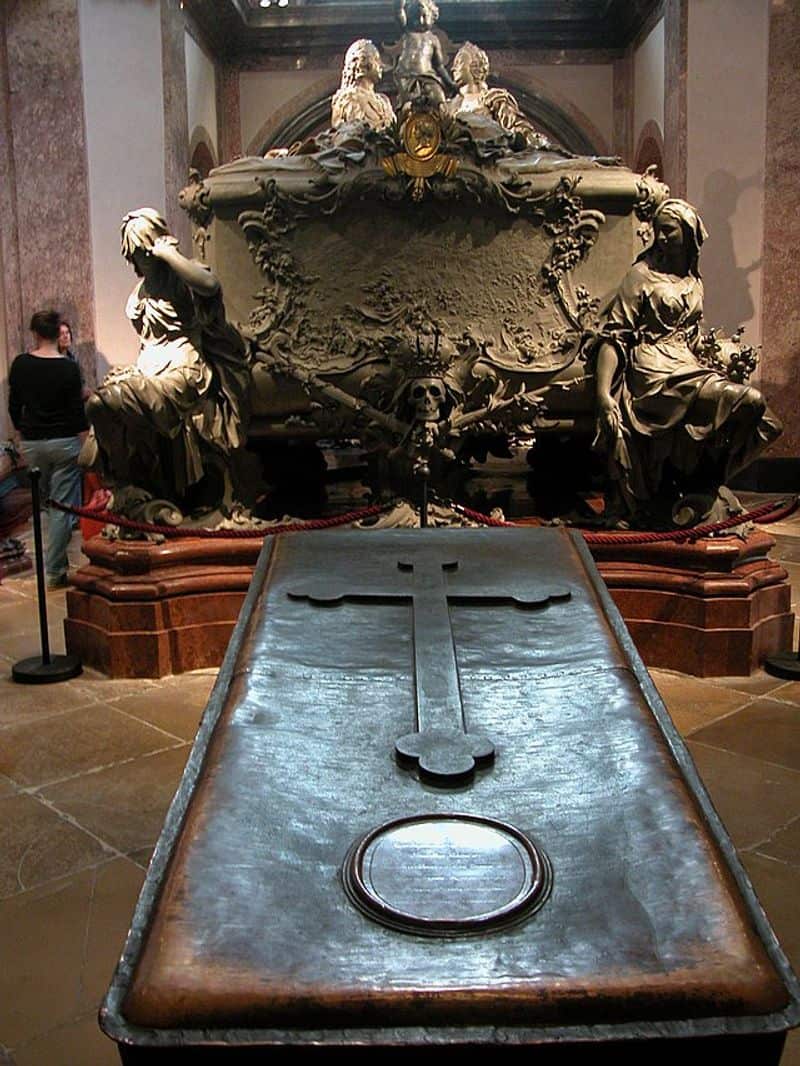
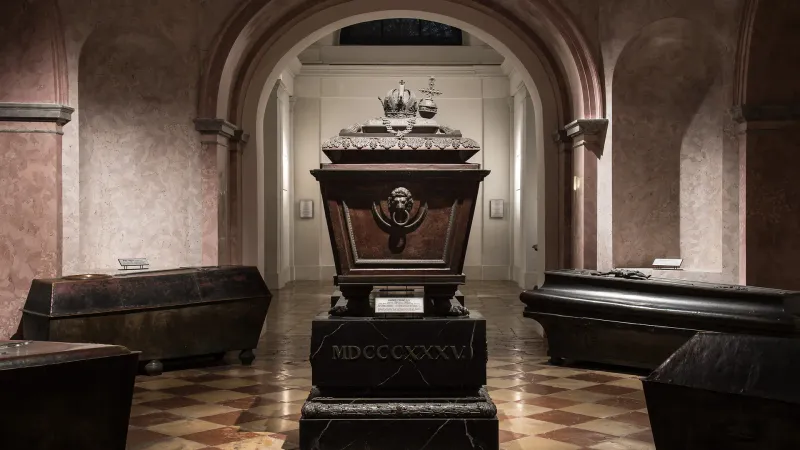
In stark contrast, Emperor Joseph II’s plain sarcophagus reflects his reformist ideals.
Eschewing grandeur, Joseph II chose simplicity, mirroring his progressive policies.
This minimalistic tomb is a beacon of contrast amidst the opulence surrounding it, telling a story of humility and change.
10. A Tapestry of Time
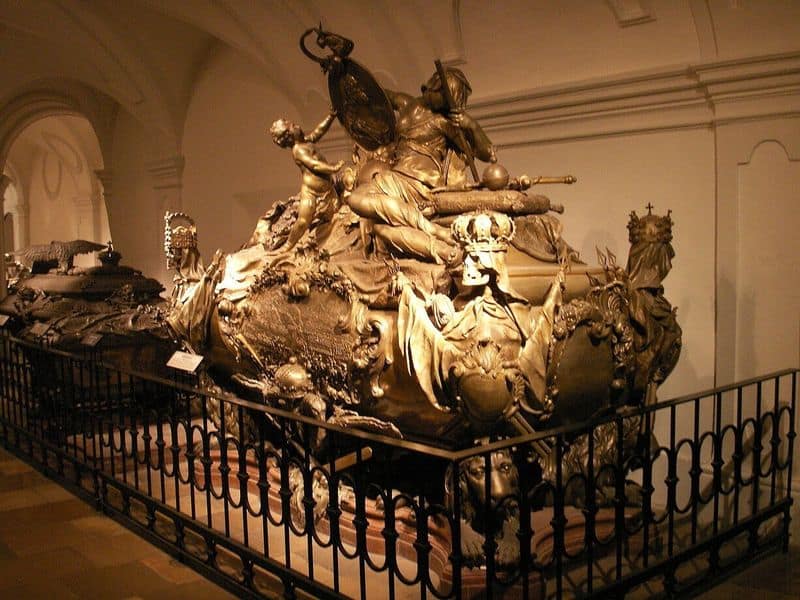
The crypt weaves a tapestry of time, showcasing varied architectural styles.
From ornate baroque to austere simplicity, each tomb narrates a chapter of history.
This mosaic of artistic expression and royal remembrance offers a compelling journey through the epochs of European nobility.