
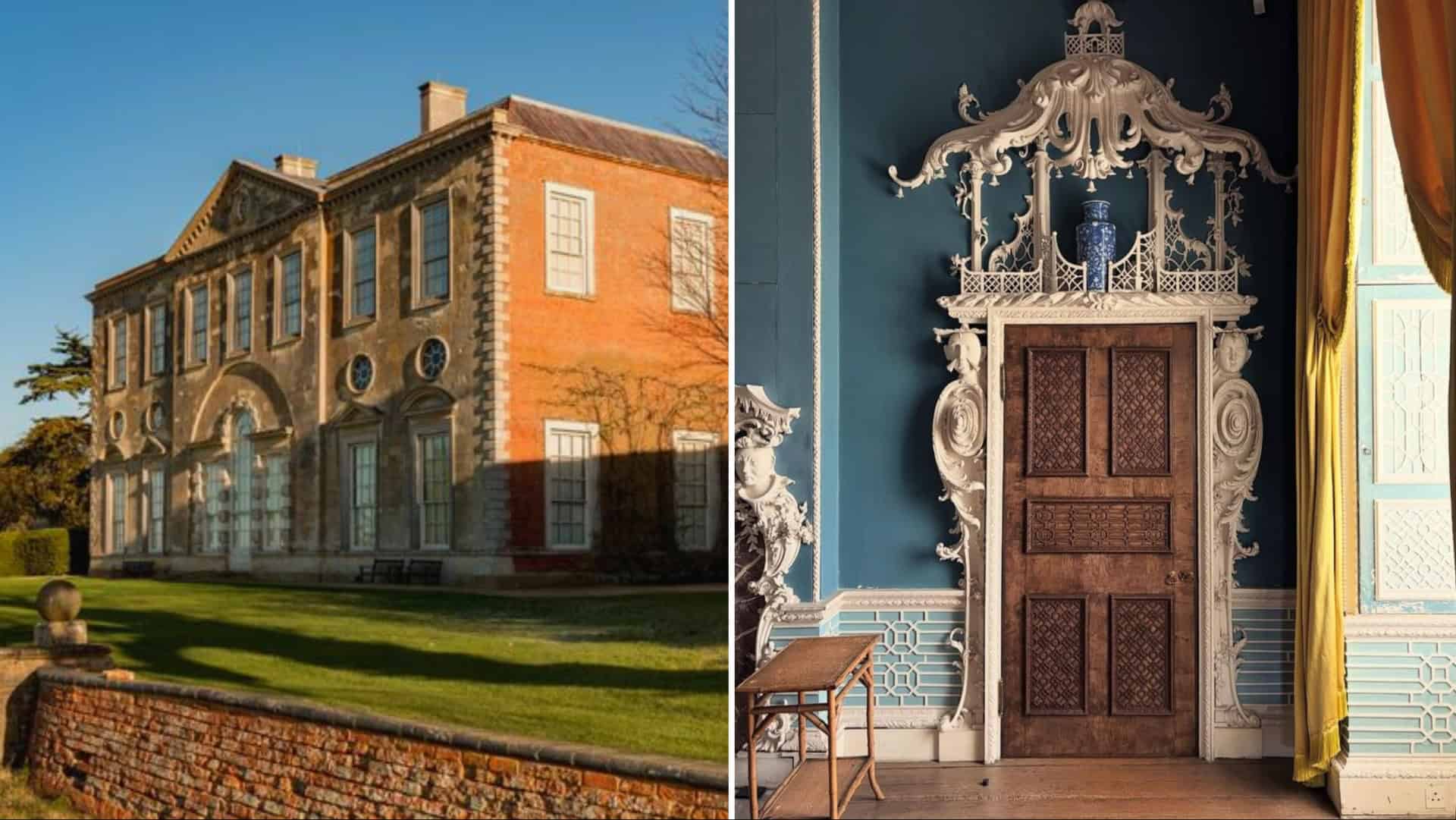
Immerse yourself in the grandeur of Claydon House, a stunning 18th-century country estate that seamlessly blends historical charm with modern marvels.
With a rich history spanning over 400 years, this architectural gem offers a glimpse into England’s aristocratic past while providing a captivating experience for contemporary visitors.
Explore its lavish interiors, picturesque gardens, and intriguing artifacts, and discover why Claydon House feels like a step back in time, only better.
1. The Grand Facade
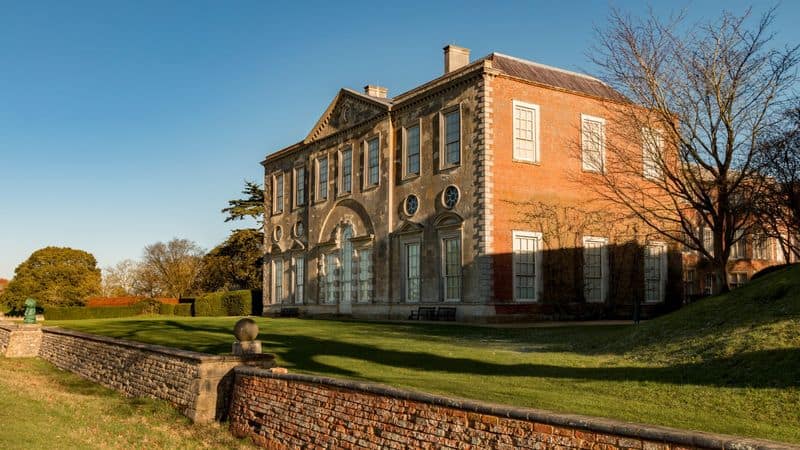
Standing proudly against the horizon, Claydon House’s grand facade showcases the exquisite craftsmanship of the 18th century.
The seven-bay grey cut-stone frontage is a testament to timeless elegance, making it one of the estate’s most eye-catching features.
This magnificent entrance sets the tone for the opulence that awaits inside.
2. Lavish Interiors
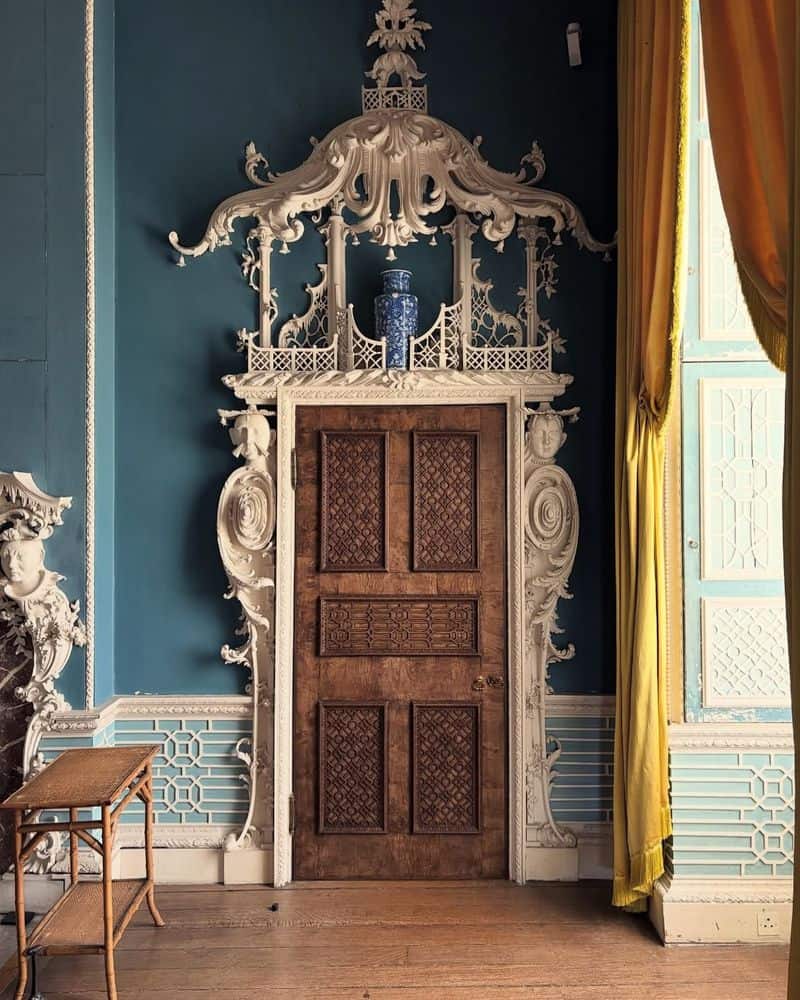
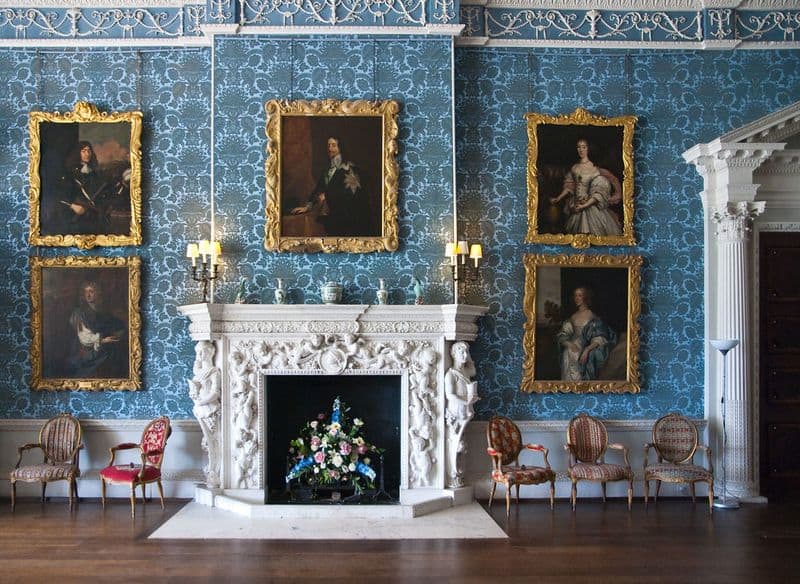
Step inside to find lavish interiors that are nothing short of a visual feast. The ornate wood carvings, unique to Claydon, bring the rooms alive with intricate details.
Every corner tells a story of past grandeur, making the house a living museum of artistry and decadence.
A stroll through these rooms is truly unforgettable.
3. The South Lawn
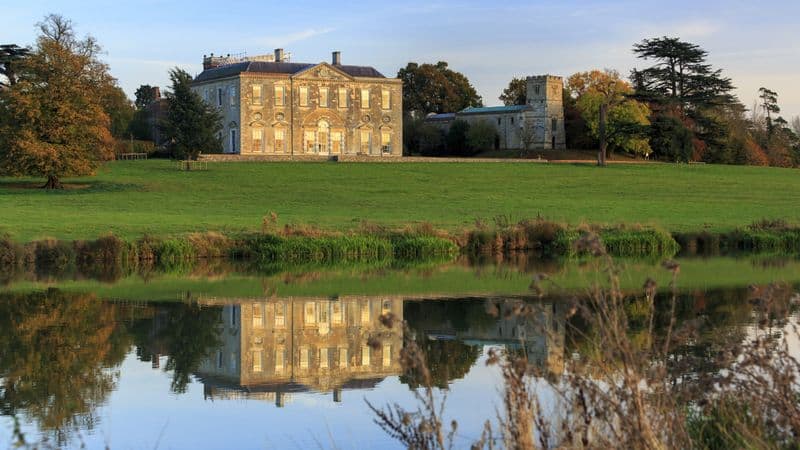
Picture-perfect and peaceful, the South Lawn is an idyllic spot for a leisurely picnic.
The expansive green space, part of the National Trust, offers a serene escape amidst the historic surroundings.
Whether you’re lounging with a book or enjoying a meal, this area invites relaxation and reflection.
4. Florence Nightingale’s Influence
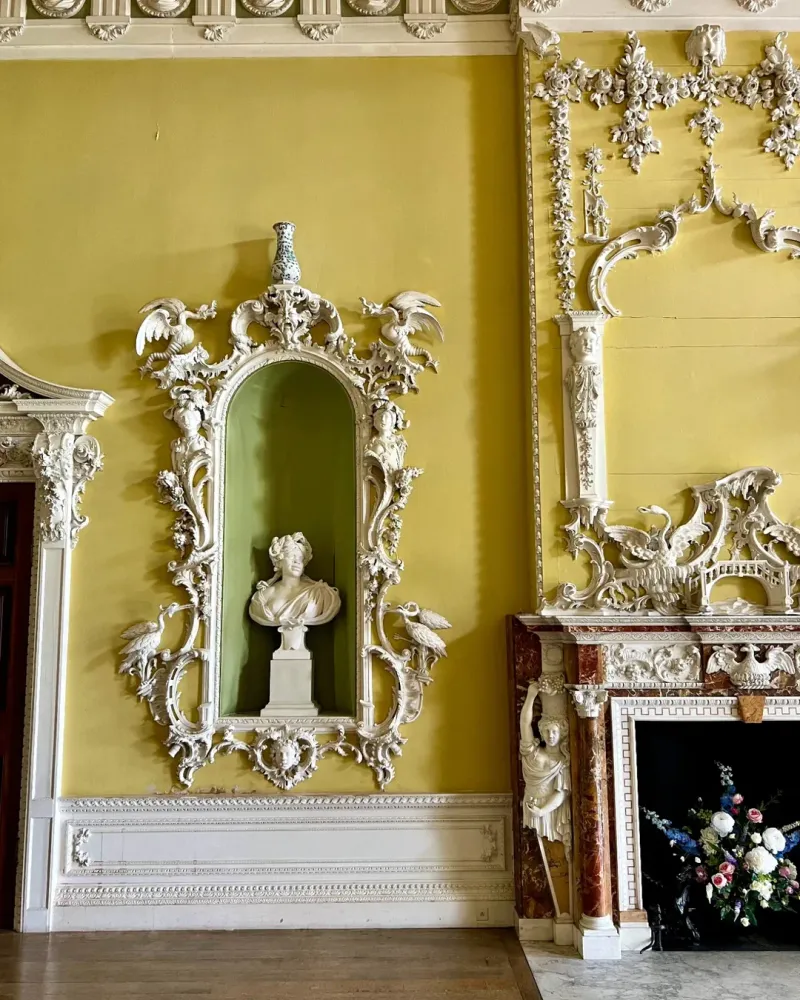
Florence Nightingale’s connection to Claydon House adds a unique layer to its storied history.
Her bedroom, preserved with historical artifacts, offers insight into her life and times.
Visiting this room is like stepping into the past, offering a personal glimpse into the life of the iconic nurse.
5. The Historical Museum Room
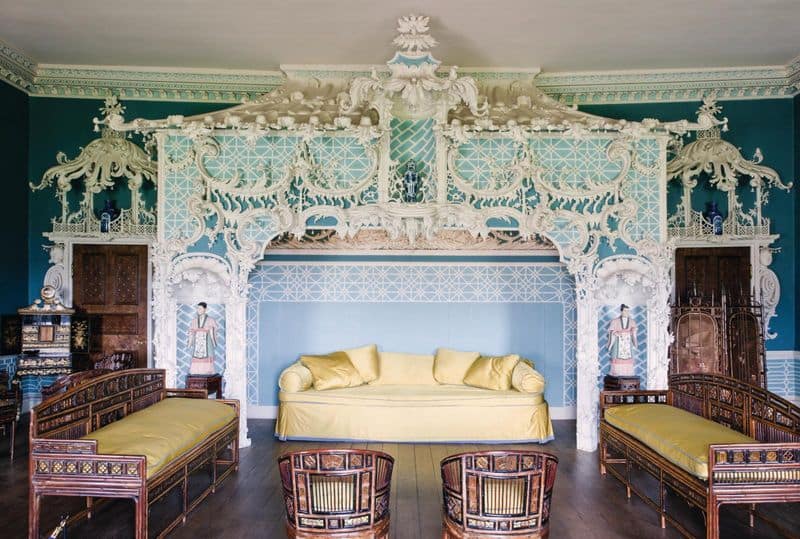
Home to an eclectic collection, the museum room at Claydon House boasts artifacts from the Crimean War, ancient textiles, and a remarkably preserved Javanese gamelan.
Each item tells its own story, making this room a treasure trove for history enthusiasts. The collection paints a vivid picture of cultural and historical richness.
6. Architectural Evolution
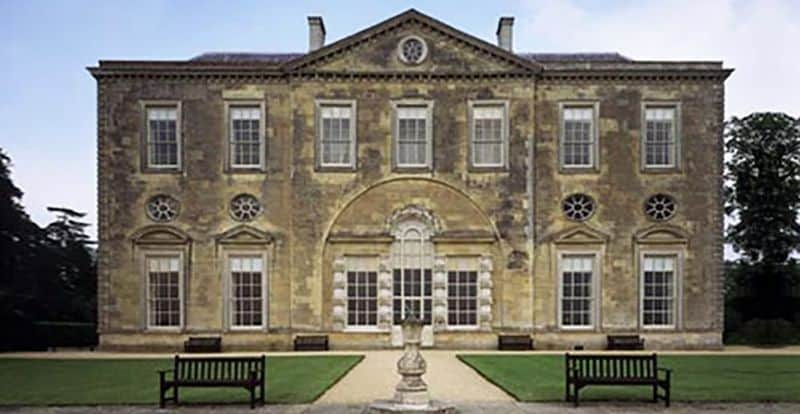
Claydon House’s architectural evolution is a fascinating journey through time.
Originally featuring a domed rotunda, the design has seen various changes, including Victorian enhancements.
This blend of styles makes the house a visual timeline of architectural trends, reflecting the changing tastes and innovations over centuries.
7. Luke Lightfoot’s Craftsmanship
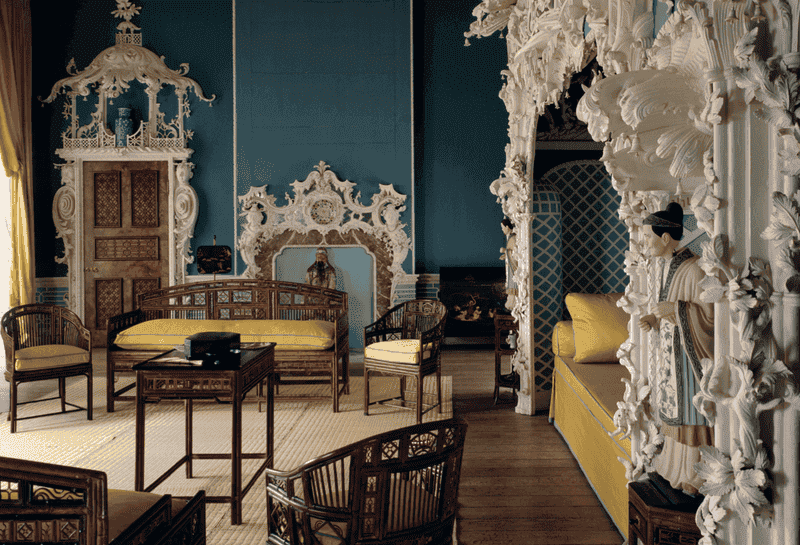
Luke Lightfoot’s exceptional craftsmanship is immortalized in the intricate carvings found throughout Claydon House.
Particularly noteworthy are the painted wood carvings in the Chinese Room, showcasing his artistic prowess.
These masterpieces add a unique flair to the house, reflecting the skill and creativity of this 18th-century artisan.
8. The Courtyard Experience
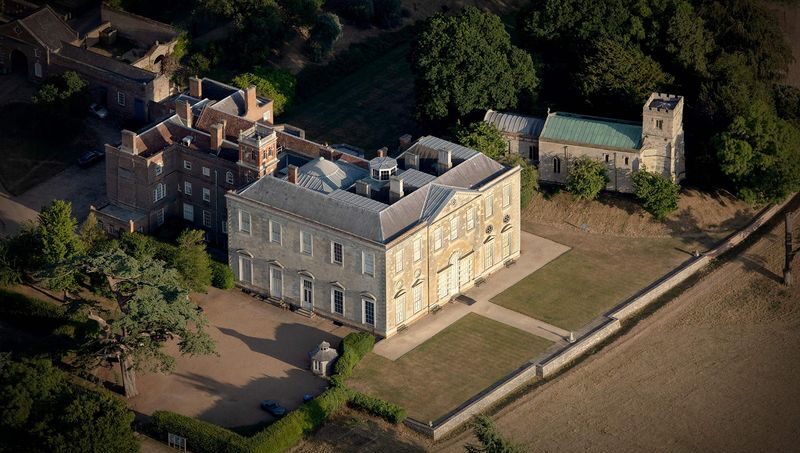
Claydon Courtyard offers a delightful experience with its charming shops and dining options.
Surrounded by the historical ambiance of the 18th-century estate, visitors can enjoy shopping for local crafts or relaxing with a meal.
It’s a vibrant hub that complements the rich history of Claydon House.
9. The Phoenix Kitchen

Nestled within the estate, the Phoenix Kitchen is a culinary gem offering fresh, wholesome fare.
Open Thursday to Monday, it serves delicious meals in a cozy setting.
With a menu that caters to all tastes, this eatery enhances the overall Claydon experience, combining history with modern dining pleasures.
10. The Verney Legacy
The Verney family’s enduring legacy is woven into the very fabric of Claydon House.
With roots dating back to 1620, the family’s history is marked by resilience and influence, from the English Civil War to connections with notable figures like Florence Nightingale.
This rich heritage adds depth to the Claydon narrative.