

Explore the fascinating history and cultural significance of the Captain General Palace in Cuba.
This architectural marvel, located in the heart of Angra do Heroísmo, has witnessed centuries of political, cultural, and social transformations.
Discover its rich past, from its Jesuit origins to its role in the Liberal Monarchy, and its continuing legacy as a symbol of Cuban heritage.
1. Jesuit Origins
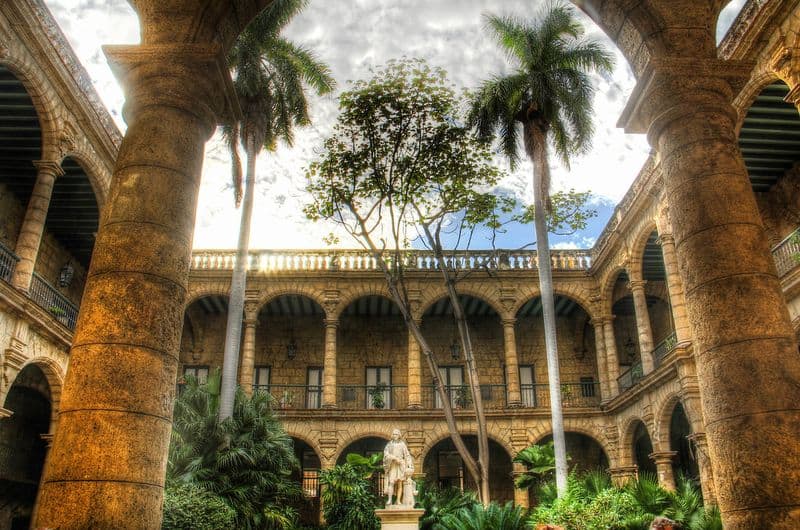
Authorized by King Sebastião in 1572, the Captain General Palace was initially conceived as a convent and school by the Jesuits.
This historic foundation aimed to educate and catechize, reflecting the primary mission of the Jesuit arrival on the island.
The building stands as a testament to its educational and religious origins.
2. Transformation into a Palatial Residence
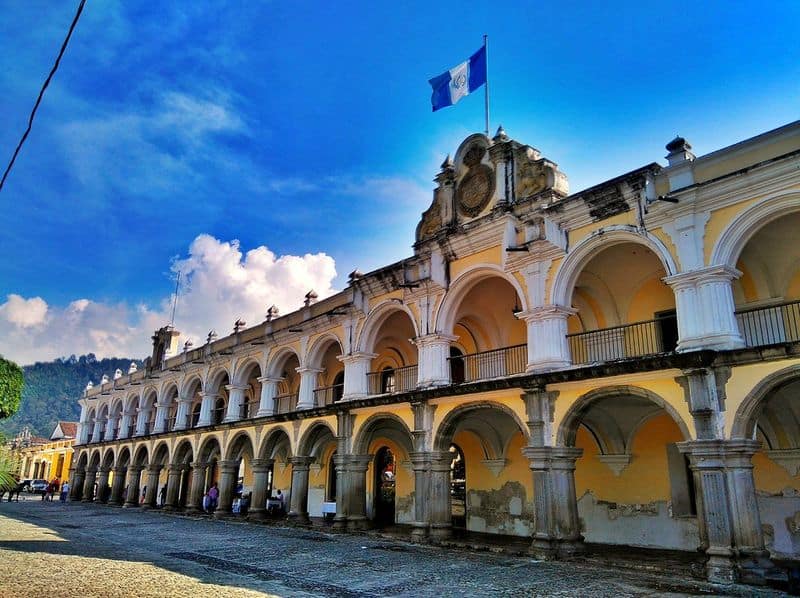
Following the Jesuits’ expulsion in 1760, the building was transformed into a palatial residence during the Captaincy General’s term.
This conversion marked a new chapter, as the former college evolved into a grand residence, embodying the administrative, civil, and judicial functions assigned to Angra by the Marquis of Pombal.
3. Artistic Treasures Inside
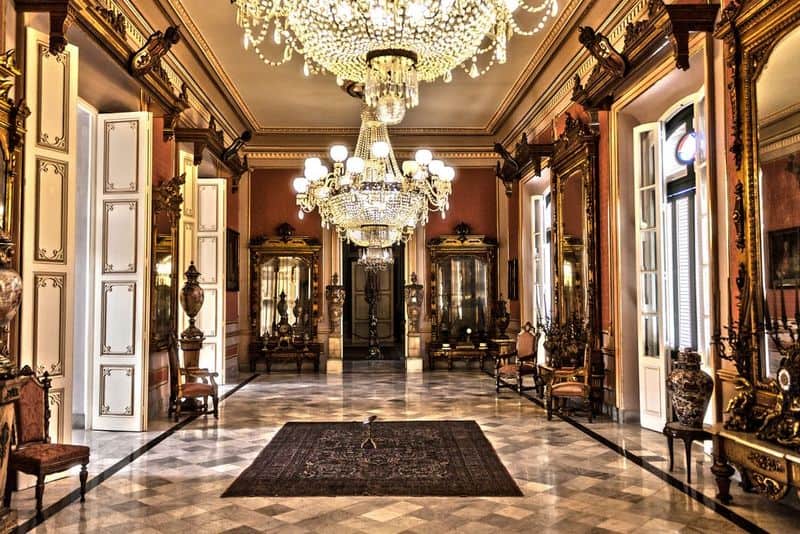
Stepping inside the palace reveals a trove of artistic treasures, including remarkable tiles, paintings, and sculptures.
The collection showcases an array of historical artifacts, each piece narrating a different part of the palace’s storied past.
These artistic elements contribute to the palace’s status as a Monument of Public Interest.
4. Cultural Gatherings and Events
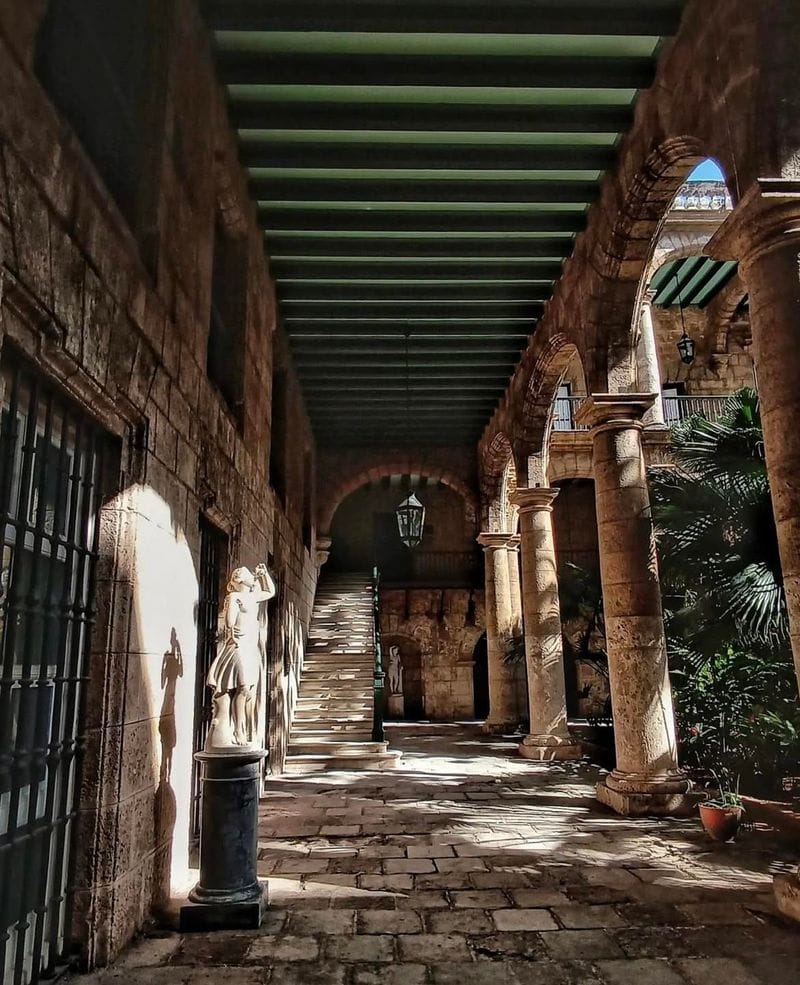
From its balcony, high-ranking officials and their families observed cultural events and ceremonies in the square.
The palace’s strategic location allowed it to host gatherings that celebrated Cuban traditions, enhancing its cultural significance.
This tradition of hosting continues to influence its legacy today.
5. Hall of the Kings
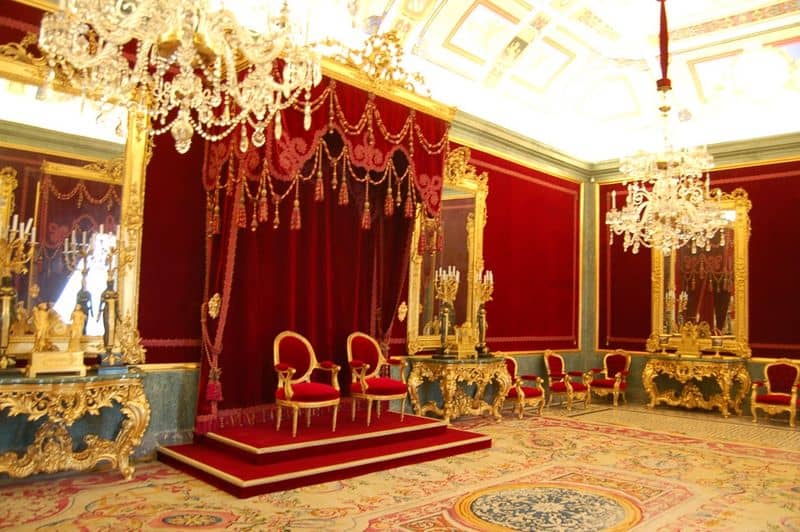
The Hall of the Kings stands out for its life-size portraits of the Braganza Dynasty monarchs.
Known also as the Hall of Faces and Ballroom, it hosted splendid events, including a grand ball by Pedro IV in 1832.
This hall remains a focal point of grandeur and historical significance within the palace.
6. Royal Palace Occasions
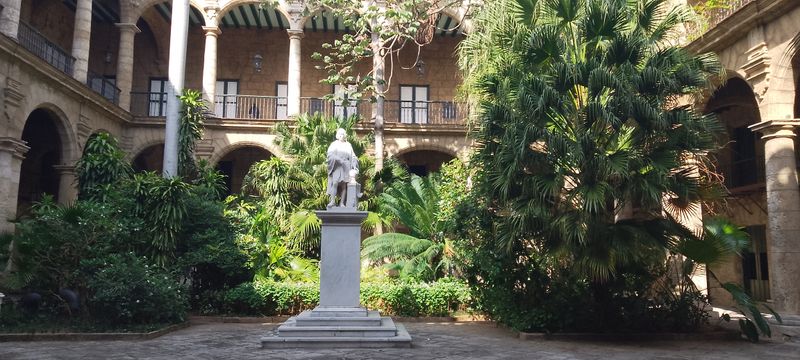
Serving as a royal palace twice, in 1832 and 1901, the building witnessed pivotal moments during the reigns of King Pedro IV and King Carlos I.
These occasions highlighted the palace’s importance in royal and political spheres, reinforcing its role as a venue for significant historical events and gatherings.
7. Building Evolution Post-Earthquakes
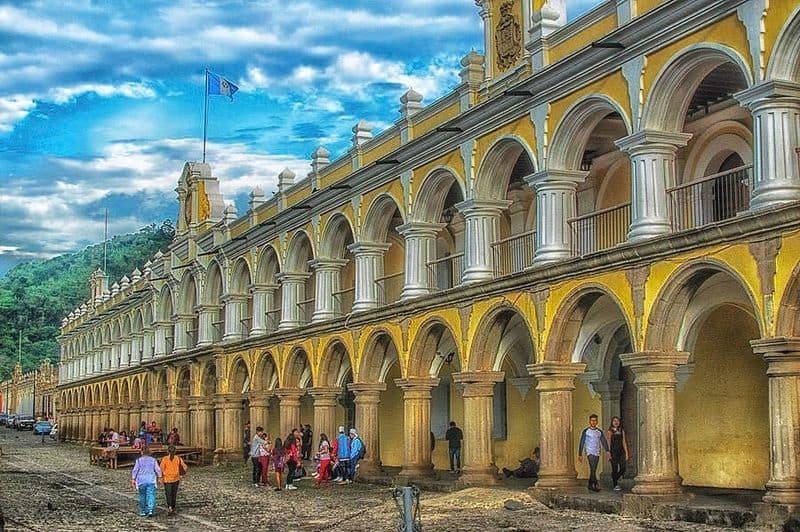
The palace underwent substantial reconstruction following earthquakes in 1751 and 1761.
The refurbishment, completed in 1764, introduced new architectural features like the iconic 54 arches.
This evolution reflects the resilience and adaptability of the structure, incorporating lavish decorations, portraits, and woodcarvings.
8. Impact of the 1773 Earthquake
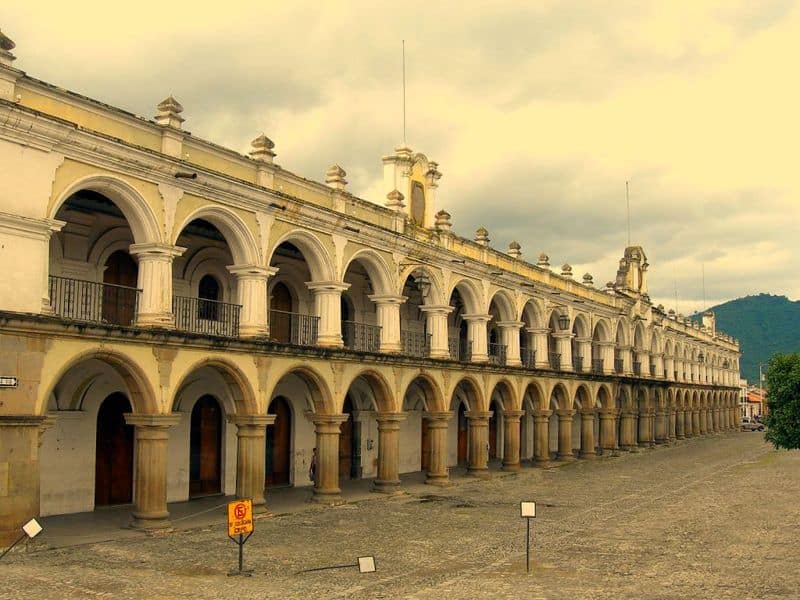
The 1773 earthquake severely damaged the palace, leading to Antigua’s capital relocation.
The devastation resulted in the palace being gutted, leaving stone columns behind.
This historical upheaval underscores the seismic challenges faced by the region and the building’s subsequent role in architectural resilience.
9. Restoration Efforts and UNESCO Legacy
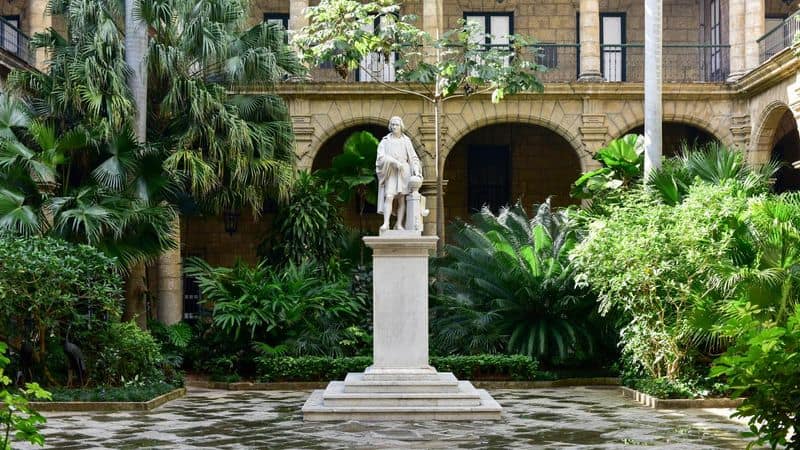
Efforts in 1890 and later after 1979, when Antigua became a UNESCO World Heritage Site, focused on restoring the palace’s original appearance.
These initiatives preserved its historical essence while ensuring its cultural and architectural legacy.
Today, it houses the Museo Nacional de Arte Guatemalteco, celebrating its storied past.
10. Museo Nacional de Arte Guatemalteco
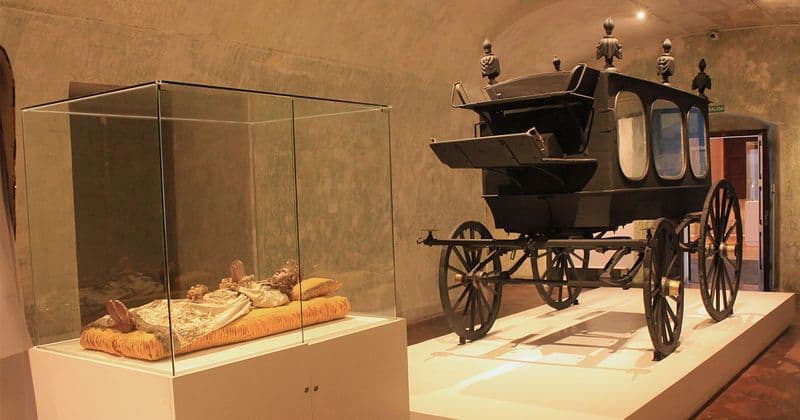
Housed within the palace, the Museo Nacional de Arte Guatemalteco offers a glimpse into the rich artistic heritage preserved within its walls.
Visitors can explore diverse exhibits that narrate the history and cultural evolution of the region. The museum stands as a beacon of cultural preservation and education.