

Explore whether a porch or veranda suits your lifestyle by examining key differences, pros, and cons.
This guide outlines 10 important facts, helping you decide between these two popular outdoor spaces.
1. Location Differences
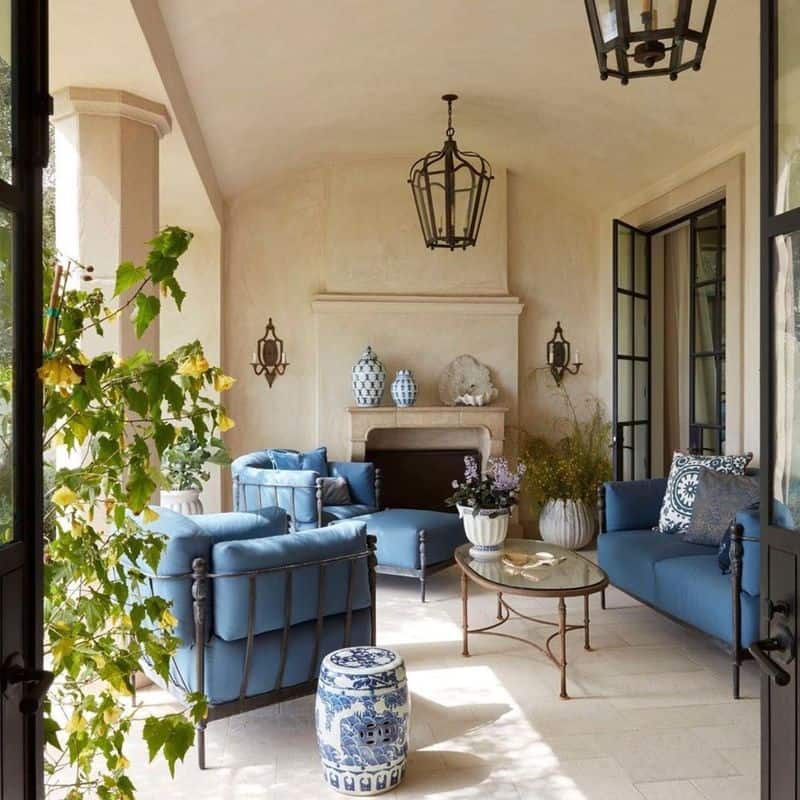
A veranda usually wraps around the front and sides of a house, providing more extensive coverage.
In contrast, a porch is generally attached directly to the entrance, often at the front.
This difference influences the overall usage and aesthetic. Imagine sipping coffee on a sunny veranda versus greeting neighbors at a quaint porch.
2. Structural Design
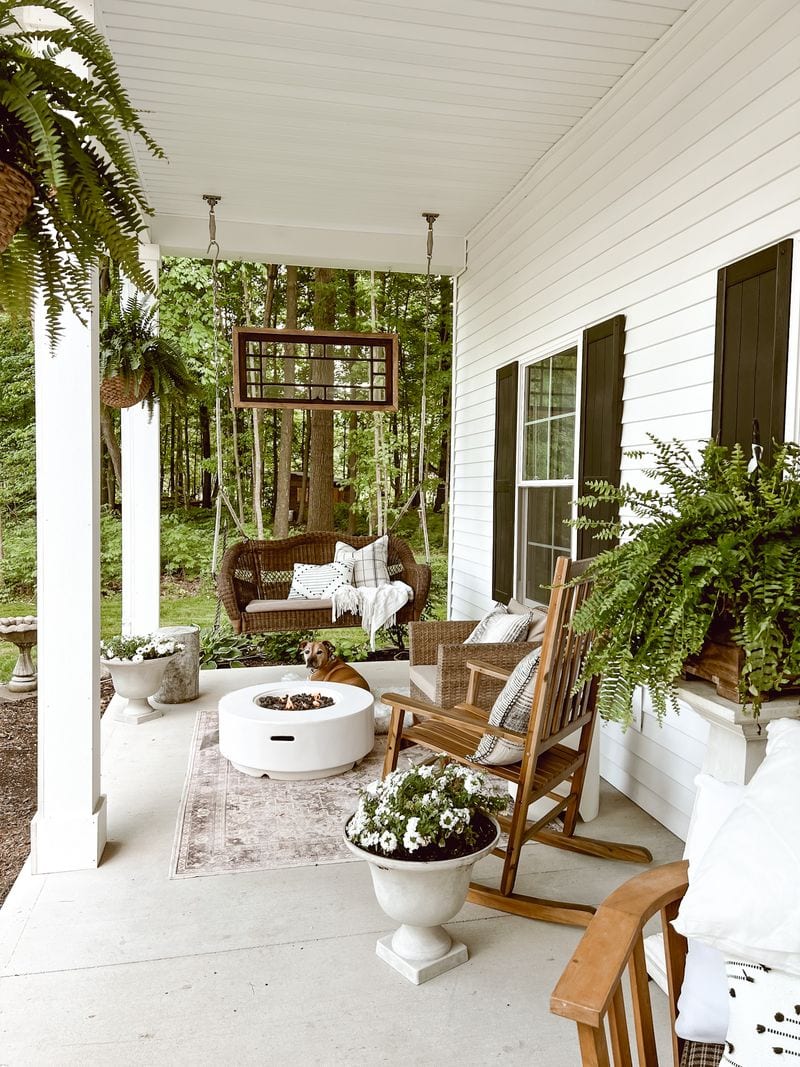
Verandas are often spacious, offering room for various seating arrangements or leisure activities.
Porches, however, are typically smaller, designed as entryways or cozy stoops. The structural differences impact their functional capabilities.
Consider hosting a gathering on a veranda or enjoying quiet solitude on a porch.
3. Architectural Styles

Verandas are common in Southern and colonial architecture, adding elegance and space.
Porches, meanwhile, feature prominently in American and colonial styles, emphasizing traditional charm.
These architectural choices reflect cultural influences and personal preferences in home design.
4. Coverage and Protection
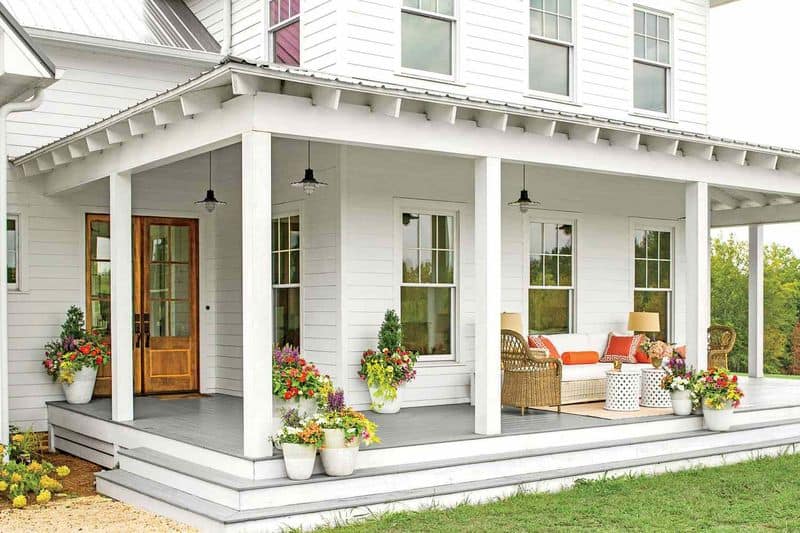
Verandas often boast full or partial roofing, providing excellent protection from weather elements.
Porches may feature smaller roofs or even be uncovered, offering less shelter.
This distinction affects their usability during different weather conditions, such as rain or intense sun.
5. Purpose and Functionality

Verandas serve as spaces for leisure and social gatherings, ideal for outdoor dining.
Porches act as welcoming zones, perfect for greeting visitors or relaxing briefly. Each structure fulfills a unique role, impacting how homeowners utilize these outdoor areas.
6. Veranda Pros and Cons

Verandas increase property value, provide shade, and offer a private retreat. However, they often incur higher construction and maintenance costs.
The need for permits and the potential to block natural light pose additional challenges. Balancing benefits and drawbacks is key.
7. Porch Pros and Cons
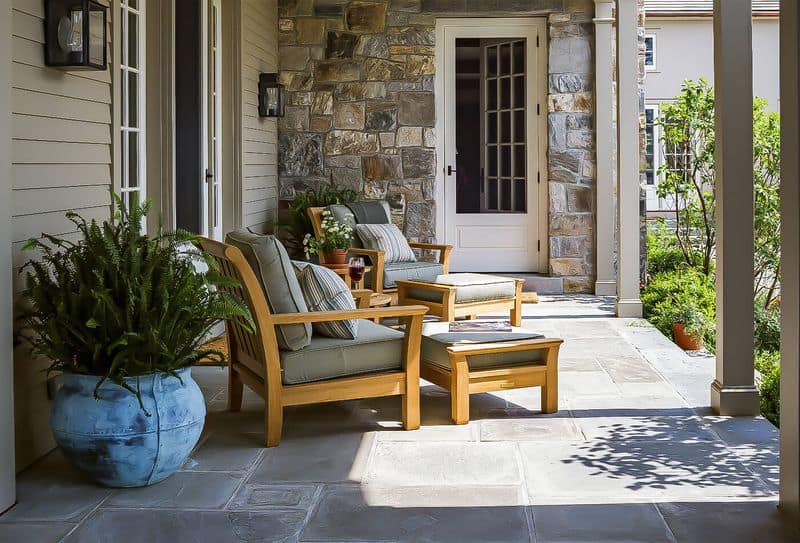
Porches enhance curb appeal and serve as welcoming spaces. They are inexpensive to build and easy to maintain.
However, their smaller size limits functionality, offering less privacy and weather protection compared to verandas.
Their simplicity can be both a strength and a downside.
8. Veranda’s Architectural Appeal

Verandas add significant architectural interest, often enhancing a home’s elegance.
Their presence can reflect historical influences and provide a seamless indoor-outdoor transition.
Designing a veranda that complements the house’s style can elevate its visual appeal immensely.
9. Porch’s Cultural Significance
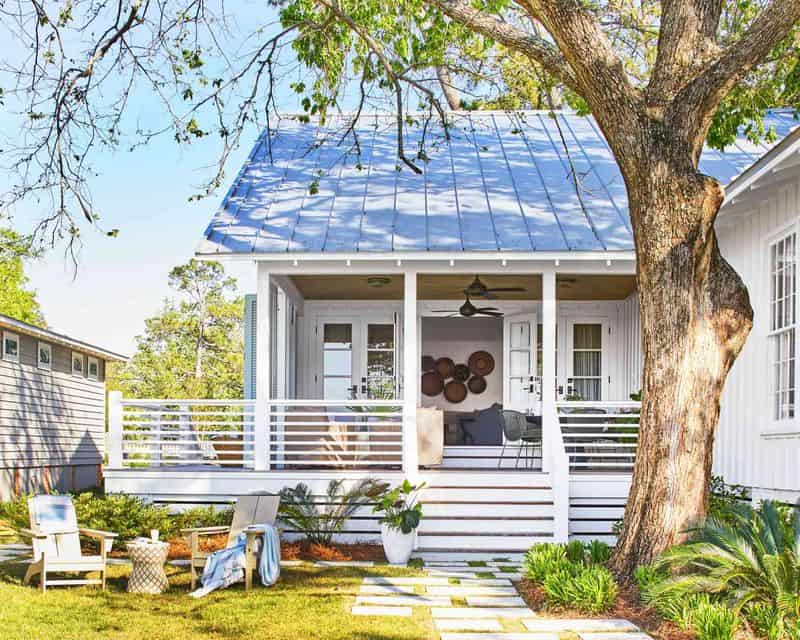
Porches hold cultural significance, especially in American architecture, symbolizing hospitality and tradition.
Their design often invites social interaction and reflects community values.
Despite being smaller, porches play a vital role in enhancing a home’s character and welcoming atmosphere.
10. Cost Considerations
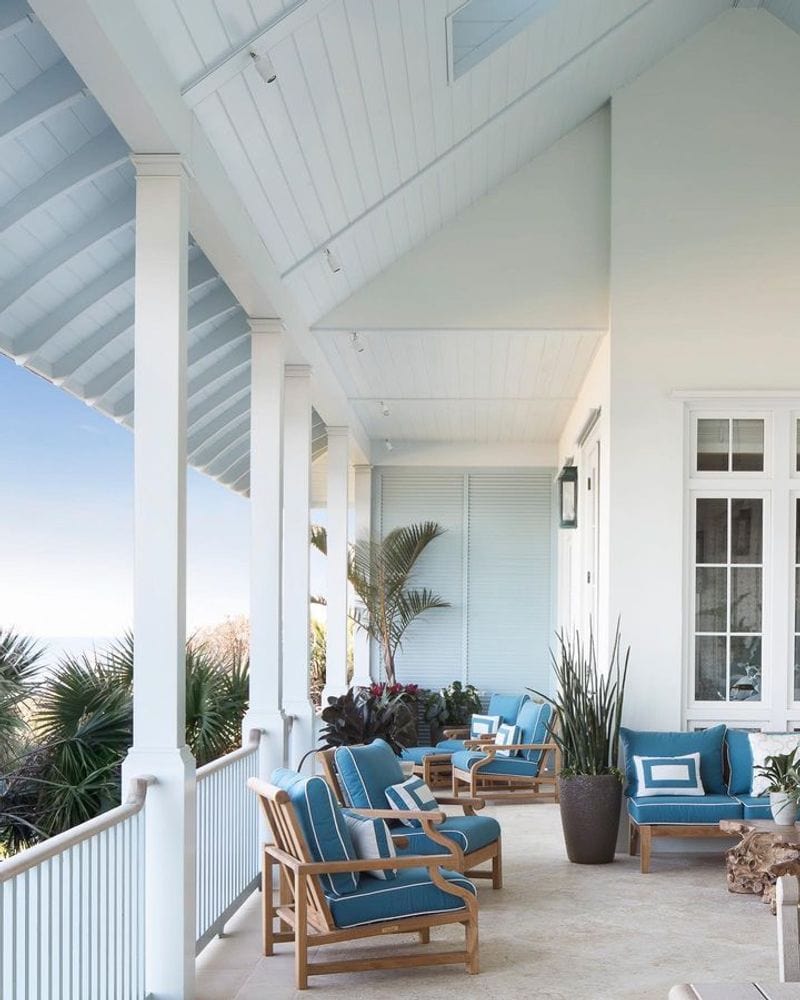
Building a veranda typically involves higher costs due to size and complexity, while porches offer a more budget-friendly option.
Maintenance requirements also differ, with verandas needing more frequent upkeep.
Understanding these financial aspects helps homeowners make informed decisions that align with their budgetary constraints.