
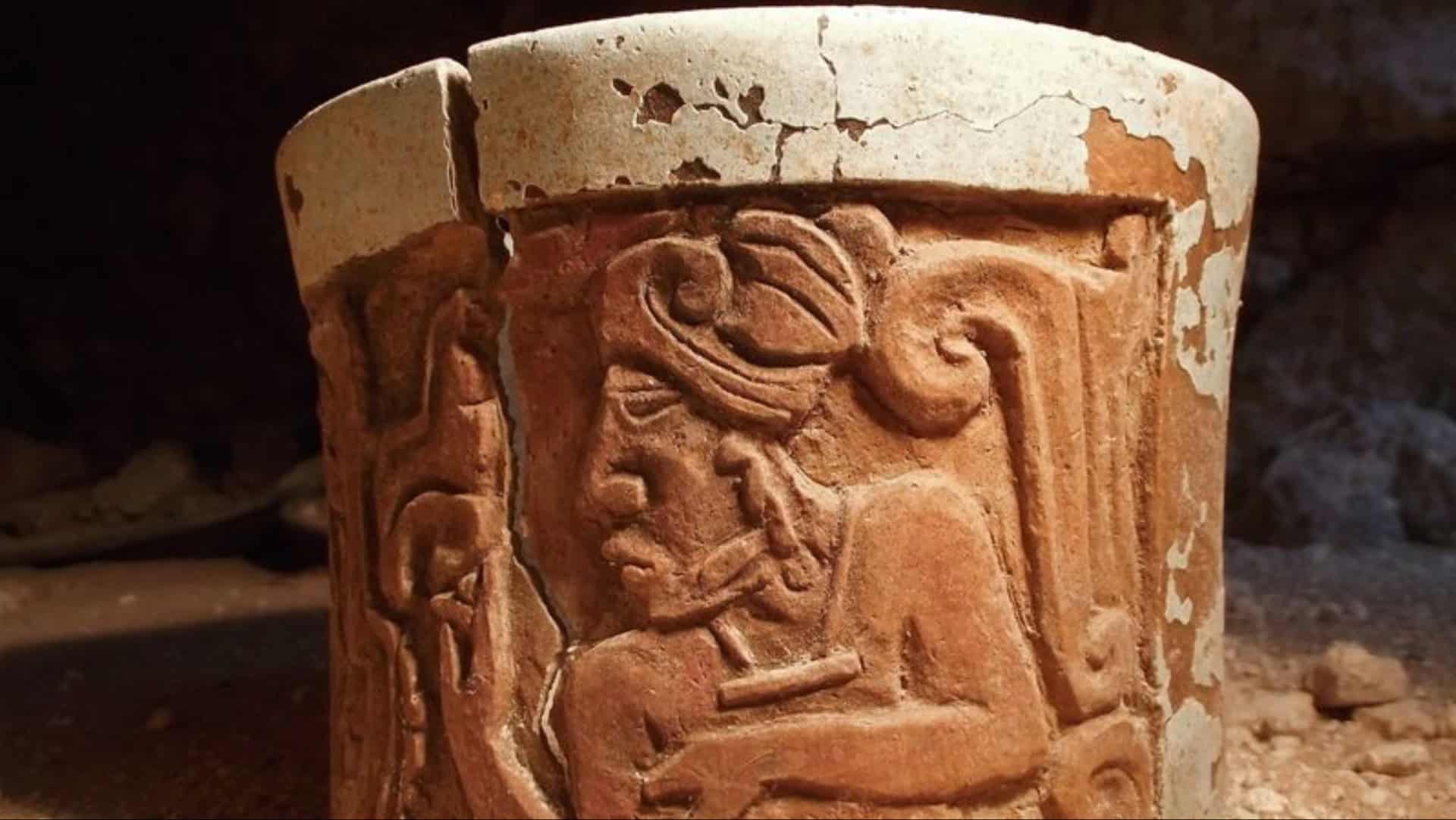
Over 1,500 years ago, the Maya city of Caracol thrived in what is now Belize.
In the mid-20th century, explorers rediscovered its ruins.
Recently, researchers unearthed a royal tomb, unveiling treasures and tales of Te K’ab Chaak, Caracol’s first ruler.
This discovery provides a fascinating glimpse into ancient Maya culture and society.
1. The Maya City of Caracol
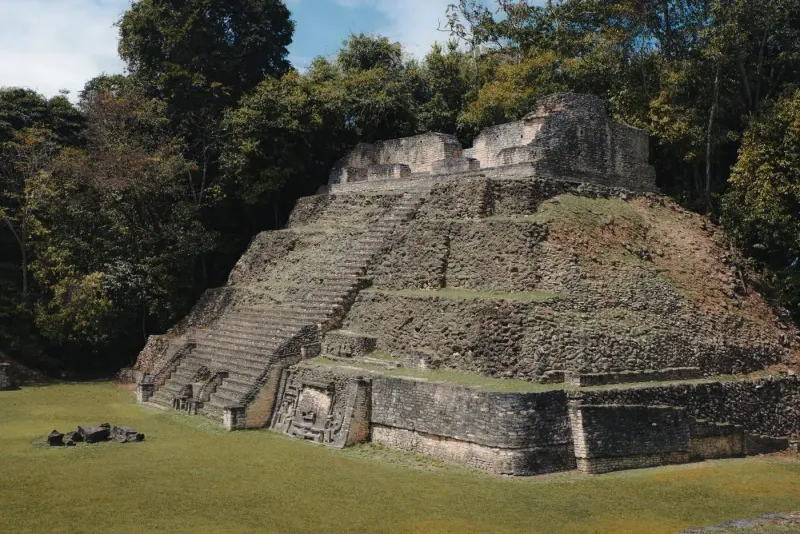
Caracol, once an influential Maya city, thrived over 1,500 years ago in Belize’s lush forests.
Rediscovered in the 20th century, its vast ruins include pyramids and monuments, offering a window into Maya civilization.
At its prime, Caracol was a major cultural and political hub. Its remnants continue to captivate archaeologists today.
2. Discovery of Royal Tomb
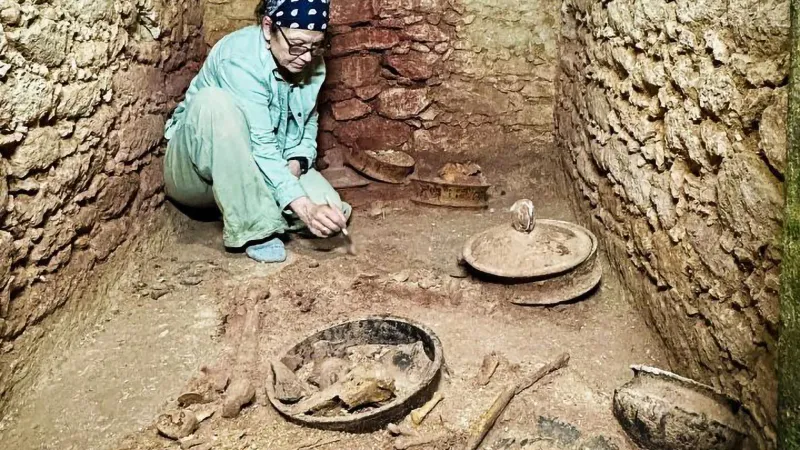
For the first time, a royal tomb was found in Caracol by University of Houston researchers.
Hidden for centuries, this tomb belonged to Te K’ab Chaak, the city’s first known ruler.
This historic find sheds light on Maya burial practices, revealing the opulence and reverence afforded to their leaders.
3. Te K’ab Chaak: First Ruler
Te K’ab Chaak rose to prominence in 331 C.E. during the Maya Early Classic period. Considered a warrior king, he was deeply involved in trade.
The artifacts found in his tomb, including jade jewelry and elaborate pottery, suggest his wealth and power.
His legacy laid the foundation for a dynasty lasting over 460 years.
4. Treasures Unearthed
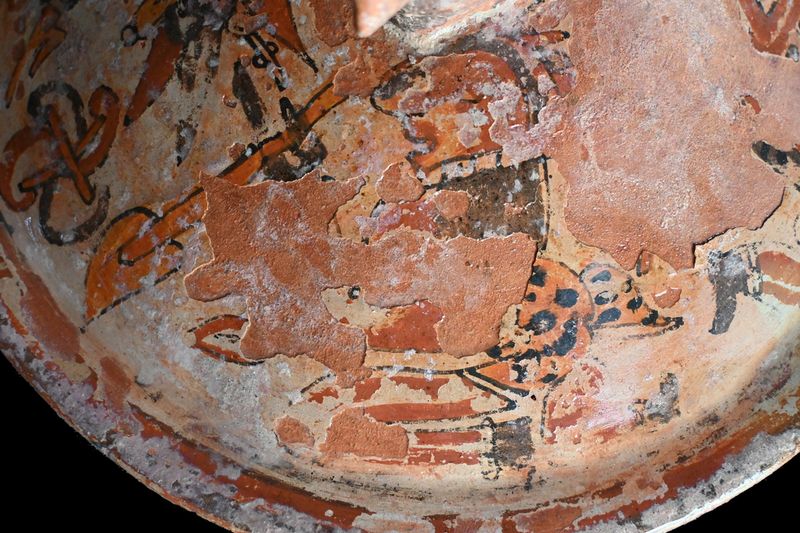
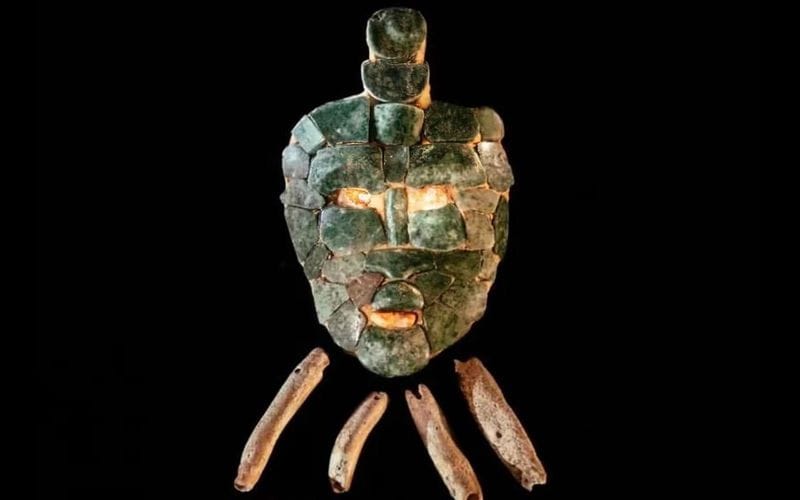
The tomb was filled with treasures: carved bone tubes, jadeite jewelry, and a mosaic death mask.
These artifacts highlight the luxurious lifestyle of Maya royalty. Among the pottery, a vessel with a coatimundi lid stands out.
Such opulent grave goods indicate Te K’ab Chaak’s high status and significant influence.
5. Maya Burial Practices
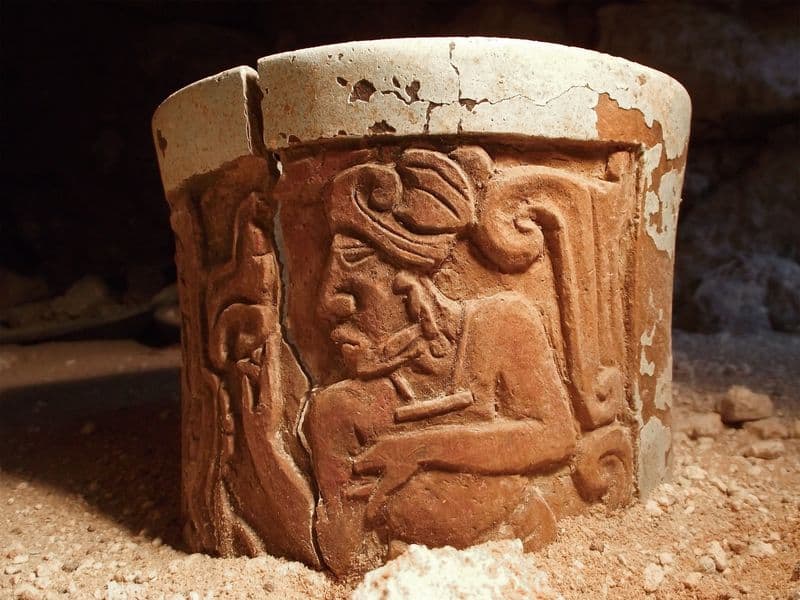
Maya burial customs are illuminated through this tomb’s findings. The use of red cinnabar hints at the high status of the buried individual.
Artifacts like jade earflares and symbolic pottery depict the spiritual beliefs and social hierarchies of the Maya.
These practices underscore the intricate connection between life and death in Maya culture.
6. Intricate Pottery Designs
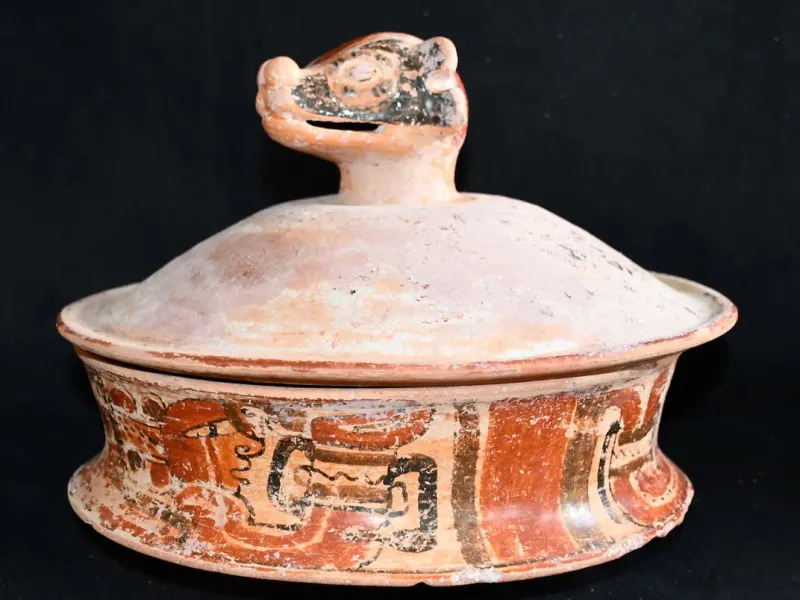
The pottery in Te K’ab Chaak’s tomb was exceptional, featuring elaborate designs. One vessel’s lid, shaped like a coatimundi, captures attention.
Other pots depict a hummingbird, a monkey, and a ruler with a spear.
These artistic expressions reflect the creativity and symbolism embedded in Maya ceramics, showcasing their advanced craftsmanship.
7. Symbolism in Artifacts
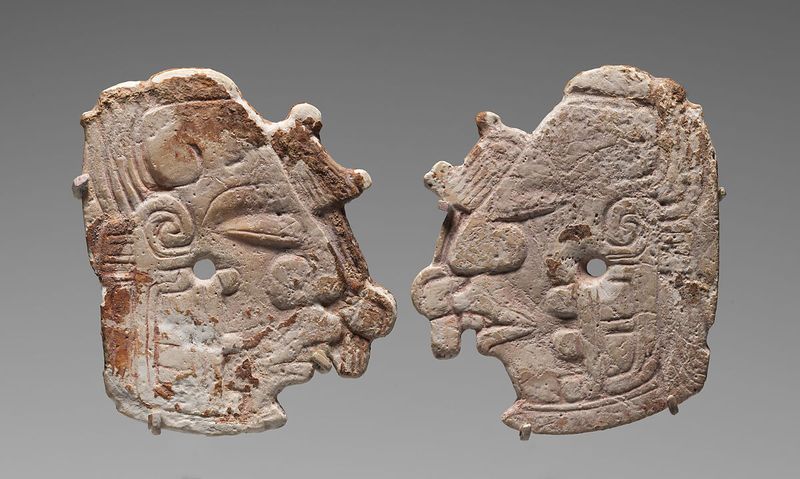
Artifacts in the tomb are rich with symbolism. A vessel portraying Ek Chuah, the god of trade, highlights the importance of commerce.
The mosaic death mask and other items illustrate the spiritual and material wealth of Maya rulers.
These symbols offer insight into the values and beliefs that shaped Maya governance and society.
8. Physical Remains Analysis
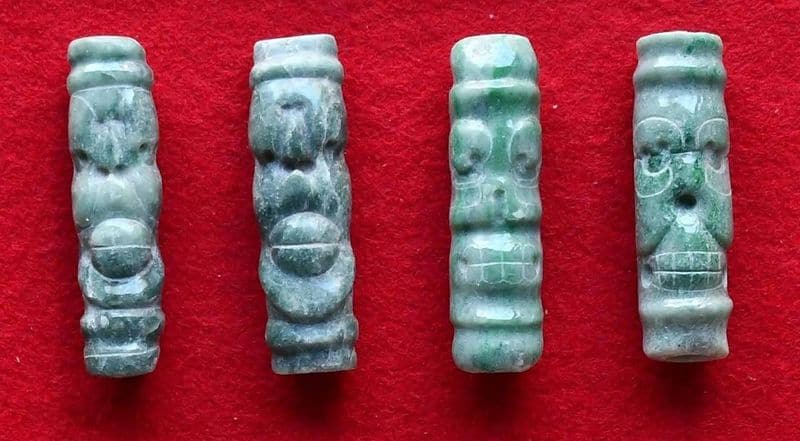
Within the tomb, a toothless skull and bones were discovered, likely belonging to Te K’ab Chaak. The analysis suggests he stood around five-foot-seven.
Studying these remains provides clues about the health, lifestyle, and stature of Maya leaders.
This physical evidence complements the wealth of artifacts in understanding their lives.
9. Significance of Red Cinnabar
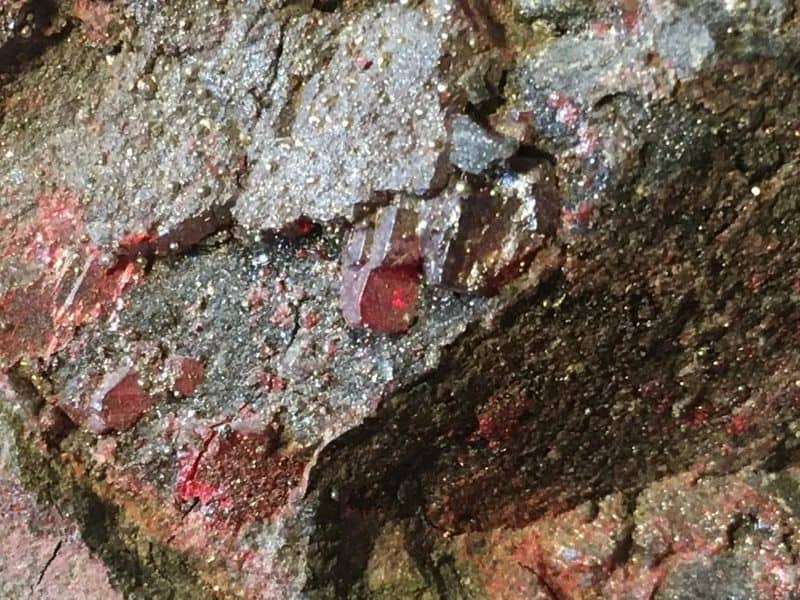
The presence of red cinnabar in the tomb is noteworthy. This mineral was often reserved for high-status burials, symbolizing blood and life.
Its significant presence suggests Te K’ab Chaak’s esteemed position.
The use of cinnabar underscores the ceremonial importance placed on the passage between life and death, reflecting profound cultural beliefs.
10. Legacy of the Maya Dynasty
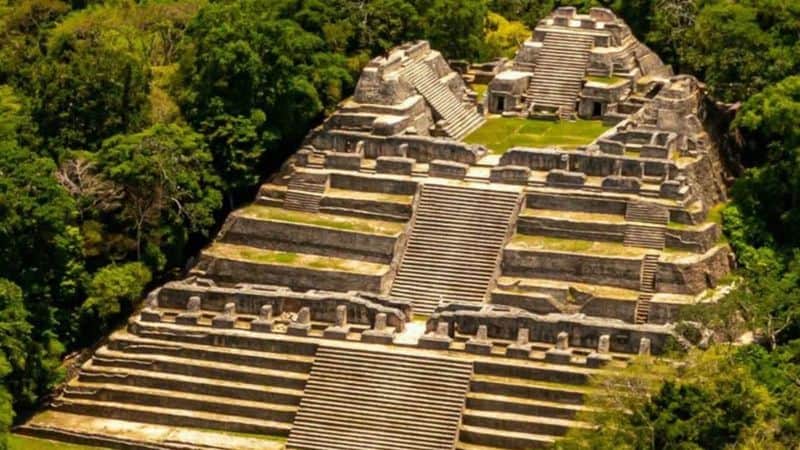
Te K’ab Chaak’s reign marked the beginning of a dynasty that endured over 460 years. Under his leadership, Caracol flourished as a major Maya city.
However, by A.D. 900, it declined for unknown reasons.
The city’s lasting architectural marvels and artifacts remain a testament to its historical significance and the enduring legacy of its rulers.