
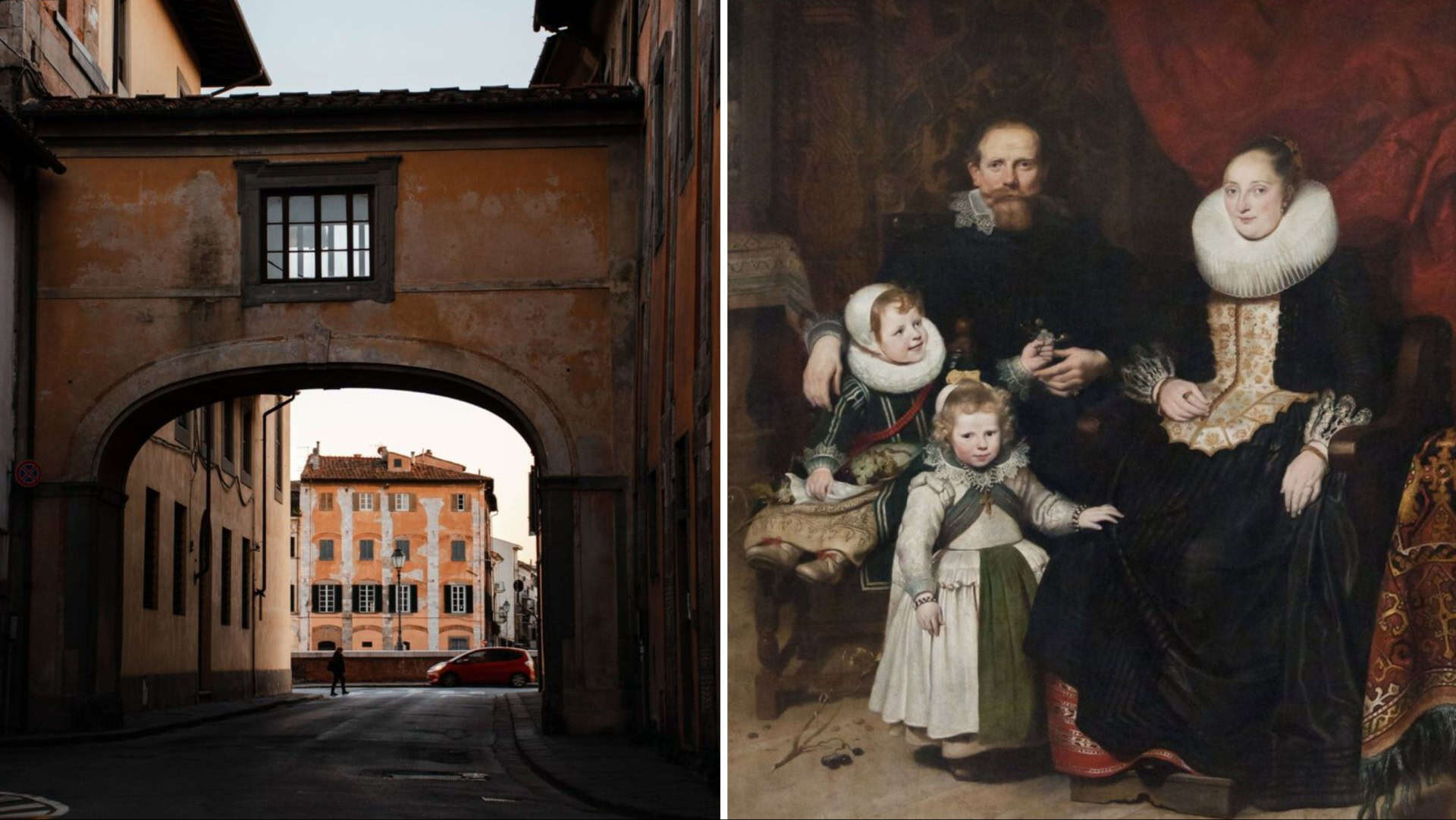
The Italian aristocracy often resided in grand “palaces,” even if those edifices closely resembled neighboring houses.
Palazzo delle Vedove exemplifies this, a place that might be overlooked if unaware of its existence.
Originally built for the Bocci family at the crossroads of via Santa Maria and via Trento, its construction spanned from the 12th to the 14th century.
1. A Noble Beginning
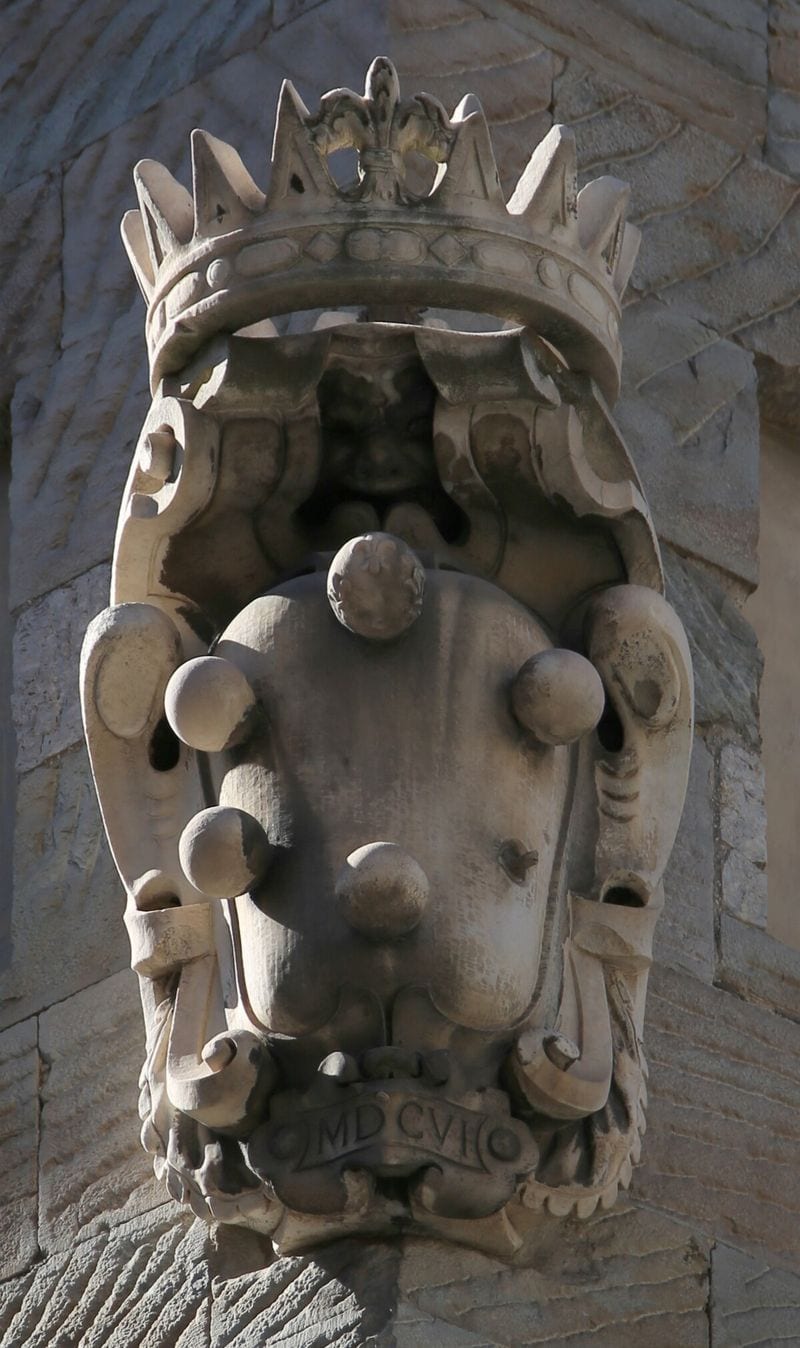
The Palazzo delle Vedove, though not a palace by grandeur, stands as a noble residence in Pisa.
Constructed initially for the Bocci family, its architectural journey began in the 12th century. The building evolved over time as each family member added their touch.
By the 14th century, it became a historical mosaic of styles.
2. Medici’s Influence
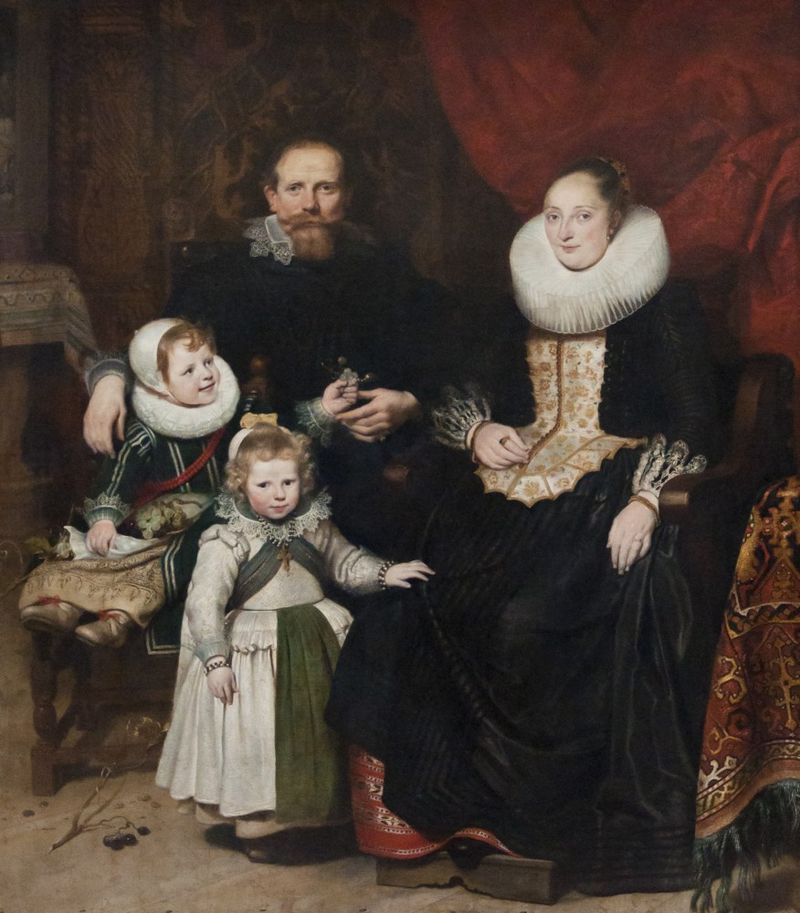
In the late 16th century, the Medici family acquired the palace, transforming it into the “Palace of Widows.”
This change marked a new chapter, with the elderly women of the Medici lineage residing there.
The palace’s name and purpose reflect the Medici’s lasting influence on its history.
3. Mullioned Windows
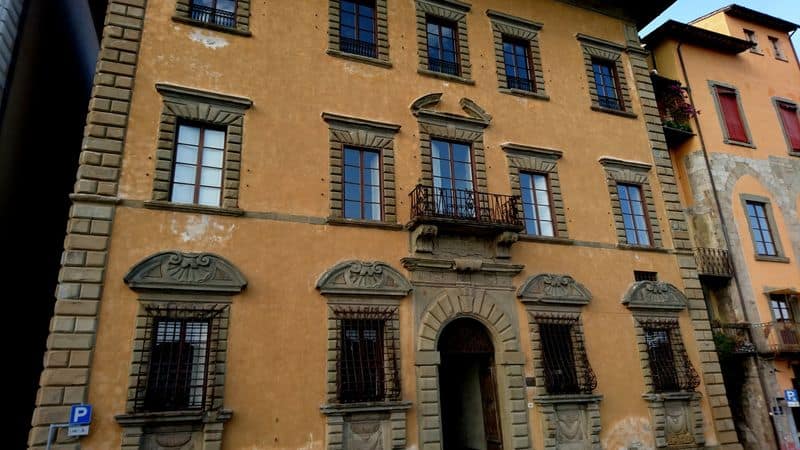
While many architectural elements have changed, some original features remain. On via Trento, observe the medieval mullioned windows.
Though partly obscured by 16th-century renovations, these windows tell tales of the past. Their unique design reflects the aesthetic shifts over centuries.
4. Hidden Corridors
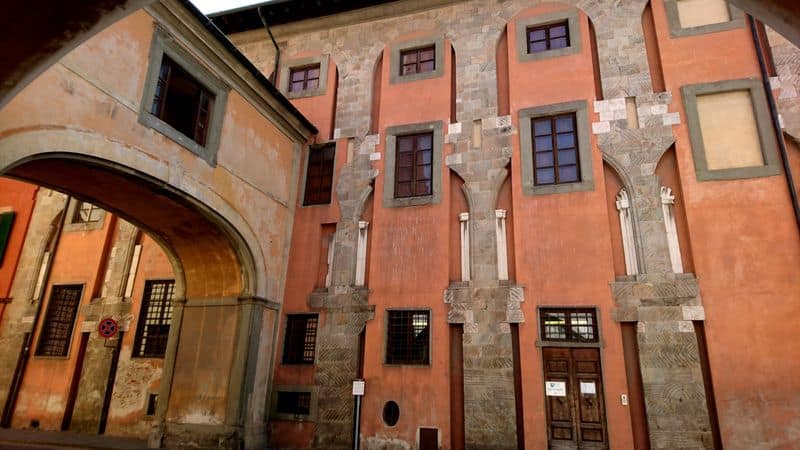
A fascinating feature of the palace is the hidden corridors.
These secretive passageways connect the Palazzo to nearby structures like the Torre de Cantone and Chiesa San Nicola.
This network allowed the palace residents, particularly the Medici widows, to traverse without mingling with the public.
5. Aged Elegance
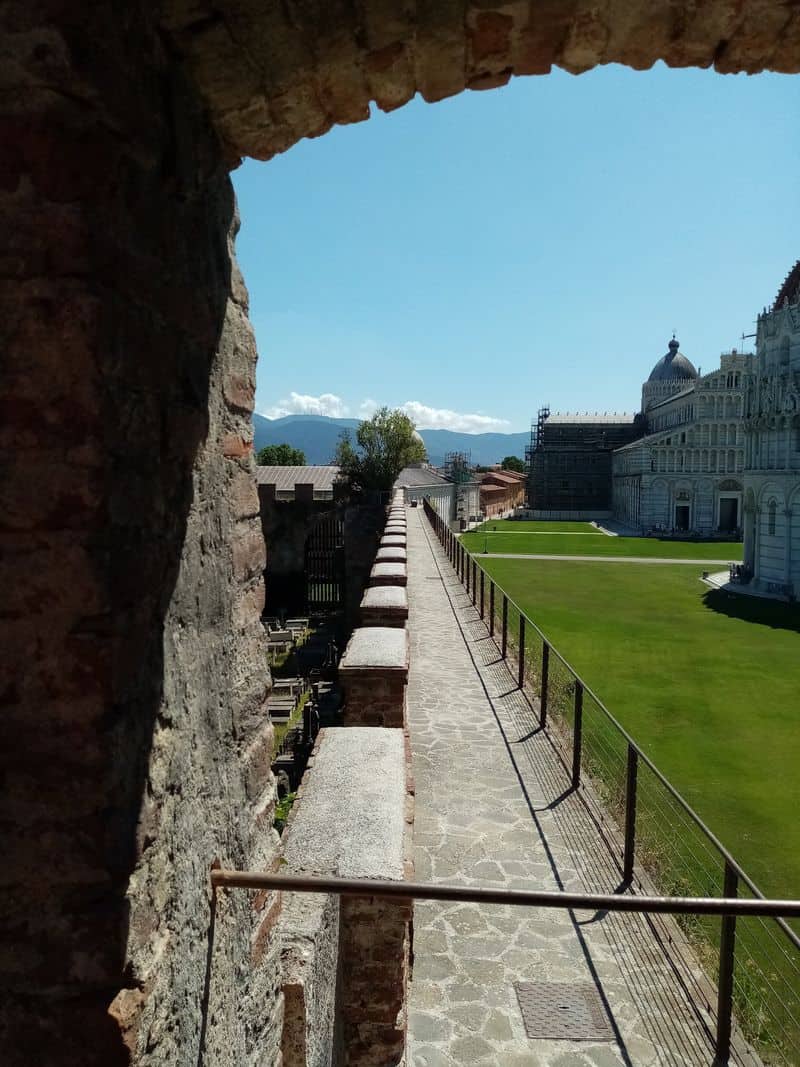
Over time, Palazzo delle Vedove has gracefully aged, wearing its history with dignity.
Though renovations have altered its appearance, the building’s essence remains.
Its aged walls tell stories of past residents and historical events, offering visitors a glimpse into its enduring charm.
6. Preservation Challenges
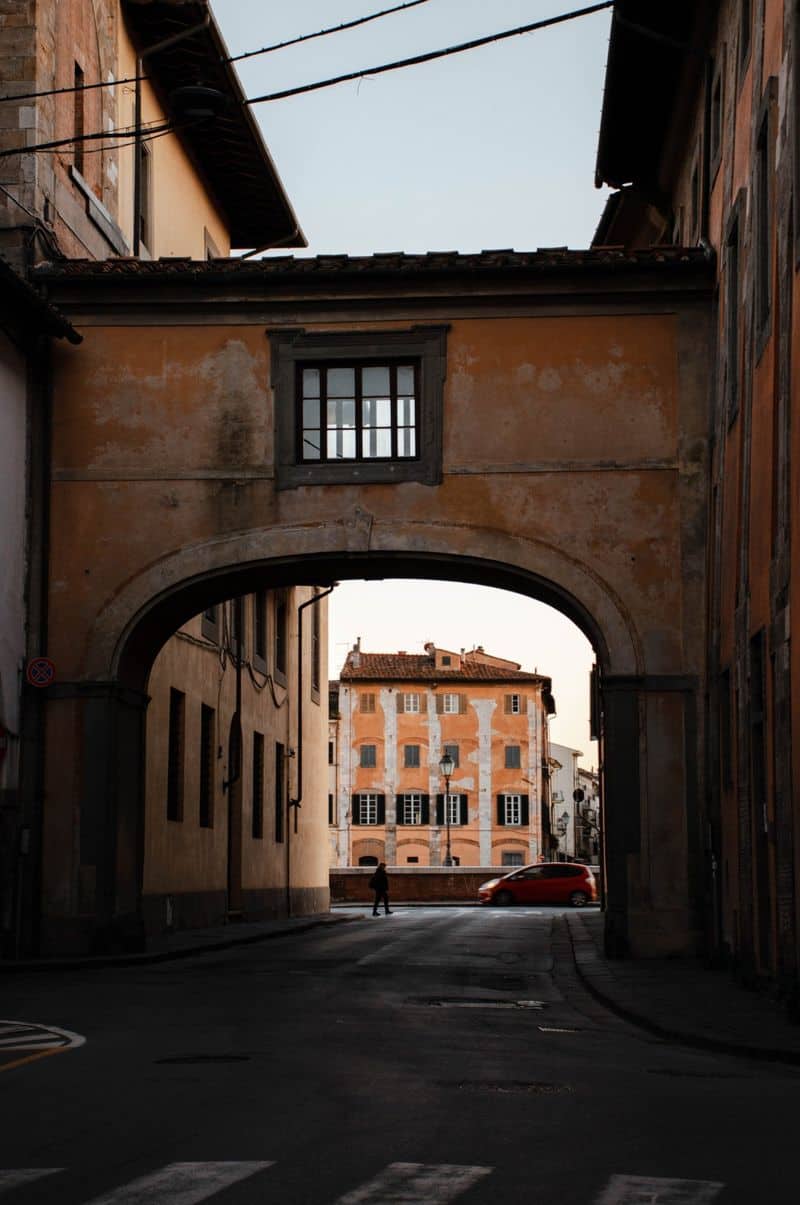
Maintaining the Palazzo’s historic integrity has been challenging. Preservation efforts are ongoing to balance modern needs with conserving its legacy.
The structure’s wear and the need for upkeep underscore the continuous struggle to keep history alive.
These endeavors aim to preserve its architectural marvels.
7. Cultural Legacy
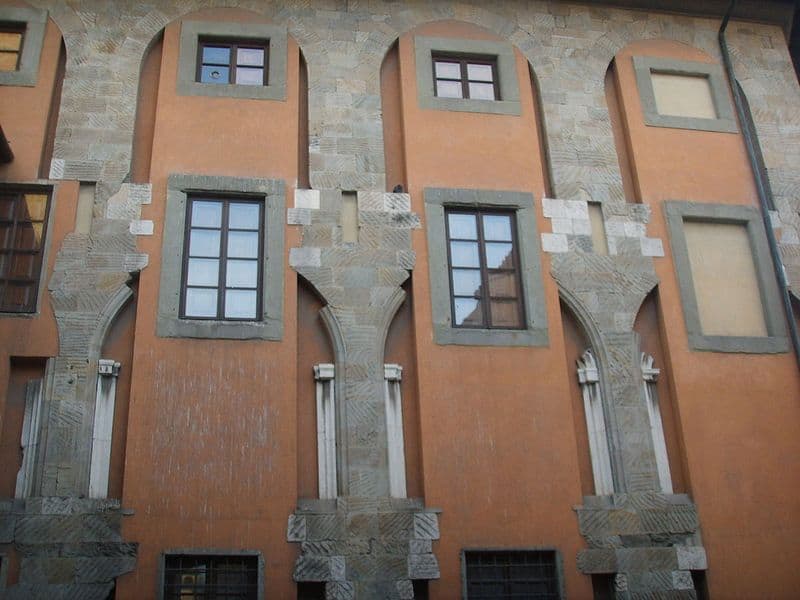
Palazzo delle Vedove is more than just a building; it’s a vessel of cultural heritage.
Throughout its history, it has housed noteworthy families, each contributing to its legacy.
As a cultural icon, it continues to inspire and educate visitors about Pisa’s rich historical tapestry.
8. Architectural Evolution
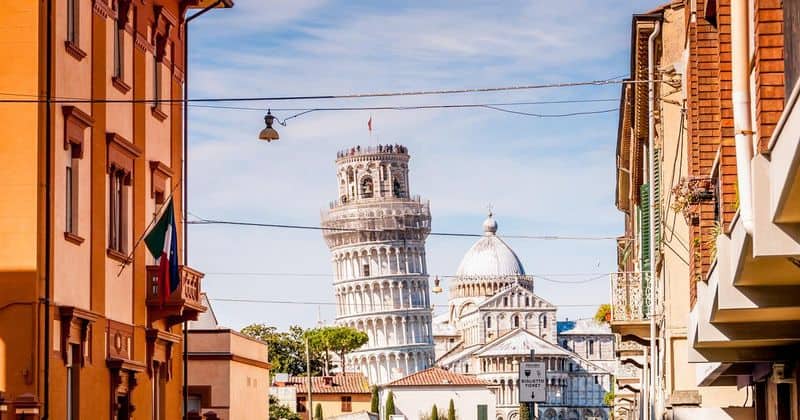
The architectural evolution of Palazzo delle Vedove is a testament to its rich history. From its medieval roots to Renaissance modifications, each era left its mark.
The building’s transformation reflects the changing tastes and influences throughout centuries, offering insights into architectural history.
9. Community Connection
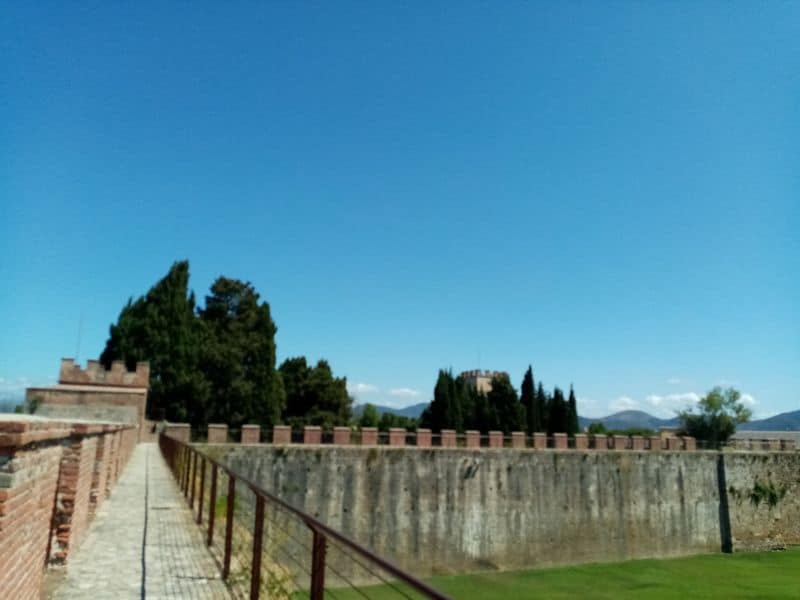
The palace has always been intertwined with the local community. Hosting events and gatherings, it serves as a reminder of its role in societal life.
The building’s enduring presence in Pisa underscores its importance as a community landmark, fostering connections across generations.
10. Historical Mystique
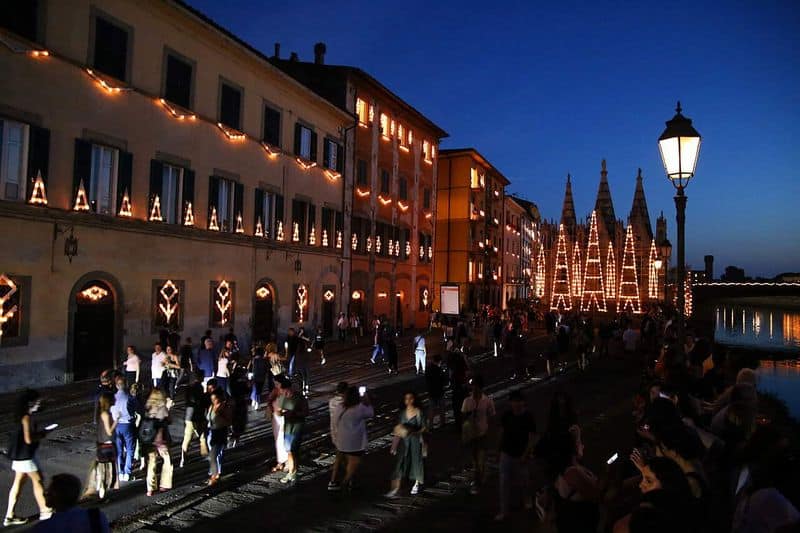
Shrouded in history, the Palazzo exudes a mystique that captivates visitors. Its corridors and corners whisper secrets of the past.
As night falls, the building’s enigmatic aura is amplified, inviting exploration and reflection on the stories it holds.