
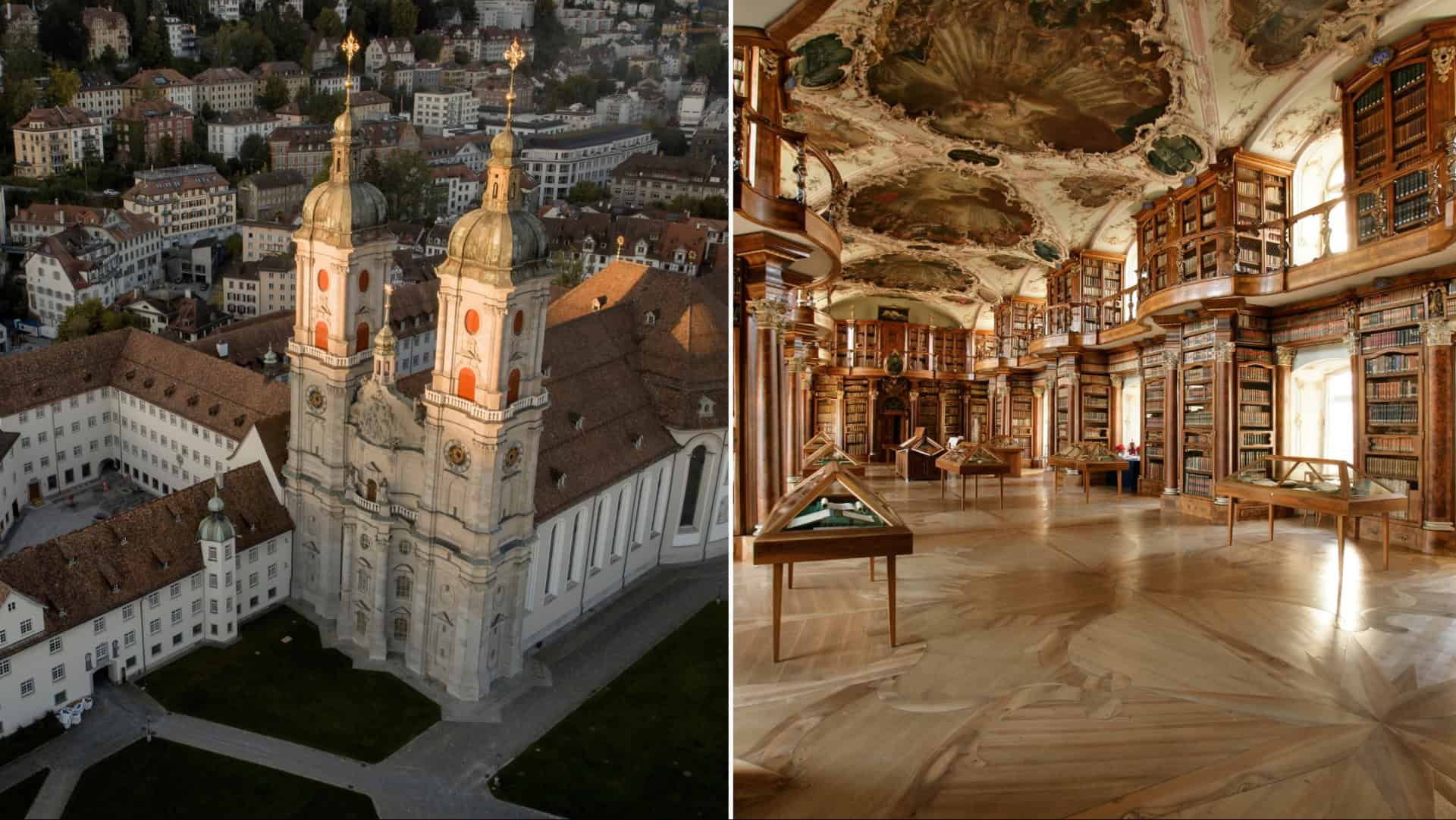
Nestled in the heart of Switzerland, the Abbey of St. Gall is a masterpiece of baroque architecture and historical significance.
Founded by an intrepid Irish monk, this site has evolved over centuries, becoming a beacon of cultural and religious history.
With its rich library and majestic structures, the abbey offers a unique glimpse into a bygone era, captivating visitors with its enchanting blend of art and history.
1. UNESCO World Heritage Site
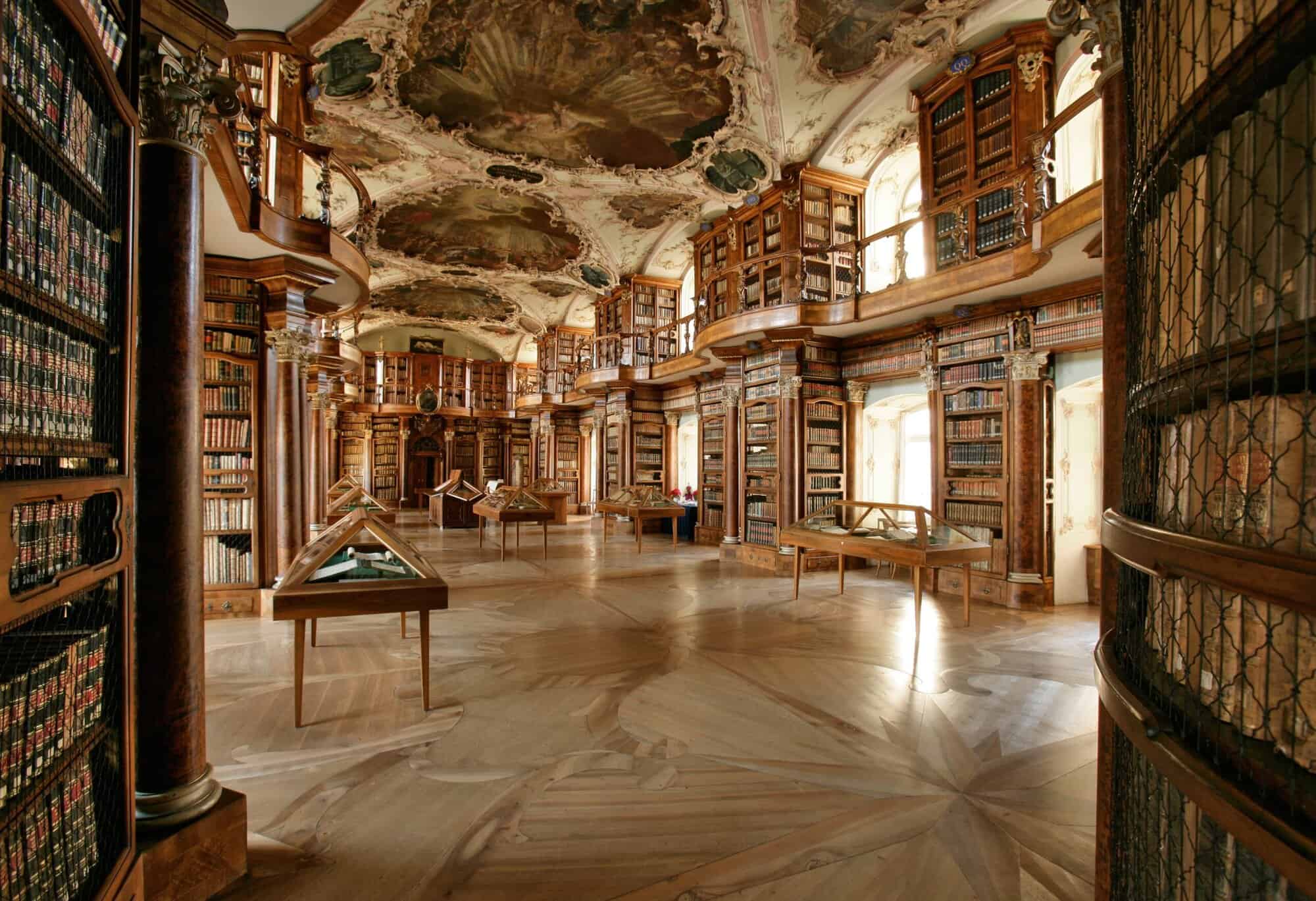
In 1983, the Abbey of St. Gall was recognized as a UNESCO World Heritage Site, celebrating its historical and cultural significance.
The abbey’s inclusion was due to its architectural splendor and its deep-rooted heritage dating back to the 8th century.
Although the baroque style is most apparent, the abbey’s archives and library reflect its rich tradition. This recognition underscores the site’s importance in global cultural heritage.
2. A Wealth of Knowledge – The Abbey Library
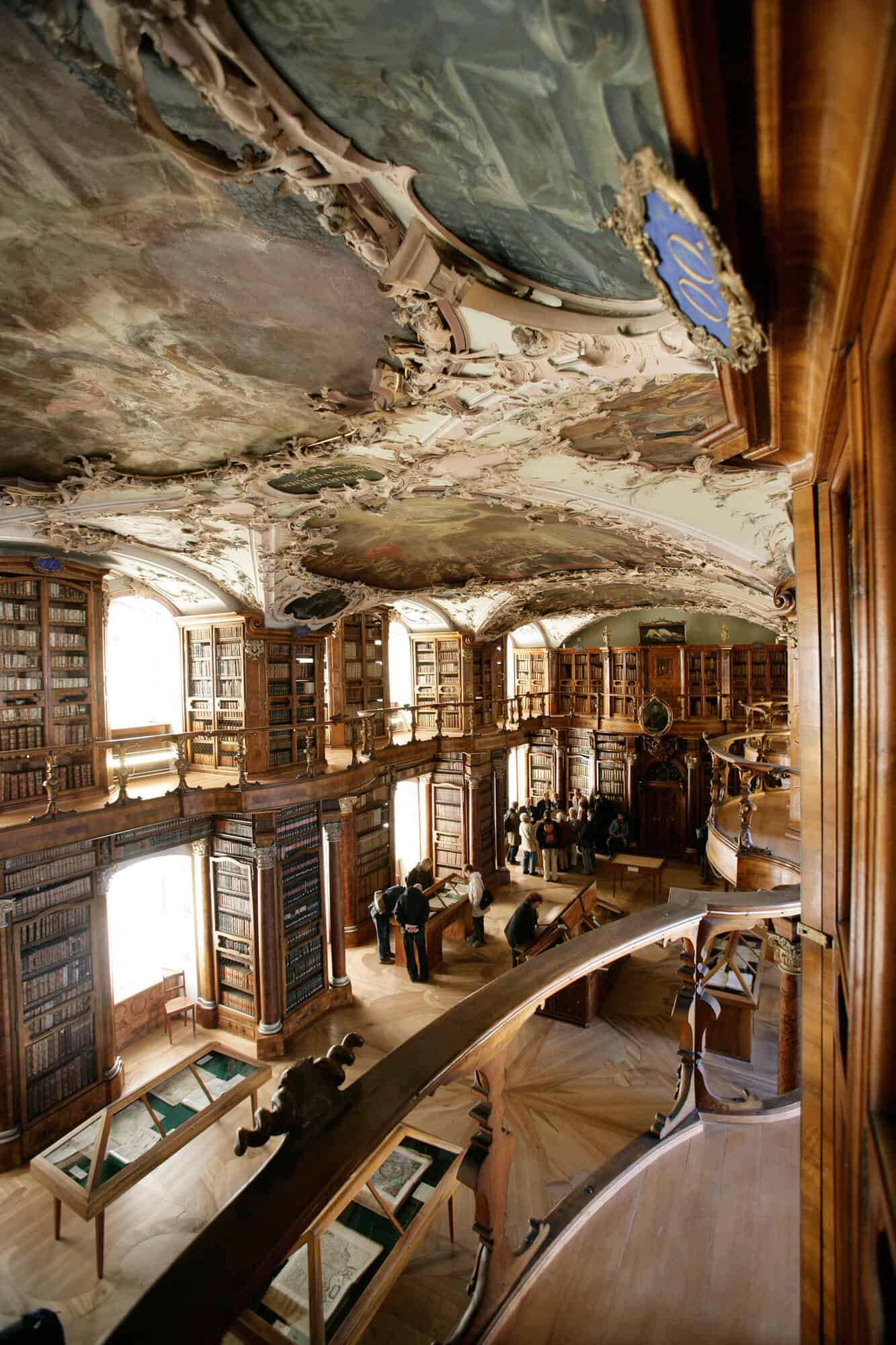
The Abbey Library in St. Gallen is one of the world’s oldest and most renowned libraries.
Its collection boasts some of the earliest medieval manuscripts and an impressive array of Irish codices.
Founded over a millennium ago, the library stands as a testament to the abbey’s scholarly legacy.
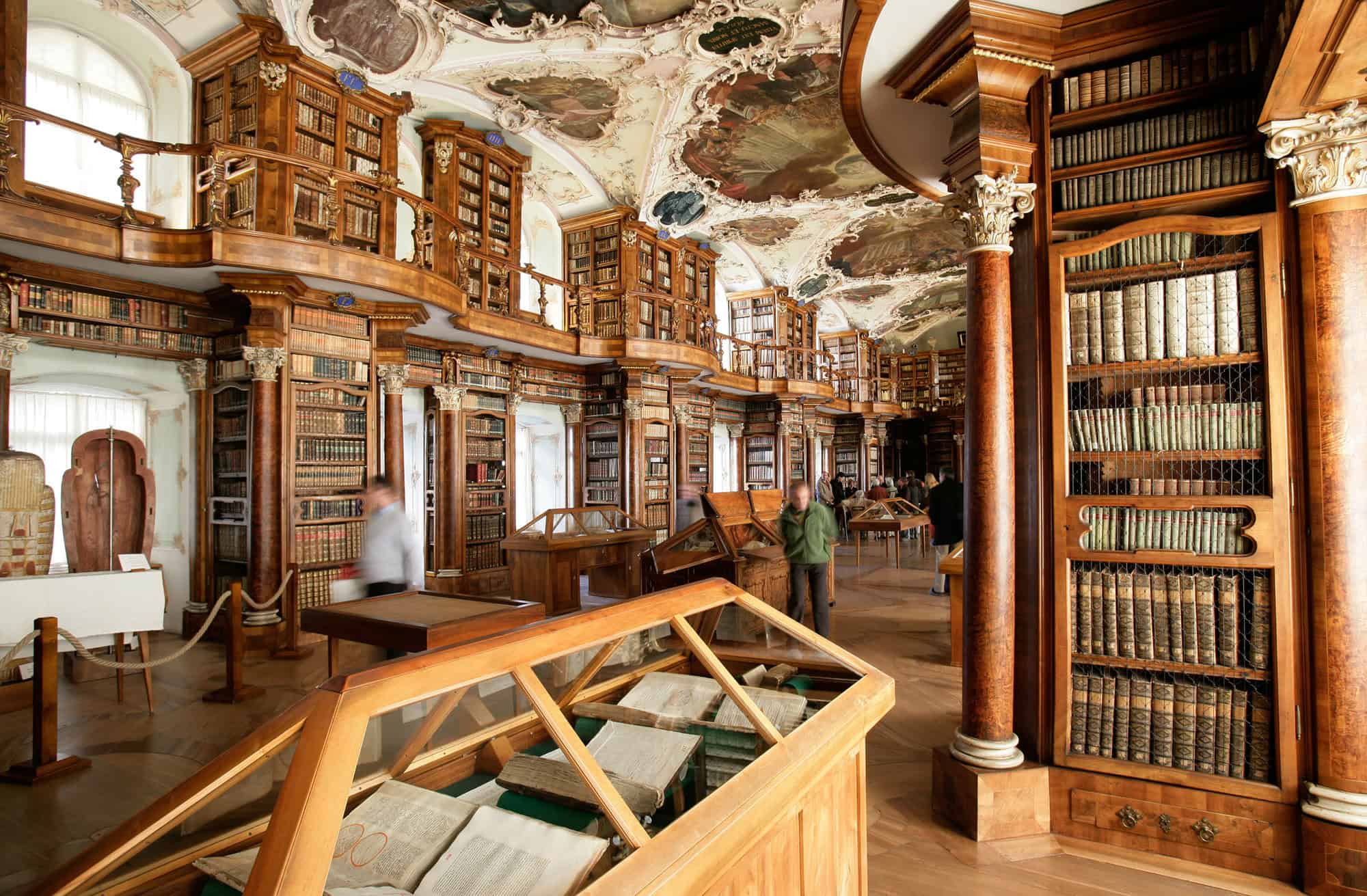
Its baroque hall, adorned with intricate rococo details, invites visitors to explore a world where knowledge and beauty meet harmoniously.
3. A Community in the Mountains
The serene valley of River Steinach was first home to the Irish monk Gall in 612. His hermitage marked the beginnings of the community that would become the Abbey of St. Gall.
Over time, this remote sanctuary transformed into a thriving monastic center, with Abbot Otmar establishing a new convent.
The abbey’s early history, rooted in seclusion, evolved into a beacon of monastic culture and religious influence.
4. Architectural Grandeur – The Cathedral
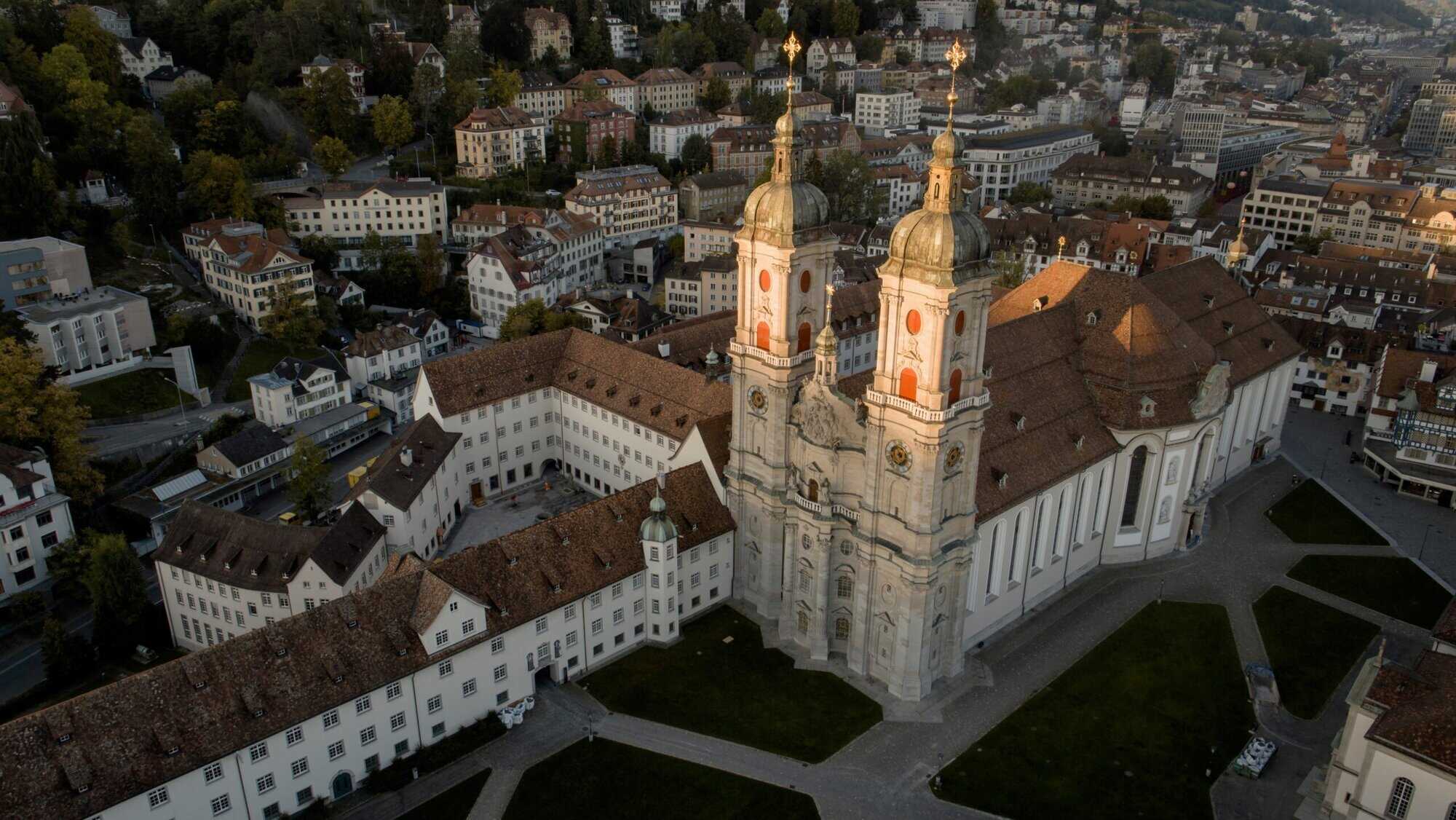
The Cathedral at the Abbey of St. Gall is a masterpiece of baroque architecture.
With its ornate sandstone facade, twin towers, and dynamic rotunda, the structure exemplifies artistic excellence.
Inside, the pale architecture is brought to life with vibrant carvings, turquoise stucco, and ochre figures.
As one of the last grand baroque churches, it stands as a bridge between rococo and classicism, embodying reverence and artistry.
5. The Unique Plan of Gozbert
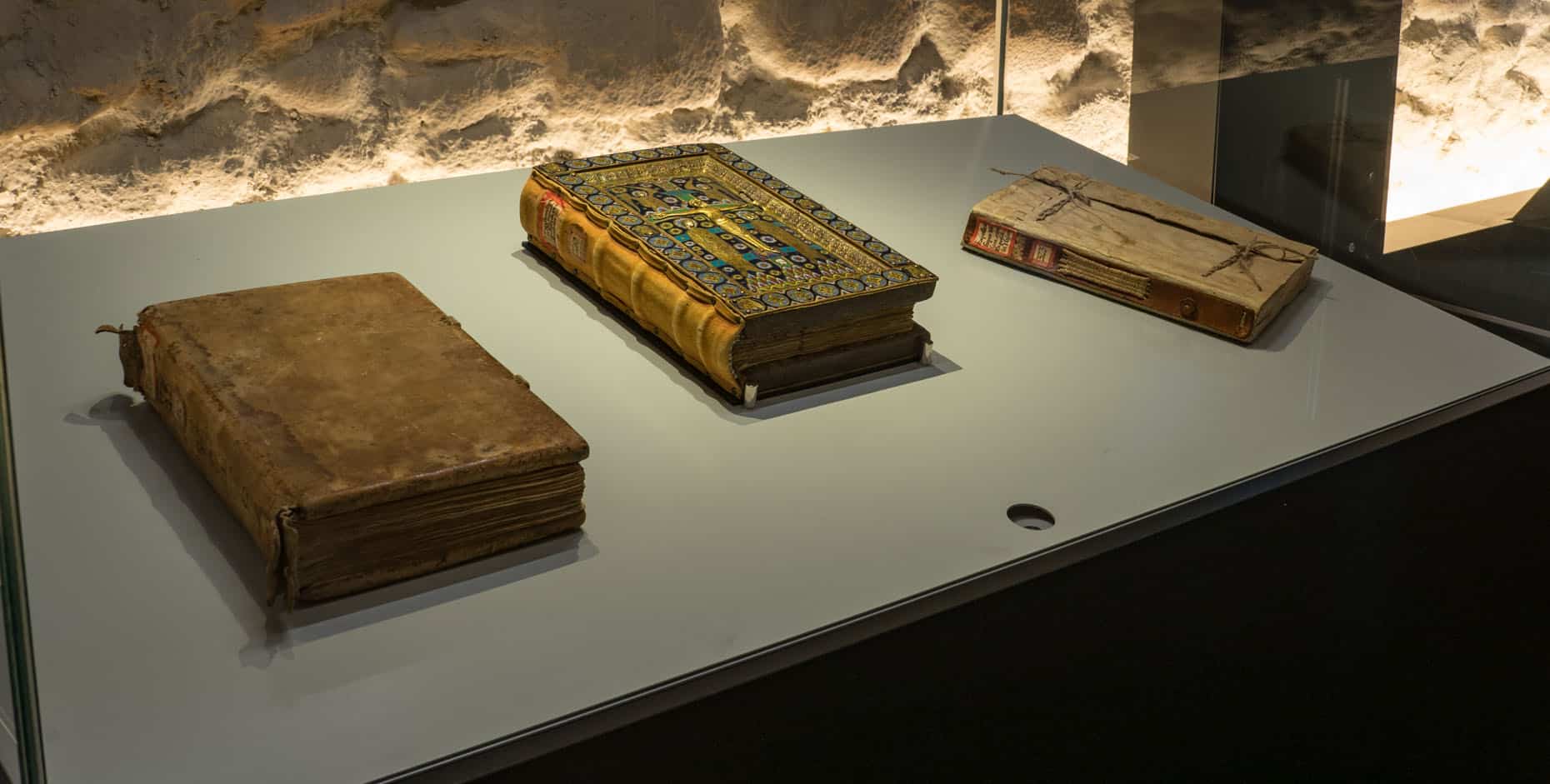
In the early 9th century, Abbot Gozbert commissioned a new architectural plan for the abbey.
This unique drawing, influenced by the Abbot of Reichenau, tailored the ideal abbey layout to suit St. Gall’s surroundings.
This plan remains an integral part of the UNESCO World Heritage recognition, reflecting the innovative spirit of the time and the abbey’s commitment to architectural excellence.
6. Baroque Revival Under Ulrich Rösch
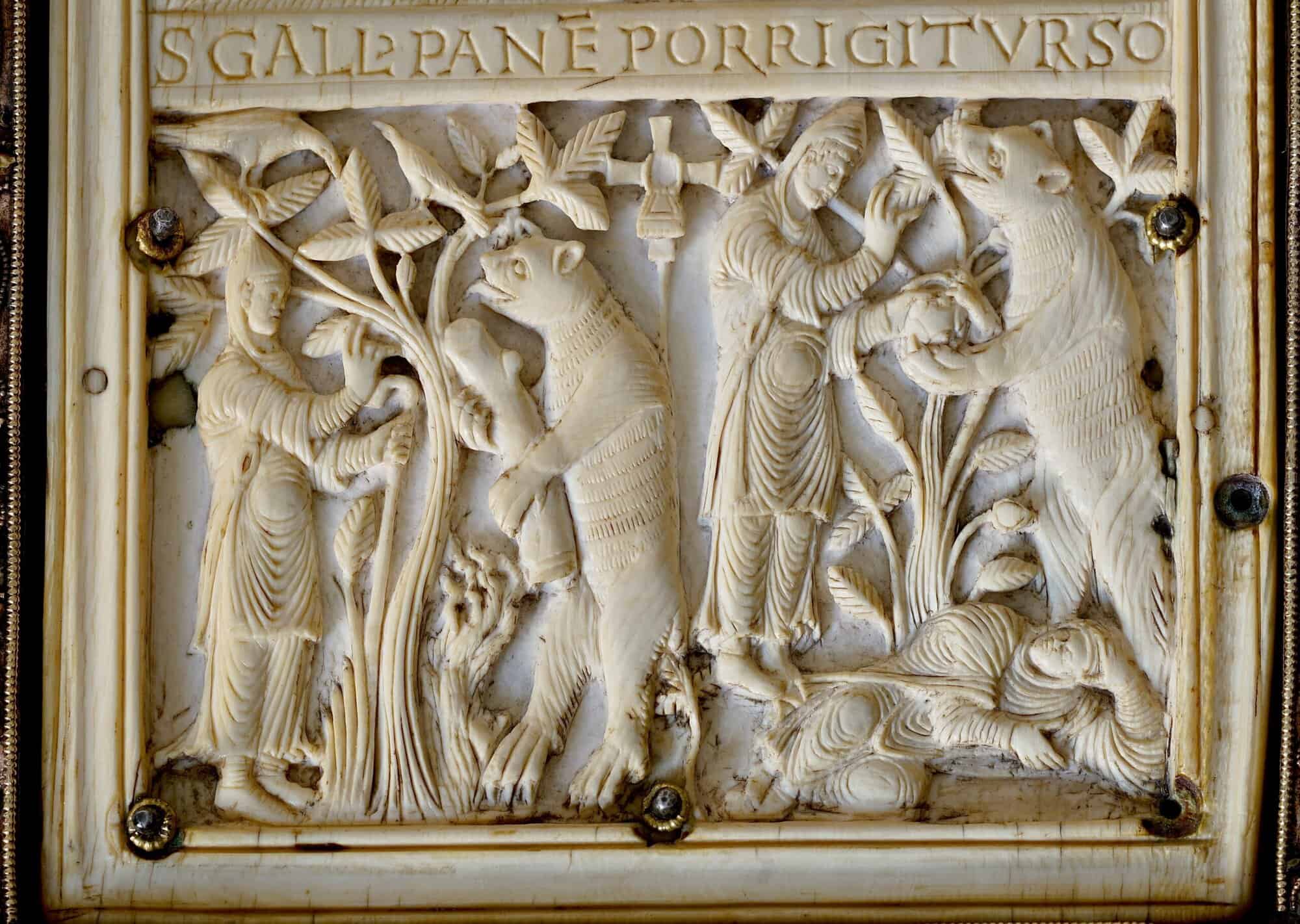
Abbot Ulrich Rösch played a pivotal role in reviving the abbey’s baroque splendor in the 15th century.
Amid challenging times, he consolidated estates and acquired territories to form the baroque abbey state, highlighting the dual role of ecclesiastical and secular governance.
His leadership not only reinforced the abbey’s regional influence but also fostered a flourishing architectural renaissance, intertwining political power with artistic expression.
7. Artistic Treasures Beneath the Soil
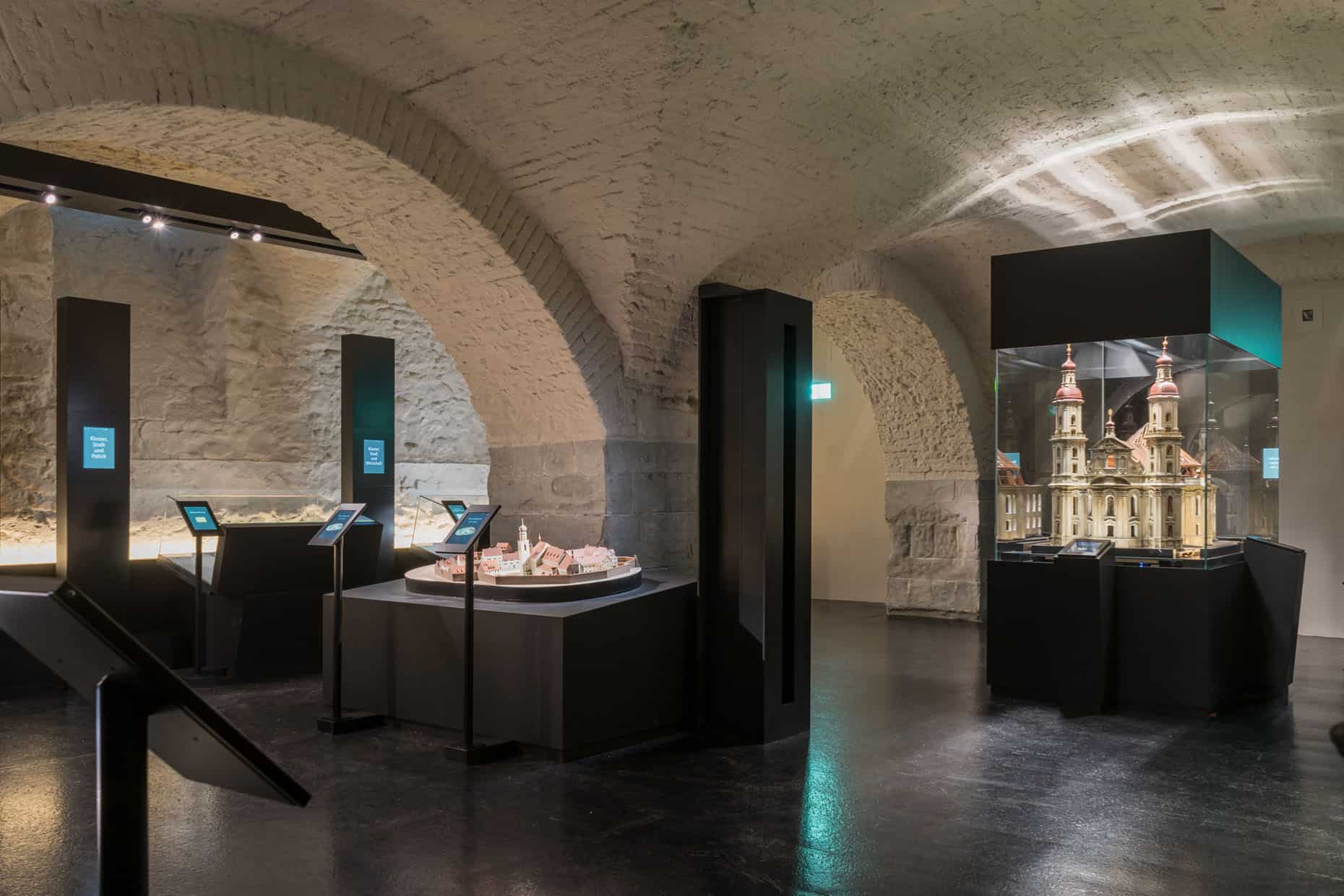
Beneath the Abbey of St. Gall lies a treasure trove of archaeological wonder.
Excavations have uncovered traces of the early hermit settlement, medieval construction, and even Gothic additions.
The Carolingian capitals, among these finds, are displayed in the Abbey Library cellar.
These discoveries not only reveal the rich layers of the abbey’s history but also preserve the legacy of its early residents for future generations to explore.
8. A Royal Residence – The New Palace

The New Palace, constructed in the late 18th century, served as a royal residence for the prince-abbot.
Its lavish throne room, completed in 1786/87, highlights the splendor of baroque artistry. The palace was where the new Canton of St. Gallen was proclaimed in 1803.
Today, it stands as a testament to the abbey’s historical significance, bridging the past royal presence with modern-day administrative functions.
9. The Abbey’s Archaeological Heritage
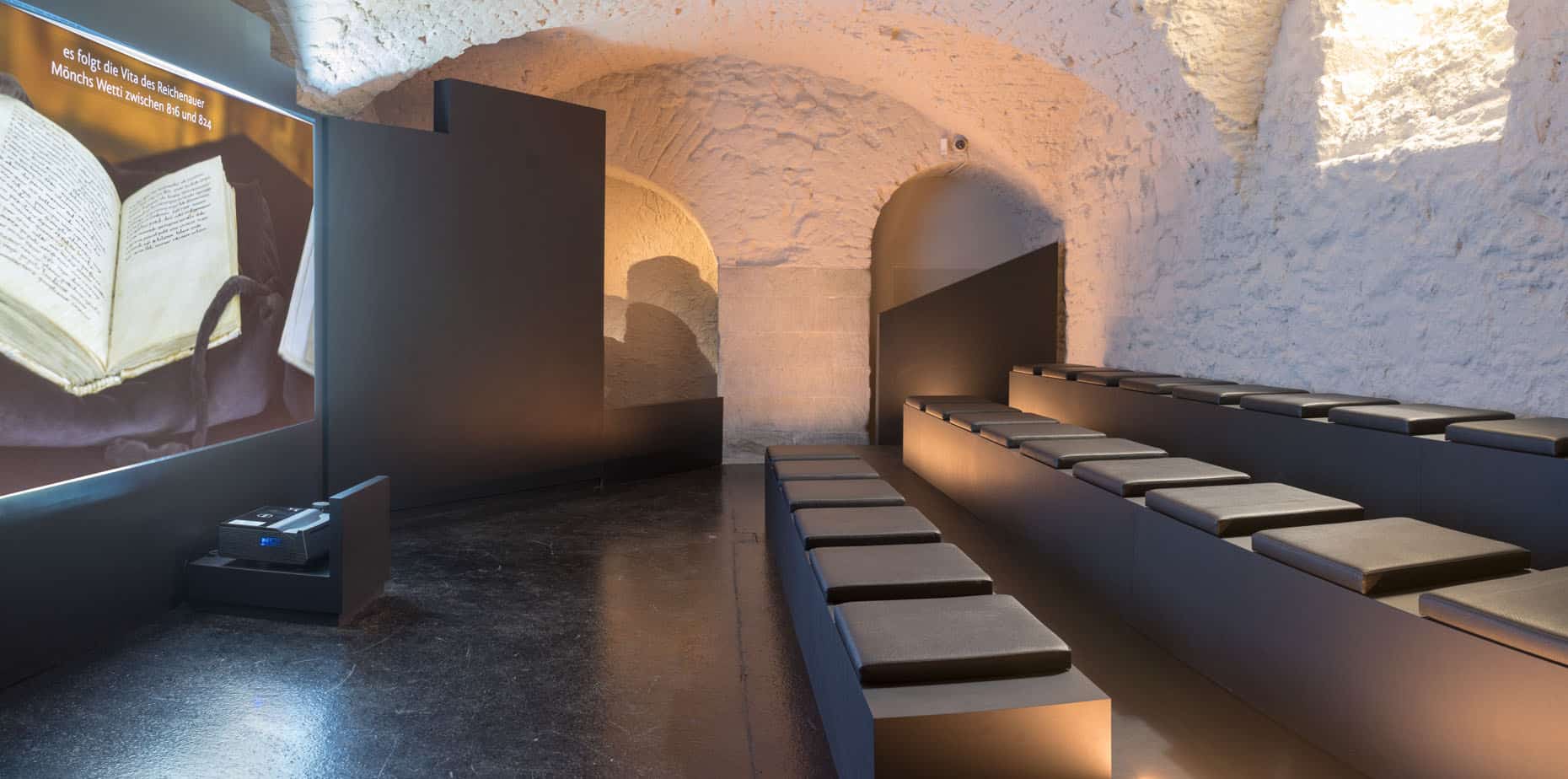
Modern archaeology at the Abbey of St. Gall employs state-of-the-art techniques, like ground radar, to explore its hidden past.
Since 2009, meticulous excavations have revealed invaluable insights into early settlement boundaries and cultural history.
These efforts ensure the preservation of ancient artifacts and structures, offering future generations the opportunity to discover and understand the abbey’s rich archaeological heritage.
10. The Ever-Evolving Abbey Complex
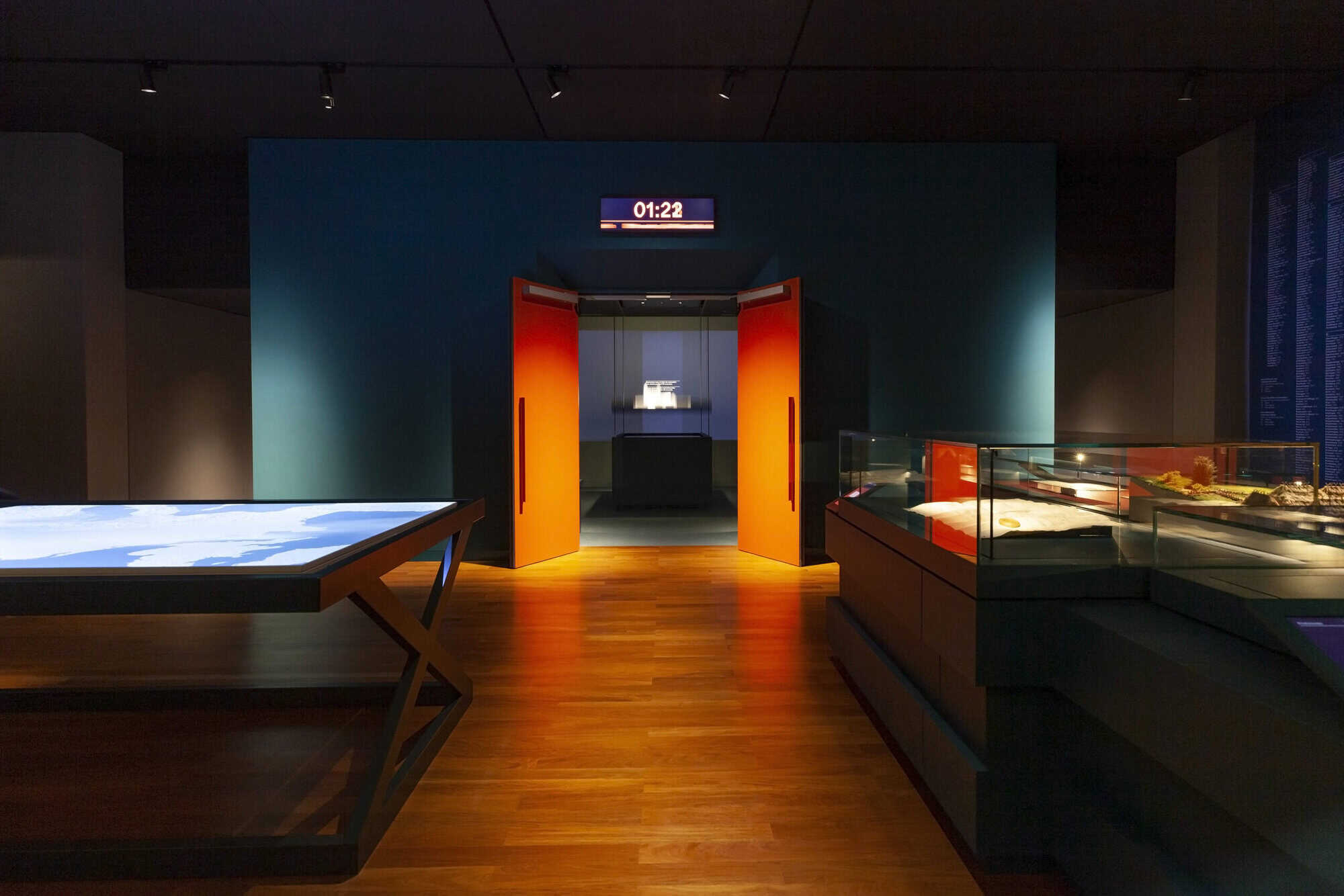
The Abbey of St. Gall has continually evolved, adapting to new roles throughout its history.
From a monastic center, it transitioned into housing government and ecclesiastical functions.
The abbey’s architectural ensemble blends medieval, baroque, and modern influences, creating a harmonious historical tapestry.
This evolution not only showcases the adaptability of the site but also reflects its enduring significance as a cultural and administrative hub, vital to the region.