
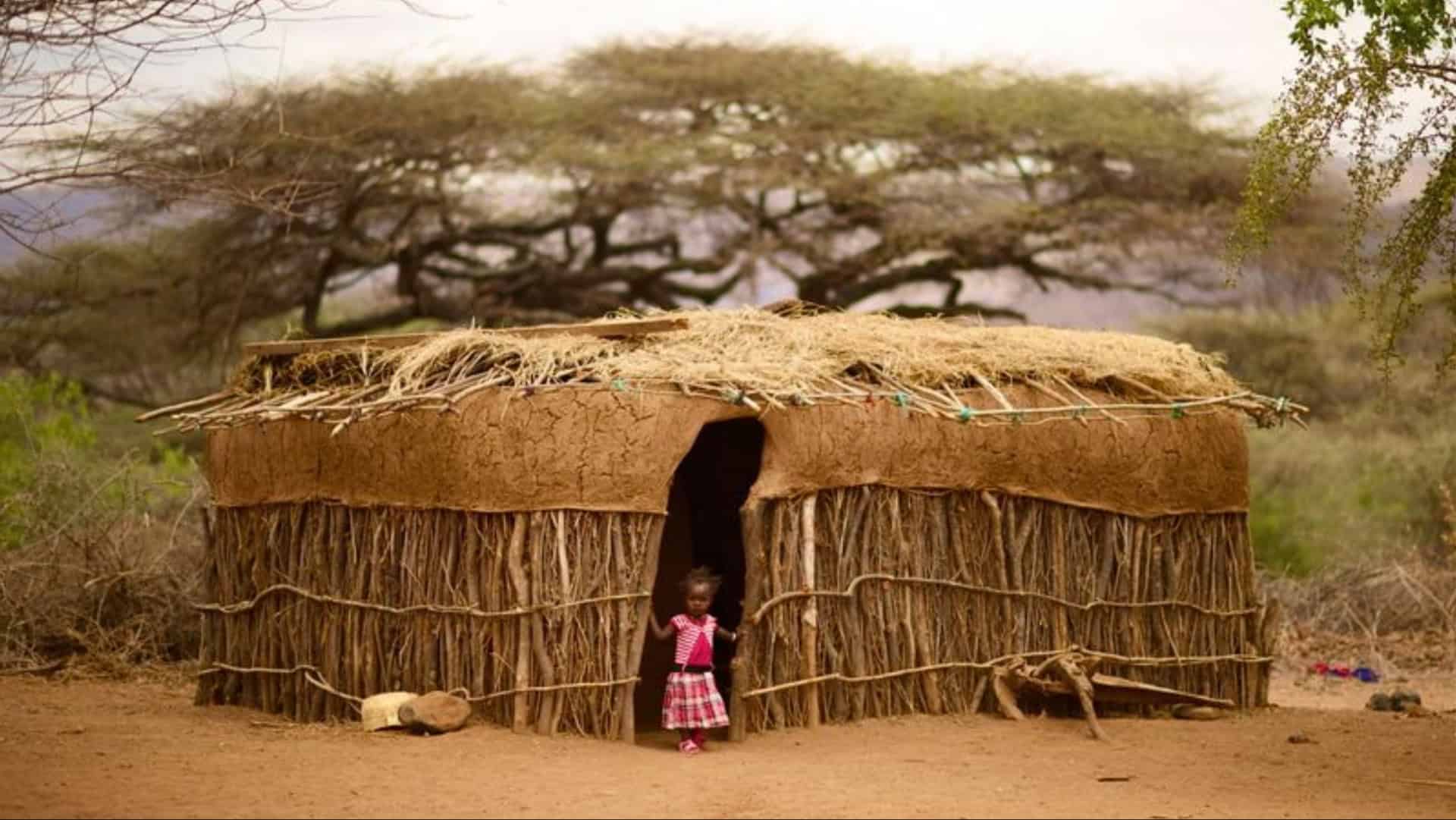
Architecture transcends mere functionality, serving as a reflection of cultural values and identity.
In African societies, homes were regarded as sacred spaces, embodying the essence of life, lineage, and ancestral ties.
Typically round and made from earth, these structures symbolized birth, nurturing, and protection.
Unlike European patriarchal designs, African architecture emphasized community and spirituality, aligning with celestial events to guide agricultural practices.
Examples include teleuk huts, imba huts, and Asante compounds.
1. Imba Huts
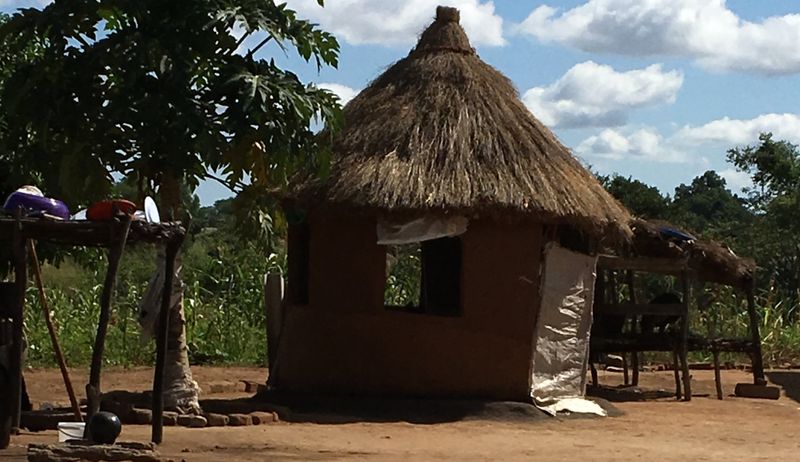
Imba huts, found in Zimbabwe, reflect the grace of matriarchy through their communal layout.
These conical structures, crafted from local materials, embody a nurturing environment.
Their design mirrors the cosmos, aligning with celestial cycles.
Imba huts not only provide shelter but also serve as cultural hubs for storytelling and traditions.
2. Asante Compounds
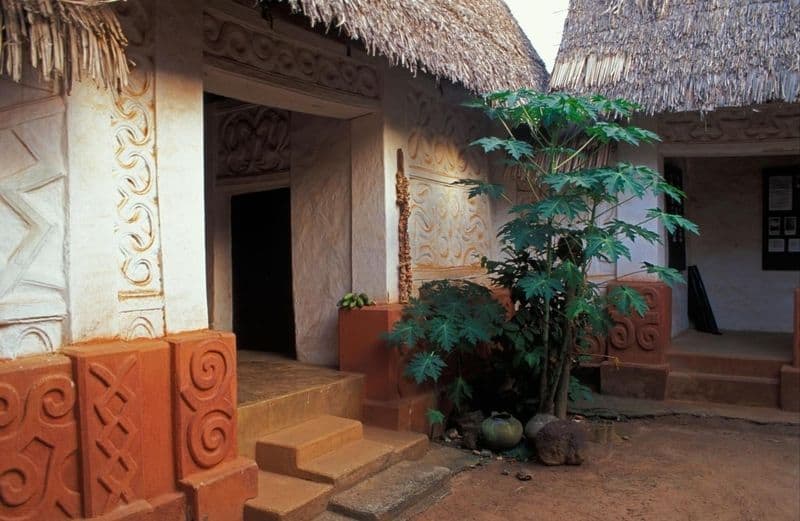
In Ghana, Asante compounds epitomize the harmony of community life. Each building, intricately carved, tells a story of lineage and spirituality.
The layout fosters unity and continuity, reflecting matriarchal values.
These compounds are microcosms of the universe, with spiritual significance embedded in every corner.
3. Mousgoum Domes
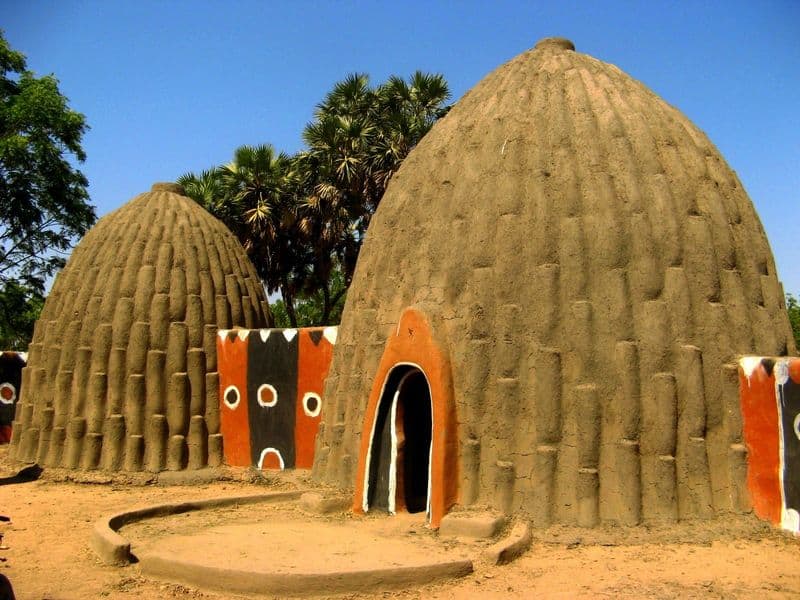
In Cameroon, Mousgoum domes showcase the ingenuity of matriarchal design. Their beehive shape, made from sun-dried earth, represents fertility and growth.
These structures foster community interaction and cultural exchange.
The domes’ design maximizes airflow, keeping interiors cool in the scorching heat.
4. Zulu Homesteads
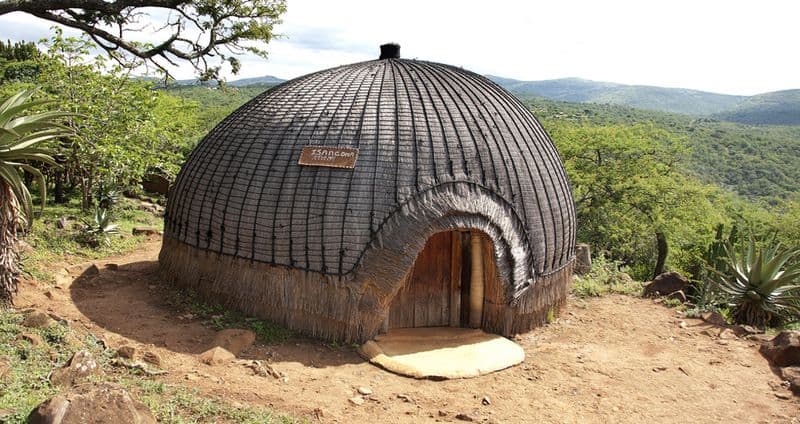
Zulu homesteads in South Africa illustrate the elegance of matriarchal architecture. Composed of circular huts, they promote togetherness and respect for nature.
The homestead’s layout fosters interconnectedness, mirroring the Zulu philosophy of ‘Ubuntu.’
Each hut’s position within the homestead has cultural significance, reflecting family hierarchy and roles.
5. Ndebele Houses
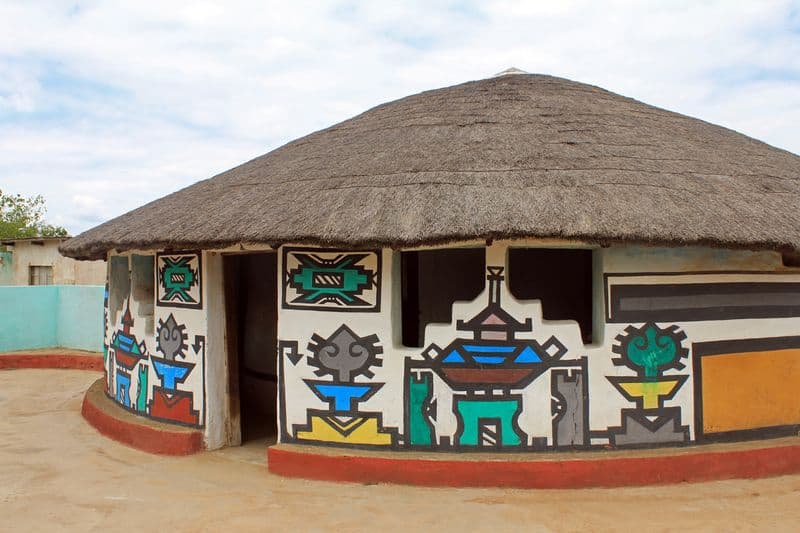
Ndebele houses in South Africa stand out with their bold geometric patterns and vibrant colors.
These homes are more than shelters; they are canvases of cultural identity and feminine artistry.
Each pattern tells a story of heritage and resilience.
The designs are passed down through generations, preserving artistic traditions and matrilineal wisdom.
6. Himba Homesteads
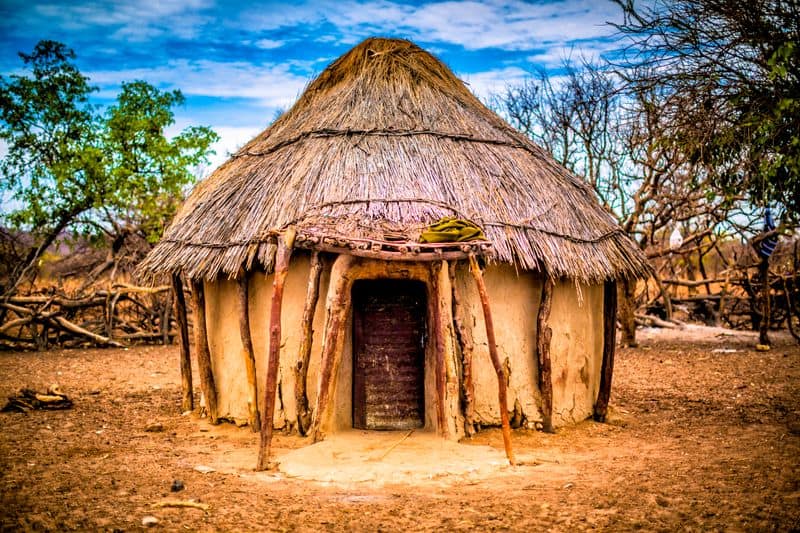
In Namibia, Himba homesteads reflect matriarchal strength through their circular arrangement.
Made from red earth, these structures symbolize the nurturing embrace of the community. The layout promotes social interaction and cultural continuity.
The red ochre used in construction represents the Himba’s connection to both the earth and their ancestors.
7. Tukul Houses
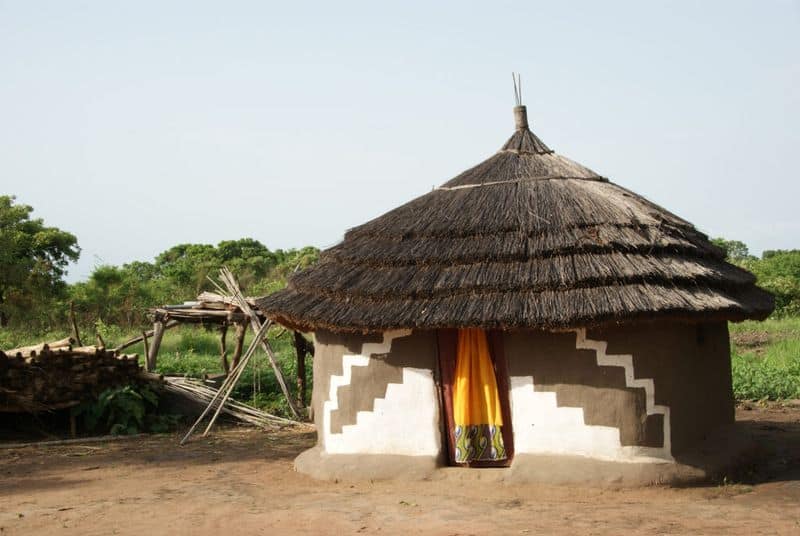
Tukul houses in Ethiopia embody matriarchal grace with their thatched roofs and circular forms. These homes promote community living and environmental harmony.
Their design aligns with the cycles of nature, reflecting a deep respect for the earth.
The circular shape aids in maintaining a stable indoor climate, adapting to seasonal changes.
8. Maasai Bomas
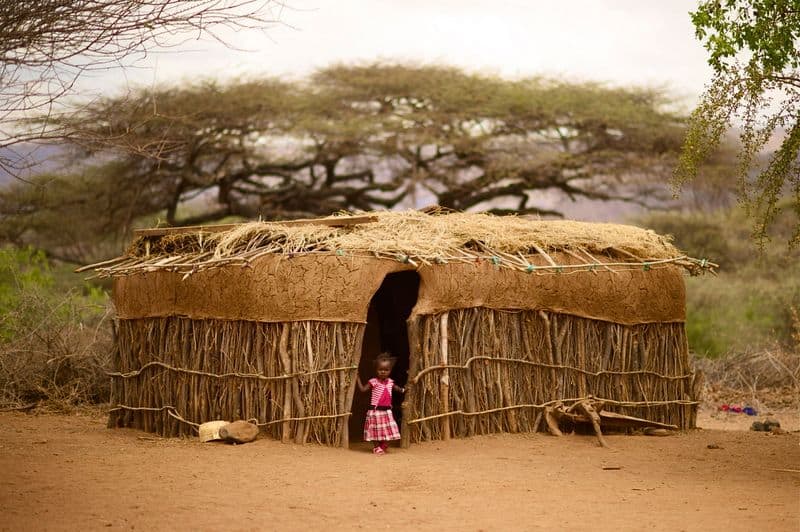
Maasai bomas in Kenya showcase the strength of matriarchal values through their circular enclosures.
These structures serve as protective havens, fostering community unity. Built from natural materials, bomas reflect harmony with the environment.
Each boma’s arrangement is planned by women, emphasizing their role in community leadership and decision-making.
9. Dogon Homes
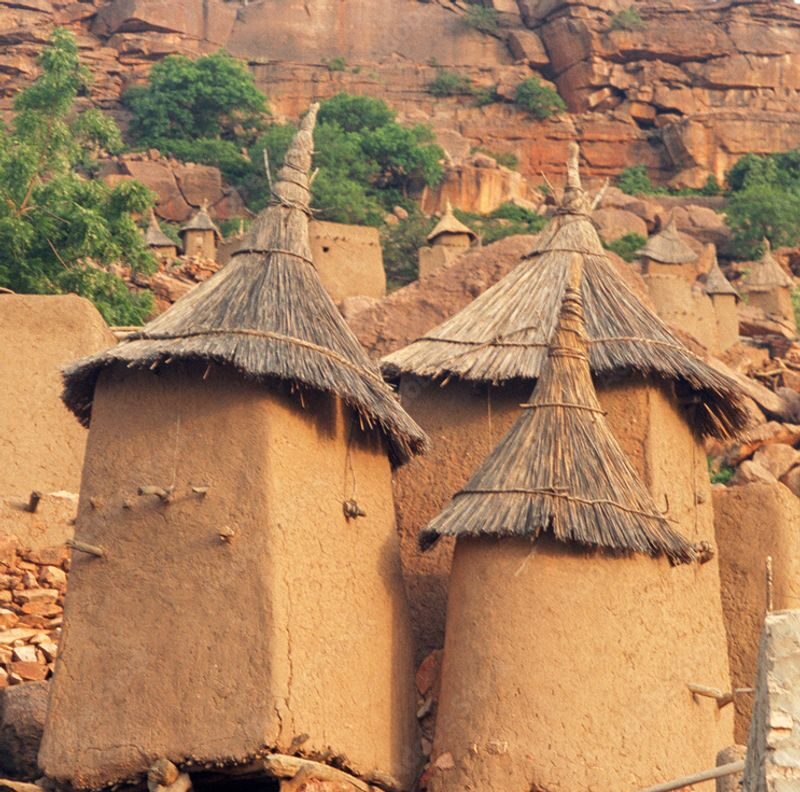
Perched on Mali’s cliffs, Dogon homes reveal a deep spiritual connection to the earth and sky.
Their unique design symbolizes the universe, with spiritual symbols adorning walls.
These homes reflect the wisdom of matriarchal societies, serving as places of gathering and cultural preservation.
Did you know? Dogon architecture aligns with the Sirius star system.
10. Teleuk Huts
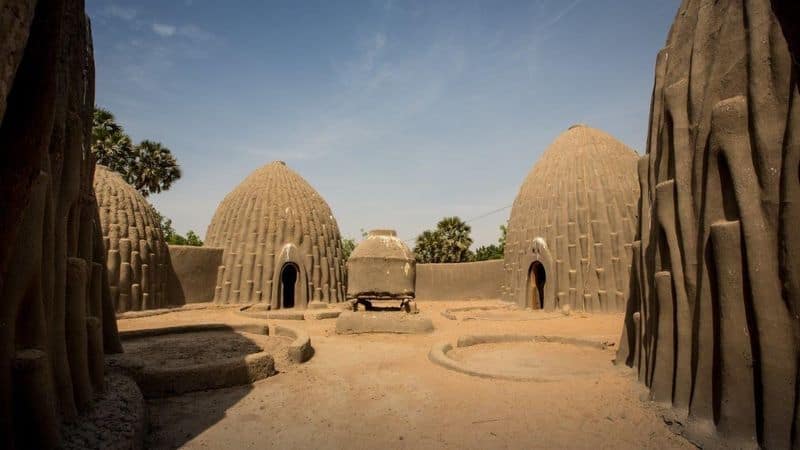
In the heart of the African savanna, teleuk huts stand as a testament to maternal strength. Their circular design echoes the nurturing embrace of a womb, fostering communal life.
Crafted from earth, these huts symbolize continuity and protection, serving as spiritual sanctuaries.