

Explore the world’s finest historical homes that not only stand as architectural marvels but also narrate intriguing stories from the past.
Each of these homes, rich in history and culture, offers a unique glimpse into the lives and times of different eras.
Join us as we journey through these ten extraordinary homes, each telling its own distinct story.
1. Versailles, France
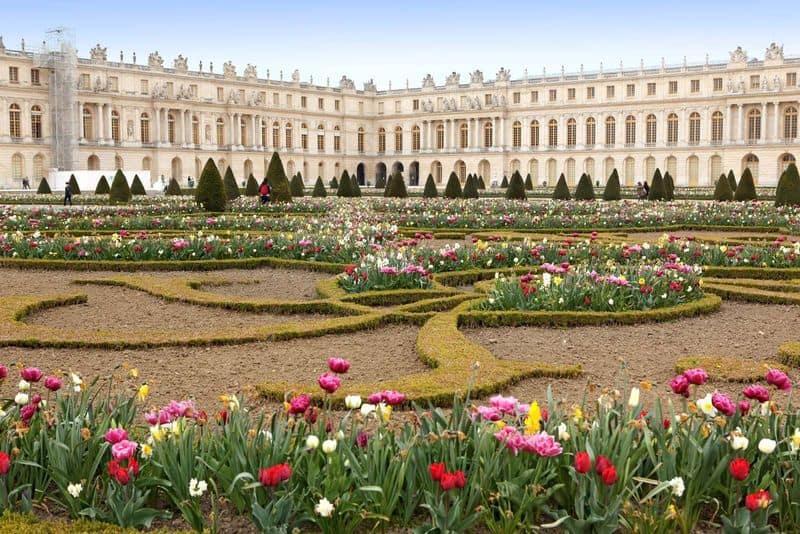
The Palace of Versailles is a symbol of opulence and royal power in France. Built during the reign of Louis XIV, the Sun King, it became the heart of political power and the epitome of French art.
Wander through its grand halls adorned with exquisite art, and imagine the lavish court life that once unfolded here. The Hall of Mirrors, a centerpiece of the palace, reflects the grandeur of French history.
Today, Versailles stands as a UNESCO World Heritage site, captivating visitors with its stunning architecture and lush gardens. It’s a living testament to France’s royal past.
2. Chatsworth House, England
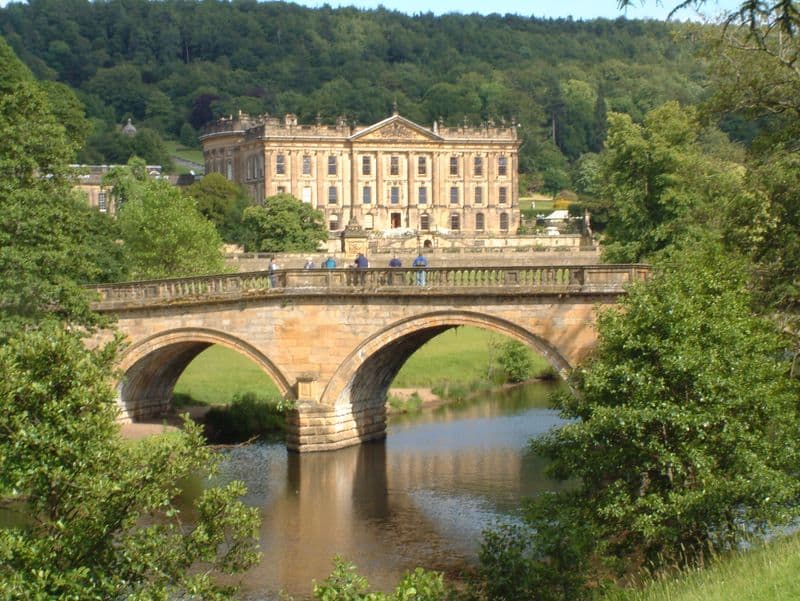
Nestled in the Derbyshire countryside, Chatsworth House is a quintessential example of English stately home elegance.
The ancestral seat of the Duke of Devonshire, its Baroque architecture and vast art collection speak volumes.
Stroll through its meticulously landscaped gardens, or explore the luxurious interiors filled with treasures collected over centuries. Each room tells a story of England’s aristocratic legacy.
Chatsworth remains a beloved family home while welcoming visitors to experience its heritage. This enduring estate reflects the grandeur of Britain’s noble history.
3. Alhambra, Spain
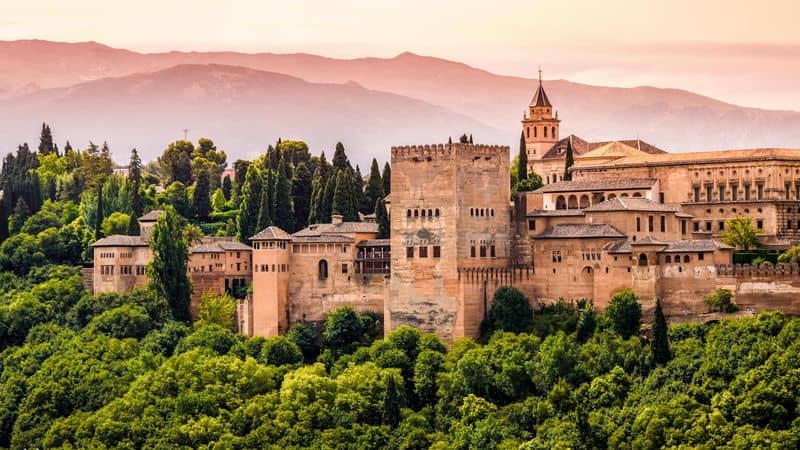
Perched atop the hills of Granada, the Alhambra is a mesmerizing blend of Islamic art and architecture. This Moorish palace and fortress complex was once home to Nasrid sultans.
Its delicate stucco work, ornate tile mosaics, and tranquil gardens reflect the pinnacle of Islamic architectural achievement.
Wander through the enchanting Generalife gardens, where water gently flows amidst fragrant flora.
A UNESCO World Heritage site, the Alhambra draws countless visitors eager to experience its beauty and history. It remains a vivid symbol of Islamic Spain’s cultural zenith.
4. Fallingwater, USA
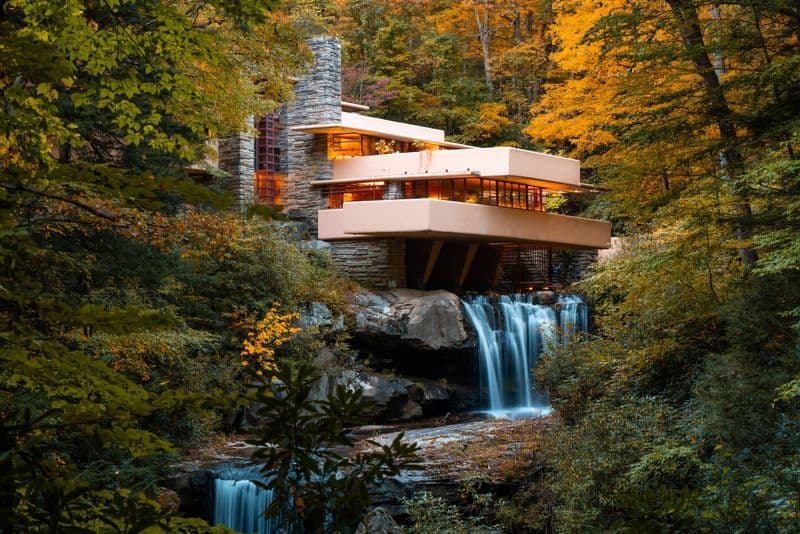
Fallingwater, designed by Frank Lloyd Wright, redefines the relationship between architecture and nature.
Nestled in the forests of Pennsylvania, it is celebrated for its harmonious integration with the landscape.
Built over a waterfall, the house seems to float above the cascading water, merging the indoors with the outdoors seamlessly.
Wright’s innovative design broke architectural conventions. Today, Fallingwater is a National Historic Landmark and a testament to Wright’s visionary genius.
Visitors are drawn to its breathtaking setting and groundbreaking design.
5. Villa d’Este, Italy
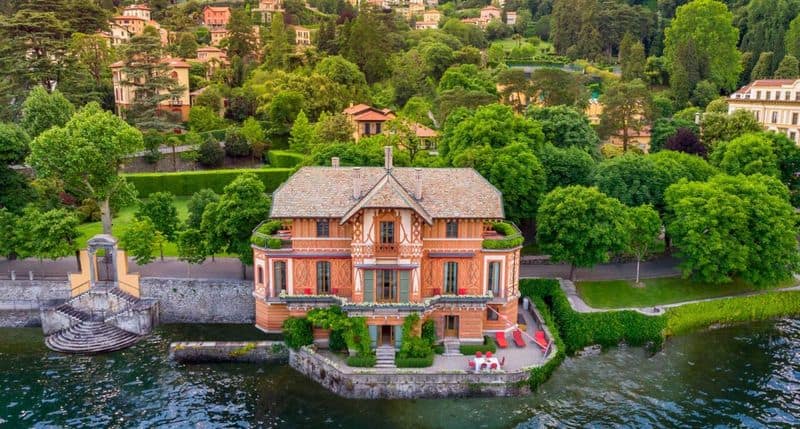
Villa d’Este is an iconic example of Renaissance architecture and garden design. Located in Tivoli, near Rome, it was commissioned by Cardinal Ippolito II d’Este.
Its gardens are famed for elaborate fountains and terraces that cascade down the hillside, creating a spectacular display of water and art. The villa’s intricate frescoes add to its charm.
Recognized as a UNESCO World Heritage site, Villa d’Este captivates visitors with its beauty and historical significance, offering a glimpse into opulent Renaissance life.
6. Neuschwanstein Castle, Germany
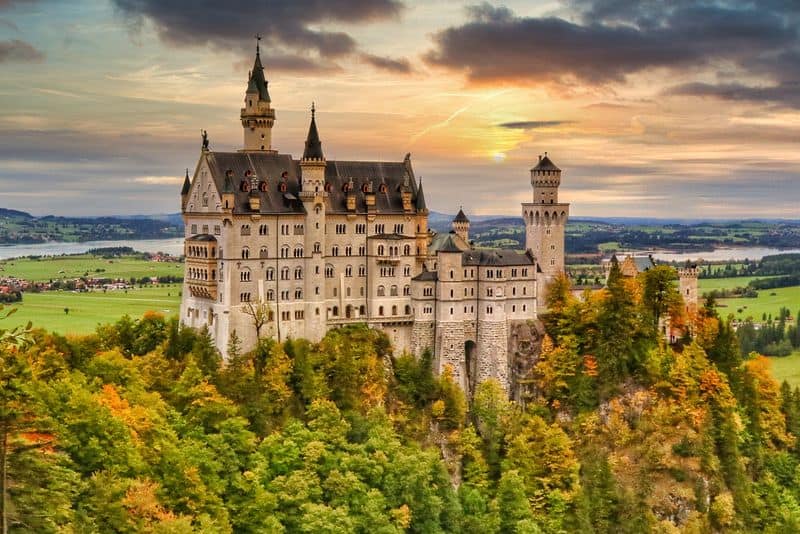
Neuschwanstein Castle is a fairy-tale fortress nestled in the Bavarian Alps. Commissioned by King Ludwig II, it epitomizes Romanticism’s dreamlike qualities.
Visitors are enchanted by its whimsical spires, grand halls, and breathtaking vistas.
Inside, the castle’s elaborate interiors reveal the king’s passion for medieval legends. An inspiration for Disney’s Sleeping Beauty Castle, Neuschwanstein remains one of the world’s most visited castles.
It stands as a testament to one man’s idealistic vision and architectural ambition.
7. Himeji Castle, Japan

Himeji Castle, often called the ‘White Heron,’ is a masterpiece of Japanese feudal architecture.
Its elegant white façade and strategic hilltop location exude majesty. Built in the early 1600s, it is renowned for its advanced defensive systems and intricate design.
Its preservation offers a rare glimpse into Japan’s samurai past. A UNESCO World Heritage site, Himeji Castle attracts visitors worldwide, drawn by its historical significance and beauty.
It remains a beloved symbol of Japan’s cultural heritage.
8. Monticello, USA
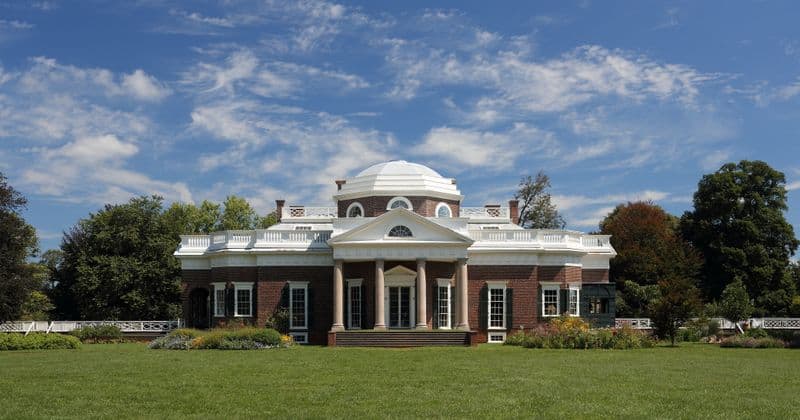
Monticello, Thomas Jefferson’s architectural masterpiece, reflects his innovative spirit and classic design sensibilities. Situated in the rolling hills of Virginia, it served as his personal residence.
The house’s neoclassical design and ingenious inventions reveal Jefferson’s intellectual curiosity and love for architecture. Monticello’s gardens reflect his passion for horticulture.
As a UNESCO World Heritage site, Monticello offers insights into Jefferson’s life and legacy. Visitors explore its historic rooms, gardens, and learn about its profound cultural impact.
9. Palácio Nacional de Sintra, Portugal
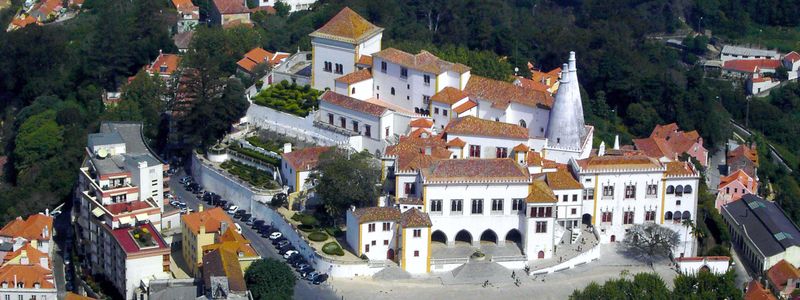
The Palácio Nacional de Sintra, located in Portugal, is a striking example of Manueline and Gothic architecture. Its dual conical chimneys dominate the skyline.
The palace’s intricate tile work and grand rooms have hosted Portuguese royalty for centuries.
Its blend of architectural styles reflects Portugal’s rich history. A UNESCO World Heritage site, it enchants visitors with its beauty and historical narratives.
The palácio is an enduring symbol of Portugal’s royal past and architectural prowess.
10. Casa Mila, Spain
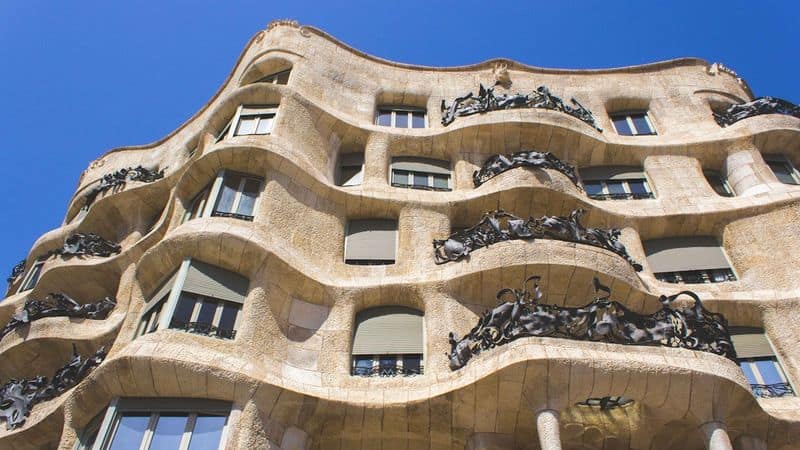
Casa Mila, known as La Pedrera, is Antoni Gaudí’s architectural marvel in Barcelona. Its unique, undulating stone façade and ironwork balconies captivate onlookers.
Completed in 1912, the building’s innovative design reflects Gaudí’s organic style and unconventional approach. Inside, the light-filled courtyard showcases his genius.
As a UNESCO World Heritage site, Casa Mila remains a vibrant cultural center and a testament to Gaudí’s visionary impact on architecture.
Visitors are drawn to its playful design and historical significance.