

Explore the unique fusion of raw brutalism and tropical charm, where concrete meets palm trees, and geometric shapes blend with lush greenery.
Discover how these contrasting styles create vibrant and inviting spaces.
1. Raw, Exposed Materials
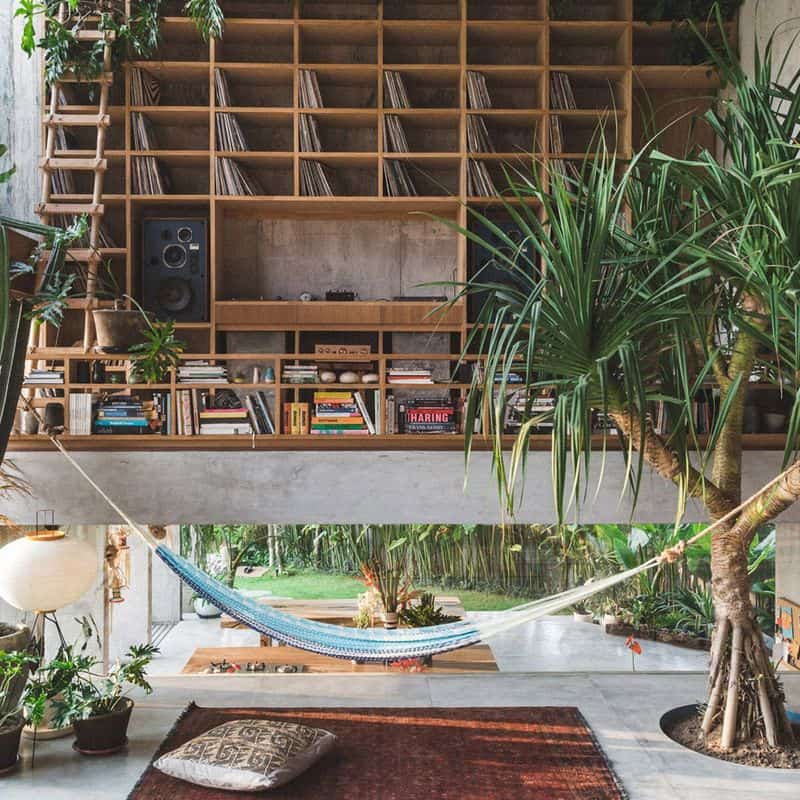
Imagine a space where the unfinished beauty of concrete and wood steals the spotlight.
This aesthetic celebrates the structural essence, offering a raw yet sophisticated ambiance.
With exposed beams and rough textures, every corner tells a story of architectural honesty.
The integrity of materials becomes a backdrop for creativity and innovation.
2. Natural, Earthy Color Palette
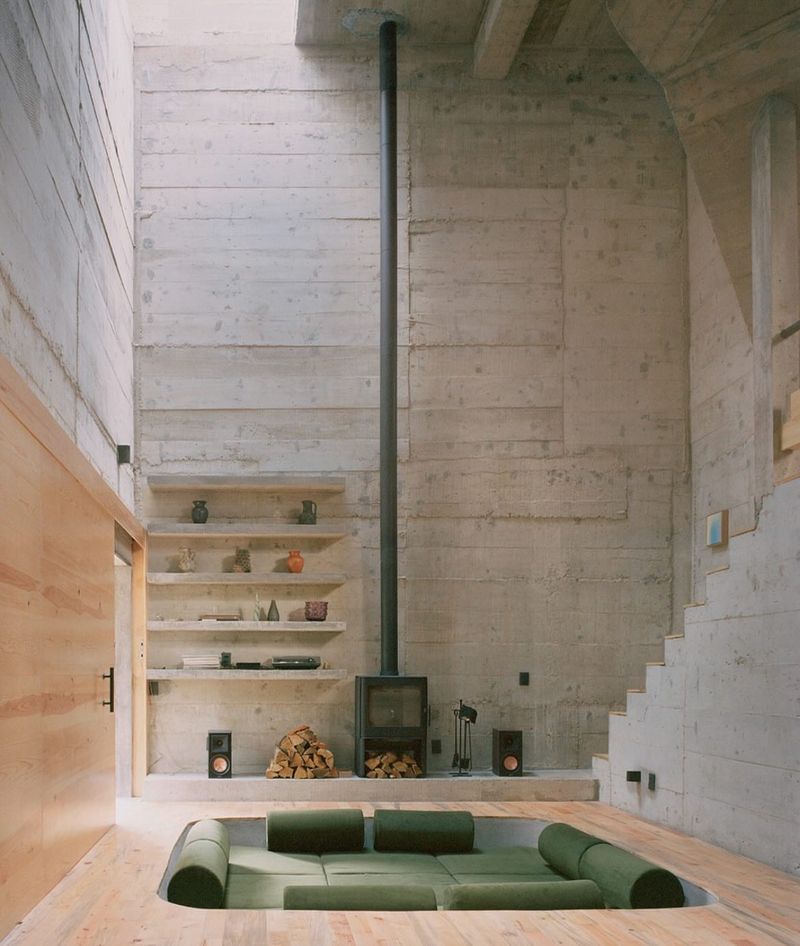
Embrace the tranquility of muted earthy tones that echo the hues of the tropics. Browns, greens, and terracotta provide a serene backdrop, inviting relaxation.
The palette connects indoor spaces with the natural world, offering a sense of harmony. It’s a subtle reminder of nature’s presence within urban living.
3. Bold Architectural Forms
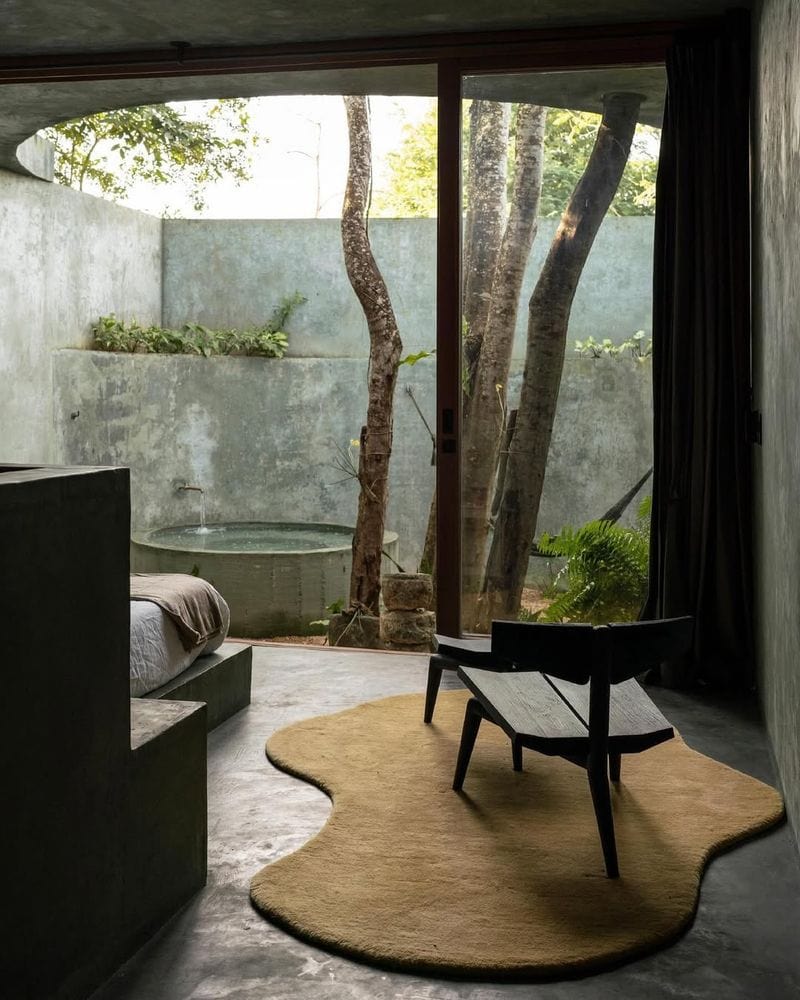
Bold geometric shapes redefine urban spaces, creating dramatic focal points.
These architectural elements serve both form and function, capturing attention with their striking presence.
They challenge conventional design norms, inviting exploration and curiosity. Such forms become the soul of interiors, offering a canvas for artistic expression.
4. Minimalist yet Sculptural Furniture
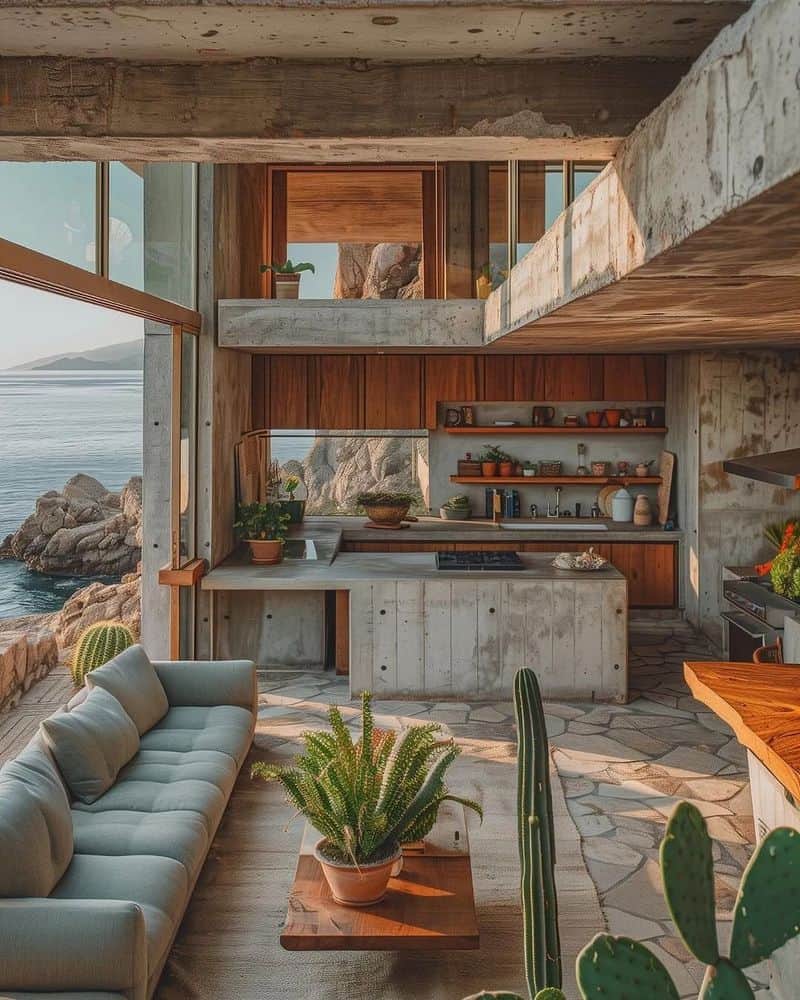
Minimalist furniture embraces simplicity with a twist—sculptural elegance.
These pieces, crafted from concrete, wood, or metal, redefine functionality.
Their clean lines and artistic forms challenge traditional furniture concepts, offering a unique blend of utility and beauty.
In this world, less is truly more, allowing artistry to shine.
5. Integration of Nature
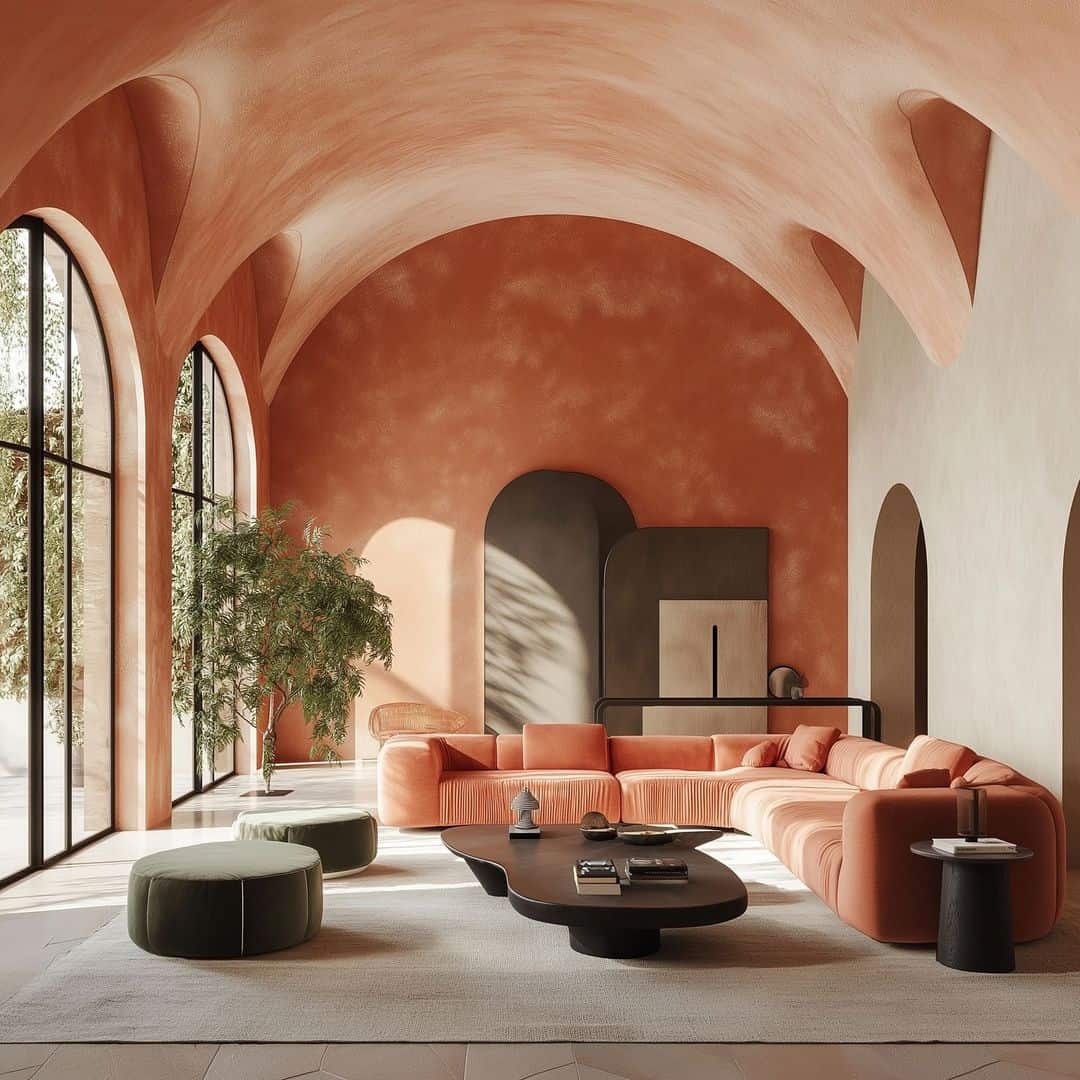
Lush greenery blurs the boundaries between indoors and outdoors, transforming spaces into vibrant ecosystems.
Indoor plants breathe life into interiors, offering visual and air quality benefits.
This integration fosters a connection with nature, promoting well-being and serenity within urban confines. It’s a celebration of nature’s resilience in the heart of the city.
6. Textured Surfaces

Textured surfaces invite tactile exploration, engaging the senses. Rough concrete walls contrast with soft woven fabrics, creating a dynamic interplay of materials.
Textured tiles add depth, offering a visual feast that intrigues and delights.
These surfaces serve as a testament to craftsmanship, bringing character and warmth to modern interiors.
7. Indoor-Outdoor Connectivity
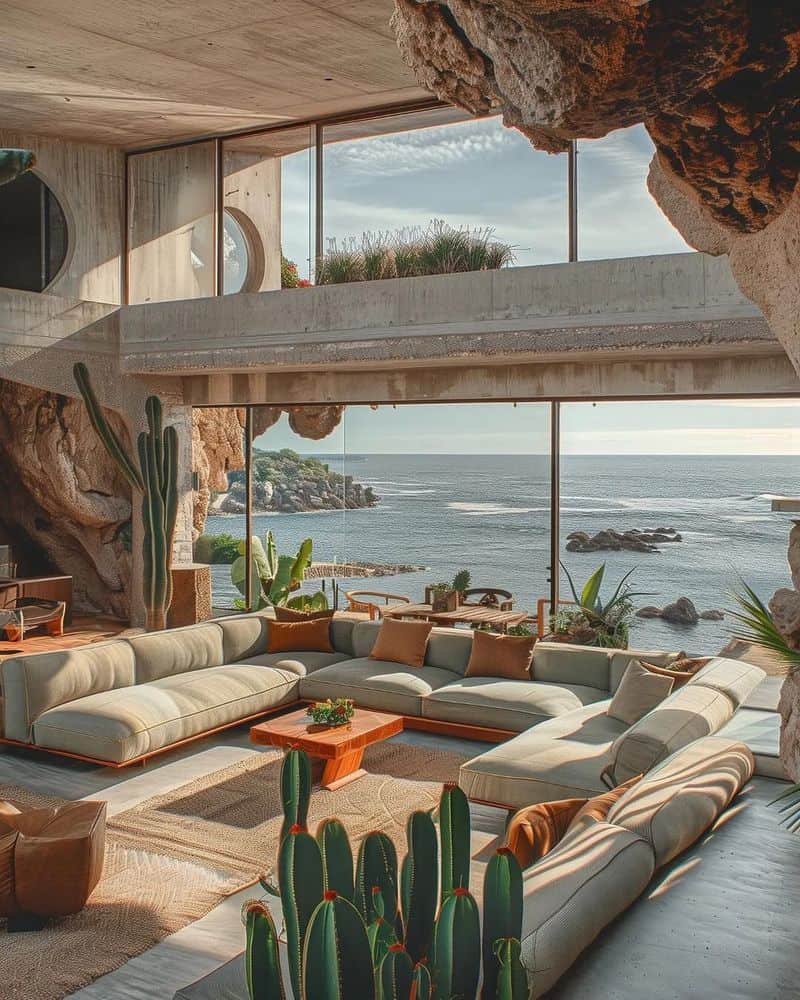
Seamless transitions redefine living spaces, erasing barriers between inside and out. Large windows and sliding doors invite nature in, enhancing the sense of openness.
This design philosophy fosters connectivity with the environment, enriching the living experience.
It’s about embracing the world beyond walls, creating a sense of boundless freedom.
8. Sustainable and Local Materials
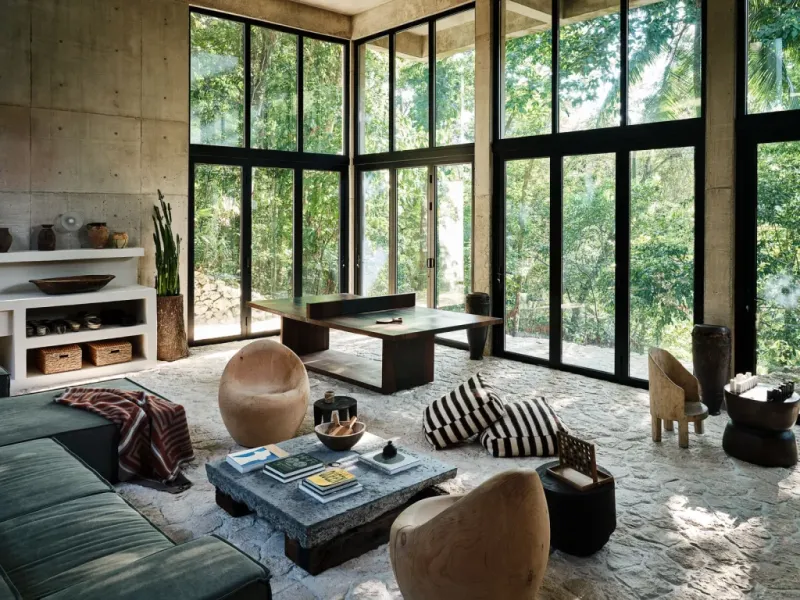
Sustainability takes center stage with the use of eco-friendly, locally sourced materials.
These choices reflect a commitment to environmental responsibility, reducing the carbon footprint.
The beauty lies in the story behind each material, connecting the space to its origins. It’s design with a conscience, where every element matters.
9. Contrasts and Layering
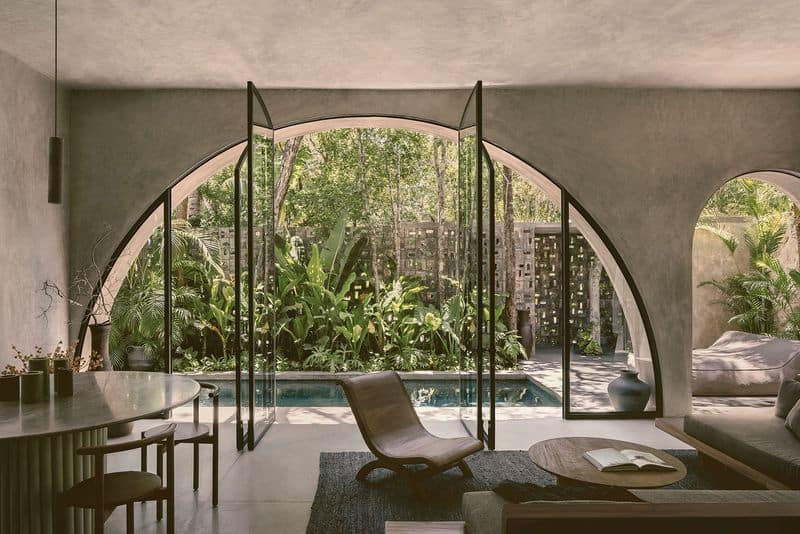
Layering contrasts create a symphony of textures and colors, offering depth and comfort.
Soft textiles and organic accessories juxtapose with the rawness of brutalism, adding warmth.
This harmonious blend showcases creativity in design, transforming spaces into inviting sanctuaries.
It’s the art of balance, where each layer contributes to the narrative.
10. Lighting with Warm Tones
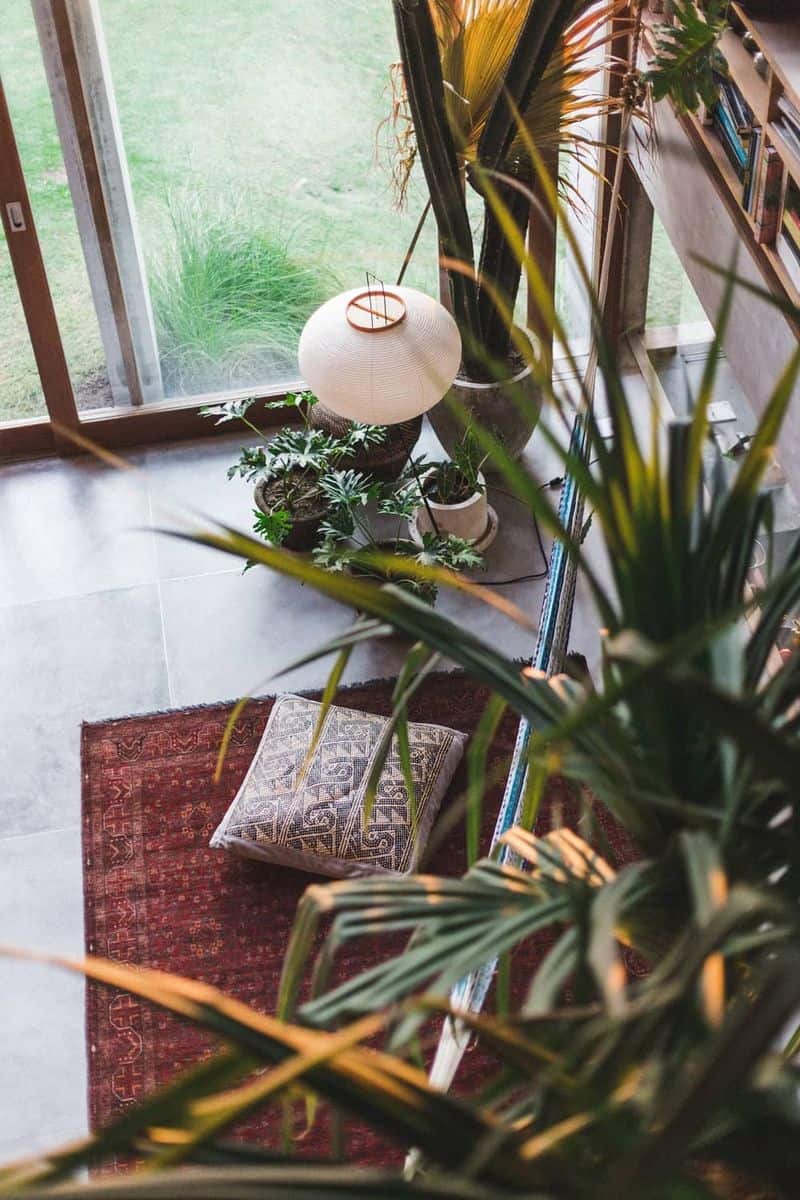
Warm lighting transforms urban interiors into cozy retreats. Ambient lights soften harsh edges, creating inviting atmospheres.
This lighting strategy balances the raw brutalism, offering comfort and allure.
It’s a dance of light and shadow, where every fixture plays a role in shaping the ambience, adding depth to the overall experience.