
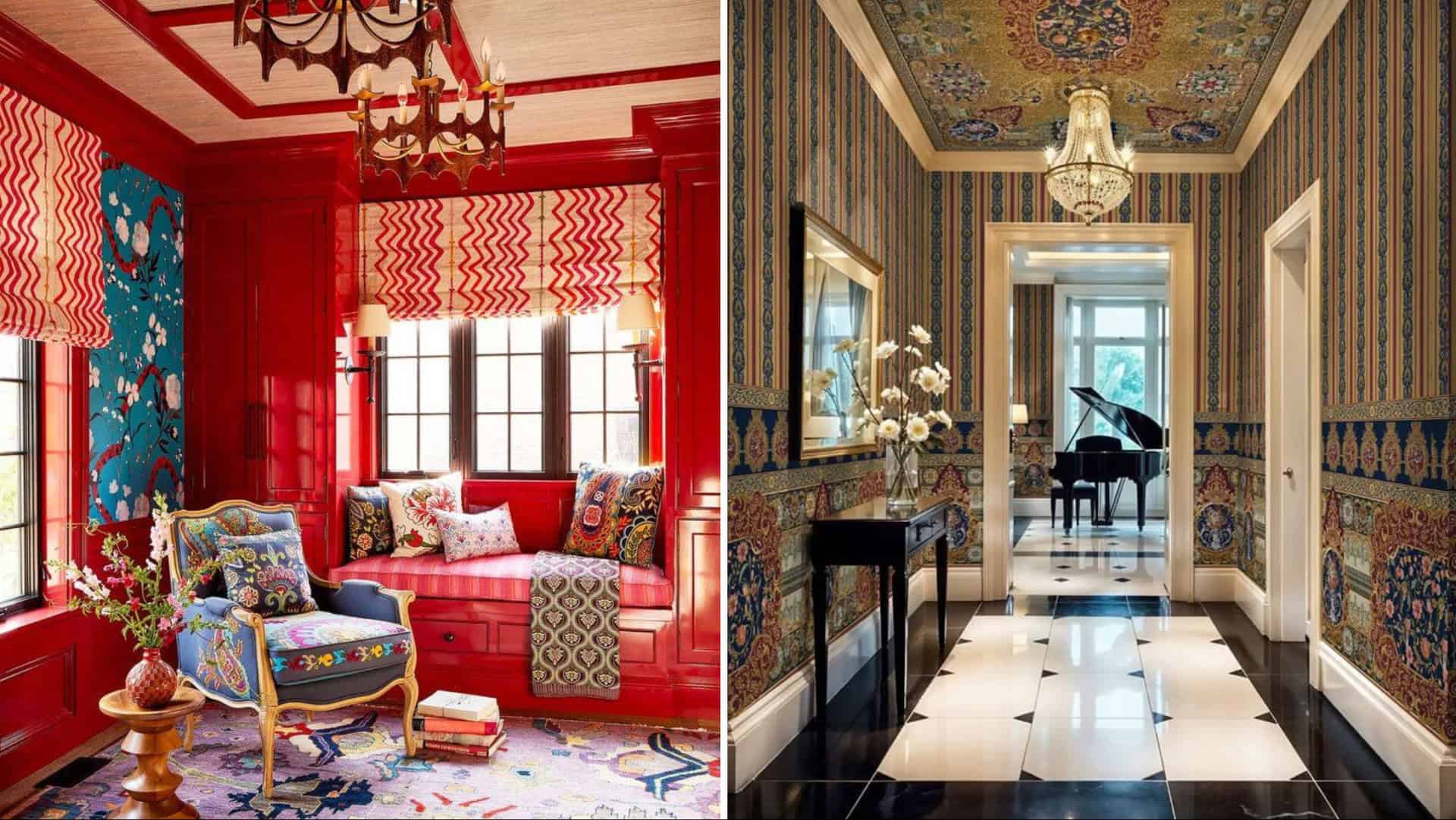
Carpeted ceilings, once a staple of mid-20th century design, offer a unique blend of acoustic functionality and aesthetic warmth.
While they might seem unconventional today, these textured surfaces continue to intrigue with their potential for modern revival.
From visual charm to acoustic benefits, explore 10 fascinating facts about these intriguing ceiling treatments.
1. Ambiance Effect: Creating Intimate Spaces
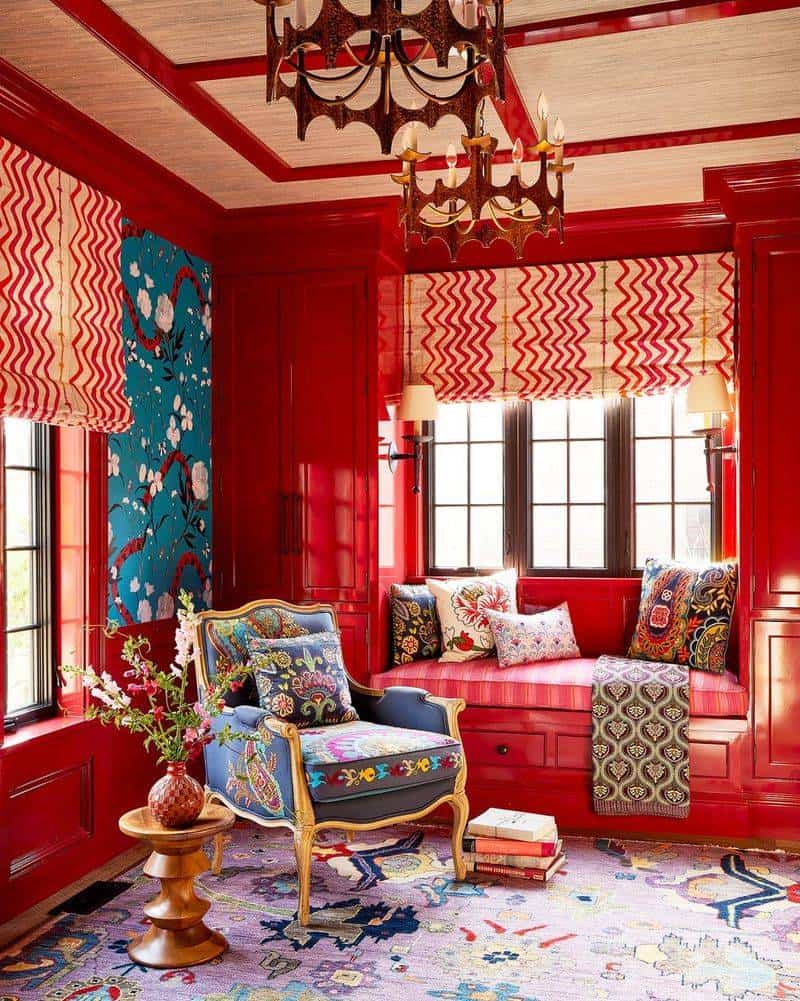
Carpeted ceilings can dramatically alter a room’s feel. Their soft, textured surface adds warmth, creating an inviting and intimate atmosphere.
Such ceilings often transform larger spaces into cozy retreats, ideal for relaxation.
The bohemian or vintage vibe they bring is perfect for those seeking a distinctive, comforting environment in their interiors.
2. Pros: More Than Just Sound Absorption
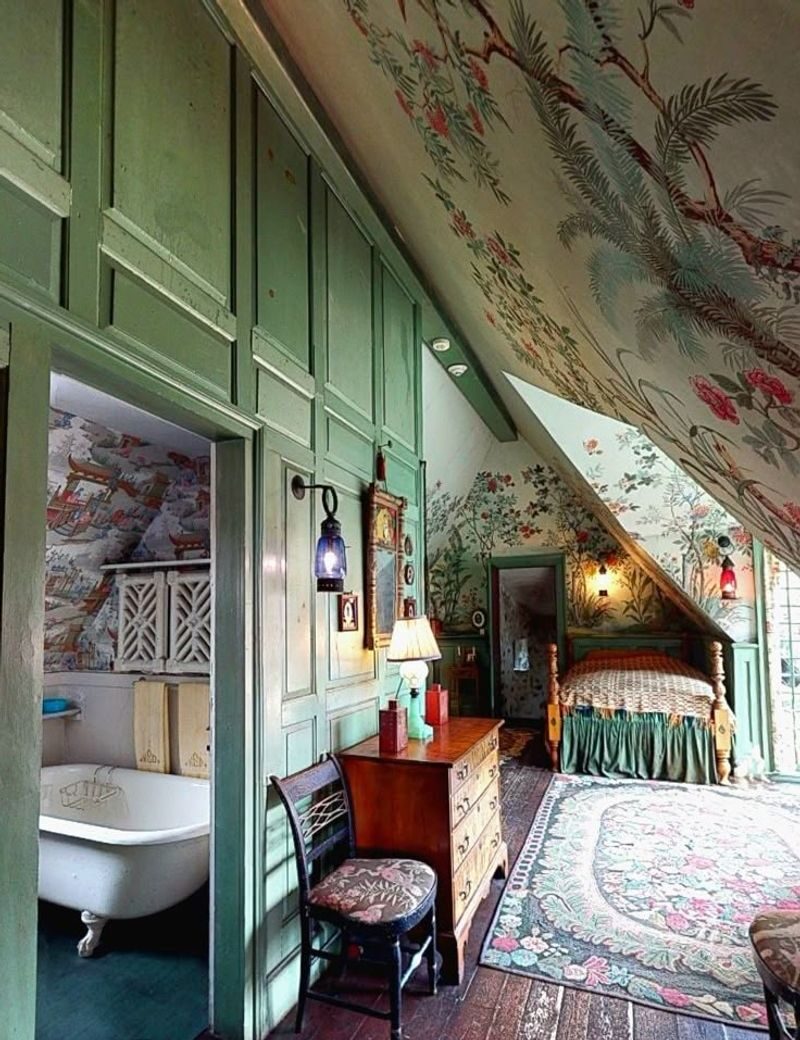
Carpeted ceilings provide various advantages beyond sound absorption. They add visual warmth, conceal imperfections, and even offer thermal insulation.
These benefits make them versatile in design applications.
Whether hiding unsightly wires or enhancing a room’s coziness, their multifaceted nature ensures they remain a valuable choice for innovative decorators.
3. Definition: What Are Carpeted Ceilings?
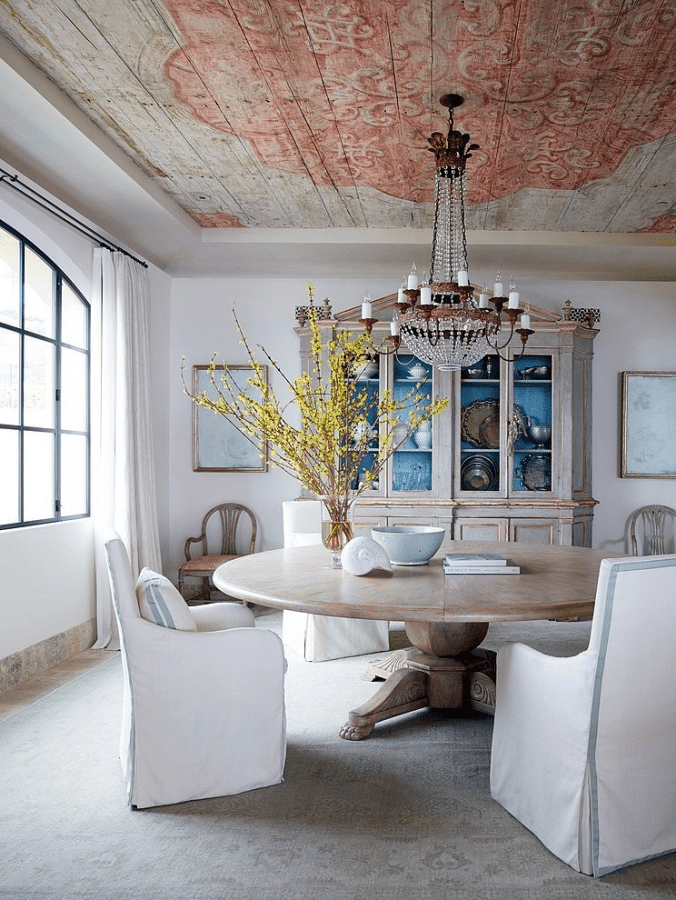
Carpeted ceilings feature fabric-covered surfaces, providing a textured and soft appearance.
These ceilings became popular for their ability to enhance a room’s acoustic quality while adding a unique visual element.
Often found in mid-century designs, they evoke nostalgia and charm, creating a cozy atmosphere in various settings, from homes to cinemas.
4. Design Considerations: Best Fit Spaces
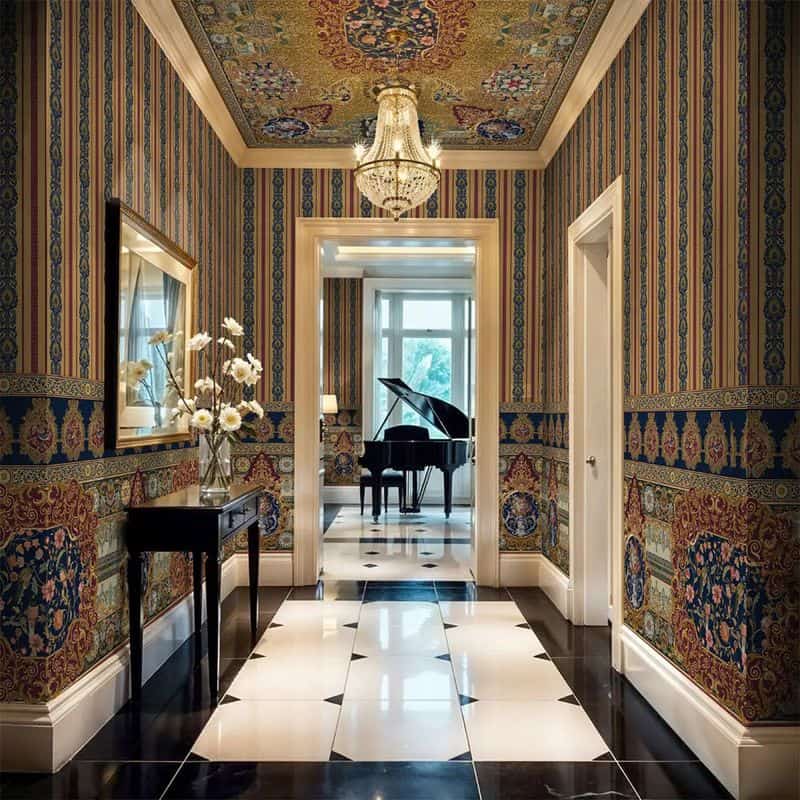
Carpeted ceilings are ideal for spaces where acoustic control is paramount, such as home theaters or music studios.
They enhance sound quality while adding aesthetic warmth. In environments prioritizing both function and form, these ceilings excel.
Their suitability for specific design needs makes them a unique choice for tailored interior projects.
5. Fun Fact: Carpeted Ceilings in Popular Culture

In popular culture, carpeted ceilings have made appearances in films and TV shows set in the mid-20th century.
These features often add authenticity to period pieces, highlighting their historical significance.
While they might seem dated, their presence in media underscores their impact on design trends, reminding us of their once-popular allure.
6. Materials: What Covers These Ceilings?
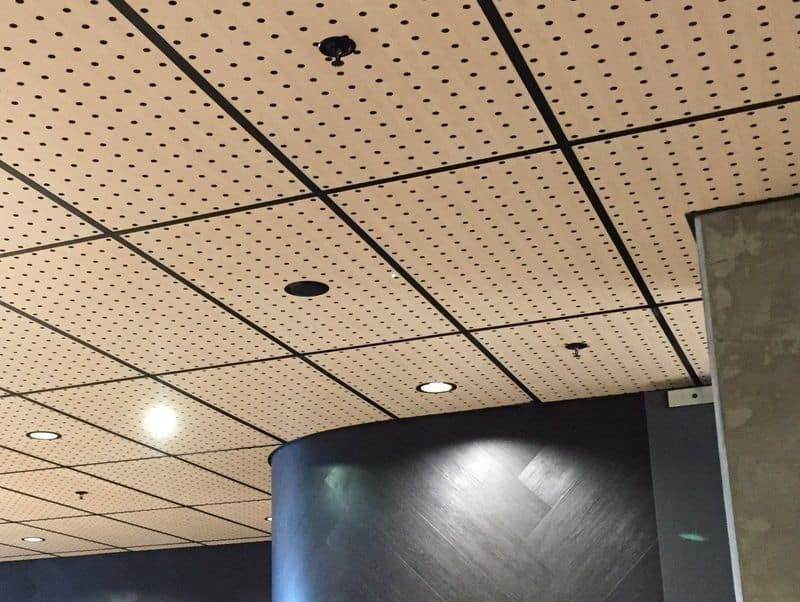
Typically, ceiling carpeting involves materials like acoustic tiles, fabric panels, and even plush textiles.
These materials contribute to both acoustic absorption and visual appeal.
Modern designs may include innovative fabrics that blend seamlessly with contemporary décor, offering both functionality and style.
This diversity in material choice allows for creative expression in interior design.
7. Acoustic Benefits: Quiet and Cozy
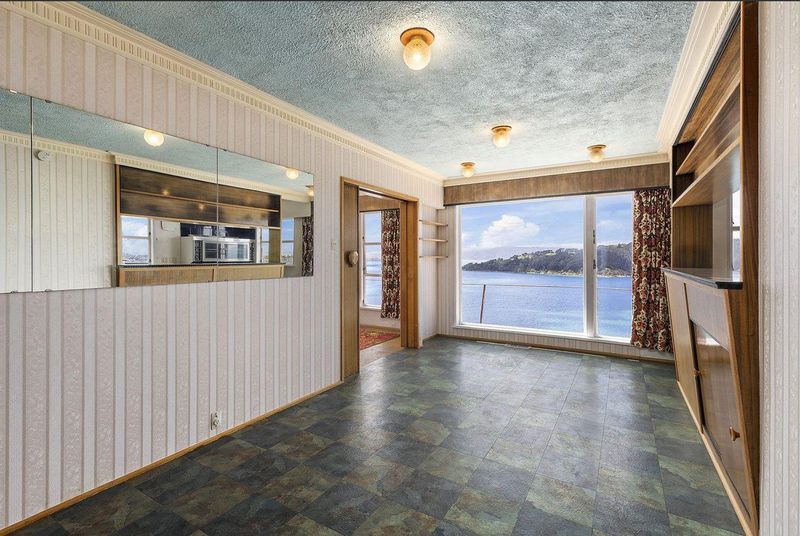
Carpeted ceilings are celebrated for their sound-absorbing qualities. By reducing echoes and minimizing noise, they transform spaces into tranquil havens.
Ideal for music studios or home theaters, these ceilings foster auditory comfort.
The combination of texture and acoustic efficiency enhances the overall ambiance, making them a practical choice for noise control.
8. Historical Popularity: A Mid-Century Trend
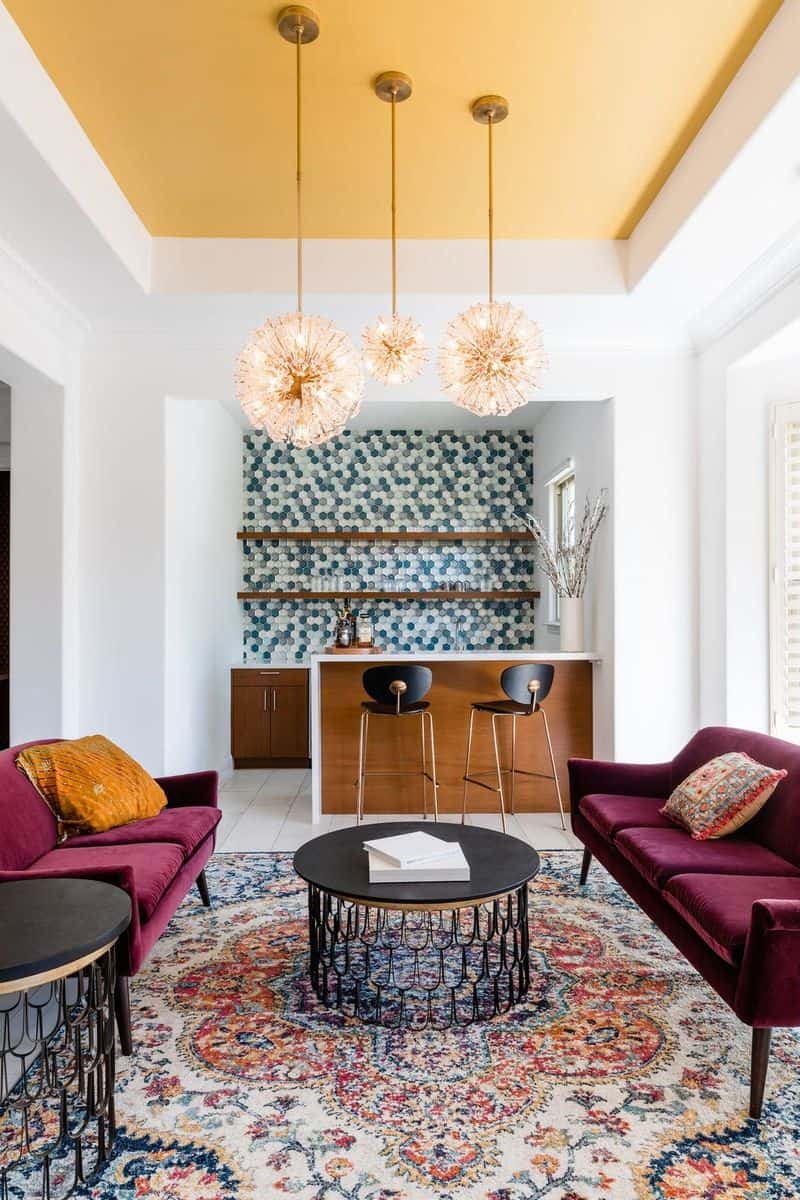
In the 1960s and 1970s, carpeted ceilings gained traction, especially in residential settings seeking warmth and charisma.
Their unique aesthetic appealed to those desiring comfortable and stylish interiors.
While their popularity waned with changing trends, these ceilings remain a nostalgic symbol of mid-century charm, waiting for potential revival in retro-inspired spaces.
9. Modern Revival Potential: Texture and Comfort
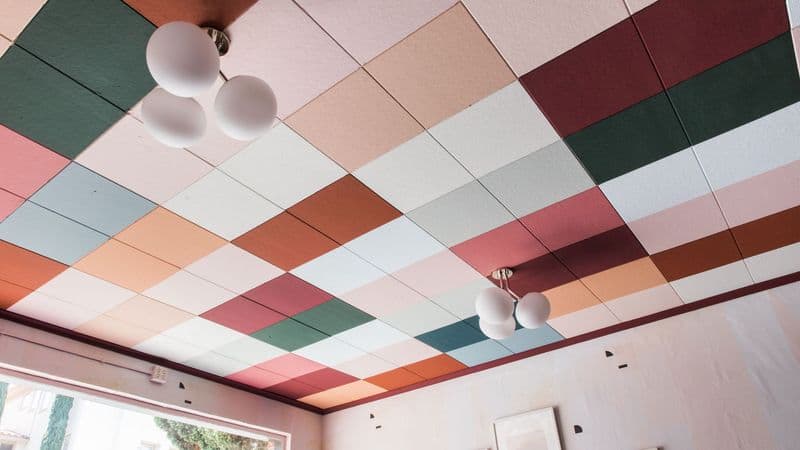
Though not common today, the potential for carpeted ceilings to make a comeback is real. As modern design embraces texture and comfort, these ceilings offer a unique solution.
Their ability to blend vintage charm with contemporary aesthetics appeals to those looking for something different.
This potential revival hints at a new era for textured ceilings.
10. Cons: Challenges of Maintenance
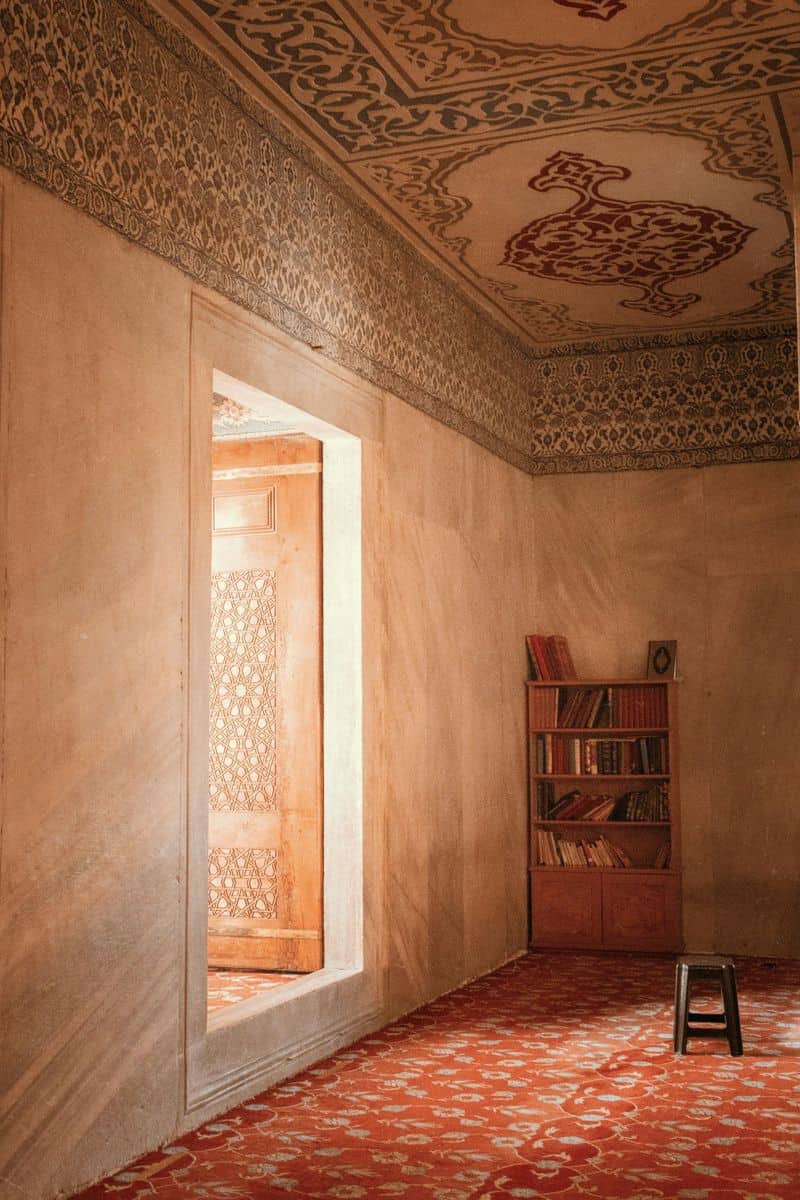
Maintaining carpeted ceilings can be daunting. They often require regular vacuuming or professional cleaning to prevent dust accumulation.
In humid environments, they might harbor mold or pests, necessitating careful upkeep.
Despite these challenges, with proper maintenance, they can remain a stylish and functional part of any interior design.