

Discover the common pitfalls in traditional room arrangements that can result in uninspired and monotonous living spaces.
We’ll explore 10 facts about default setups that might be holding your home back from its full potential.
Check out the imaginative solutions to transform these areas into dynamic and personalized environments.
1. Centered Furniture Is Overused
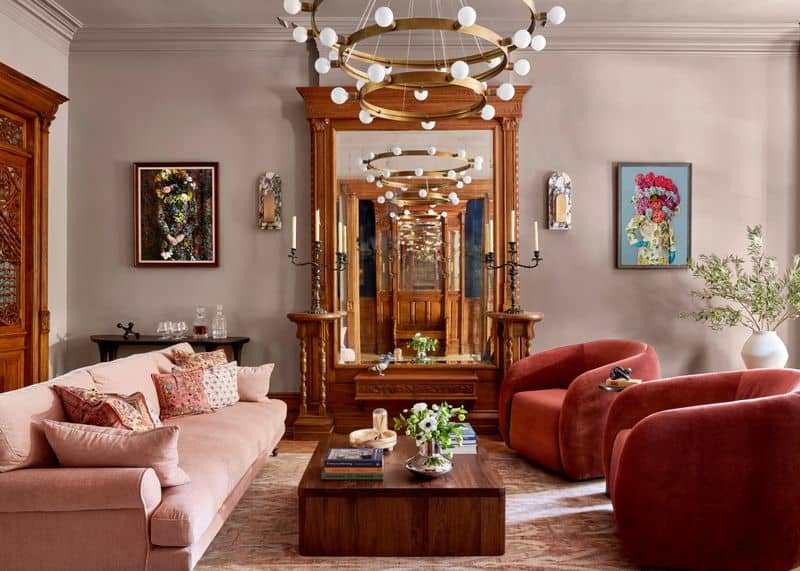
Is your living room stuck in the middle? Most homes arrange furniture in the center, which often leads to a static environment.
This setup tends to overlook unique architectural features.
By shifting the focus, you can create a dynamic space that embraces the room’s character and charm.
2. Default Arrangements Prioritize Symmetry
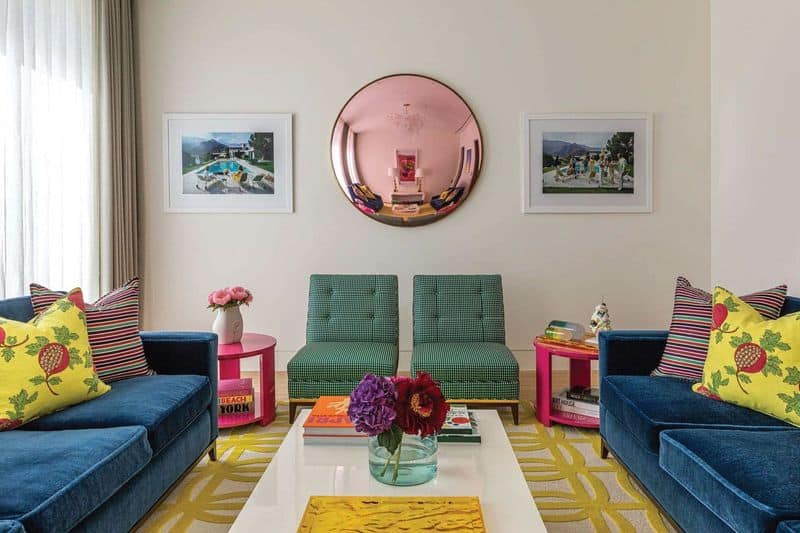
Symmetry might bring balance, but it can also strip a room of its personality. Default arrangements often prioritize this balance, leading to spaces that feel formulaic.
By embracing asymmetry, you can inject life and movement into your home, making it feel more personal and engaging.
3. Furniture Close to Walls Is Limiting
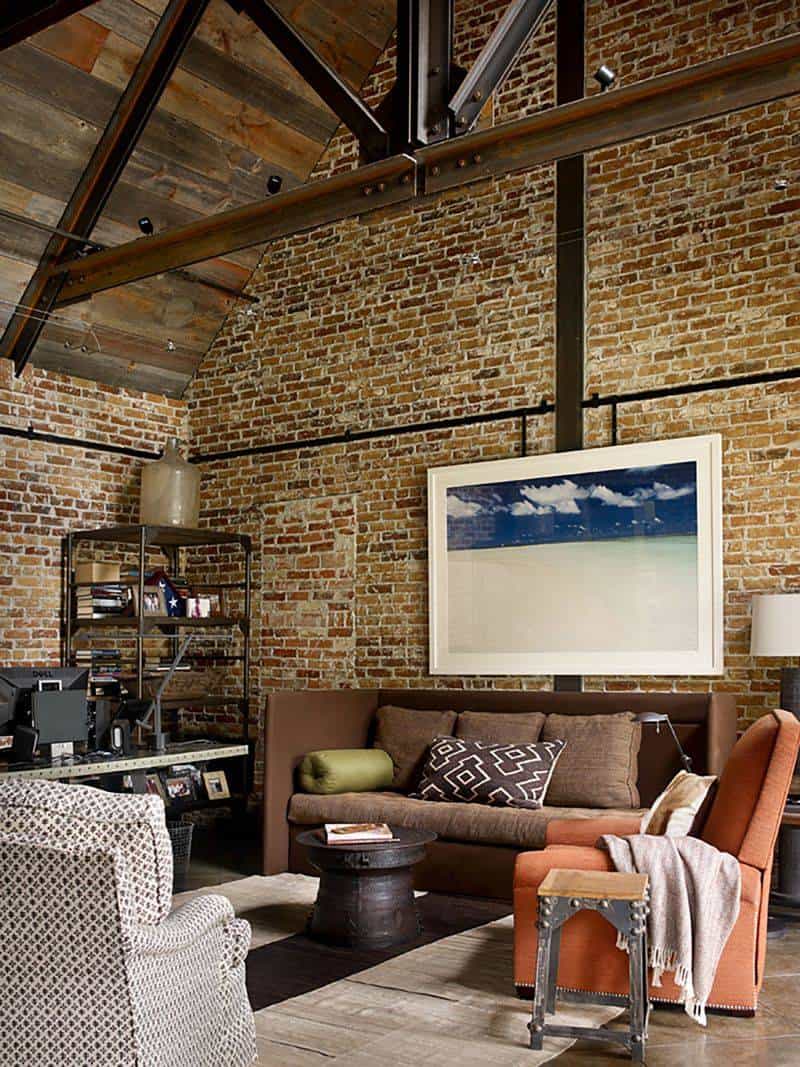
Pushing furniture against walls can be a comfort zone for many. However, this approach can make a room feel boxed in and less welcoming.
Try floating pieces in the room to create cozy, intimate areas that invite conversation and relaxation.
4. Ignoring Focal Points
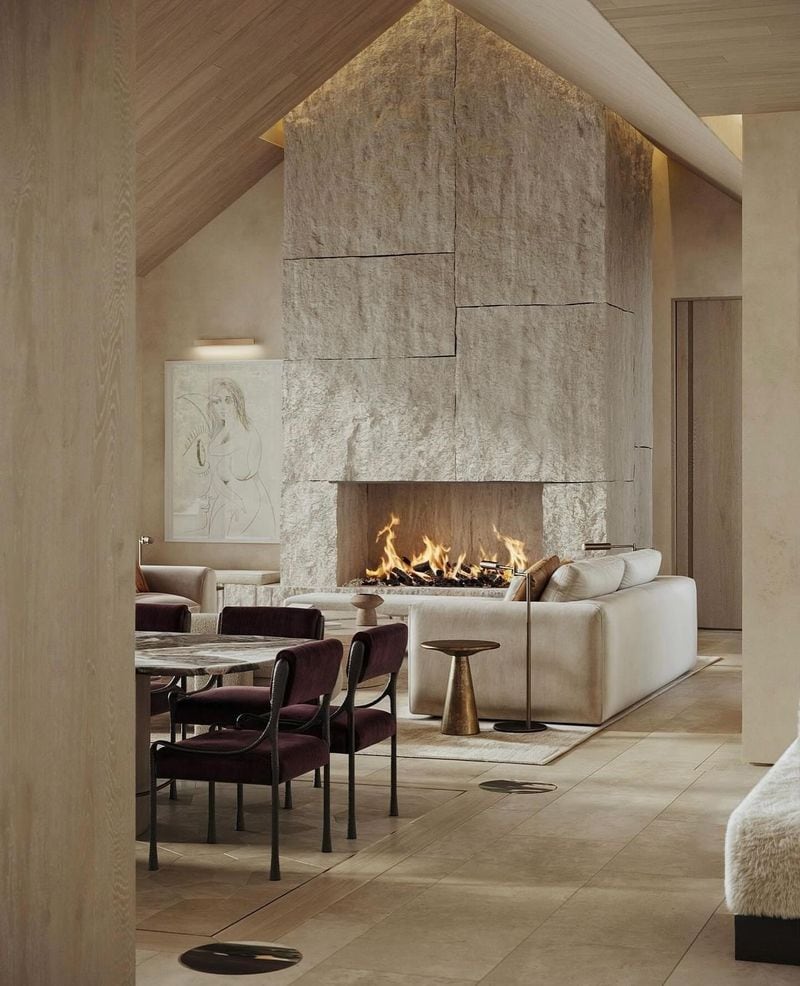
Fireplaces, large windows, and views often go unnoticed in default setups. These elements can be the stars of a room.
By highlighting them, you create a focal point that draws the eye and enhances the room’s aesthetic appeal.
5. Limited Use of Space
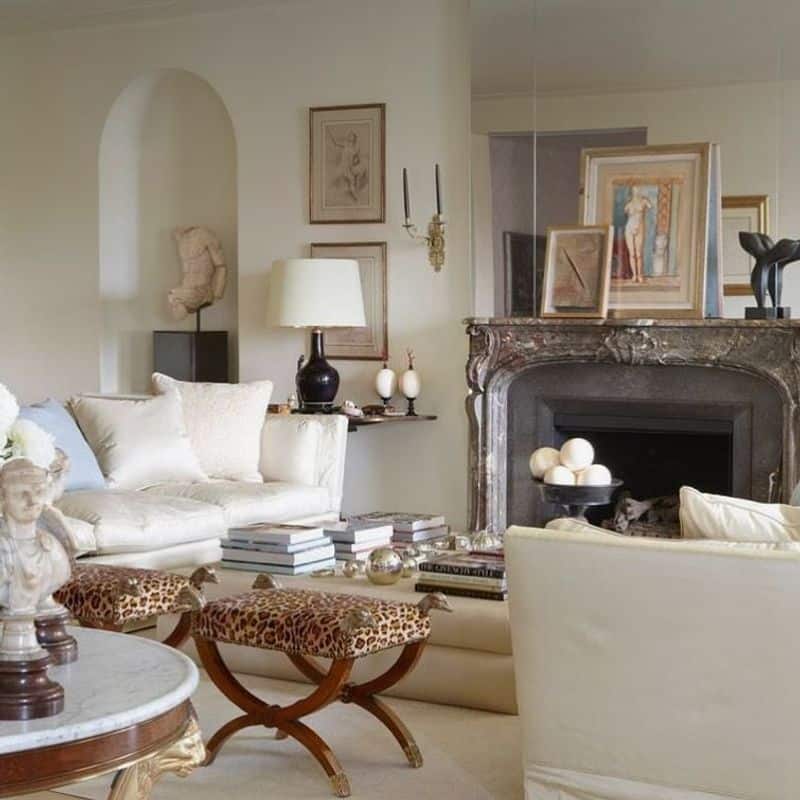
Corners and awkward spaces frequently go to waste in traditional layouts. These areas can be transformed into valuable, functional spots.
Whether it’s a reading nook or a display area, utilizing these spaces can maximize a room’s potential.
6. Over-Reliance on Pre-made Room Layouts
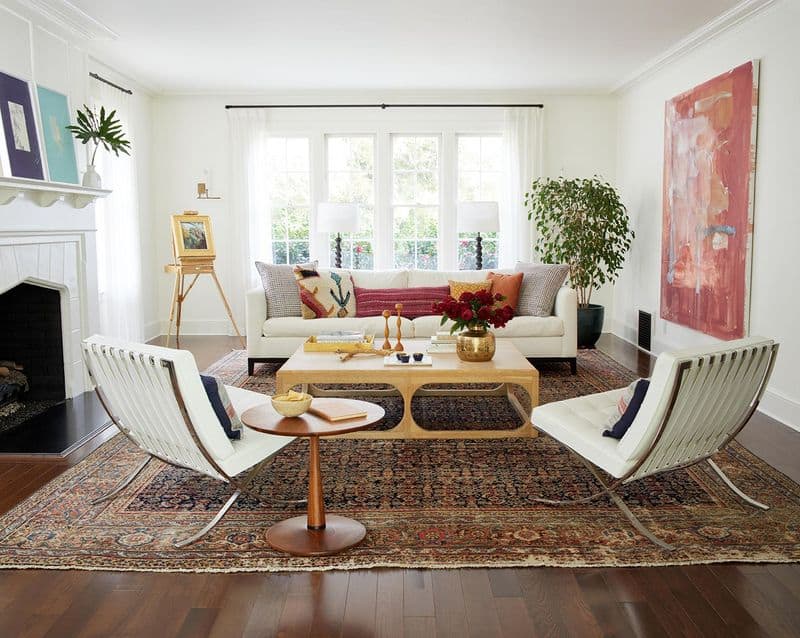
Following pre-made templates can lead to rooms that lack individuality. These layouts seldom reflect the unique needs or tastes of their inhabitants.
Break away from the norm and tailor your space to better suit your lifestyle and preferences.
7. Lack of Flexibility
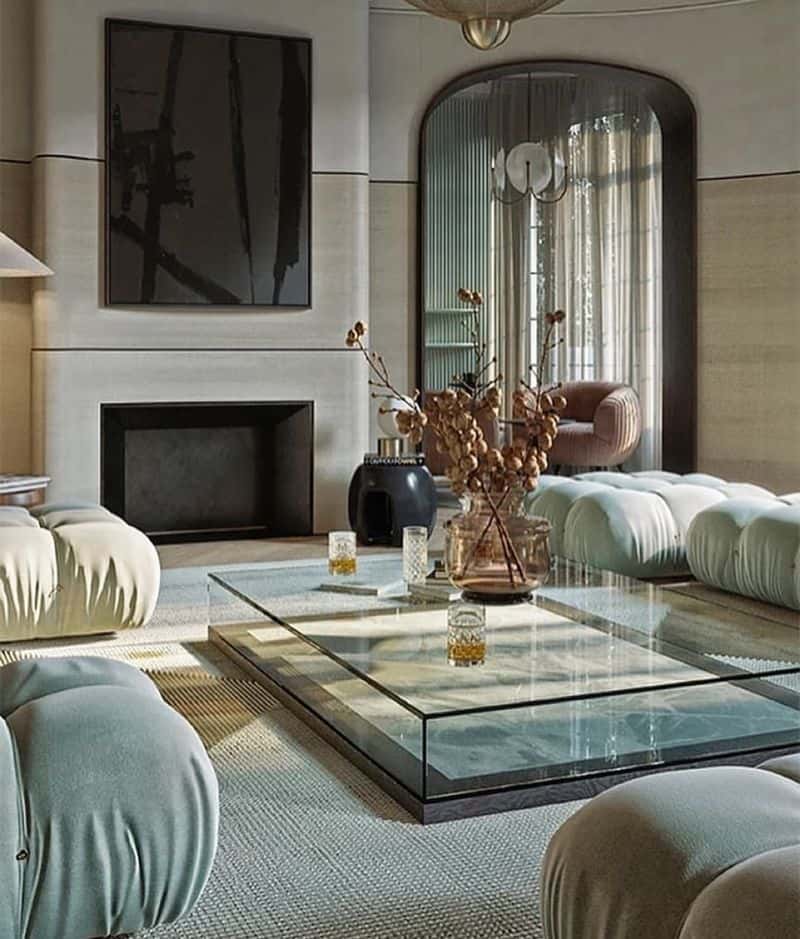
Fixed furniture arrangements can limit a room’s adaptability. If a room can’t accommodate changes in activities or furniture, it might feel stagnant.
Open up your space and allow it to evolve with your needs and social interactions.
8. Poor Traffic Flow
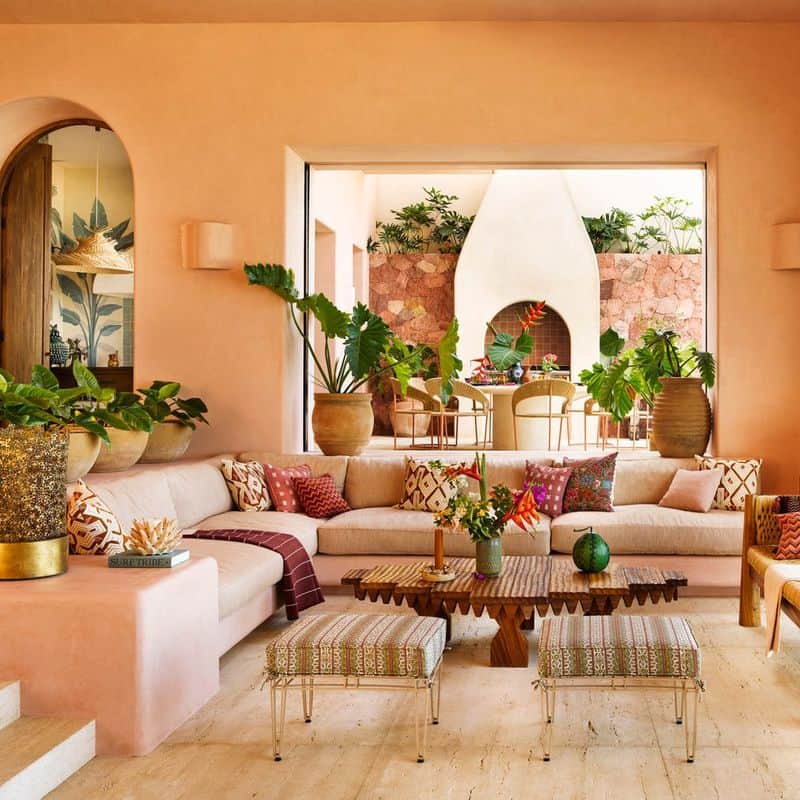
Have you ever stumbled over furniture? Poor traffic flow can clutter your space and make movement awkward.
Creating clear pathways can simplify navigation, making your home feel more open and inviting.
9. Neglecting Vertical Space
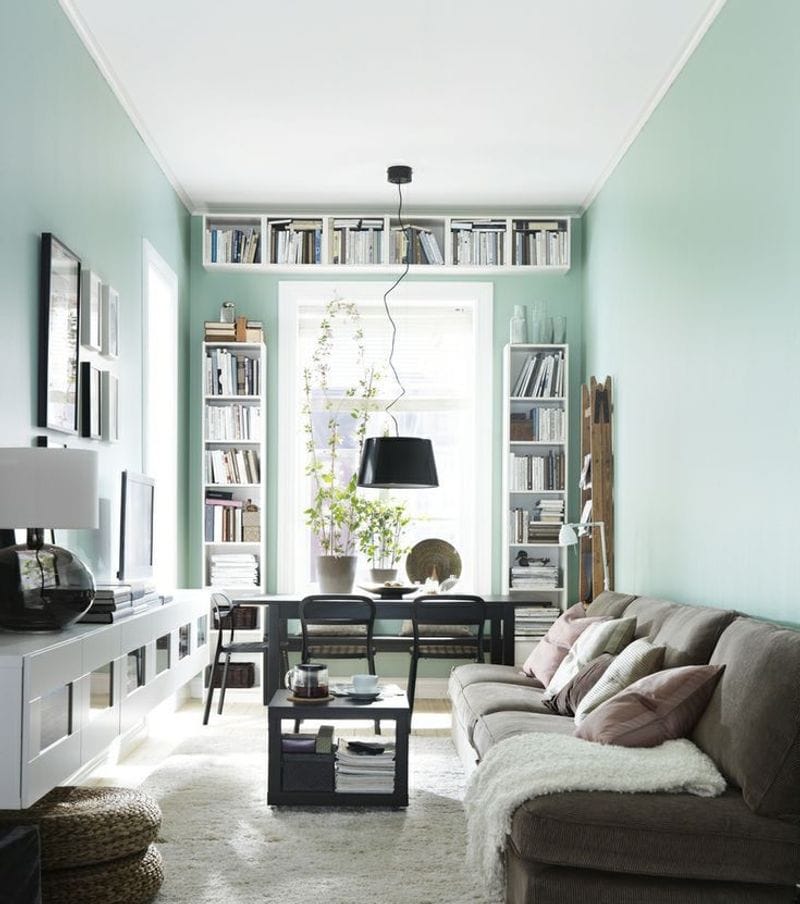
Neglecting vertical space means missing out on storage and decorative possibilities.
Wall-mounted shelves, hanging plants, or artwork can add dimension and interest to your room.
Think vertically, and you’ll find new ways to express yourself.
10. Minimal Personalization
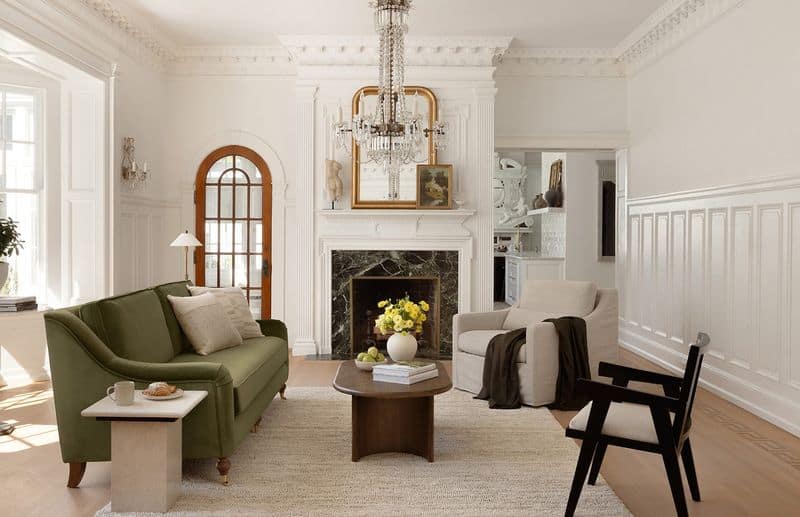
A room should reflect your character and taste. Standard placements often result in spaces that feel sterile and impersonal.
Add personal touches through art, textiles, or unique furniture to make the space truly yours.