
Storing food in the fridge is often seen as a way to extend its freshness, but not every food belongs there.
Some items can lose flavor, texture, or nutritional value when refrigerated. Understanding which foods should avoid the cold can help you savor their true taste and quality.
Here’s a look at 13 common foods that should be stored elsewhere.
1. Tomatoes
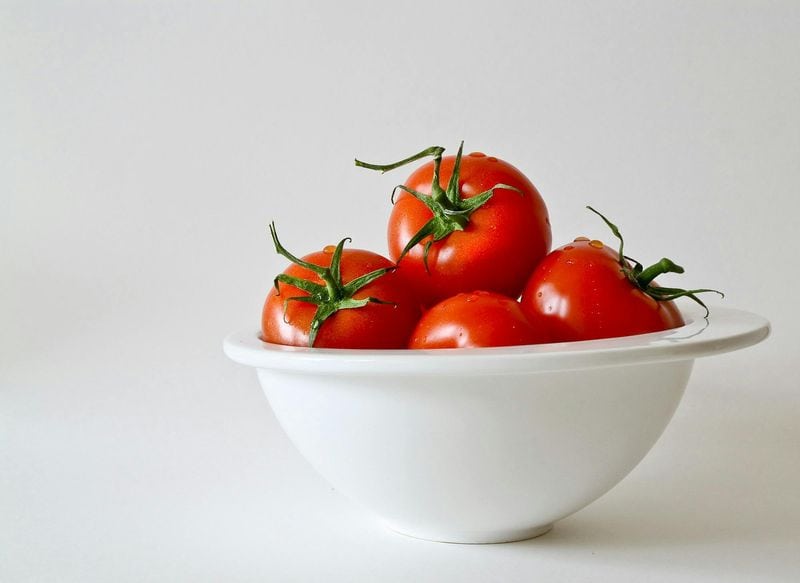
Tomatoes are often tossed into the fridge without a second thought, yet the cold can wreak havoc on their taste and texture.
The chilly environment strips them of their rich flavor, leaving them mealy and bland. Instead, store tomatoes on the counter, where they can ripen to sweet perfection.
Did you know? Tomatoes continue to develop taste compounds after being picked, which is why the fridge is their arch-nemesis.
2. Potatoes
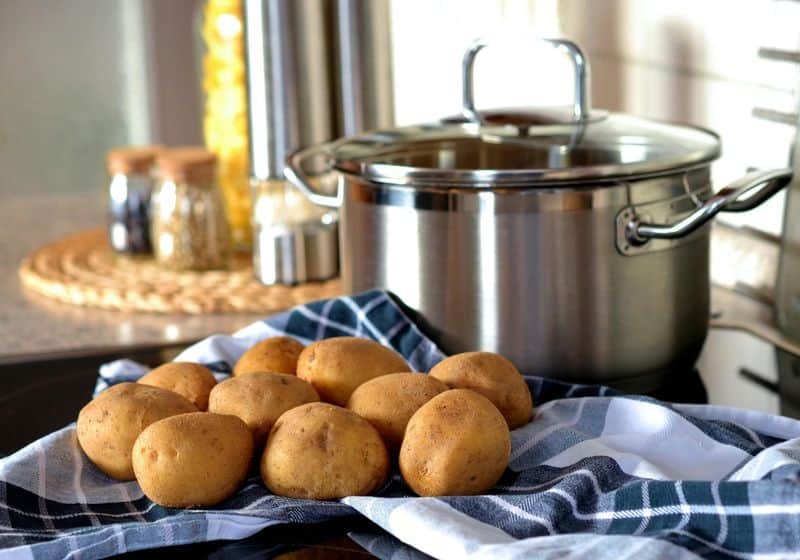
A fridge might seem like a safe haven for potatoes, but cold temperatures turn their starch into sugar, leading to an unpleasantly sweet taste.
Keeping them in a dark, cool pantry ensures they maintain their earthy flavor.
Interestingly, potatoes have been cultivated for over 7,000 years, cherished for their adaptability in various climates yet notoriously picky about their storage conditions.
3. Bread
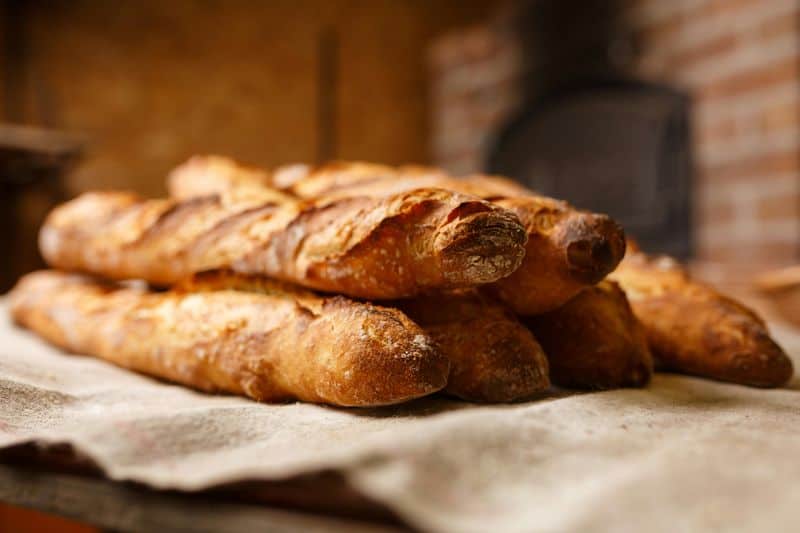
While a fridge might seem like the perfect place to keep bread fresh, it actually accelerates staling. The cold air dries out bread, making it hard and unappetizing.
For a soft, fresh loaf, store bread in a bread box or a cloth bag at room temperature.
Fun fact: Ancient Egyptians were among the first to develop leavened bread, a staple that deservedly requires careful storage.
4. Garlic
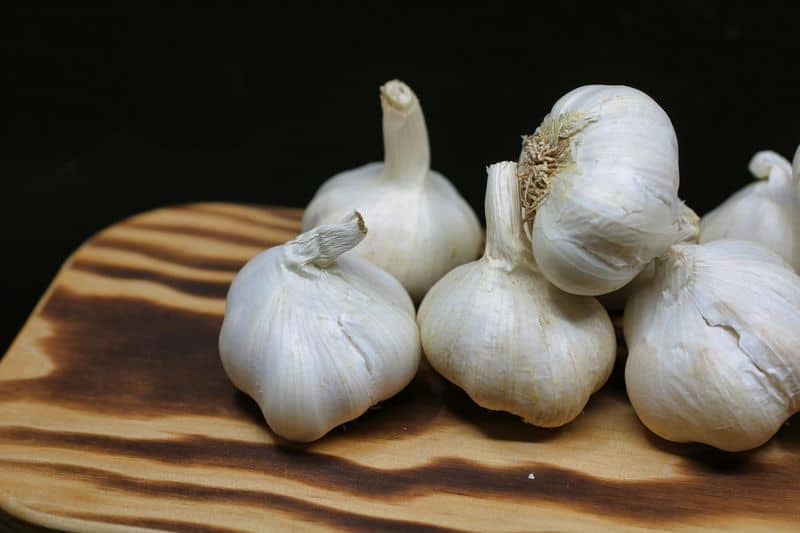
Garlic heads don’t belong in the fridge as the cold encourages sprouting and mold. Instead, they thrive in a dry, ventilated space.
By keeping garlic out of the fridge, you preserve its pungent aroma and robust flavor. Did you know?
Garlic’s use dates back over 5,000 years, prized not only for its culinary uses but also for its reputed medicinal properties.
5. Honey

Refrigerating honey can lead to crystallization, transforming its smooth, viscous texture into a gritty mess.
Honey is a natural preservative and can safely be kept in a sealed jar at room temperature.
Fascinatingly, honey never spoils if stored properly, with archaeologists discovering still-edible honey in ancient Egyptian tombs, a testament to its longevity.
6. Onions
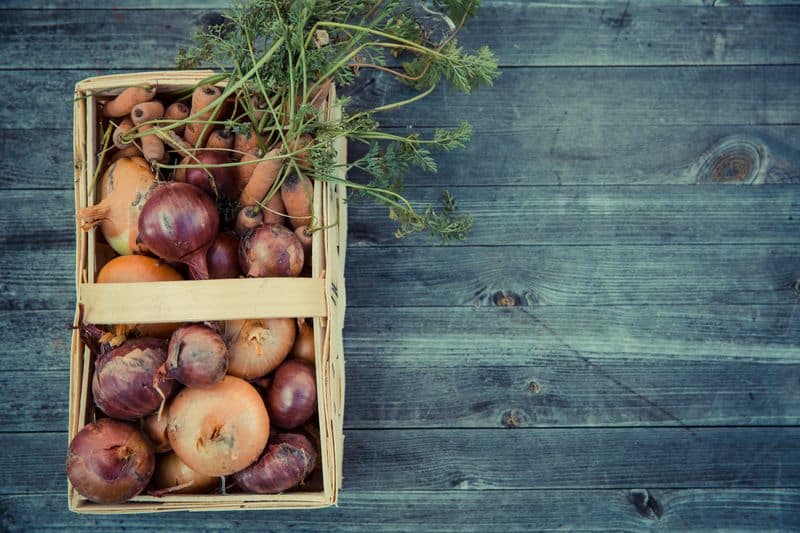
The fridge has no place for onions, as moisture and cold can cause them to become mushy and spoil faster.
Onions prefer a dry, well-ventilated space to maintain their sharp taste and firm texture.
Historically, onions have been cultivated for thousands of years, valued for their versatility in cooking and their symbolic status in various ancient cultures.
7. Coffee Beans
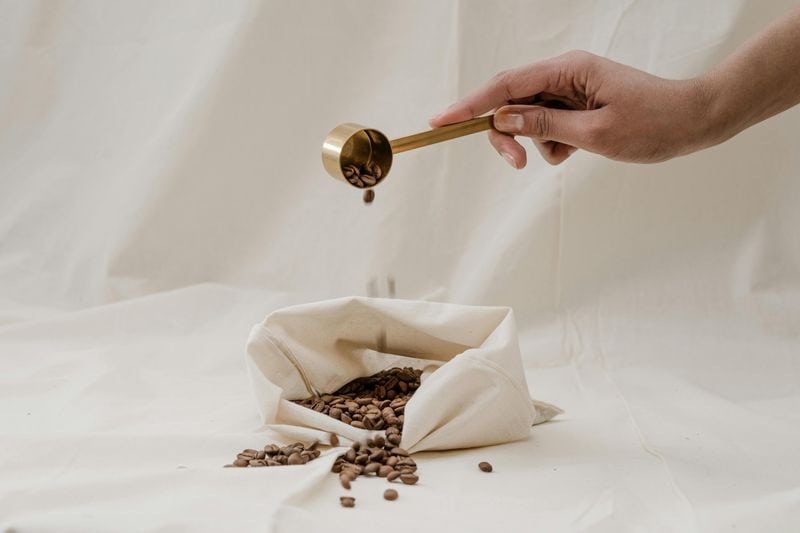
Storing coffee beans in the fridge is a mistake, as they can absorb odors and moisture, altering their rich flavor.
A dark, airtight container away from light and heat is ideal for preserving their aromatic qualities. Did you know?
Coffee beans are actually the seeds of the coffee cherry, and their freshness is key to a delicious cup of coffee.
8. Avocados
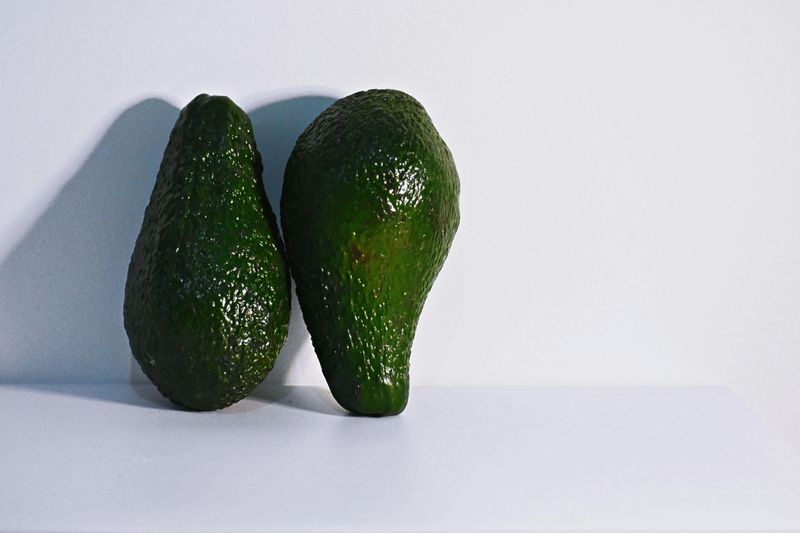
While the fridge can delay the ripening of avocados, it also halts their natural development of flavor and creaminess.
Storing avocados at room temperature allows them to ripen perfectly. Once ripe, refrigerate them for a couple of days if necessary.
Avocados, known as “alligator pears,” originate from south-central Mexico and are beloved for their rich, buttery texture.
9. Bananas
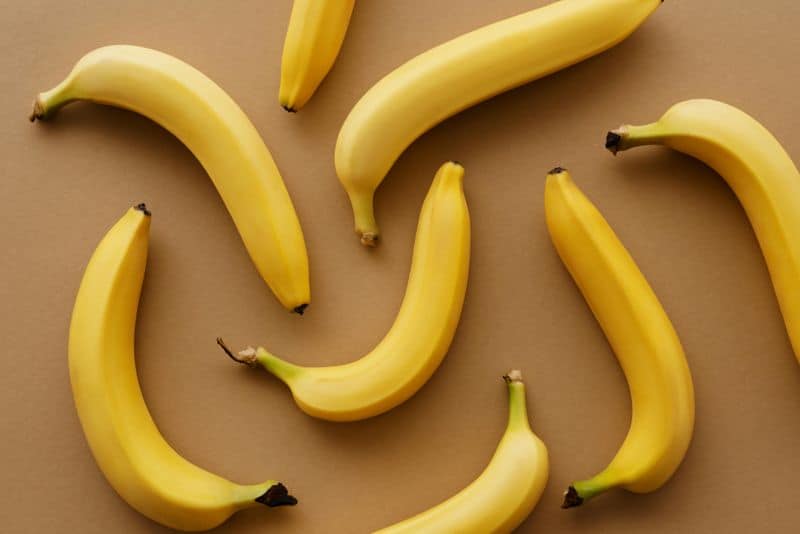
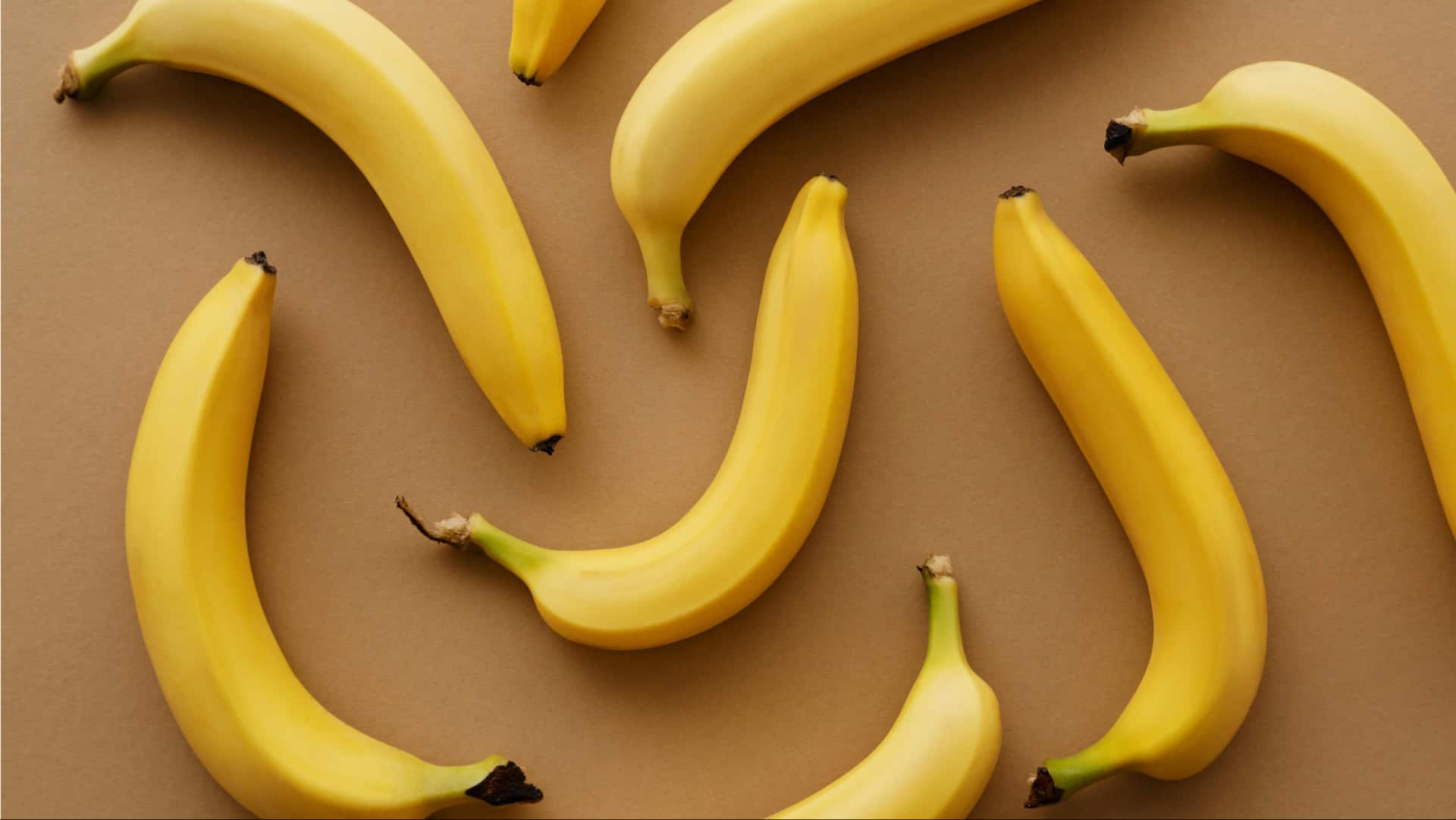
Bananas in the fridge may turn black but stay firm inside. The cold disrupts the ripening process, affecting their natural sweetness.
They are best kept on the counter to ripen naturally.
An interesting tidbit: bananas are technically berries, and their peels contain tryptophan, a precursor to serotonin, contributing to mood enhancement.
10. Olive Oil
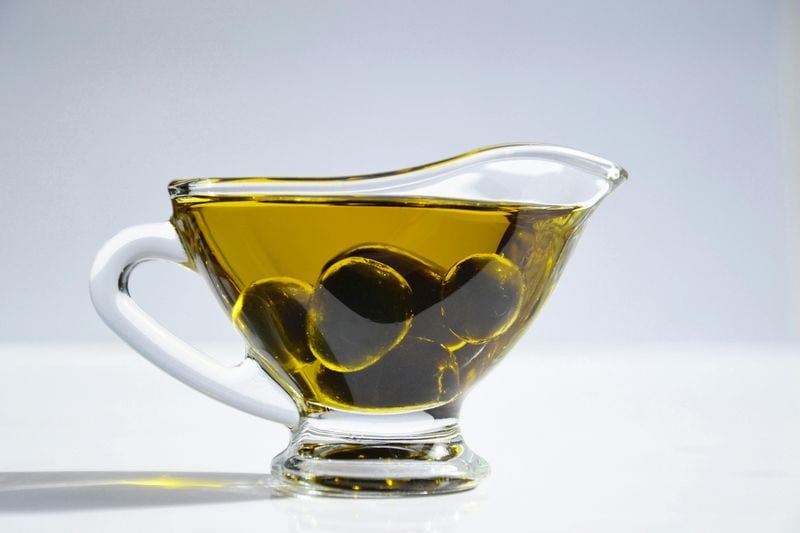
Cold temperatures can cause olive oil to solidify and lose its integrity. Instead, store it in a cool, dark place to retain its rich flavor and nutritional benefits.
Olive oil has been a cornerstone of Mediterranean cuisine for centuries, valued for its health benefits and culinary versatility.
Its storage is as essential as its use in dishes.
11. Basil
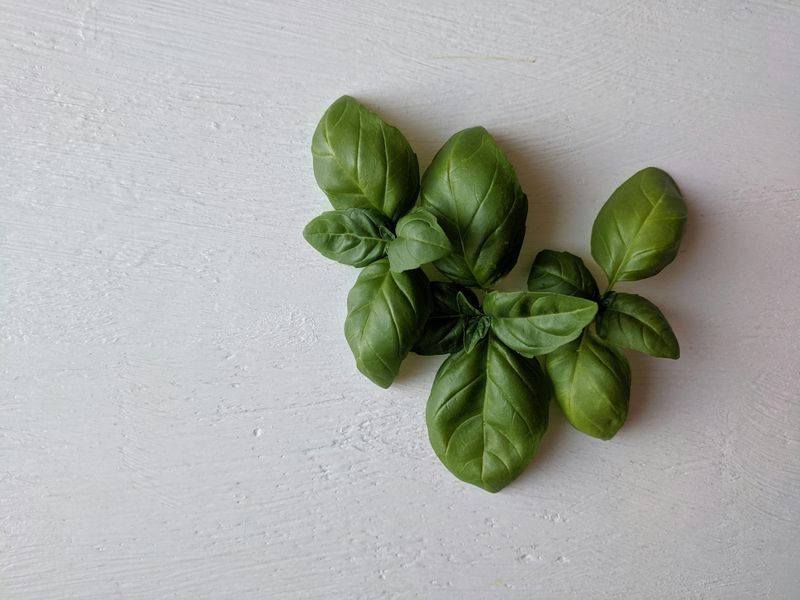
Refrigerating basil can lead to dark, wilted leaves, stripping it of its fresh aroma. This herb thrives when stored like flowers, in water at room temperature.
Basil, originally from India, has been cherished for its aromatic qualities and is a staple in Italian cooking.
Its preservation reflects its vibrant culinary importance.
12. Pumpkin

The fridge seems like a logical place for pumpkins, but it can lead to dehydration and loss of flavor.
A cool, dark spot outside the fridge keeps pumpkins fresh and firm. Did you know?
Pumpkins are native to North America and have been used for thousands of years, both in cooking and as festive decorations during autumn.
13. Peanut Butter
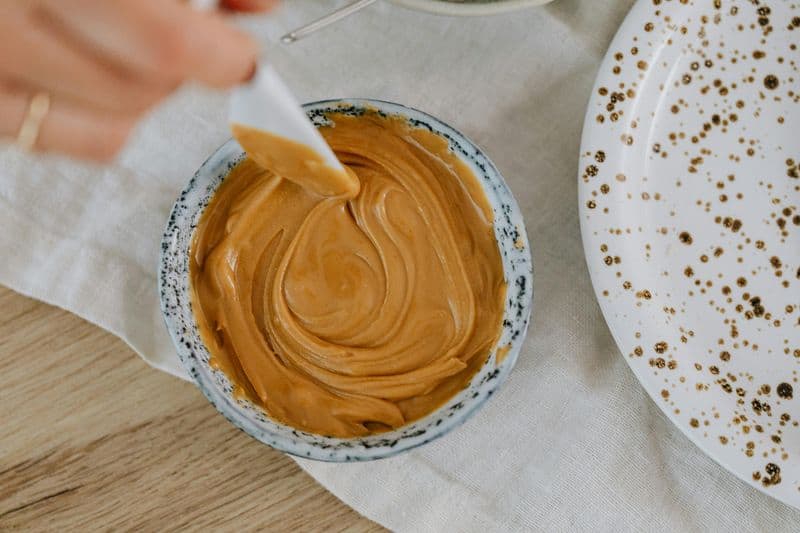
Cold temperatures cause peanut butter to harden, making it difficult to spread. It stays smooth and creamy when stored in a cool, dry pantry.
Peanut butter has a rich history, with early versions dating back to the Aztecs.
Its creamy texture and nutty flavor make it a beloved staple in many households, demanding proper storage to keep its luscious consistency.