

Fabrics possess a vibrational energy that, while imperceptible to the physical senses, resonates with us subconsciously, influencing our comfort.
This subtle resonance is why some fabrics feel cozy, while others may cause irritation.
Choosing the right material for bedding, blankets, and upholstery thus becomes crucial.
The higher the vibrational frequency of the fabric, the more beneficial it is believed to be for our well-being.
1. Linen

Linen resonates at an impressive 5000 Hz, reflecting its esteemed place among natural fabrics.
This ancient textile, derived from the flax plant, is celebrated for its breathability and moisture-wicking abilities. Linen keeps you cool in the summer and warm in the winter.
Its unique texture only softens with each wash, enhancing comfort. A symbol of luxury, linen has been cherished since ancient Egyptian times.
2. Wool

Wool, vibrating at 5000 Hz, is nature’s gift for warmth and comfort. Sourced from sheep, it provides excellent insulation, keeping the cold at bay.
Known for its ability to regulate temperature, wool remains breathable and moisture-resistant. This makes it perfect for diverse climates.
Historically, wool’s durability and resilience have made it a staple in traditional clothing across cultures.
3. Hemp

Hemp’s frequency ranges from 2000 to 5000 Hz, reflecting its versatile nature.
This eco-friendly fabric is derived from the cannabis plant and is lauded for its strength and durability.
Hemp clothing not only offers a comfortable fit but also has natural antibacterial properties. Its cultivation requires minimal resources, making it a sustainable choice.
Hemp has been used in textiles for centuries, celebrating its resilience.
4. Organic Cotton

Organic cotton vibrates at 100 Hz, offering a gentle touch on the skin.
Unlike conventional cotton, it is grown without harmful pesticides, making it a healthier choice for both the environment and our bodies.
Soft and breathable, organic cotton is ideal for sensitive skin. Its production supports sustainable farming practices, promoting biodiversity.
This textile is a favorite in baby clothing due to its purity.
5. Lotus Silk

Lotus silk, with a frequency between 100 and 500 Hz, is as rare as it is beautiful. Made from the fibers of lotus stems, this silky fabric is incredibly lightweight and breathable.
Lotus silk offers a subtle sheen and a luxurious feel against the skin. Its production is labor-intensive, involving traditional techniques, making each piece unique.
Revered in Southeast Asian cultures, its elegance is unmatched.
6. Ramie

Ramie, resonating between 2000 and 3000 Hz, is one of the oldest fiber crops. Known for its luster and strength, this plant-based fabric is resistant to mold and mildew.
Ramie holds dye well, offering vibrant colors that last. It’s often blended with other fabrics to enhance their durability.
Historically, it has been used in ancient Chinese textiles, prized for its silky appearance and resilience.
7. Polyester

Polyester registers at 0 Hz, indicating its synthetic nature. While it lacks the vibrational frequency of natural fabrics, it is valued for its durability and wrinkle resistance.
Polyester is easy to care for, making it a popular choice in fast fashion. It’s often blended with other fibers to enhance clothing longevity.
However, its non-biodegradable nature poses environmental challenges.
8. Nylon

Nylon, like polyester, vibrates at 0 Hz, marking it as a synthetic material. Known for its strength and elasticity, nylon is commonly used in active and outerwear.
It is water-resistant and quick-drying, making it ideal for outdoor activities.
Despite its practicality, nylon’s environmental footprint is a concern due to its non-biodegradable properties.
Its invention revolutionized the textile industry in the 20th century.
9. Spandex
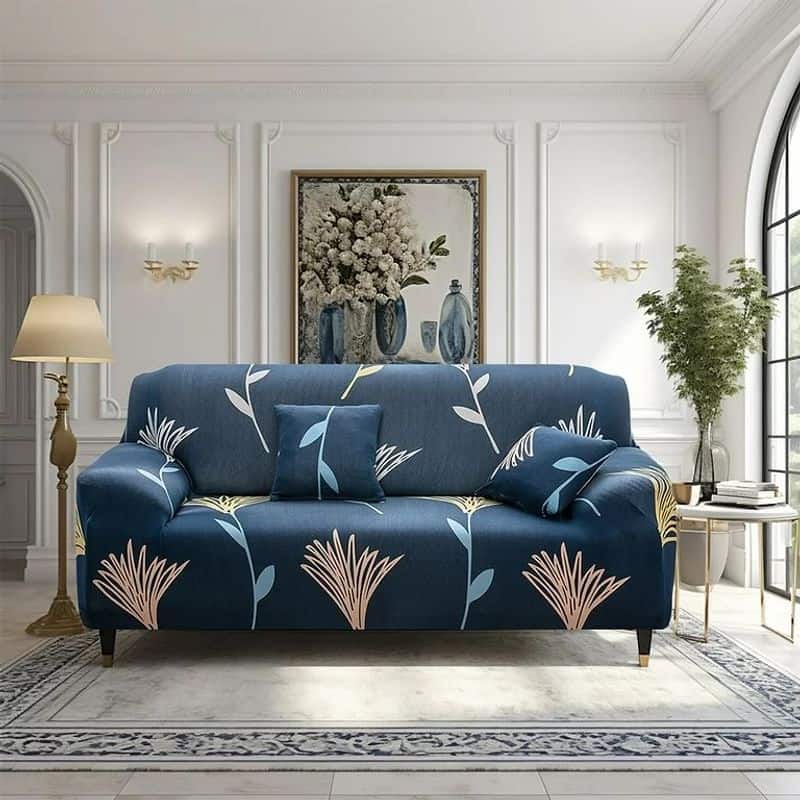
Spandex also registers at 0 Hz, yet it brings remarkable elasticity to fabrics. Widely used in sportswear and activewear, spandex offers a snug fit that enhances mobility.
Its ability to return to its original shape after stretching makes it indispensable in the fashion industry.
While functional, it shares environmental concerns common to synthetic fibers. Spandex has transformed fashion with its stretchability.
10. Polypropylene

Polypropylene, with a frequency of 0 Hz, is a versatile synthetic material. Used in various industries, it offers resistance to chemicals and moisture.
Its lightweight nature makes it suitable for packaging and textiles. However, its environmental impact due to non-biodegradability is significant.
Despite this, polypropylene remains a cost-effective option for many applications, particularly in nonwoven fabrics.