
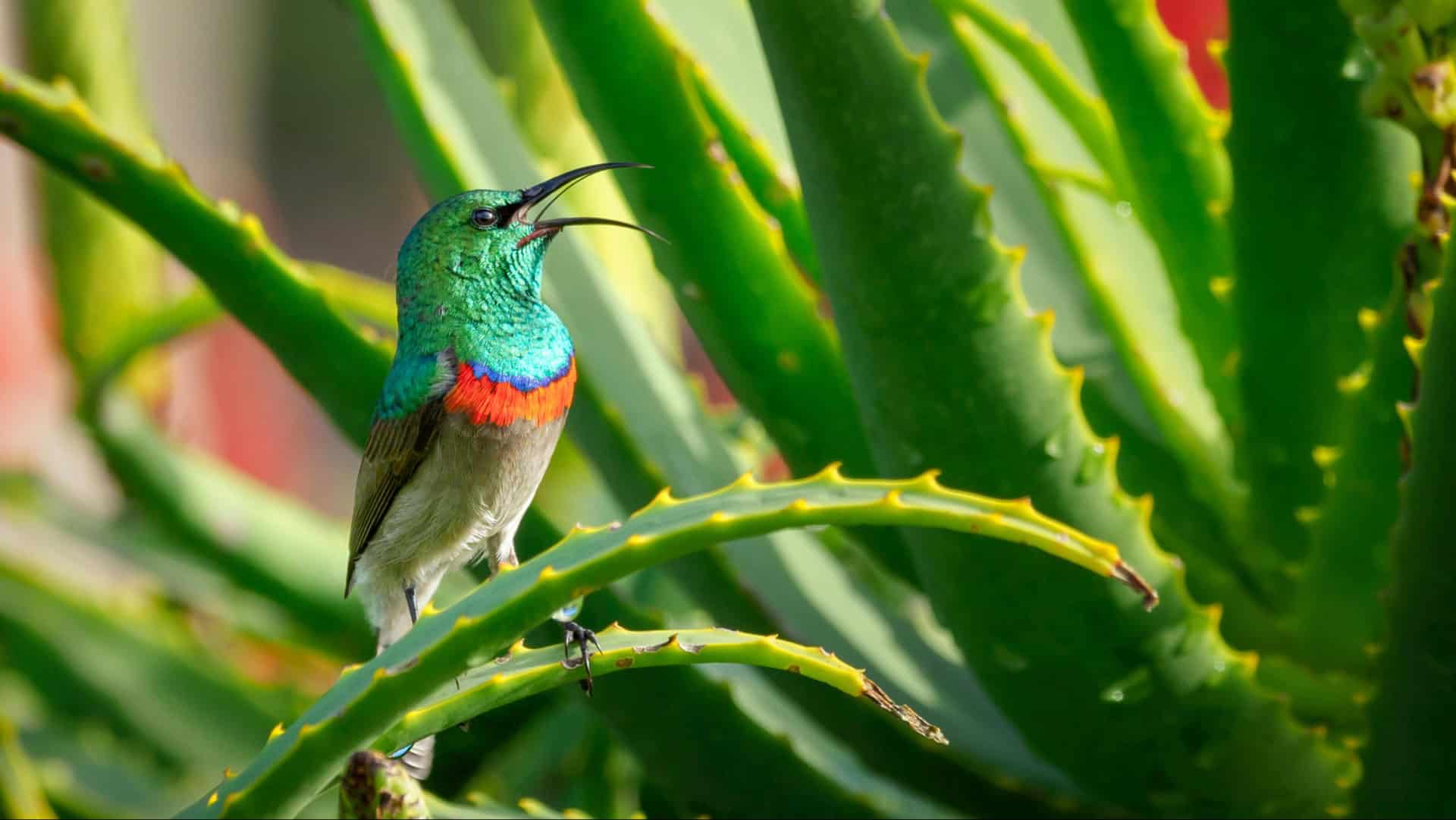
Plants play a role in minimizing radiation effects and freshening the air in your living space.
They absorb radiation through several processes, including deposition, translocation, and root absorption.
Consider introducing these ten plants into your home or office to create a healthier environment.
1. Cactus
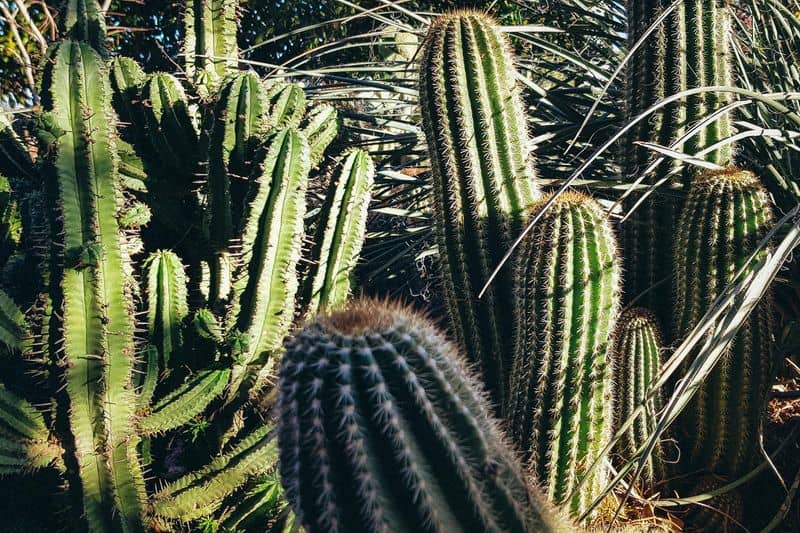
The cactus, a resilient desert dweller, is not only a striking decorative piece but also a natural radiation absorber.
Its unique ability to thrive in harsh environments makes it a symbol of endurance.
Historically revered by ancient cultures, this hardy plant is thought to absorb electromagnetic waves, offering protection in modern homes.
2. Snake Plant
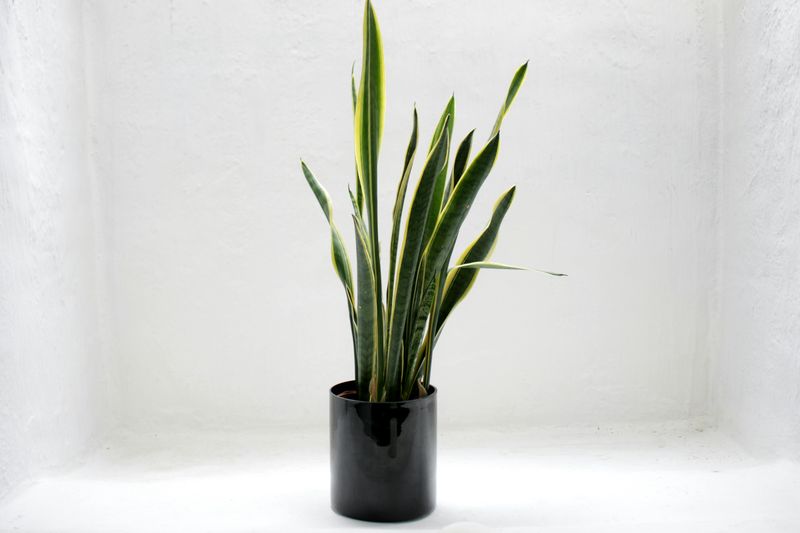
The snake plant, often called the ‘bedroom plant,’ is celebrated for its air-purifying qualities. At night, it releases oxygen while absorbing carbon dioxide, unlike most plants.
With its upward-reaching leaves, it’s been embraced as a symbol of strength and purity. Additionally, it’s believed to mitigate low-level radiation.
3. Aloe Vera
Aloe vera is cherished for its soothing gel, known to heal skin ailments. Beyond skincare, its succulent leaves silently work to filter out toxins from the air.
This plant’s association with health and wellness extends to its rumored capacity to absorb electromagnetic emissions, making it a staple in eco-friendly homes.
4. Betel Leaf Plant
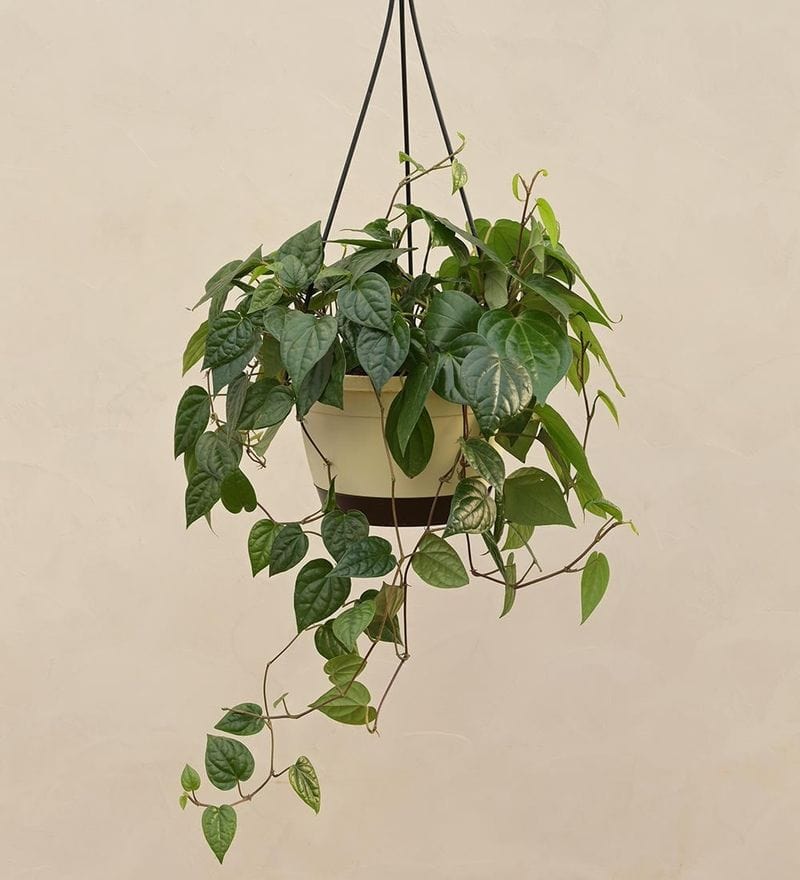
The betel leaf plant, with its glossy heart-shaped leaves, holds a cherished place in many cultures.
Known for its aromatic qualities, it’s traditionally used for wellness rituals.
This plant is believed to have the potential to absorb harmful emissions, serving as a natural shield in a technology-driven world.
5. Spider Plant
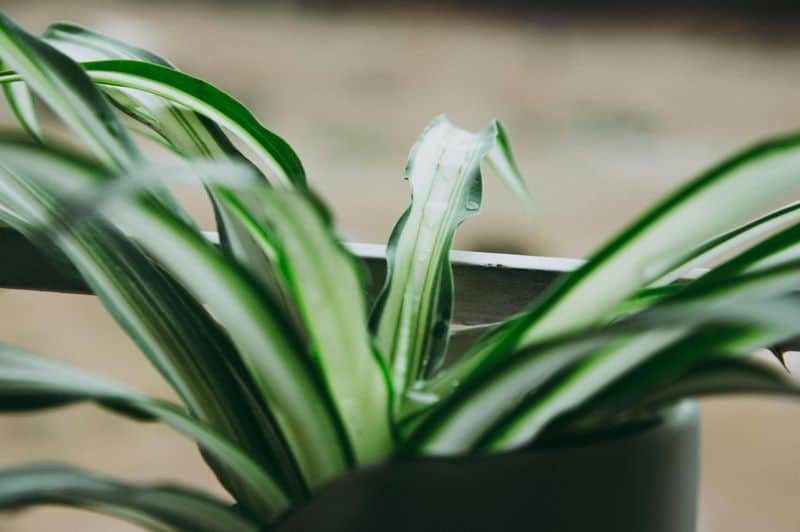
Spider plants, with their sprawling green tendrils, bring a touch of the wild indoors.
These adaptable plants are often seen hanging gracefully from ceiling hooks.
Aside from being visually appealing, they are known to purify air by removing pollutants and are believed to help in reducing indoor radiation levels.
6. Areca Palm

Areca palm, often dubbed the ‘butterfly palm,’ is adored for its graceful fronds that resemble butterfly wings.
This tropical beauty is a favorite among indoor gardeners for its ability to humidify the air.
Beyond aesthetics, it is also considered to combat low-intensity radiation, complementing its purifier role.
7. Rubber Plant

The rubber plant stands tall with its broad, glossy leaves, making it a popular choice for modern interiors.
Known for its robust nature, it’s believed to enhance indoor air quality by absorbing toxins.
Its presence is also considered beneficial for reducing exposure to everyday environmental radiation.
8. Sunflower

Sunflowers, with their sunny disposition and towering stalks, are more than just a cheerful sight.
Historically, they have been associated with absorbing harmful substances from the soil.
This ability extends to the air, where they are believed to reduce radiation levels, adding cheer while promoting wellness.
9. Fiddle-Leaf Fig
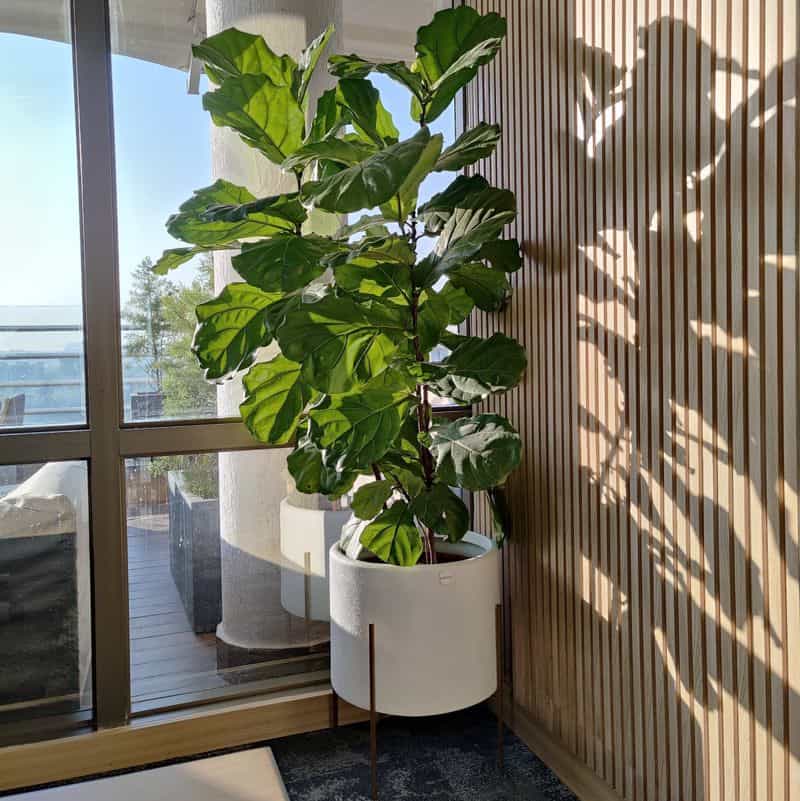
The fiddle-leaf fig, beloved for its violin-shaped leaves, adds a touch of sophistication to spaces. Its imposing presence is matched by its capacity to improve air quality.
While it’s mostly recognized for this trait, it’s also believed to aid in reducing indoor radiation, offering both elegance and functionality.
10. English Ivy
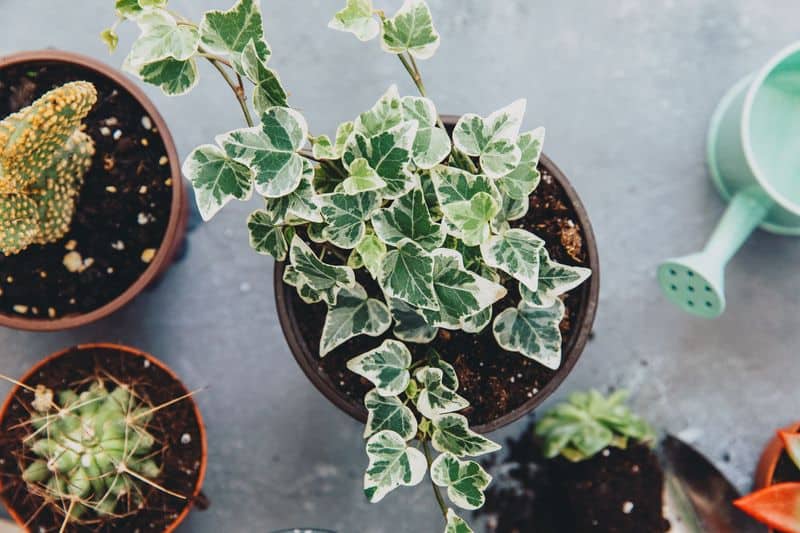
English ivy, with its climbing nature, transforms any vertical space into a lush green tapestry.
Known for its robust air-cleansing ability, this plant is also thought to mitigate the impact of indoor radiation.
Its timeless charm makes it a popular choice for those seeking both aesthetics and health benefits.