
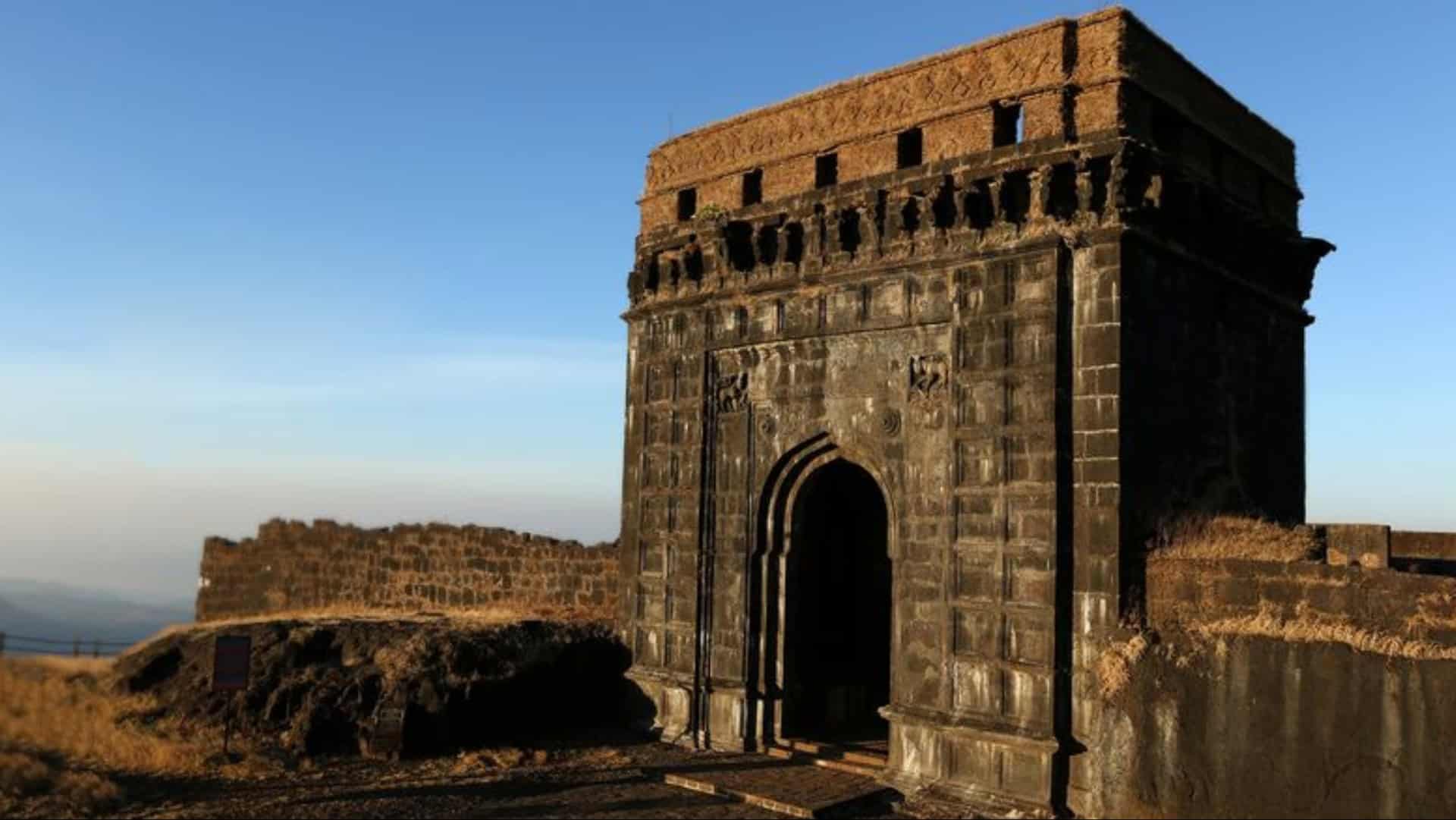
The Maratha Military Landscapes in India, featuring 12 iconic forts, have been recognized by UNESCO for their historical and architectural significance.
These forts, developed between the 17th and 19th centuries under Maratha rulers, highlight the strategic brilliance of Chhatrapati Shivaji Maharaj’s military defenses.
Spread across Maharashtra and Tamil Nadu, they offer a vivid glimpse into India’s rich martial heritage.
1. Salher Fort
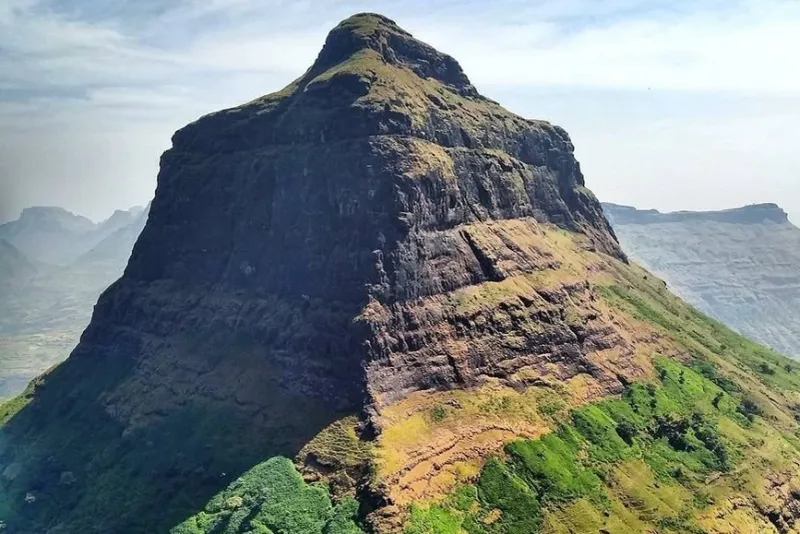
Salher Fort, perched in the Sahyadri mountains, stands as a testament to Maratha valor and military strategy.
It is the second highest fort in Maharashtra, offering breathtaking views.
Historically, it was a key site in the Battle of Salher (1672), which marked a significant victory for the Marathas.
Its rugged terrains showcase strategic defensive architecture.
2. Shivneri Fort
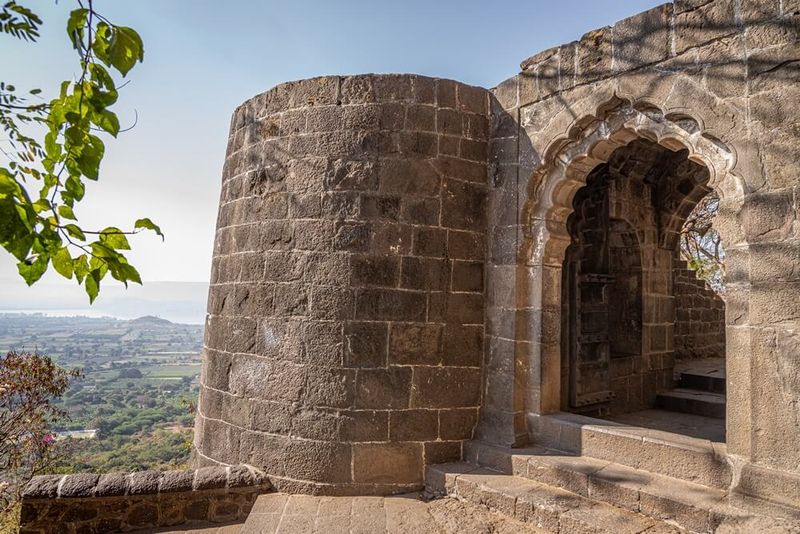
Cradled in greenery, Shivneri Fort is renowned as the birthplace of Chhatrapati Shivaji Maharaj.
The fort is fortified with seven mighty gates and captivating rock-cut caves.
Visitors often marvel at the ancient architecture and the serene landscapes, offering a peek into the history of the Maratha Empire.
It remains a popular heritage site today.
3. Lohagad Fort
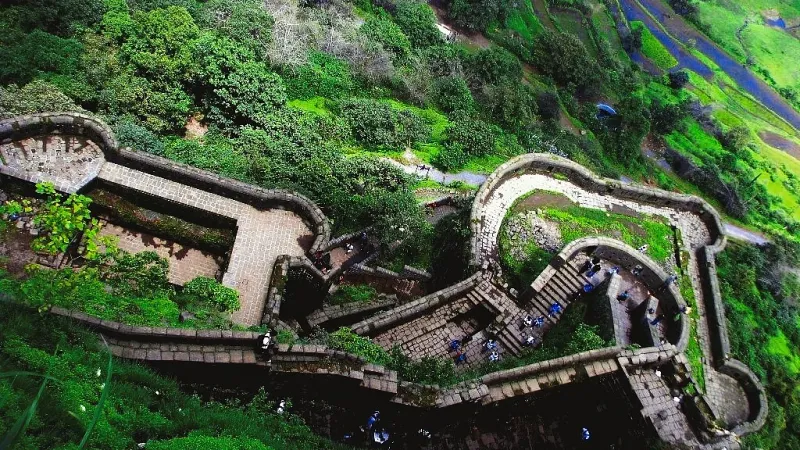
Lohagad Fort, with its enchanting monsoon views, was used by Shivaji Maharaj to store loot from Surat.
Known for its exquisite architecture, including the famous ‘Vinchu Kata’ (Scorpion’s Tail), it extends to the vastness of the Western Ghats.
The fort’s unique design and historical relevance make it a favorite among trekkers and history enthusiasts.
4. Khanderi Fort
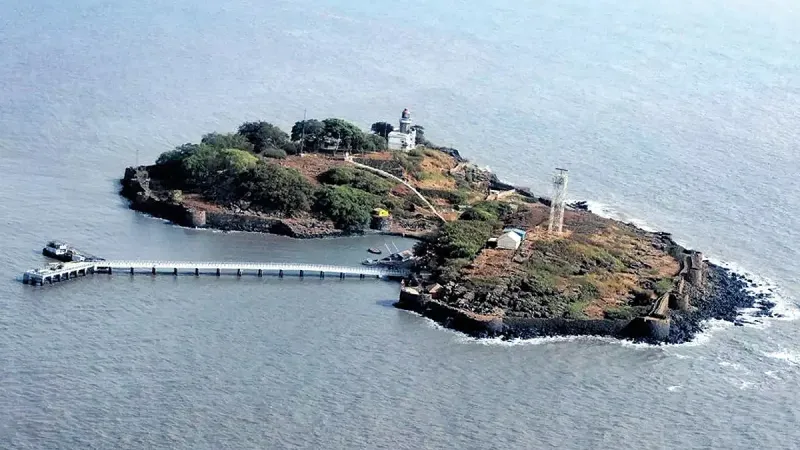
Khanderi Fort, an island sentinel off the Maharashtra coast, played a pivotal role in naval defense.
Constructed by the Marathas, it boasts a lighthouse guiding sailors safely. The fort’s strategic position allowed control over maritime activities in the region.
Its robust structures and surrounding seascapes are a testament to Maratha naval prowess.
5. Raigad Fort
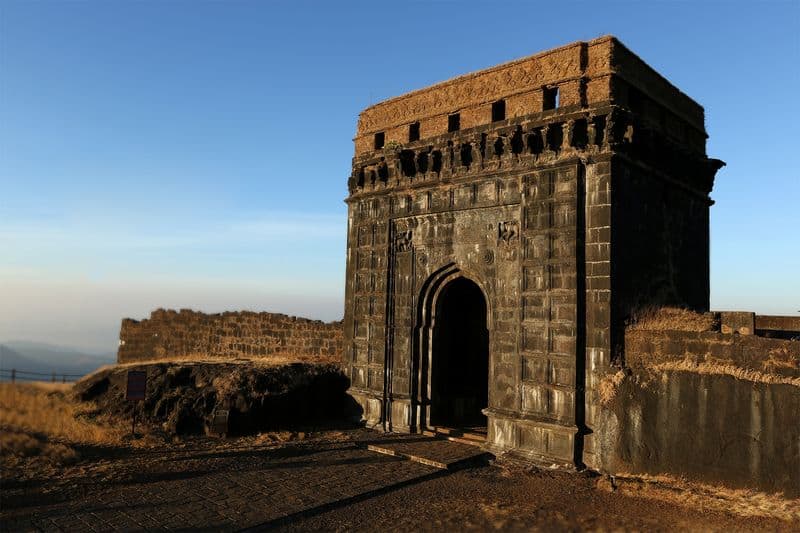
Raigad Fort, the former capital of the Maratha Empire, is where Shivaji Maharaj was crowned.
This fort, perched on a majestic hill, symbolizes Maratha authority and innovation. Visitors are captivated by its towering structures and rich history.
The fort’s grand entrance and royal chambers reflect the legacy of Maratha rule.
6. Rajgad Fort
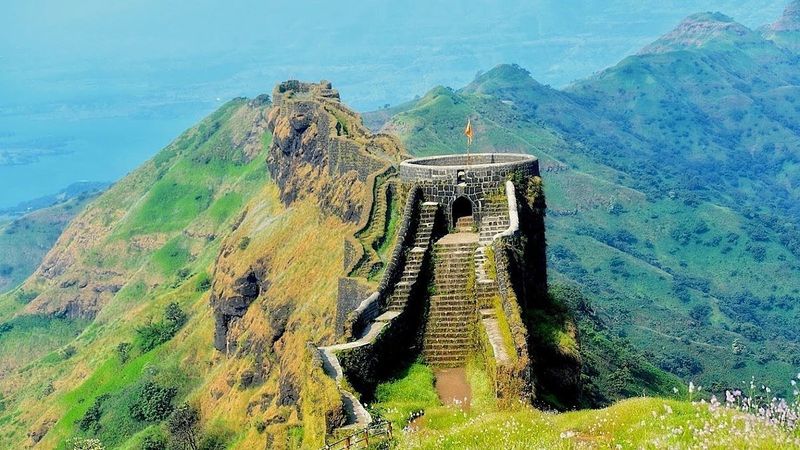
Once the headquarters of the Maratha Empire, Rajgad Fort shines with historical glory.
Its architecture reflects strategic brilliance, offering expansive views of the surrounding landscapes.
The fort’s complex includes several palaces and water cisterns, showcasing the ingenuity of Maratha engineering.
It remains a cherished destination for history buffs and trekkers alike.
7. Pratapgad Fort
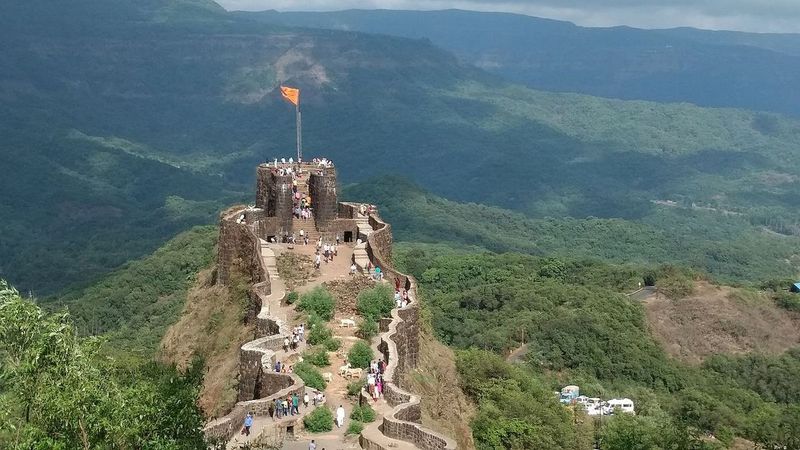
Pratapgad Fort, set amidst misty mountains, is a historic symbol of Maratha resilience.
Famous for the Battle of Pratapgad, where Shivaji Maharaj’s forces triumphed over Afzal Khan, it remains steeped in legend.
The fort’s imposing structures and panoramic views offer visitors a profound sense of history and natural beauty.
8. Suvarnadurg Fort
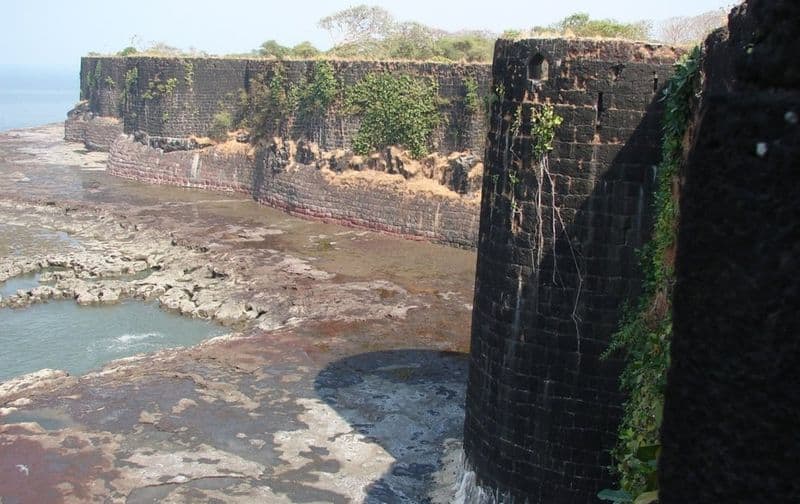
Suvarnadurg Fort, standing on an island, was a formidable maritime bastion for Marathas.
Its name translates to ‘Golden Fort,’ highlighting its strategic importance. The fort controlled sea routes along the Konkan coast and served as a naval base.
Today, it captivates visitors with its storied past and scenic coastal vistas.
9. Panhala Fort
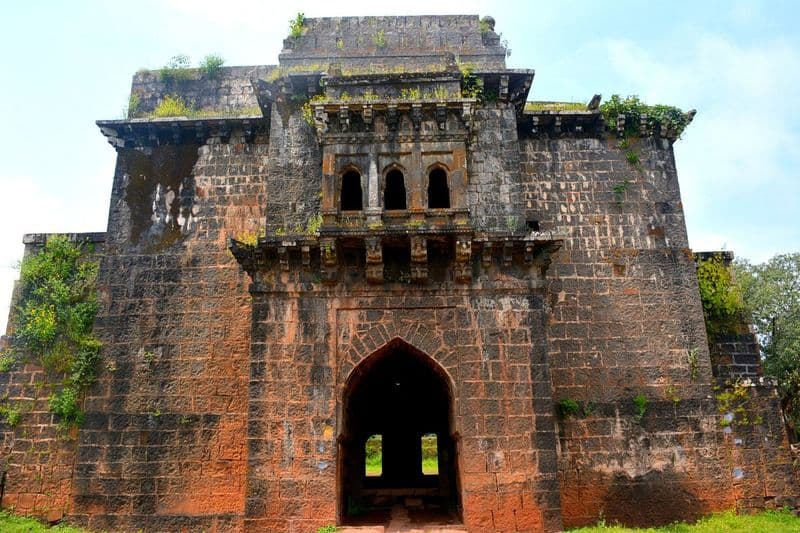
Panhala Fort, the largest of the Deccan hill forts, played a crucial role in Maratha history. It provided refuge to Shivaji Maharaj during critical battles.
The fort’s expansive walls and gateways narrate tales of bravery and strategy.
Visitors can explore its granaries, palaces, and temples, each echoing the rich Maratha legacy.
10. Vijaydurg Fort
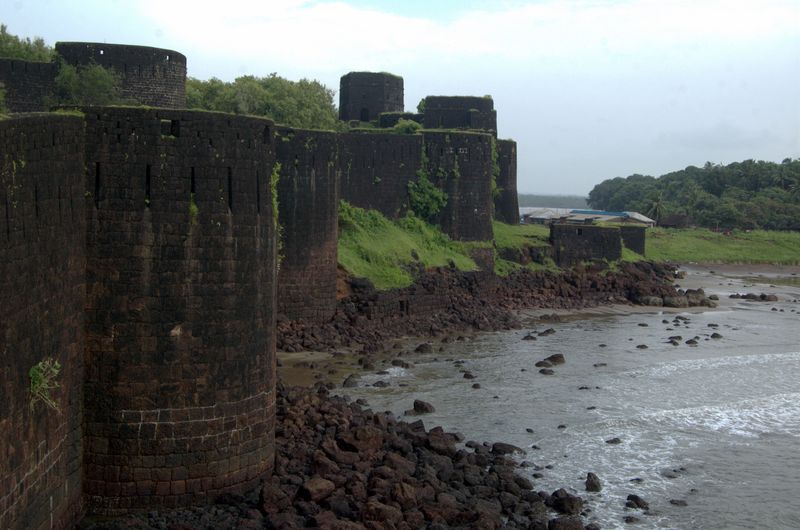
Vijaydurg Fort, a magnificent coastal fortification, showcases Maratha naval engineering. It was the site where Shivaji Maharaj established a shipbuilding yard.
The fort’s massive walls and strategic location along the coast allowed control over maritime trade.
Today, it stands as a testament to Maratha maritime strength and ingenuity.
11. Sindhudurg Fort
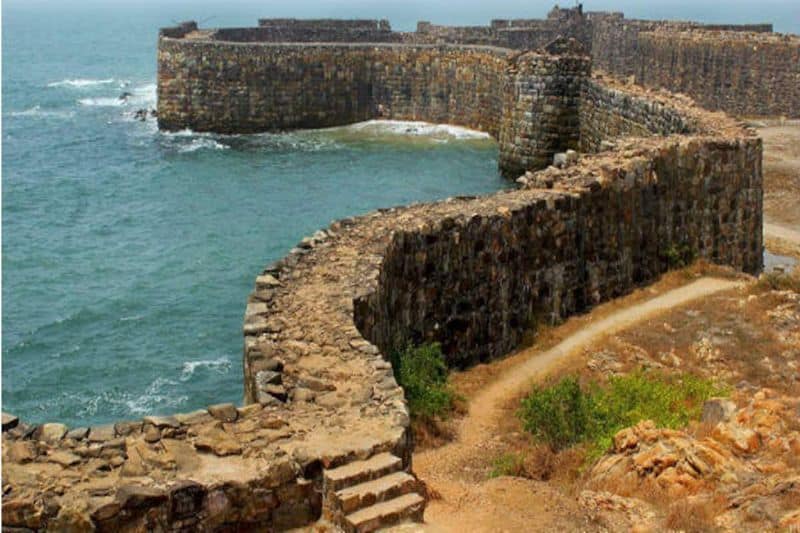
Sindhudurg Fort, built by Shivaji Maharaj, remains an architectural marvel by the Arabian Sea.
It was constructed to curb foreign influence and protect the empire’s maritime interests.
The fort is known for its concealed entrances and robust construction. Visitors are often enchanted by its historical aura and the surrounding sea vistas.
12. Gingee Fort
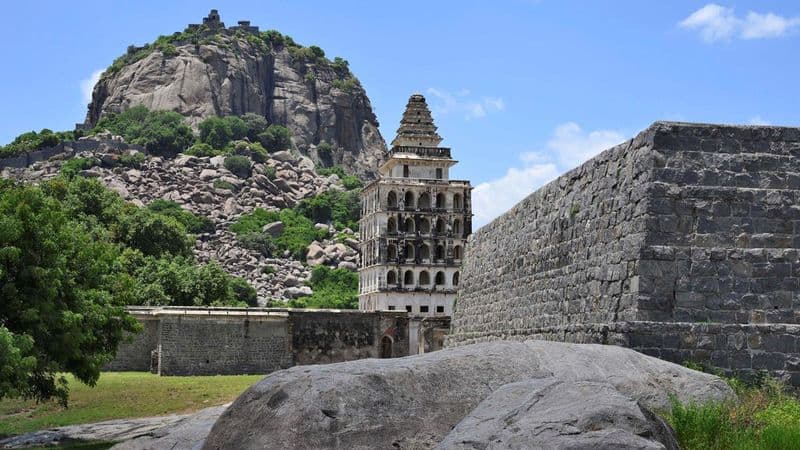
Gingee Fort, located in Tamil Nadu, stands as a testament to enduring military architecture. Known as the ‘Troy of the East,’ its fortifications span over three hills.
The fort’s resilient constructions helped it withstand numerous sieges. Today, it offers visitors a journey through time, with its rich history and panoramic landscapes.