
Iranian architecture stands as a testament to a rich cultural heritage that spans millennia.
Known for its intricate tile work, grand arches, and harmonious designs, it blends functionality with beauty.
This list explores 10 iconic structures, each a masterpiece of architectural magic, offering a glimpse into Iran’s artistic legacy and the stories behind these captivating landmarks.
1. Golestan Palace – Tehran
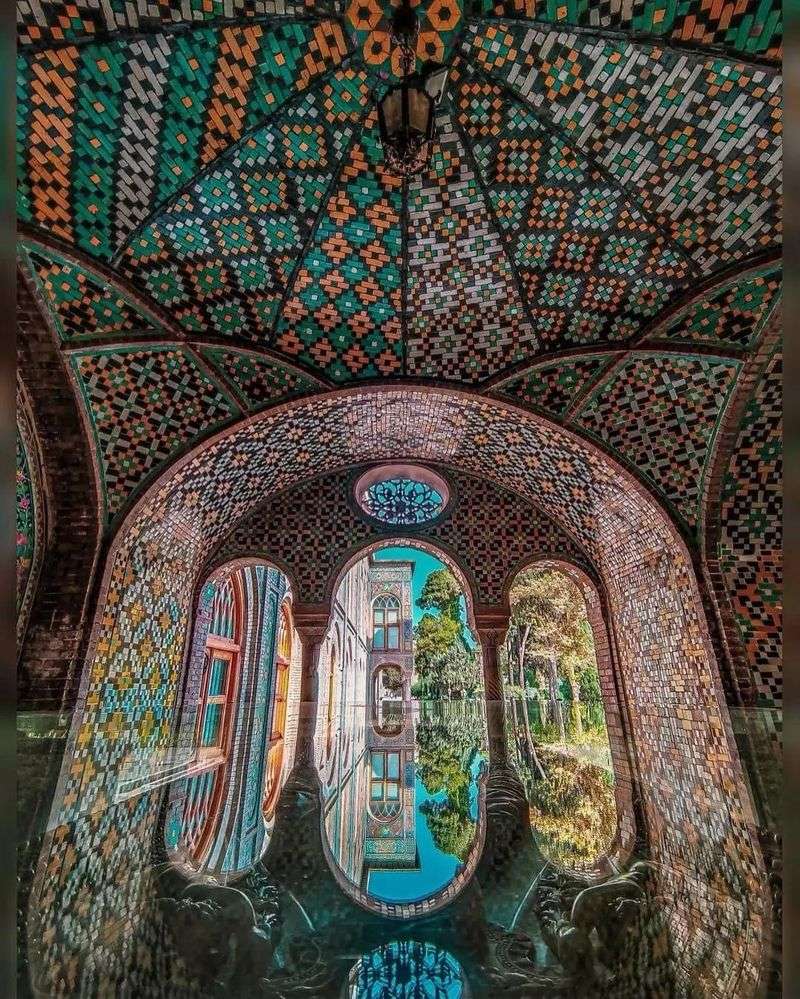
Golestan Palace is a dazzling emblem of Persian artistry. Located in Tehran, this UNESCO World Heritage site reflects the opulence of the Qajar era.
Its vibrant tile work and mirrored halls captivate visitors. Once a royal residence, the palace complex features lush gardens and exquisite architecture.
A blend of traditional Persian and Western design, it stands as a symbol of Iran’s rich cultural legacy.
2. Eram Garden and Palace, Shiraz
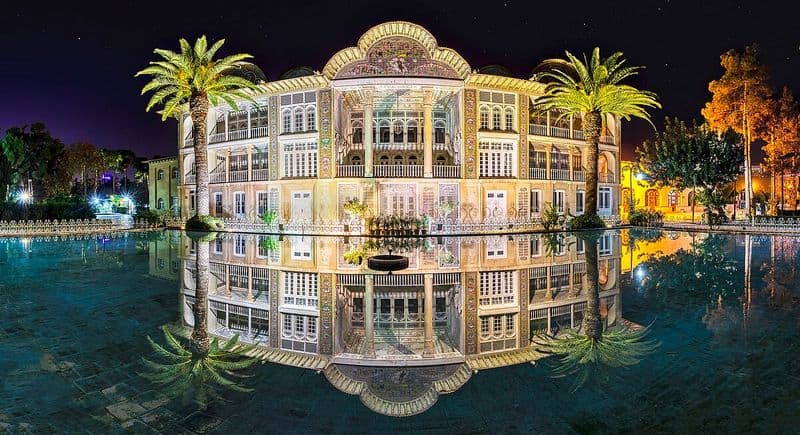
Eram Garden and Palace in Shiraz is a paradise of botanical beauty. This UNESCO World Heritage site features vast gardens with flowing water channels.
Known for its diverse plant species, the garden offers tranquility and elegance. The palace itself, a blend of Qajar and Persian architecture, adds to its charm.
Eram Garden is a testament to the Persian love for nature and design.
3. Sheikh Lotfollah Mosque – Esfahan
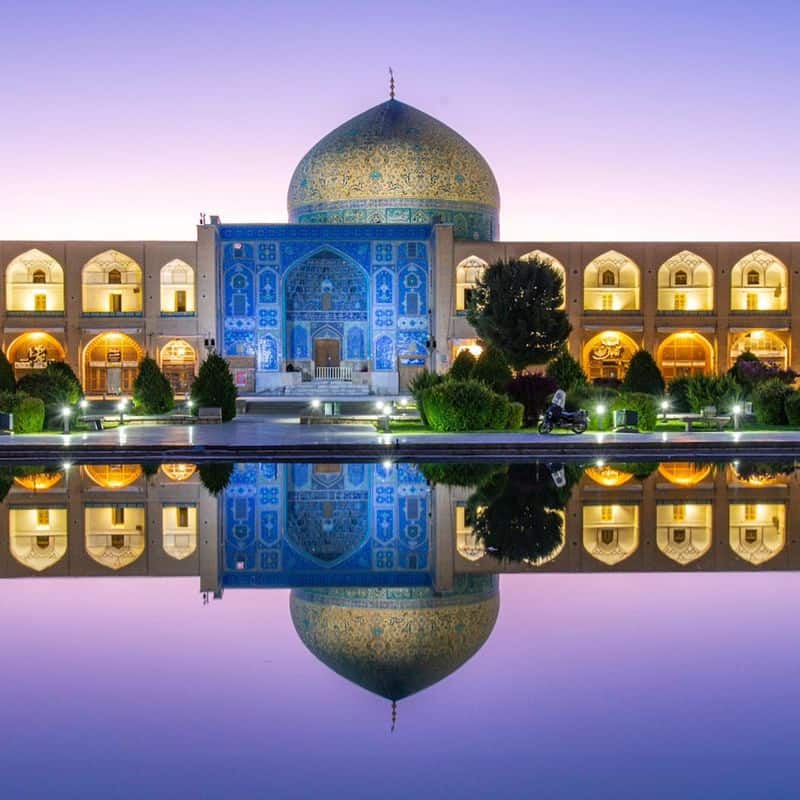
Sheikh Lotfollah Mosque, nestled on Esfahan’s Naqsh-e Jahan Square, is a gem of Safavid architecture.
Built in the early 17th century, its stunning dome features intricate tile patterns. Unlike typical mosques, it lacks minarets, emphasizing its unique design.
The mosque was intended as a private worship space for the royal family. Its beauty and symmetry continue to inspire awe.
4. Shah Cheragh, Shiraz
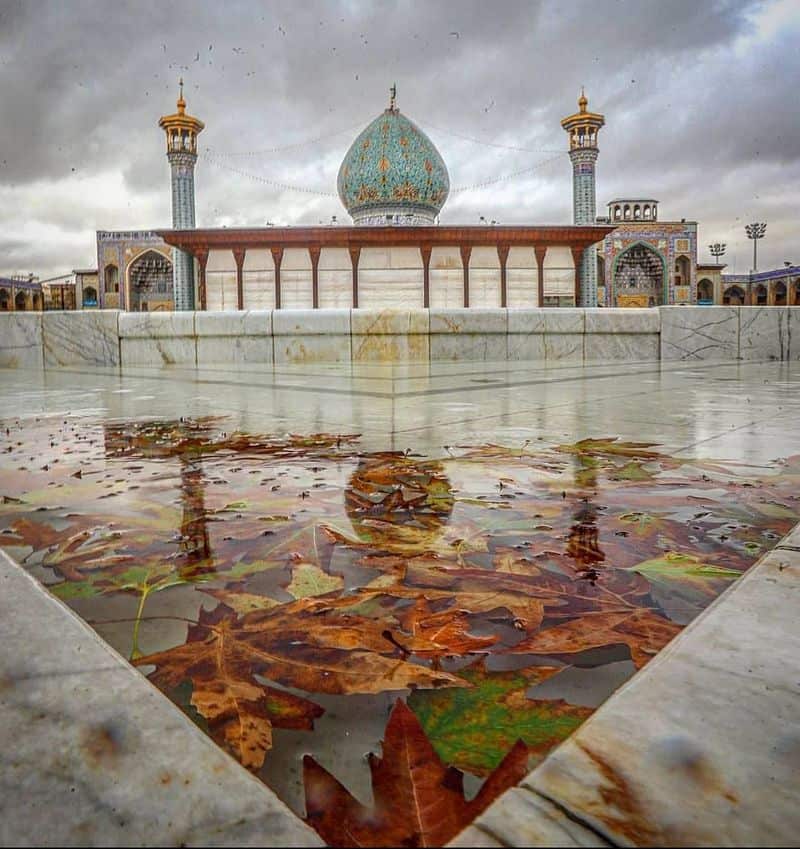
Shah Cheragh, a revered pilgrimage site in Shiraz, dazzles with its mirrored interior.
Named “King of the Light,” its walls gleam with reflective tiles that create a celestial ambiance. This shrine houses the tombs of revered figures, making it a spiritual haven.
The intricate tile work and grand chandeliers add to its splendor, attracting both pilgrims and curious tourists.
5. Nasir Ol Molk Mosque – Shiraz
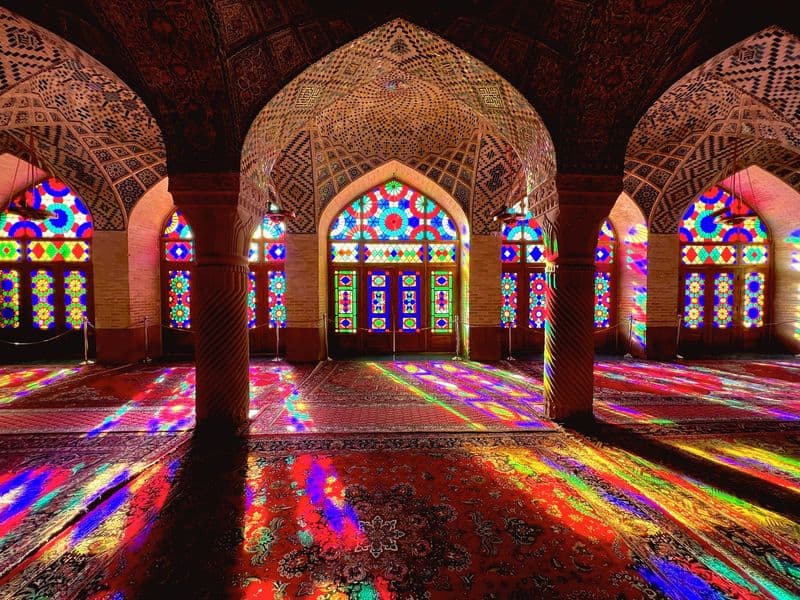
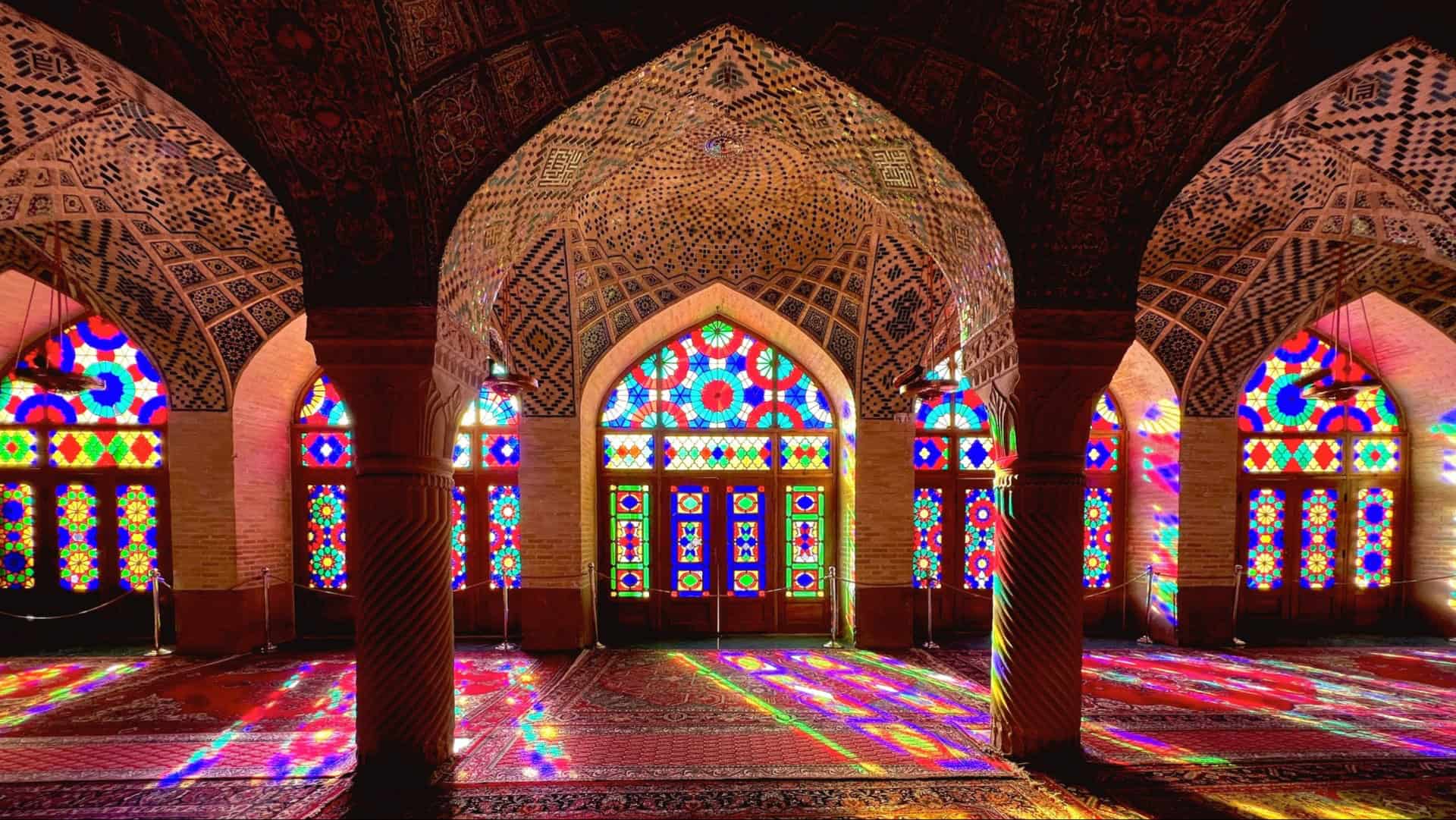
Nasir Ol Molk Mosque, also known as the Pink Mosque, enchants with its vibrant stained glass. Located in Shiraz, it’s a visual delight as sunlight creates a kaleidoscope of colors inside.
Built in the late 19th century, the mosque combines traditional design with stunning artistry.
Its intricate tile work and arches add to its charm, making it a must-see for visitors to Shiraz.
6. Jameh Mosque – Esfahan
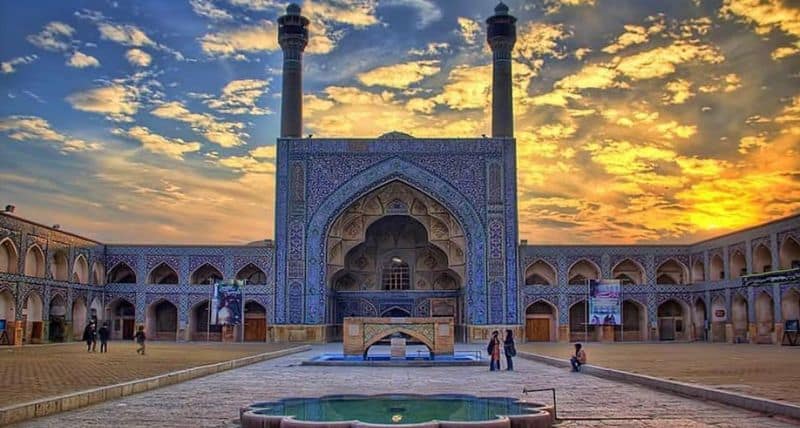
The Jameh Mosque of Esfahan is a monumental testament to Islamic architecture. As one of the oldest mosques in Iran, its construction began in the 8th century.
The mosque’s vast courtyard and stunning domes showcase intricate tile designs. It reflects the evolution of mosque architecture over centuries.
A significant historical site, the Jameh Mosque is a harmonious blend of structure and spirituality.
7. Ali Qapu Palace – Esfahan

Ali Qapu Palace stands majestically in Esfahan, offering panoramic views of Naqsh-e Jahan Square. Built in the early 17th century, it served as the royal residence of Safavid kings.
The palace features exquisite frescoes and intricate plasterwork. Its music room, designed for perfect acoustics, is a marvel of innovation.
Ali Qapu remains an enduring symbol of Safavid grandeur and artistic achievement.
8. Qavam House – Shiraz
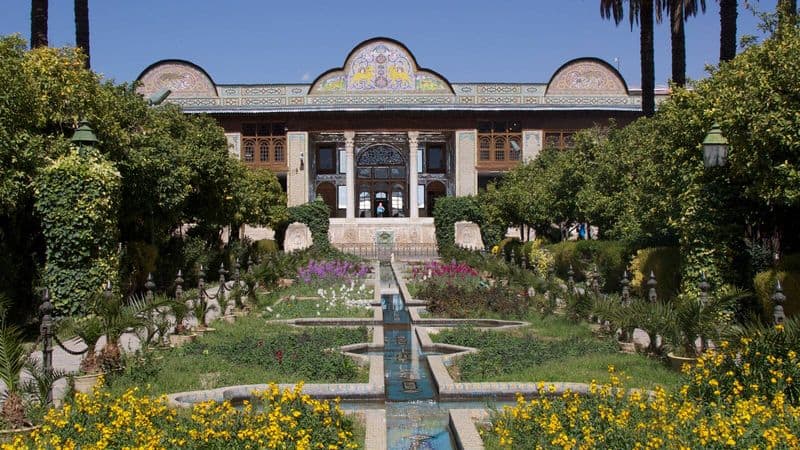
Qavam House, nestled in Shiraz, exudes 19th-century elegance. Surrounded by fragrant orange groves, it’s a masterpiece of stained glass and woodwork.
The house reflects a blend of Persian and European influences, evident in its architectural details. Originally a residential mansion, it now houses historic exhibits.
Qavam House offers a glimpse into the lavish lifestyle of its era.
9. Khaju Bridge, Isfahan
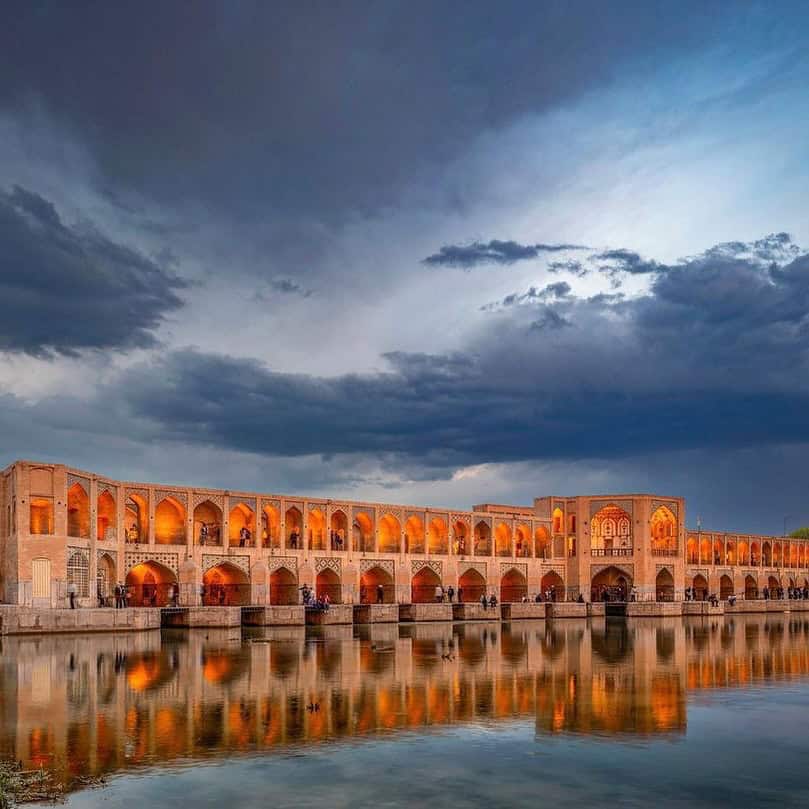
Khaju Bridge in Isfahan is both a functional structure and a work of art. Built during the Safavid era, it spans the Zayandeh River with elegance.
The bridge features multi-tiered arches and serves as a gathering place. By night, it transforms with beautiful illumination, reflecting in the water below.
Khaju Bridge is a testament to Persian engineering and aesthetic sensibility.
10. Sultan Amir Ahmad Bathhouse, Kashan
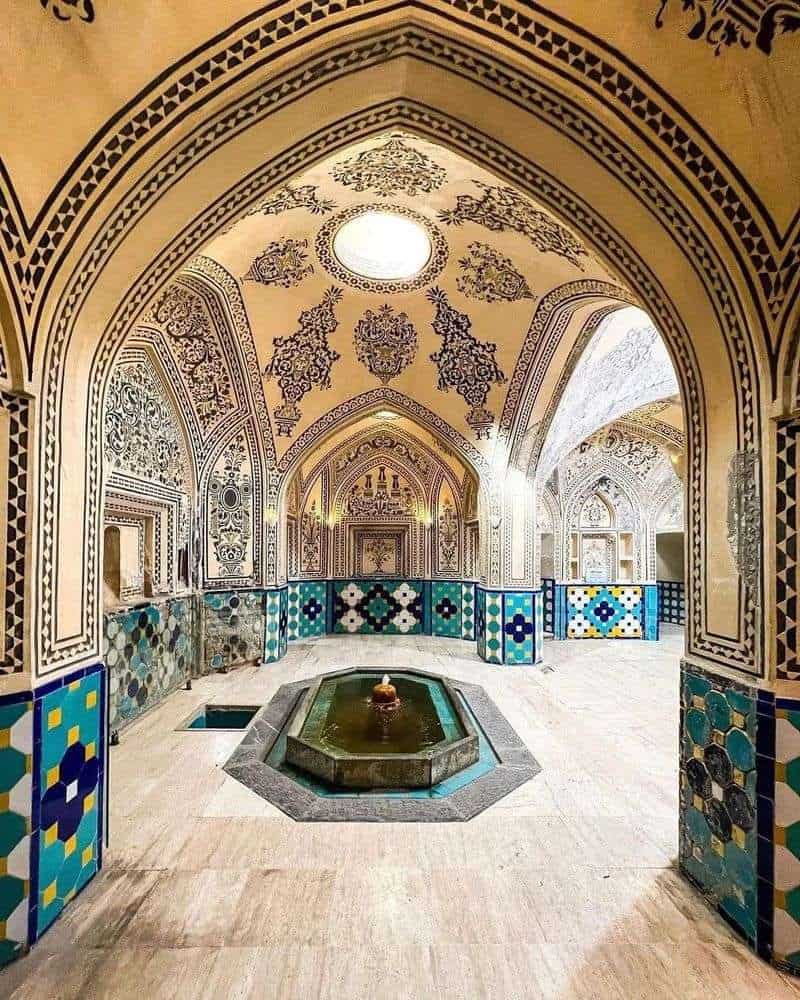
Sultan Amir Ahmad Bathhouse in Kashan invites visitors into its historic depths. This 16th-century bathhouse features exquisite turquoise and gold tile work.
Once a communal bathing spot, it now serves as a cultural exhibit. Its intricate architecture includes domes and vaults, creating a serene atmosphere.
The bathhouse showcases the social and architectural significance of public baths in Persian culture.