
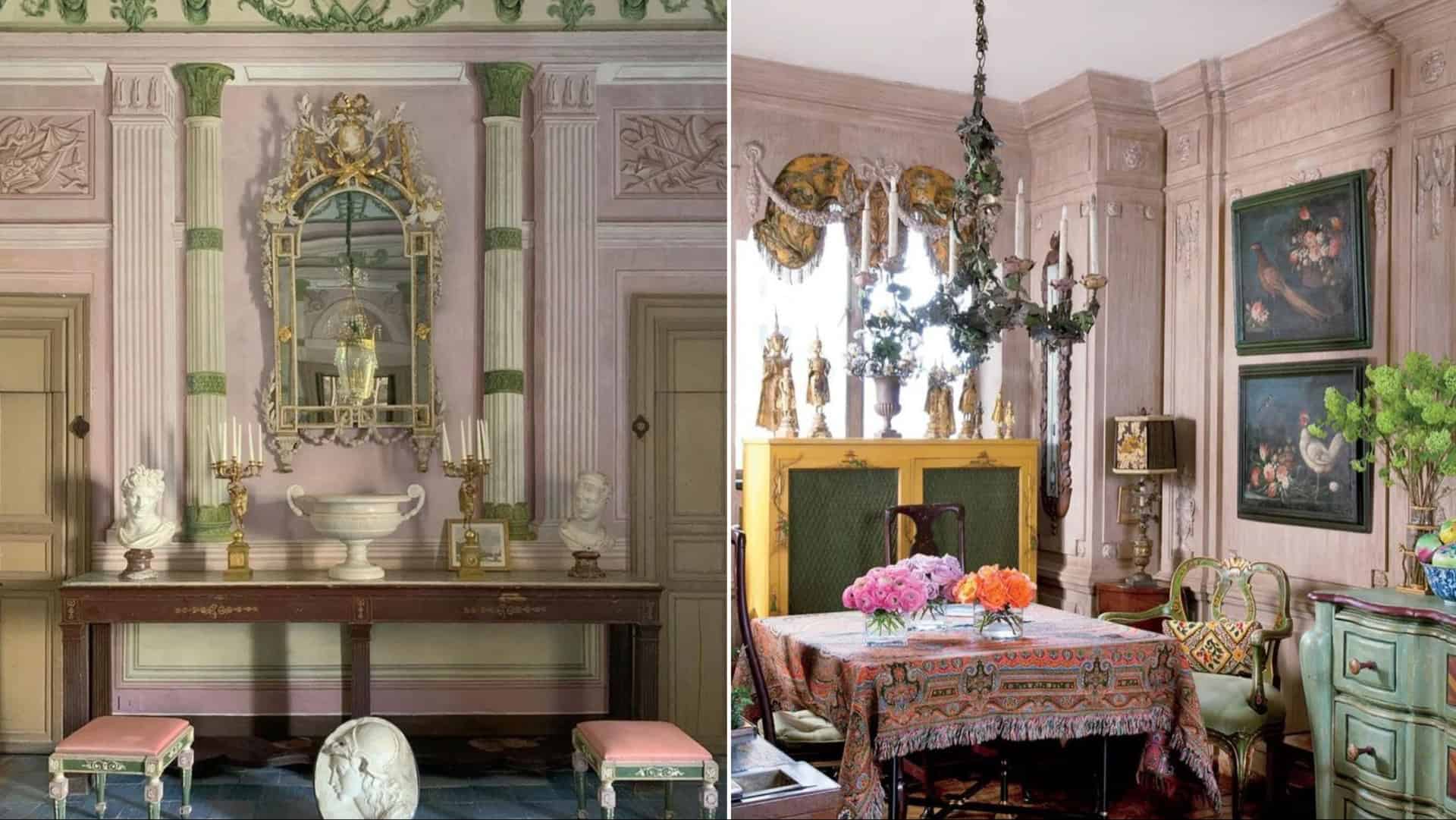
Decorating with antiques often comes with misconceptions that can deter even the most enthusiastic decorator.
These myths, however, are easily debunked, allowing you to embrace the charm and character that antiques bring to any space.
1. Antiques Make Your Home Look Old-Fashioned
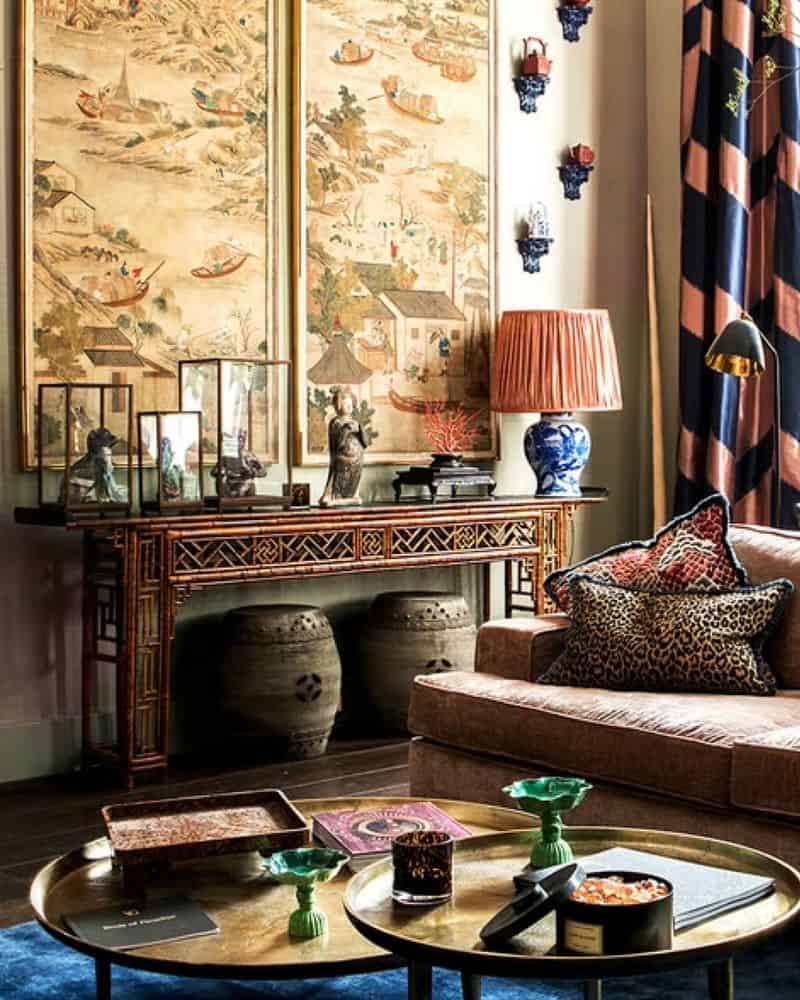
Antiques are often accused of making spaces look outdated. Yet, when paired with modern elements, they add unique charm.
A vintage rug in a sleek living room becomes a conversation piece. Mixing styles creates depth. The key is balance.
An antique mirror can reflect contemporary art, bridging eras beautifully. So, instead of visual clutter, think of antiques as timeless anchors enhancing modern aesthetics.
2. You Have to Match Your Antiques
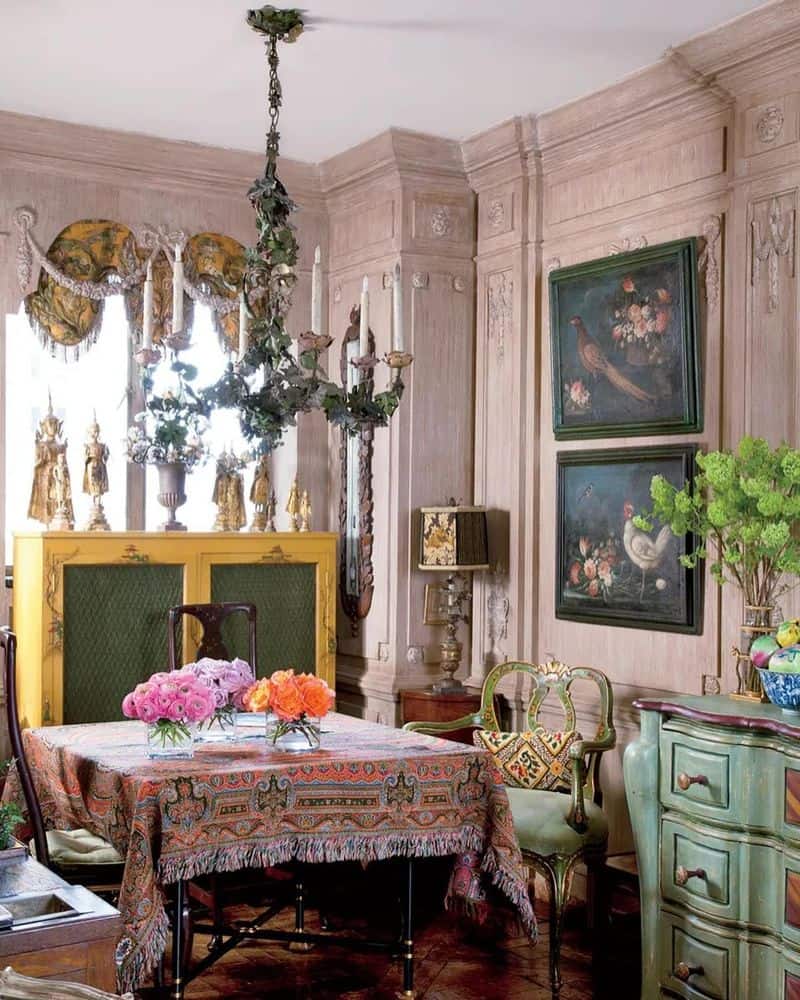
Who says everything must match? In fact, mismatched antiques often tell a more compelling story. Each piece has its own history, and when combined, they create a tapestry of tales.
An ornate Victorian chair beside a minimalist table ignites a conversation between past and present.
The joy lies in the unexpected harmony of diverse eras and styles.
3. You Need a Perfect Home to Have Antiques
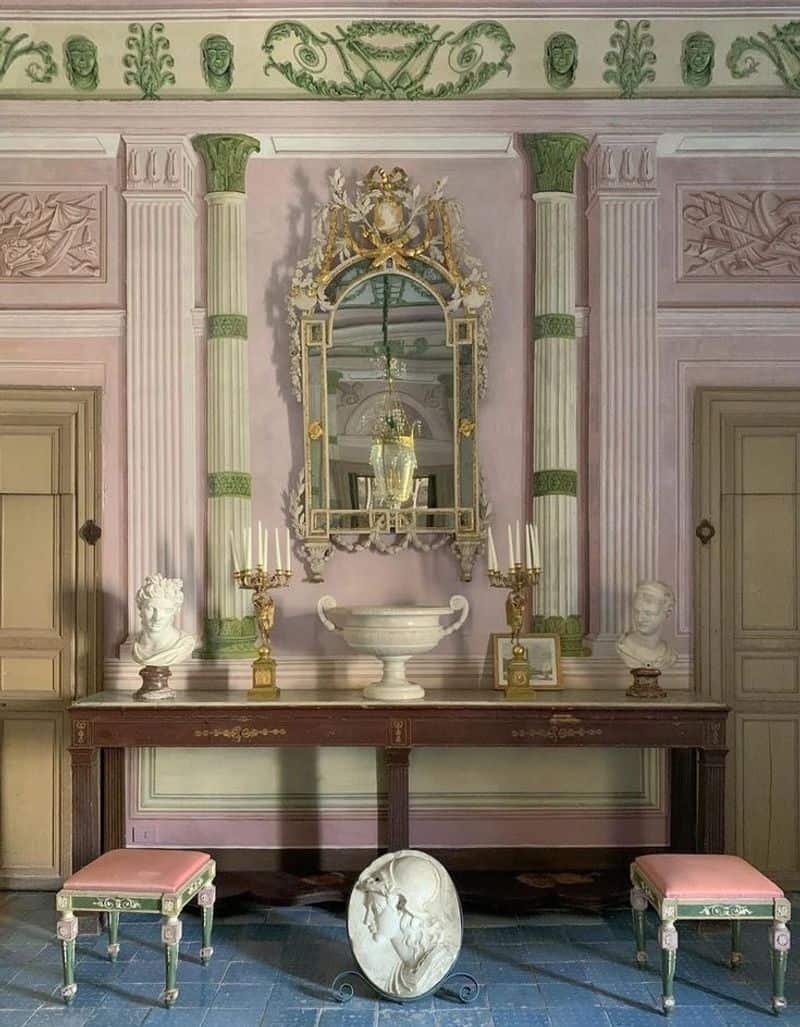
A ‘perfect’ home isn’t a prerequisite for antiques. Even small spaces benefit from their charm. A vintage lamp or mirror can transform without overwhelming.
Antiques adapt to various settings, from cozy apartments to sprawling homes.
They add character and personality, making any space feel curated and lived-in, regardless of size.
4. Antiques Are Too Fragile
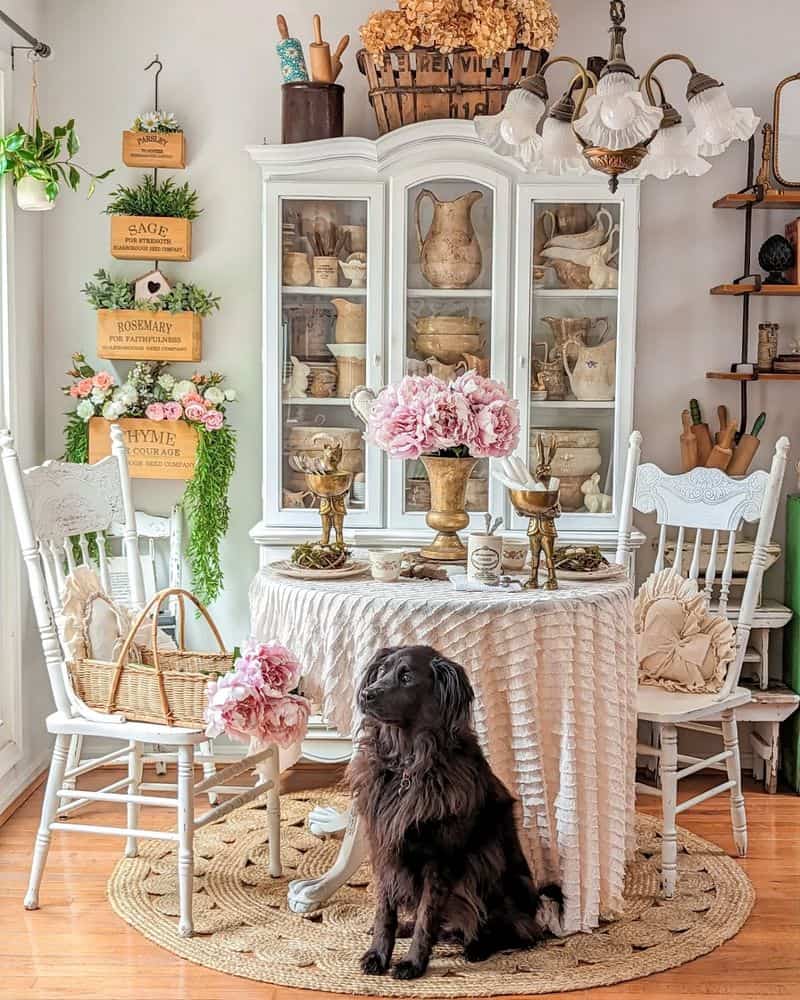
The misconception that antiques are too fragile is unfounded. Many have stood the test of time, proving their durability.
Solid wood tables or robust sideboards, crafted decades ago, remain functional today. These pieces were built to last.
While care is needed, antiques aren’t inherently delicate. They often withstand everyday use with grace.
5. Antiques Are Impractical
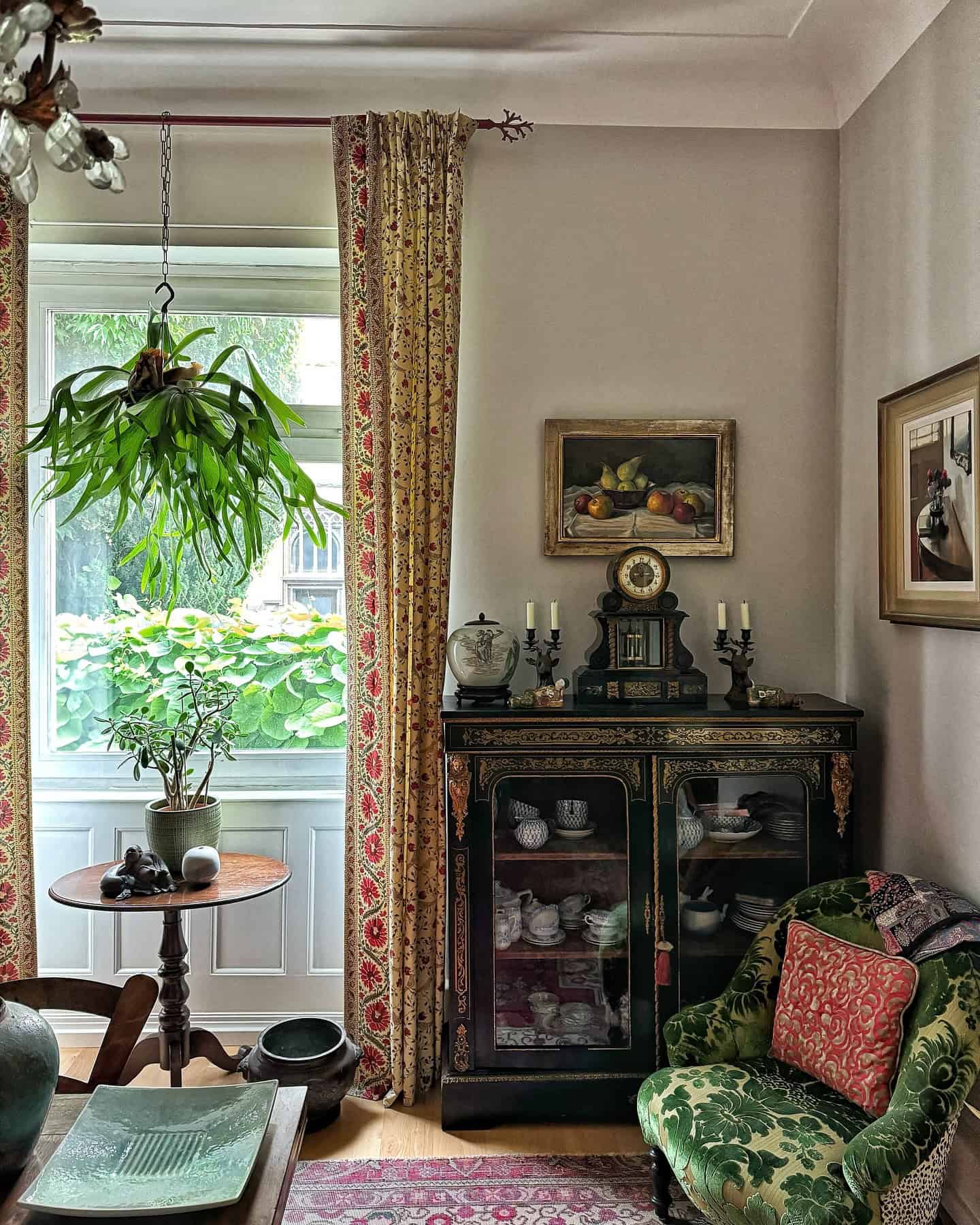
Deeming antiques as impractical overlooks their functional beauty. Consider an antique desk, with its rich patina, serving as a modern work station.
It holds storage and history, grounding a tech-driven space.
Antiques offer unique characteristics not found in mass-produced items, making them practical without sacrificing style.
6. They’re Too Expensive
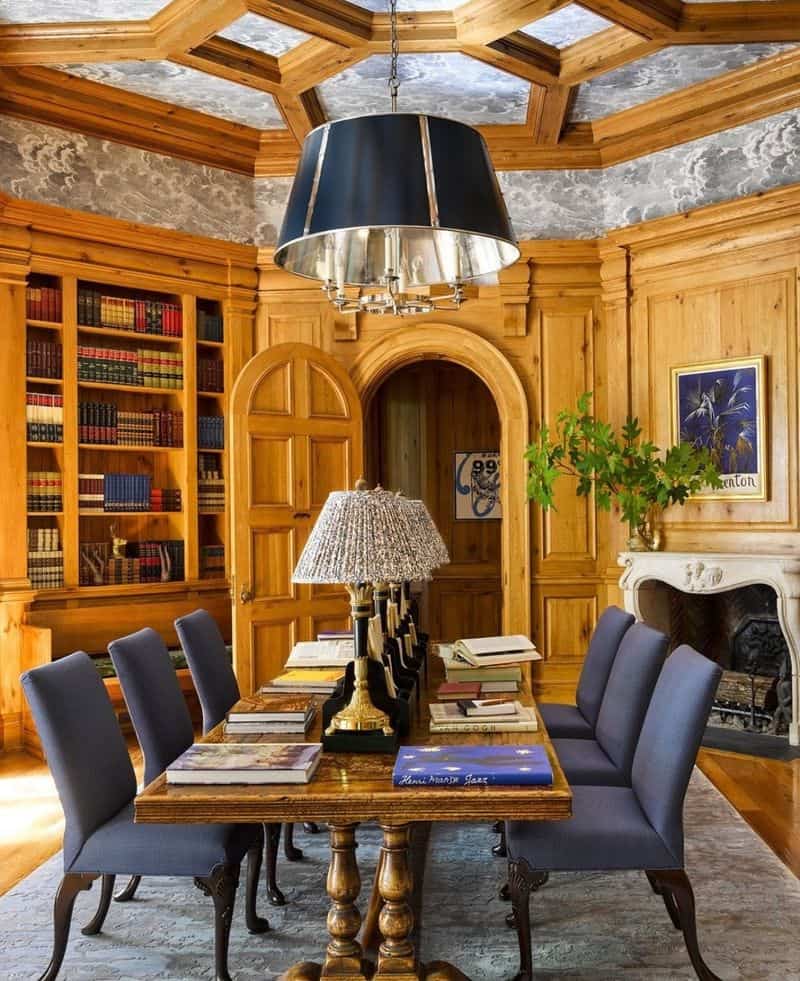
Believing antiques are unaffordable limits your options. Many pieces come at varied price points, often comparable to new furniture.
Thrift stores and estate sales offer treasures at reasonable prices. Moreover, antiques maintain value over time, unlike many new items.
The investment in quality and history can often be surprisingly economical.
7. Antiques Don’t Fit in Modern Homes
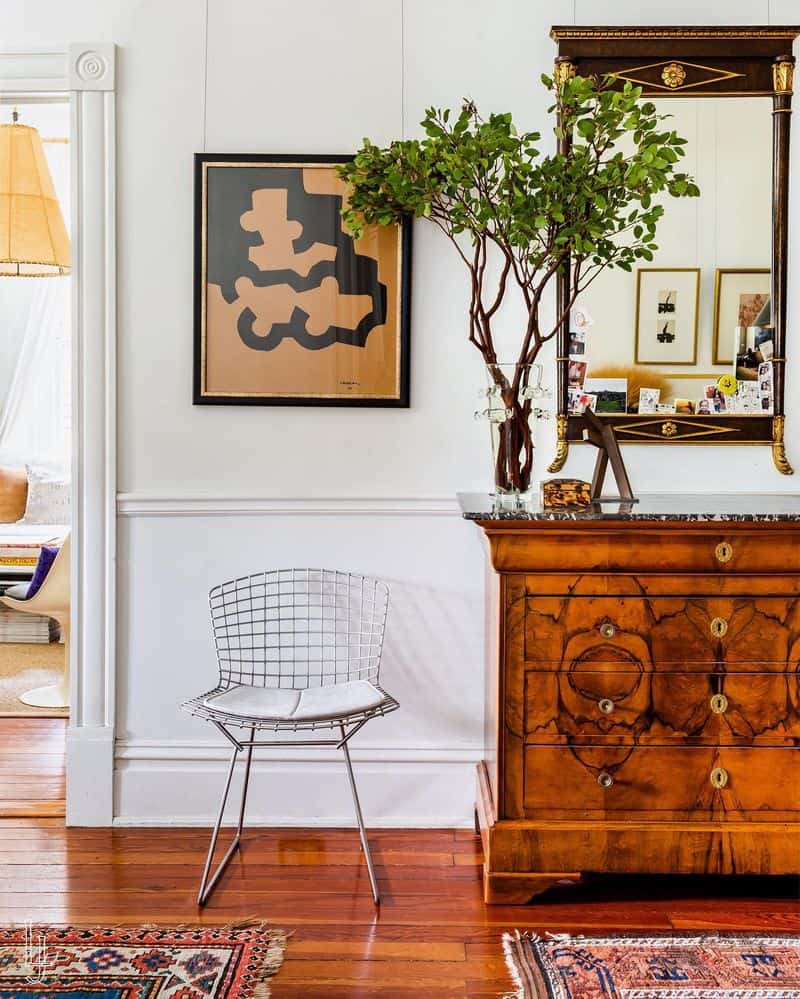
Antiques can seamlessly integrate into modern spaces. A vintage chandelier in a sleek dining room adds character and warmth.
The juxtaposition of old and new creates a dynamic environment. These elements become focal points, enriching the overall design narrative of a home.
The fusion of eras tells a unique style story.
8. They Have to Be Upcycled
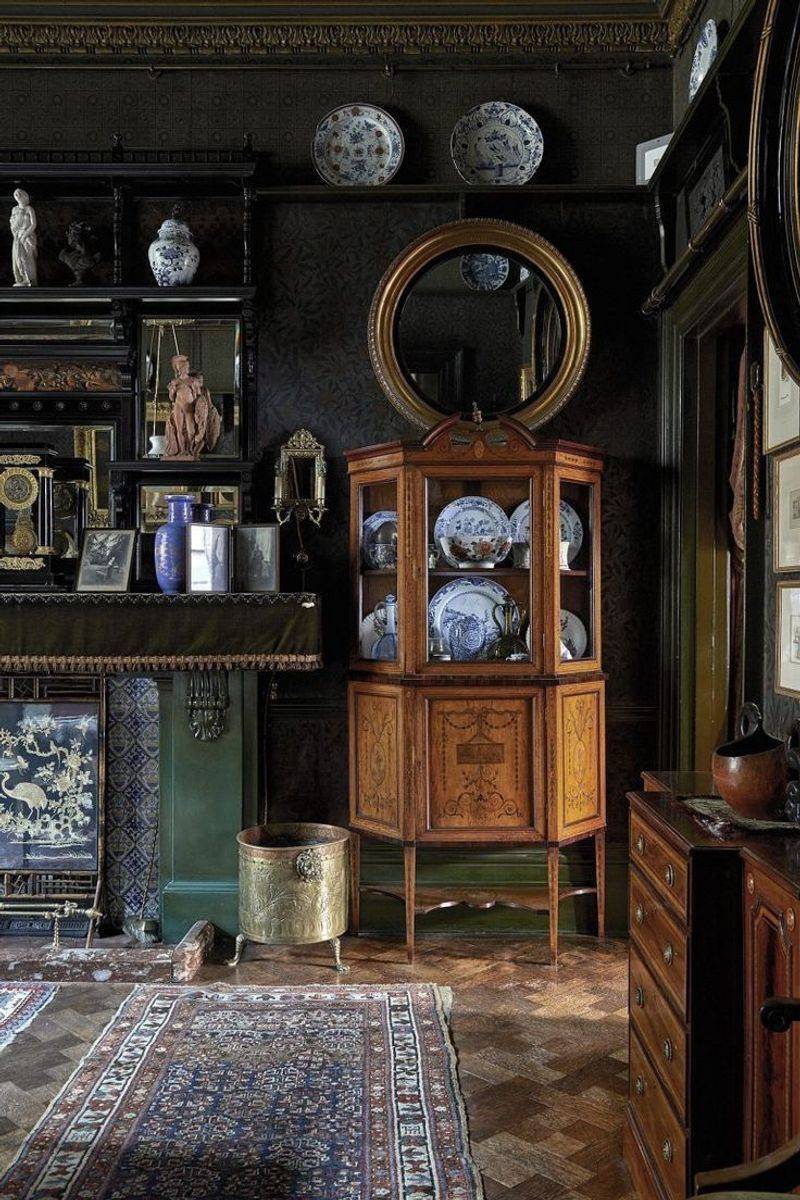
Not all antiques need upcycling. Preserving their original form can highlight craftsmanship.
A well-maintained vintage dresser, with its original patina, can stand proudly in a modern bedroom.
The untouched beauty of an antique often speaks louder than altered versions. Appreciating original artistry respects the piece’s history.
9. You Need Knowledge to Shop Vintage
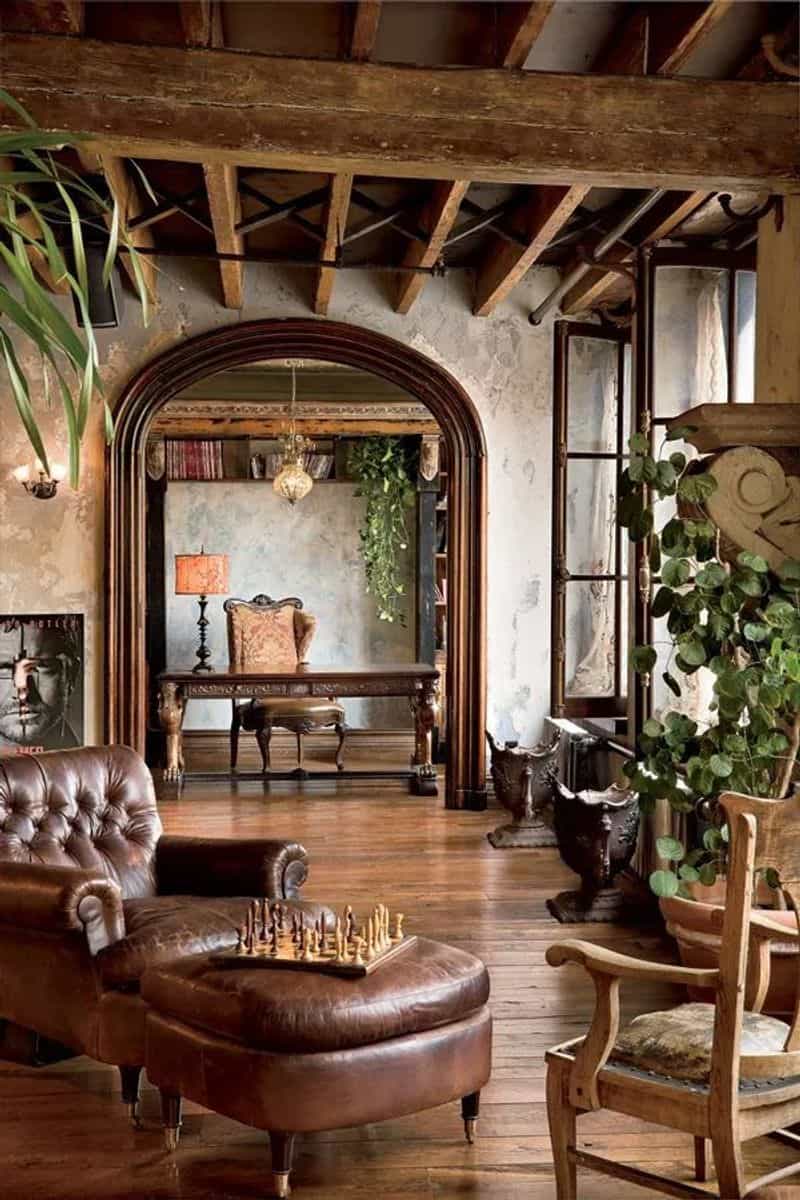
Shopping for antiques doesn’t require expert knowledge. Start with what you love. Many sellers provide insights and stories about each piece.
Building knowledge is part of the journey, not a prerequisite. Enthusiasts grow their expertise gradually, often guided by passion and curiosity.
Accessible antique shops invite everyone to explore history’s treasures.
10. Antiques Are for Maximalists
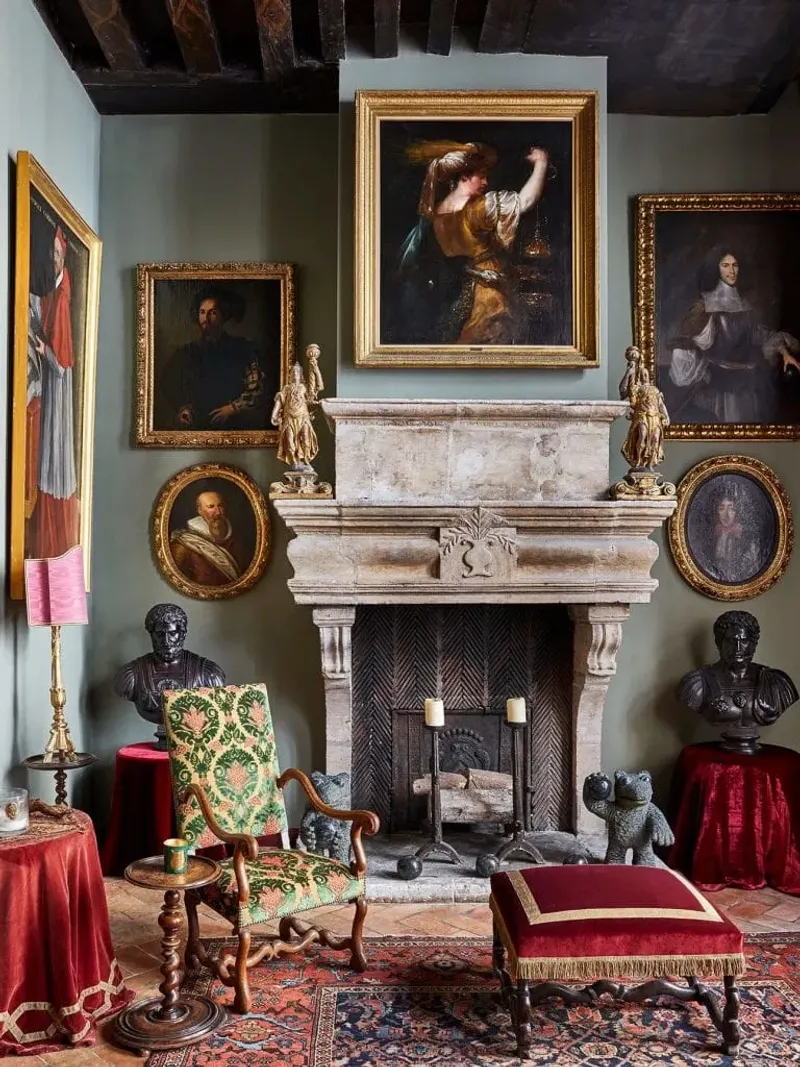
Antiques aren’t reserved for maximalists. A minimalist can incorporate select pieces to add depth without clutter.
A single antique chair or a classic painting can enhance a streamlined space.
The essence of minimalism is intentionality, and antiques can blend seamlessly with such philosophy, offering a touch of history.