
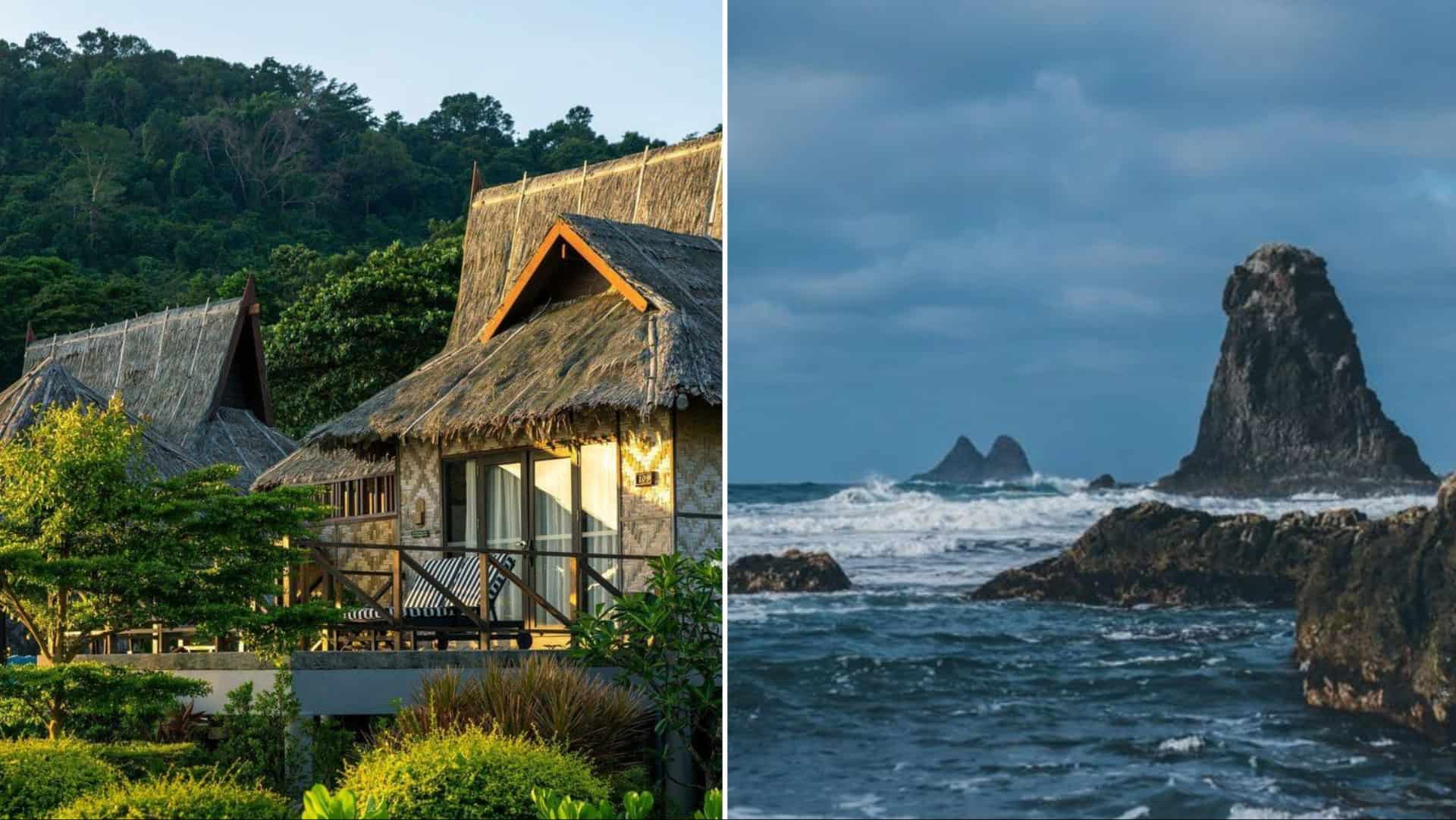
Exploring the hidden truths of island living, we’ll delve into ten unique aspects that often go unnoticed by newcomers.
From the tranquil pace of life to the challenges of limited resources, each section reveals a different facet of what it truly means to call an island home.
1. A Slower Pace of Life
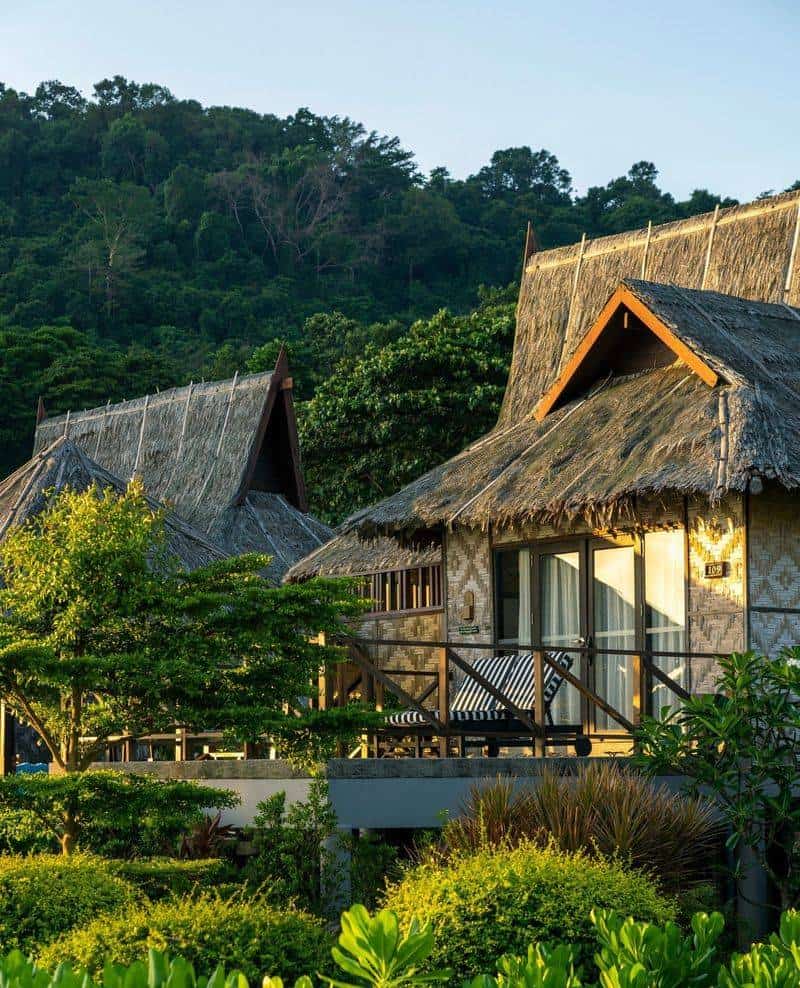
On an island, time seems to slow down. Without the hustle and bustle of city life, islanders often enjoy a more leisurely pace.
Days are filled with the simple pleasures of life, nurturing a deep connection with nature.
Here, relationships flourish as community life becomes more intimate and engaging.
2. Limited Resources and Services
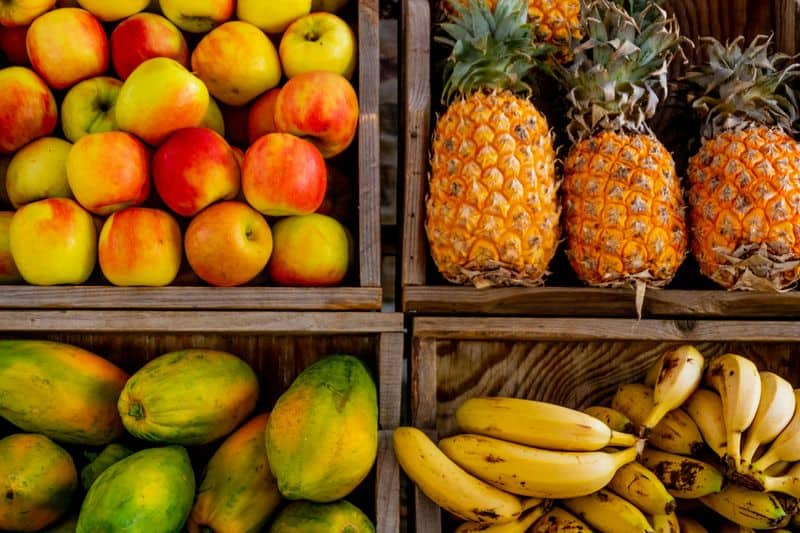
Islands can surprise newcomers with their limited access to goods and services. Many essentials are imported, leading to higher costs and less availability.
Islanders often develop resourcefulness, finding inventive solutions to everyday challenges.
This constraint can foster a strong sense of self-reliance and community sharing.
3. Tight-Knit Community Bonds

Living on an island often means knowing your neighbors intimately. This tight-knit atmosphere fosters a strong sense of belonging.
While privacy may be scarce, friendships run deep. Community events and gatherings are the heart of social life, providing ample opportunity to connect with others.
4. Dependence on Imports
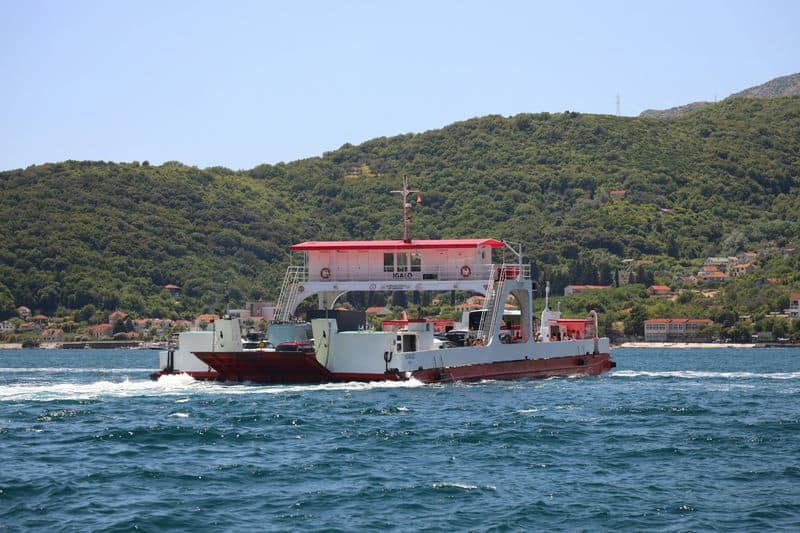
Life on an island often hinges on the arrival of imports. From food to fuel, these shipments dictate daily life.
With fluctuating costs and supply uncertainties, residents learn to adapt.
This dependence shapes the economy and influences cultural practices, reflecting a blend of local and imported influences.
5. Embracing Outdoor Activities

Nature becomes the playground for islanders, where outdoor activities dominate daily routines.
Surfing the waves, hiking lush trails, or fishing in abundant waters fills the days with adventure.
This lifestyle fosters a profound connection with the environment, enriching life with vibrant experiences and memories.
6. Transportation Challenges
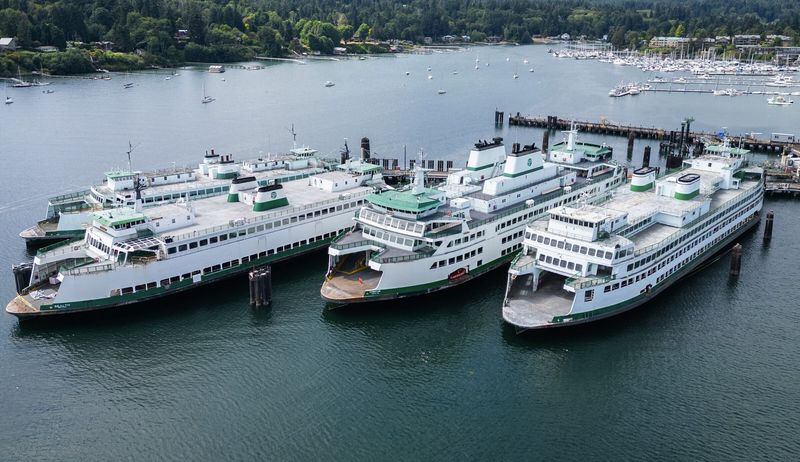
On islands, transportation can be a puzzle. With options limited to boats, ferries, or small planes, getting around requires planning.
This constraint can lead to creative travel solutions and a greater appreciation for local exploration. It’s a unique aspect of island life that teaches patience and adaptability.
7. Tourism’s Double-Edged Sword
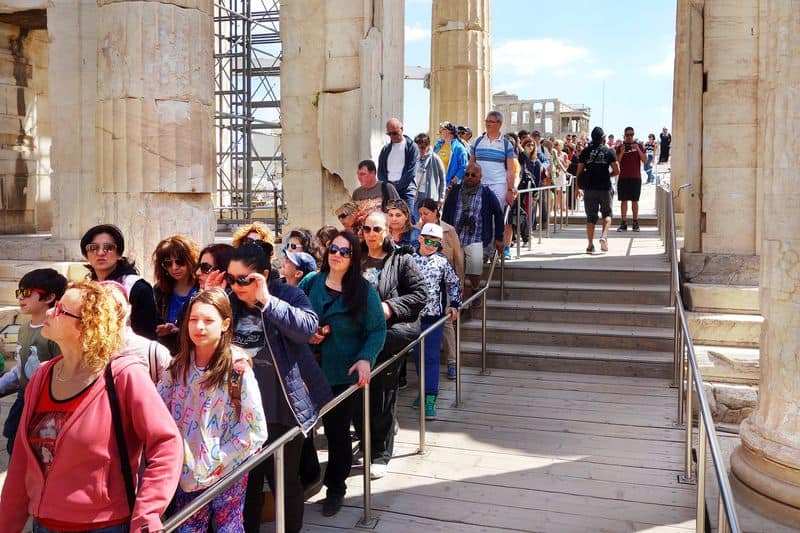
Tourism brings both prosperity and challenges to islands. While it fuels the economy and provides jobs, it also brings seasonal crowds and environmental stress.
Balancing these influences requires careful planning and community involvement.
Islanders often embrace tourism, but strive for sustainable practices to preserve their paradise.
8. Environmental Vulnerabilities

Islands face distinct environmental threats. Erosion, rising sea levels, and storms pose constant risks.
These challenges foster a spirit of resilience and innovation, as communities work together to protect their home.
Adapting to environmental changes is a way of life, shaping the island’s future and identity.
9. Self-Sufficiency and Innovation

Islanders often embrace self-sufficiency, crafting ingenious solutions to resource scarcity. Rooftop gardens, solar energy, and rainwater collection are common.
This way of life nurtures innovation and a deep respect for nature.
By blending tradition with creativity, residents carve out a sustainable existence, benefiting future generations.
10. Cultural Richness and Traditions
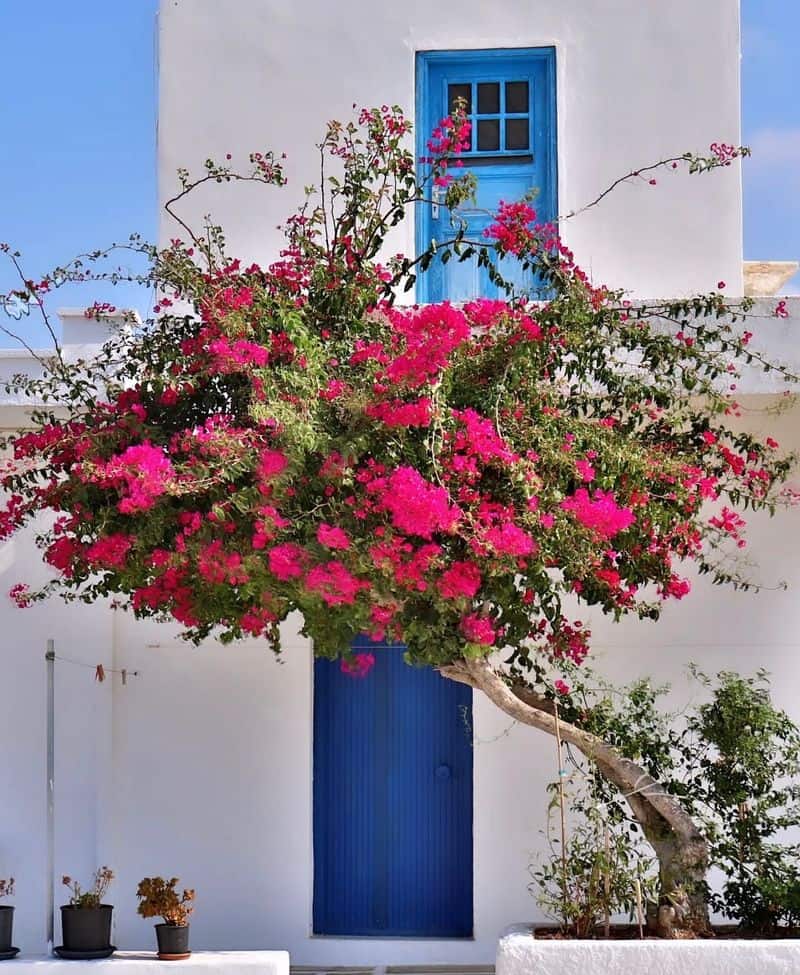
Islands are treasure troves of culture. Rich traditions and distinct cuisines define everyday life, offering a vibrant tapestry of experiences.
Festivals and celebrations bring communities together, showcasing the island’s unique identity. This cultural mosaic enriches life, nurturing a sense of pride and continuity.