

Plastic containers are common in our kitchens, but not all items are suited for this storage method.
Certain foods and non-food items can cause plastic degradation, contamination, or even health risks.
Knowing what not to store in plastic helps preserve quality and safety. Here are 10 items you should be cautious about and opt for safer alternatives.
1. Hot Foods and Beverages
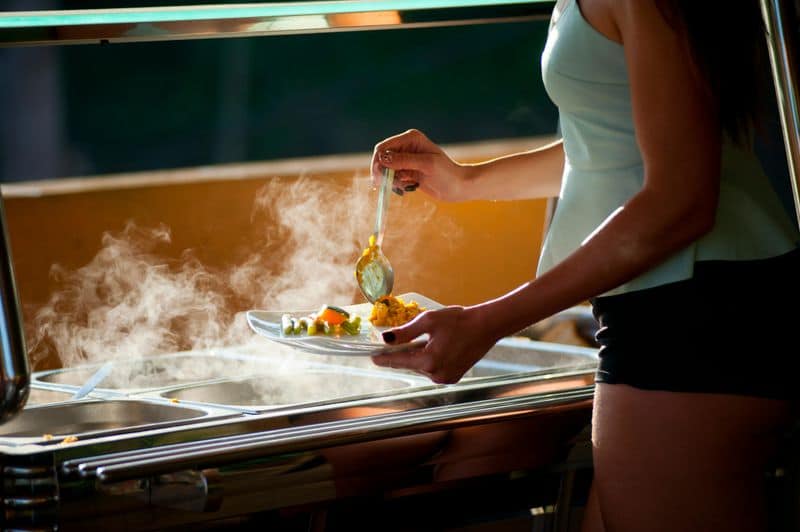
Ever noticed plastic getting soft with hot liquids? Many plastics release chemicals like BPA when heated.
These chemicals are harmful. Instead, choose heat-resistant glass or ceramic. They keep your food safe and maintain flavor.
Plus, they’re easier to clean and don’t retain odors. Enjoy peace of mind with every hot meal.
2. Strongly Acidic Foods
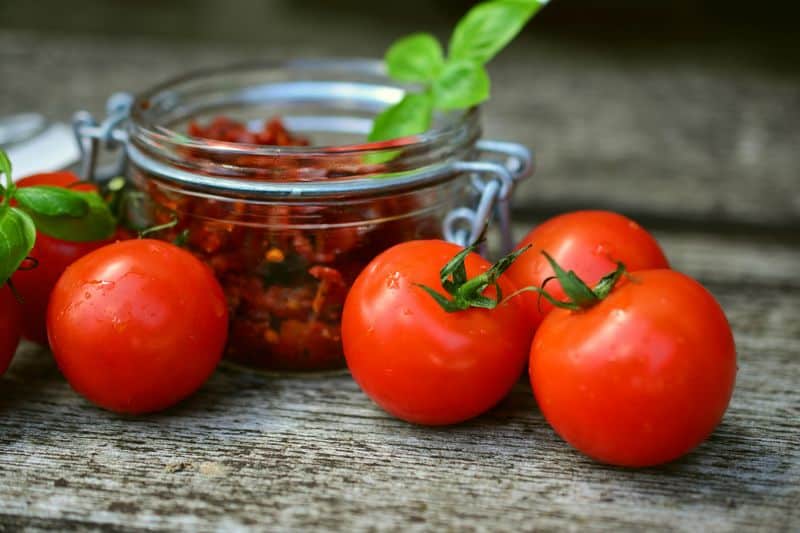
Acidic foods like citrus and tomatoes can degrade plastic over time, leading to chemical leaching. This not only affects flavor but can pose health risks.
Glass or stainless steel containers are ideal for these foods. They preserve taste and ensure no harmful chemicals enter your meals, keeping them fresh and safe.
3. Oily or Fatty Foods
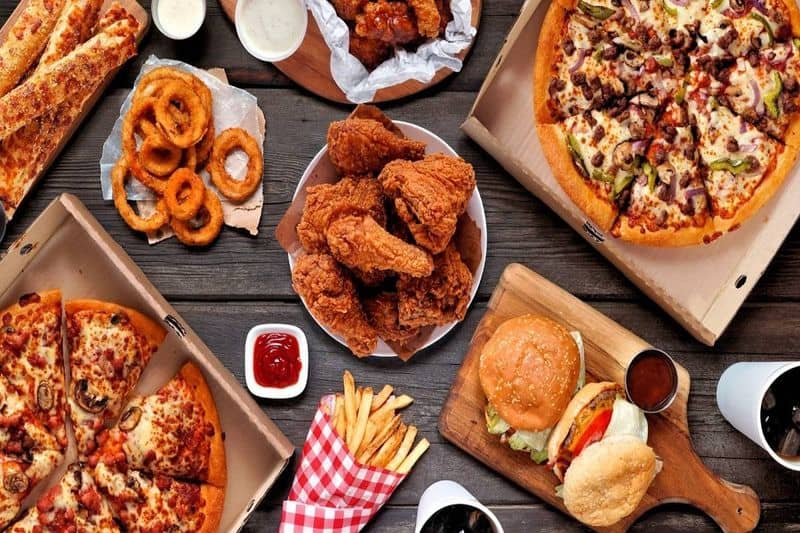
Oils have a sneaky way of seeping into plastic, causing deterioration and unpleasant odors. Fried foods and greasy snacks should be stored in glass or stainless steel.
These materials prevent oils from soaking in. Your food stays fresh, and you won’t have to deal with stubborn smells lingering in your containers.
4. Dairy Products
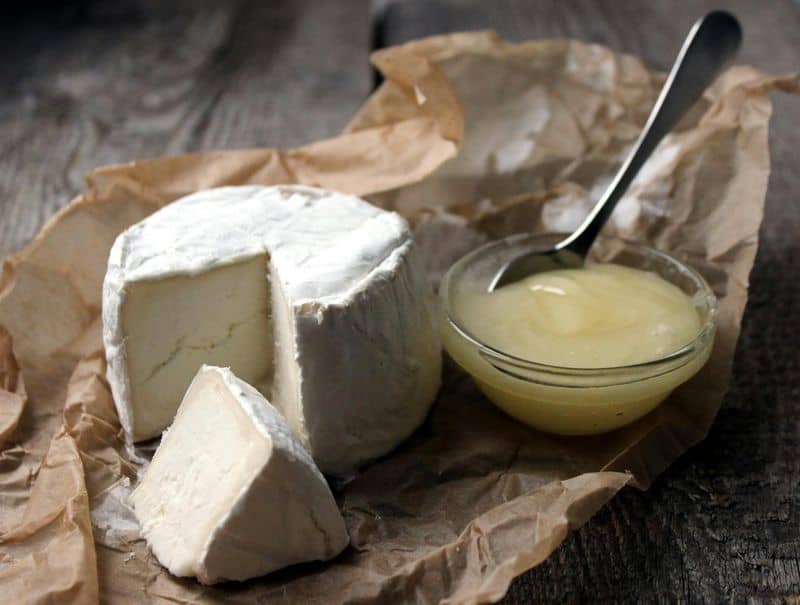
Dairy’s rich and creamy nature can cause plastic to retain odors and even foster bacterial growth if not cleaned thoroughly.
Opt for glass jars or ceramic containers for dairy storage. These materials do not absorb odors, ensuring your dairy remains fresh and clean.
Plus, they’re visually appealing in your fridge.
5. Pickles and Fermented Foods
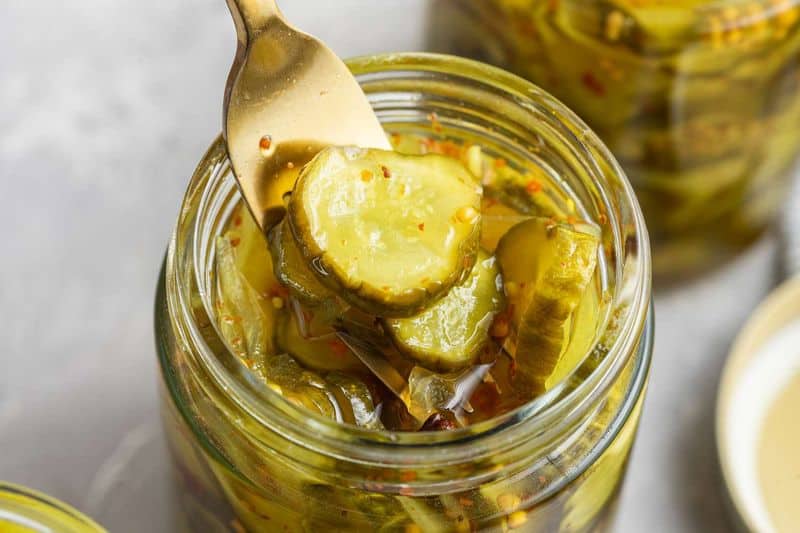
High acidity and salt content in pickles and fermented foods can wreak havoc on plastic containers.
This can lead to unpleasant tastes and potential leaching of harmful chemicals.
Glass jars with airtight lids are perfect for these foods, preserving their tangy flavors without compromising safety and quality.
6. Raw Meat and Seafood
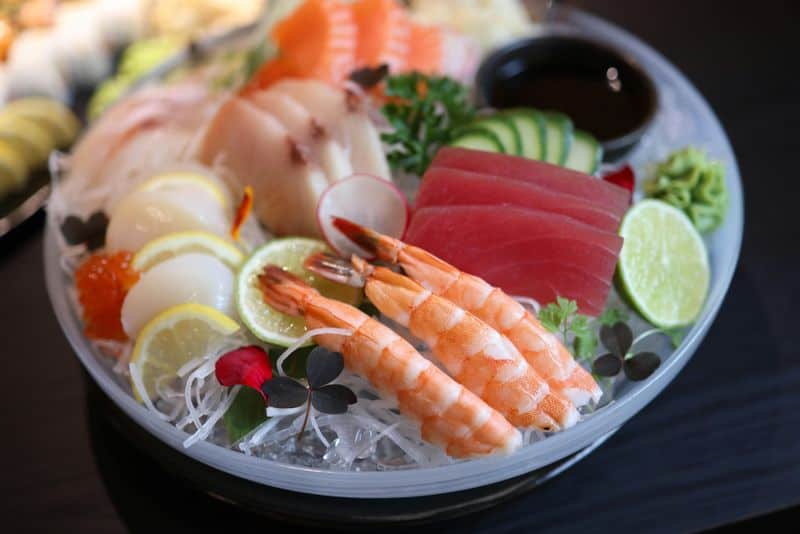
Storing raw meat and seafood in plastic can lead to cross-contamination and plastics absorbing strong odors.
Glass or stainless steel is a safer choice. These materials are non-porous and easy to sanitize, ensuring no lingering bacteria.
Your fridge remains odor-free, and your meals are safe and fresh for cooking.
7. Spicy or Strongly Scented Foods
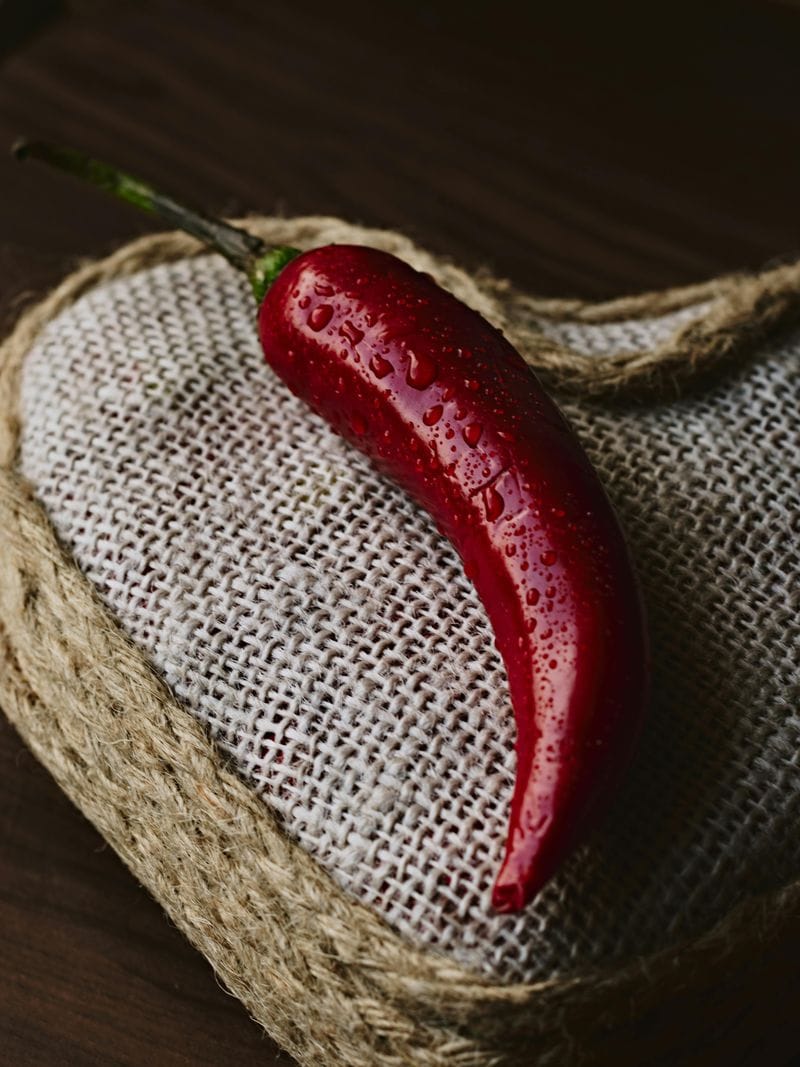
Spicy foods like curry can stain plastics and leave lingering odors. That’s not appetizing! Glass or ceramic containers are better suited.
They resist staining and odors, preserving the delicious aroma of your meals.
These materials maintain the integrity of your food, ensuring every meal smells and tastes fabulous.
8. Medicinal or Chemical Substances
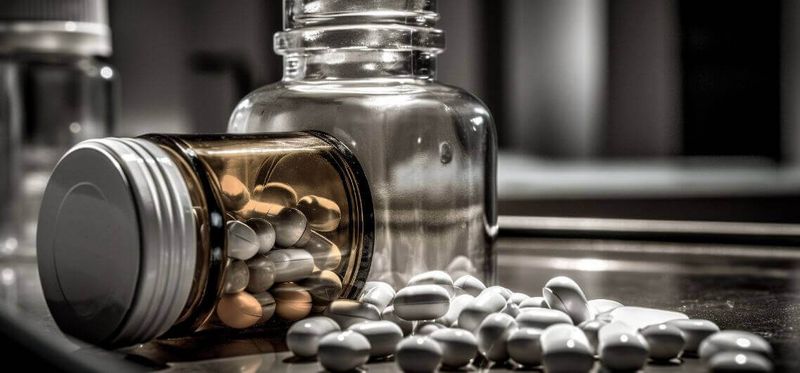
Plastic can react with medicinal or chemical substances, leading to potential leaching. Glass or specialized chemical-resistant containers are recommended.
They are inert, ensuring no chemical reactions.
This keeps the substances pure and safe for use, protecting your health and maintaining the efficacy of the products.
9. Frozen Foods
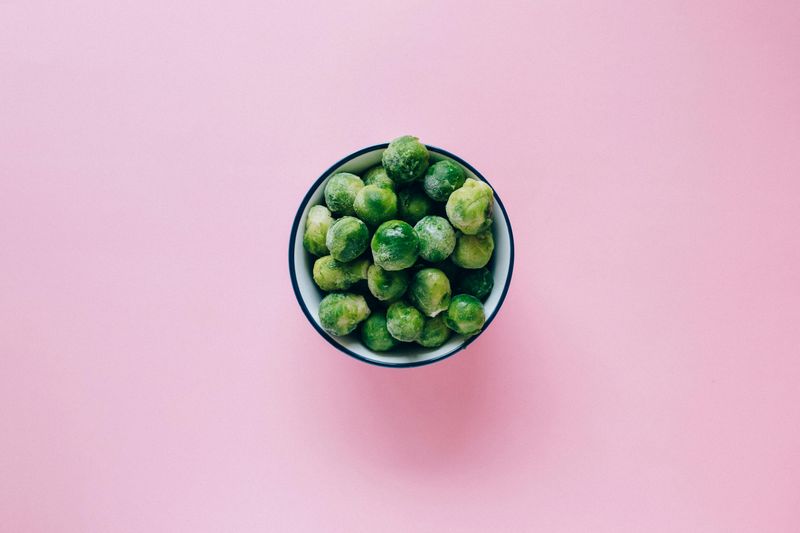
Not all plastics are suitable for freezing. Some become brittle, leading to cracks and contamination risks.
Freezer-safe glass containers or silicone storage bags are excellent alternatives.
They are durable and maintain food quality, ensuring your frozen goods are safe and ready for future meals without the risk of contamination.
10. Non-food Items like Batteries or Household Chemicals
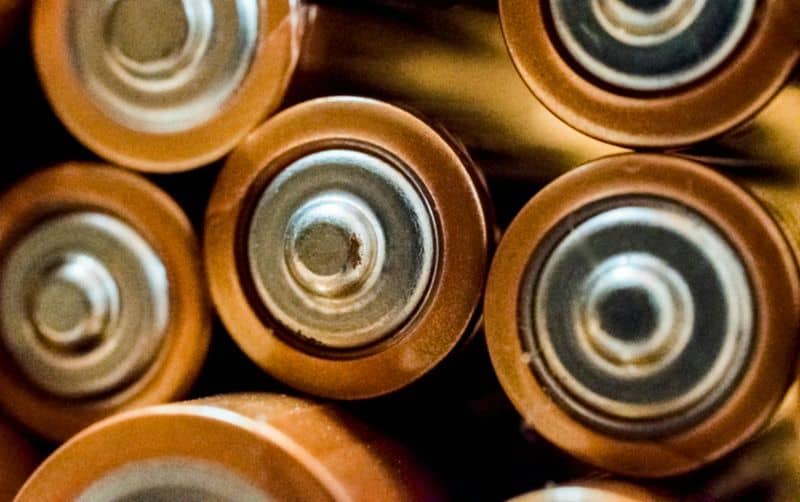
Storing non-food items like batteries or household chemicals in plastic can be risky. Chemical reactions, leaks, or contamination can occur.
Use properly labeled, dedicated storage containers made of suitable materials.
This prevents accidents and ensures these items are stored safely, protecting both your home and the environment.