
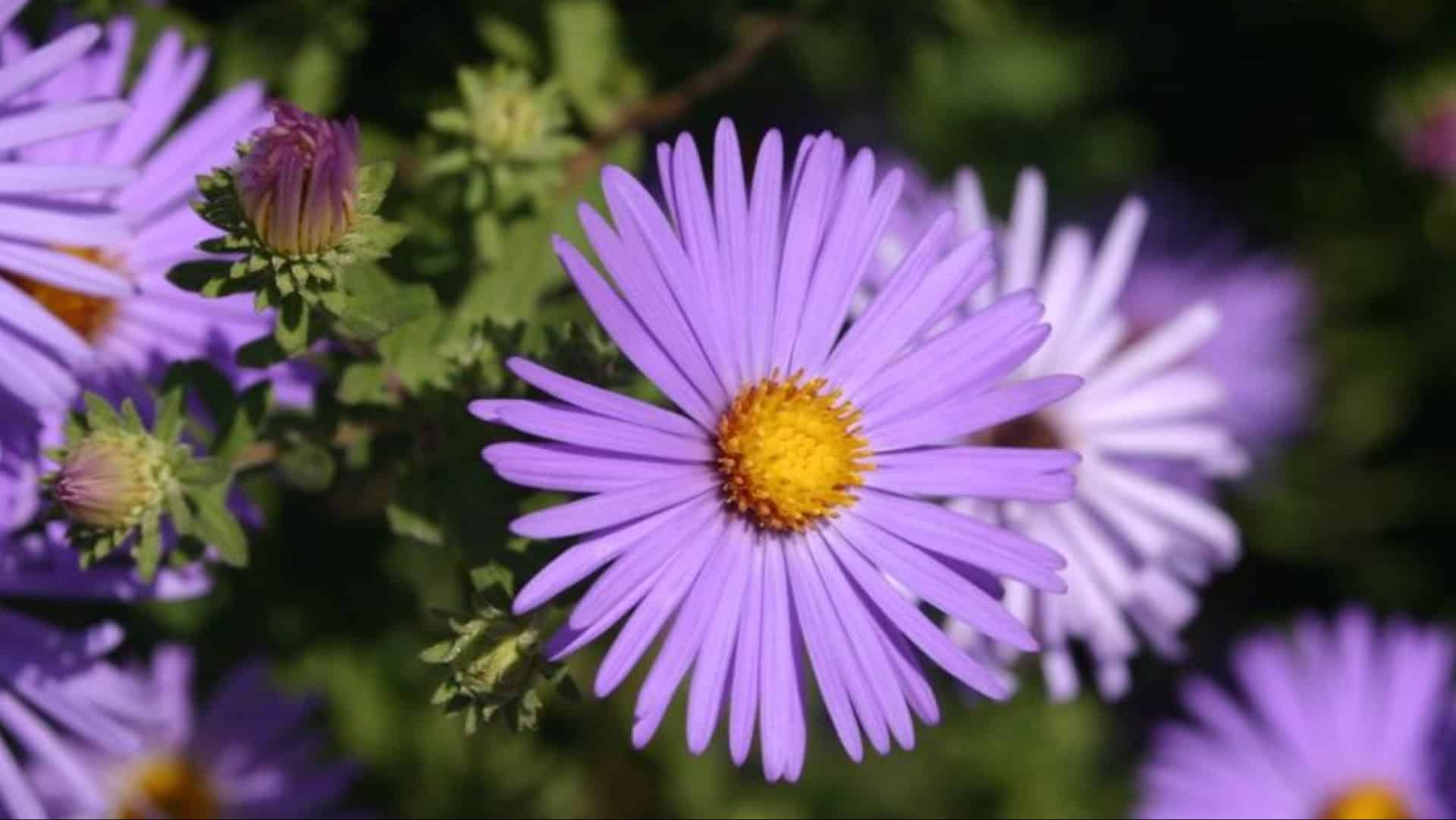
Transforming your garden into a haven for ladybugs not only adds beauty but also naturally controls pests.
Ladybugs feed on harmful insects, and certain plants attract these beneficial beetles.
Here are 10 plants to create a ladybug-friendly garden, each offering unique qualities and a welcoming environment for these natural pest controllers.
1. Marigolds (Tagetes)

Marigolds illuminate gardens with their cheerful colors. Known for deterring pests, they make an attractive option for ladybugs.
Their pungent aroma wards off unwanted insects while inviting ladybugs to feast on aphids.
These bright blooms also symbolize warmth, adding a radiant touch to any garden. Planting them ensures a natural pest control system without harsh chemicals.
2. Daisy (Bellis perennis)

Daisies, with their classic white petals, are a timeless garden staple. These flowers attract ladybugs by providing nectar and pollen they adore.
Ladybugs thrive in the presence of daisies, controlling aphid populations effectively.
Their simple elegance complements any landscape, offering a serene yet practical addition to gardens aiming for natural pest control.
3. Yarrow (Achillea millefolium)
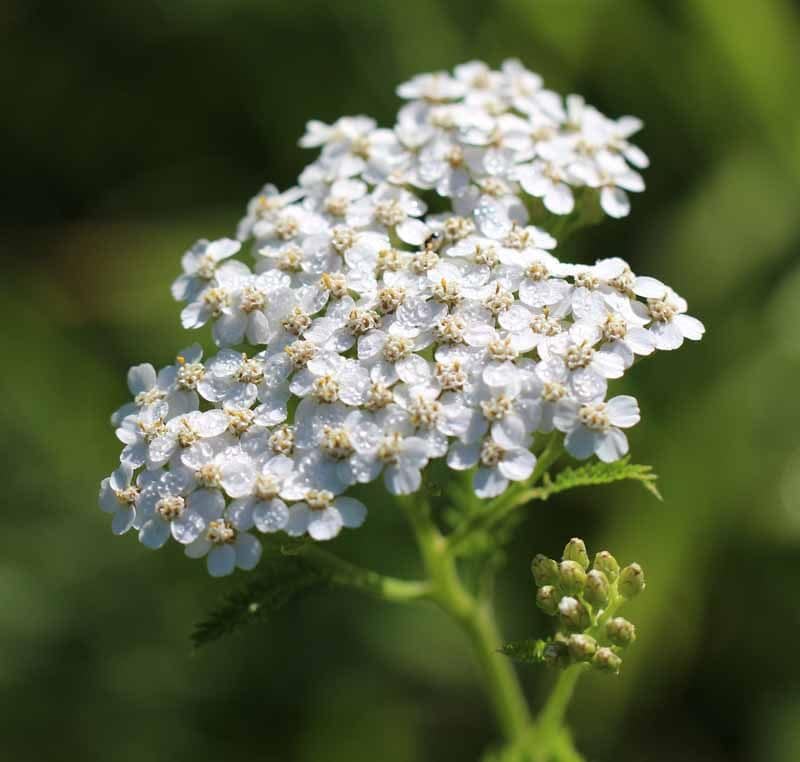
Yarrow stands out with its feathery leaves and flat-topped clusters. This hardy plant attracts ladybugs, which help manage pest populations.
Often used in natural medicine, yarrow brings historical significance and practical benefits.
It adds texture and variety to garden landscapes, providing both beauty and a sanctuary for beneficial insects like ladybugs.
4. Coreopsis (Coreopsis spp.)

Coreopsis, with its sunshiny blooms, is a magnet for ladybugs. Its long-lasting flowers not only brighten spaces but also support beneficial insects.
Known for its drought resistance, coreopsis thrives in various conditions.
These flowers provide a splash of color and a refuge for ladybugs, ensuring healthy gardens free from harmful pests.
5. Feverfew (Tanacetum parthenium)

Feverfew, with its daisy-like blooms, offers medicinal benefits and pest control. Known for soothing headaches, it attracts ladybugs to feast on aphids and mites.
This herbaceous plant adds charm and utility to gardens, promoting a balanced ecosystem.
Its presence encourages natural pest management, reducing the need for chemical interventions.
6. Aster (Aster spp.)
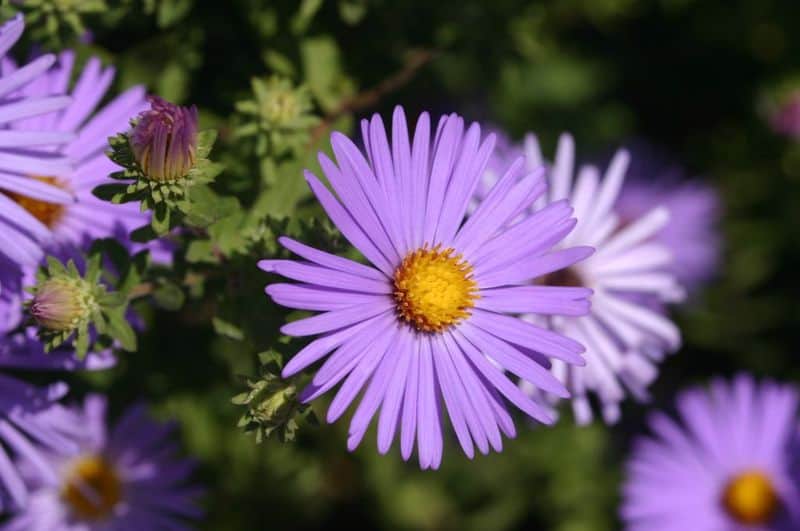
Asters, with their star-shaped blooms, are autumn’s gift to gardens. They attract ladybugs, providing late-season nectar.
These flowers extend the blooming period, supporting beneficial insects year-round.
Asters’ diverse colors and forms enhance garden aesthetics, creating a habitat for ladybugs to thrive and naturally control pest populations through the seasons.
7. Dill (Anethum graveolens)
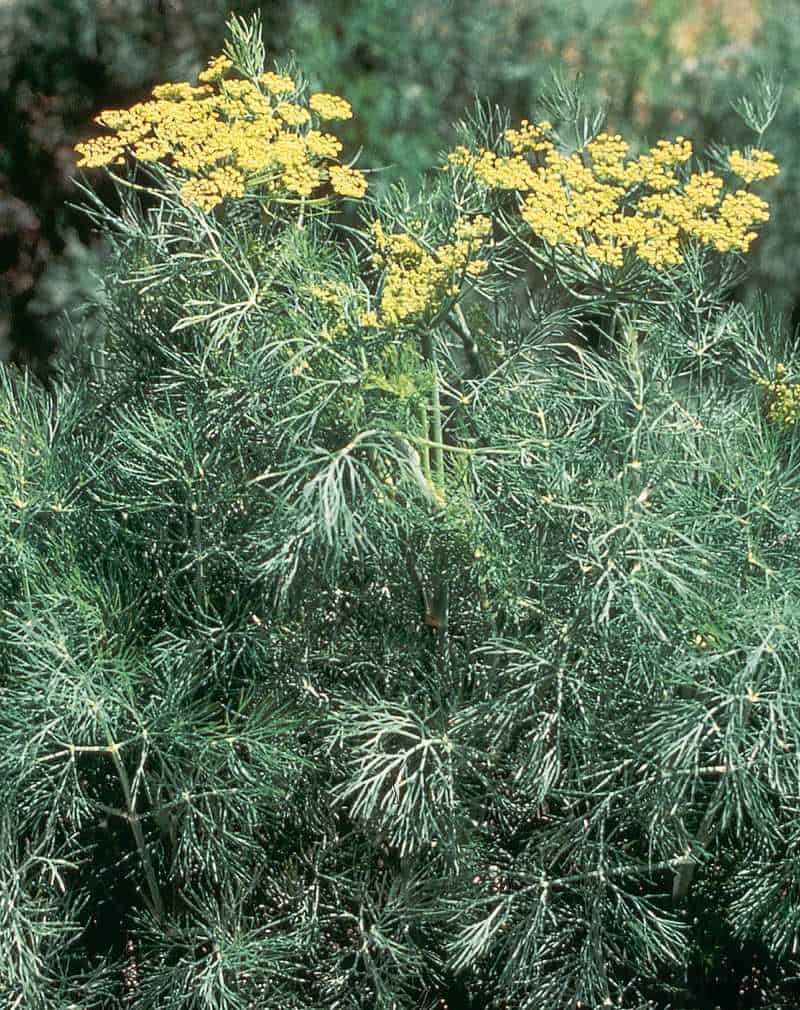
Dill’s aromatic presence in gardens is both culinary and beneficial for ladybugs. Its yellow flowers attract these beetles, helping control harmful pests.
Beyond its garden role, dill is a kitchen staple, adding flavor to dishes.
This herb provides a dual-purpose, fostering a pest-free environment while contributing to culinary delights.
8. Queen Anne’s Lace (Daucus carota)
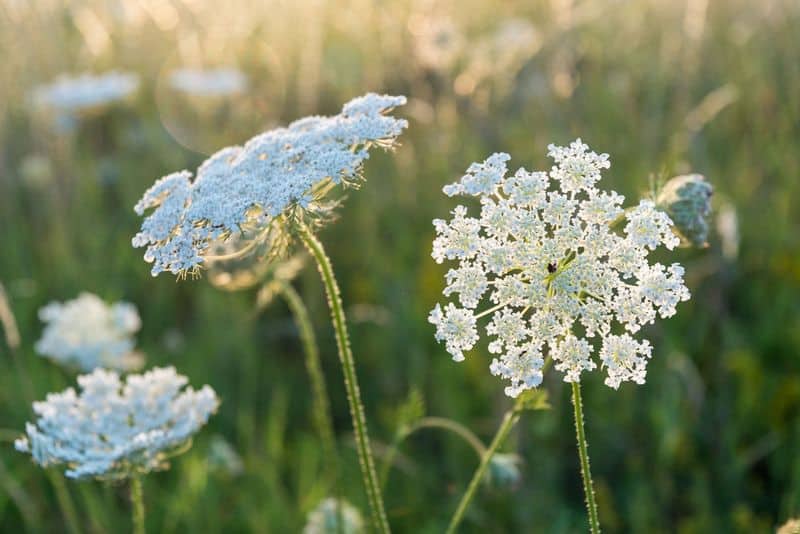
Queen Anne’s Lace, with its intricate white flowers, is a haven for ladybugs.
Known for its delicate beauty, this plant invites beneficial insects that feast on garden pests.
Its airy, lace-like appearance adds a touch of elegance, making it a favorite among gardeners aiming for a natural and harmonious ecosystem.
9. Cosmos (Cosmos bipinnatus)
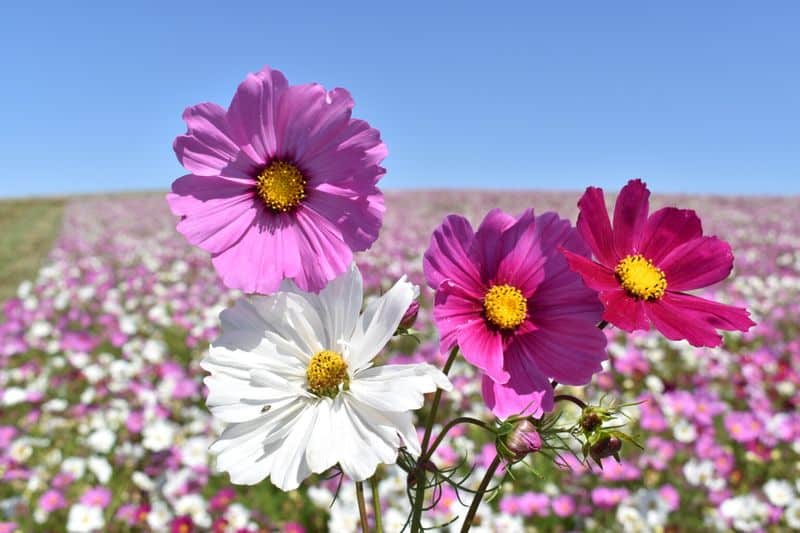
Cosmos, with their dainty, colorful flowers, attract ladybugs and butterflies alike. These blooms offer nectar and pollen, supporting beneficial insects.
Easy to grow, cosmos provide vibrant displays and a welcoming environment for ladybugs, helping to keep gardens pest-free.
Their cheerful presence enhances any outdoor space with natural beauty.
10. Sunflowers (Helianthus annuus)
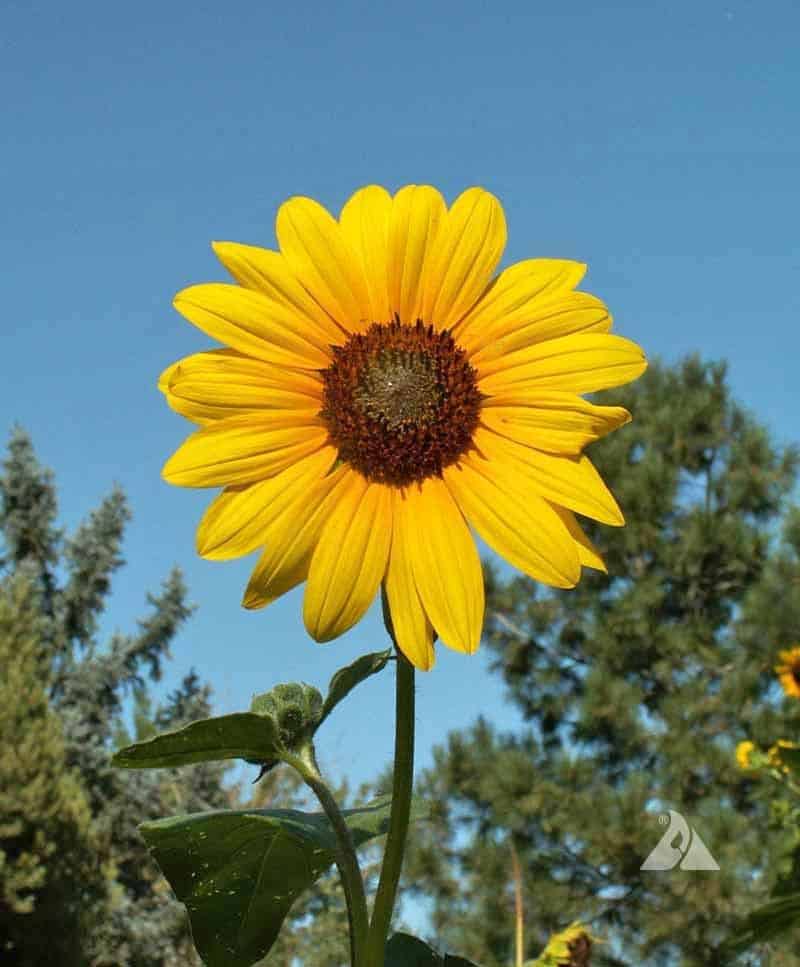
Sunflowers, standing tall, offer more than visual appeal. They attract ladybugs, which aid in controlling aphids.
These towering blooms provide seeds and nectar, fostering a vibrant ecosystem.
Sunflowers’ sunny disposition and utility for both humans and insects make them an ideal choice for those seeking a naturally balanced garden environment.