
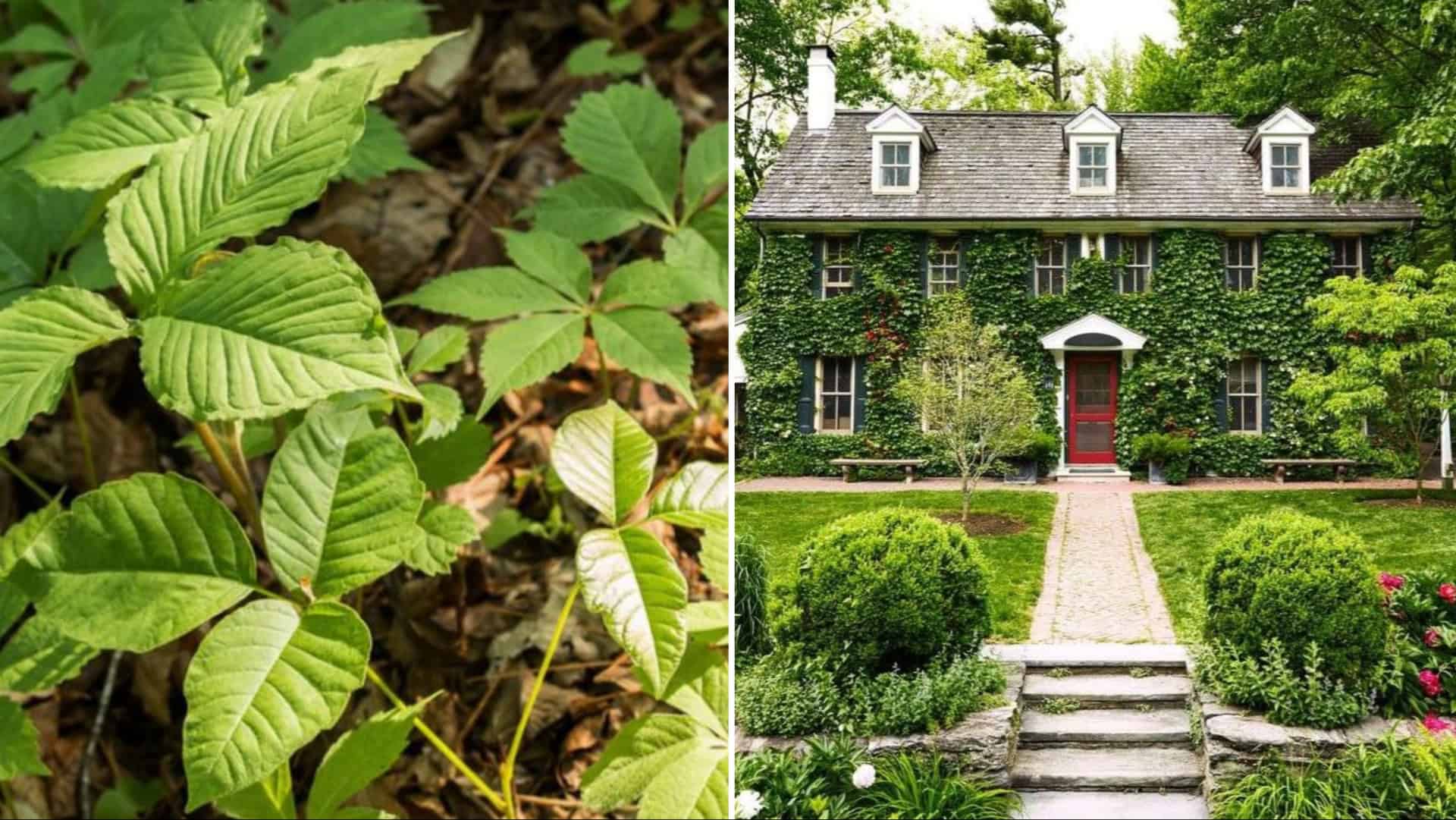
Gardening can be a delightful pastime, but unwelcome guests like poison ivy can quickly turn enjoyment into a rash of concerns.
By adopting these 10 garden safety tips, you can maintain a thriving and safe outdoor space.
From vigilant inspection to clever planting strategies, these hacks will ensure your garden remains a haven, free from the notorious three-leaf menace.
1. Identify and Remove
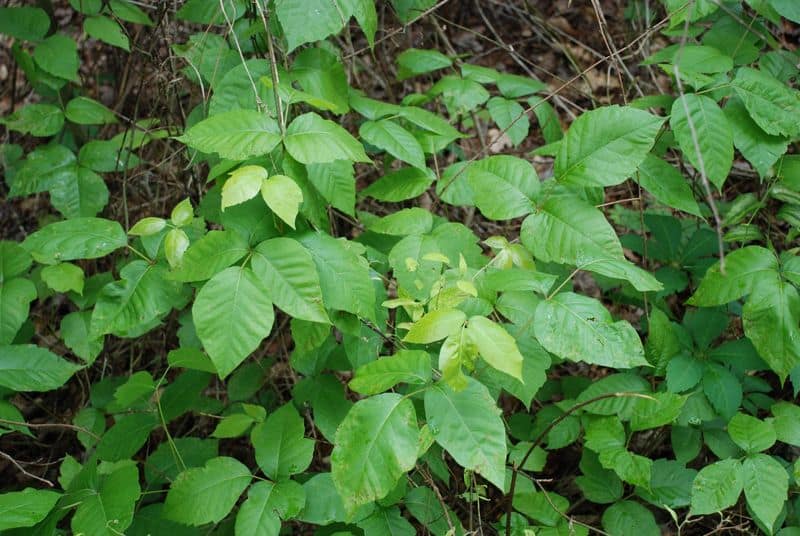
Spotting poison ivy is crucial. With its tell-tale three-leaf clusters, it can easily blend with other plants.
Wearing gloves and protective clothing, regularly scour your garden. Vigilance is key. Once identified, carefully remove these invasive plants.
Remember, their oils can linger, so wash your gear thoroughly. A watchful gardener is a safe gardener. Keep poison ivy at bay!
2. Maintain Healthy Lawn and Plants

A dense, vibrant lawn not only looks beautiful but also serves as a natural barrier against poison ivy.
By keeping your grass lush and well-maintained, you limit the opportunities for poison ivy to take root.
Healthy plants outcompete invaders, creating a safe and picturesque garden sanctuary. Embrace a thriving lawn to banish unwanted visitors!
3. Use Mulch
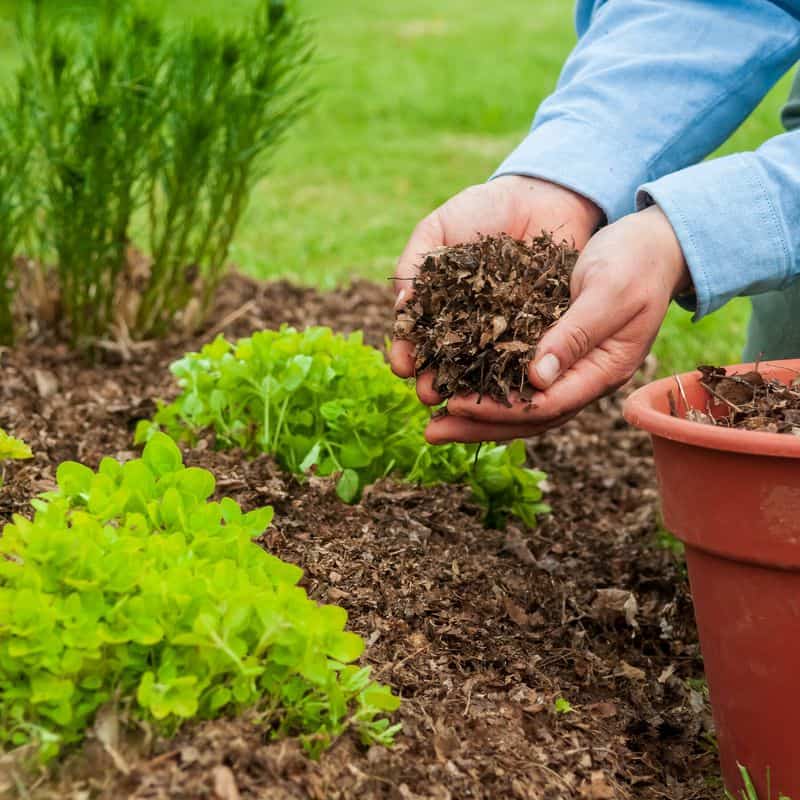
Mulch is more than decorative; it’s a protective ally against poison ivy.
By spreading a generous layer around your garden beds, you suppress potential poison ivy seedlings and prevent their emergence.
This simple step not only beautifies your garden but also fortifies it against unwanted intruders. Mulch your way to a safer, cleaner garden.
4. Plant Competitive Ground Cover
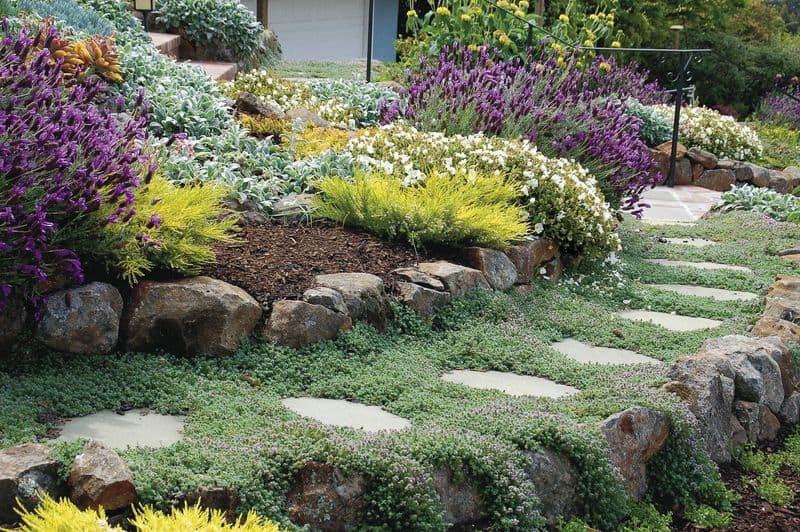
Native ground covers, with their dense growth, are your allies in thwarting poison ivy.
These plants naturally outcompete the ivy, leaving little room for it to thrive.
By choosing the right ground cover, you build a green shield that enhances your garden’s beauty while keeping it safe. Say goodbye to poison ivy with strategic planting!
5. Water Correctly
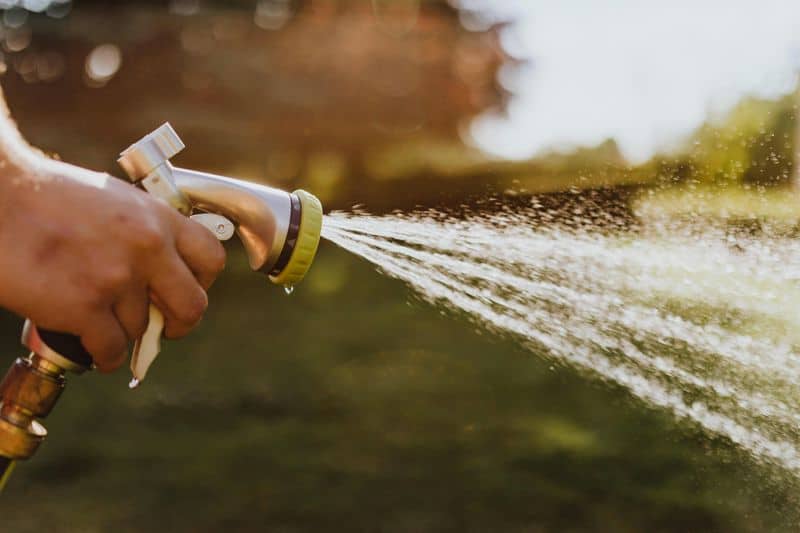
Proper watering is essential for a resilient garden.
By ensuring your plants receive the right amount of water, you bolster their natural defenses against invaders like poison ivy.
A well-hydrated garden is a robust garden. Provide adequate nourishment to your botanical companions, and they will reward you with a safe, thriving environment.
6. Manual Removal with Care
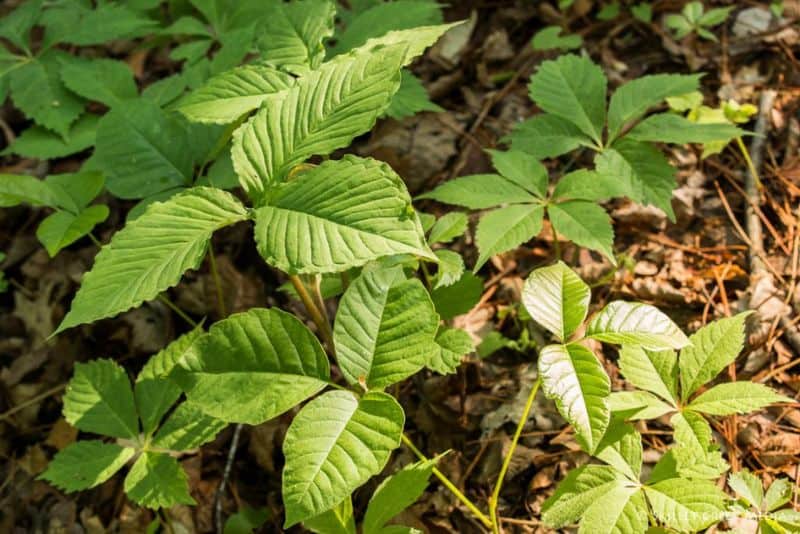
Timing is everything when it comes to removing poison ivy. Early in the season, when plants are small, is the ideal time for manual removal.
Equipped with tools and protective gear, gently extract these menaces.
Avoid skin contact to prevent irritation. This hands-on approach, done with care, can significantly reduce poison ivy presence.
7. Limit Disturbed Soil

Disturbed soil is an invitation for poison ivy to flourish.
By minimizing soil disruption and covering bare patches with plants or mulch, you create an environment less hospitable to this intruder.
Stability is key. Protecting your soil means protecting your garden from unwanted growth. Let undisturbed soil be your silent sentinel.
8. Keep Pets Clean
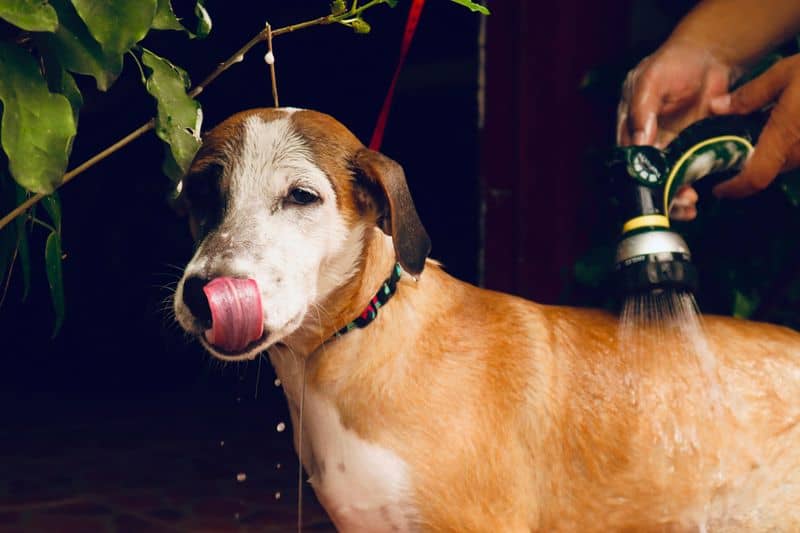
Pets love to explore, but they can bring back more than just joy.
After outdoor adventures, wash your pets thoroughly to remove any poison ivy oils clinging to their fur.
This simple act prevents these oils from transferring to you or your garden. Keep your furry friends and your garden space safe with regular cleaning rituals.
9. Natural Herbicides

Nature provides solutions for controlling poison ivy. Vinegar or boiling water can effectively spot-treat these plants.
Exercise caution to protect surrounding vegetation. These natural methods offer a chemical-free option to tackle unwanted growth.
Embrace Mother Nature’s remedies, and take control of your garden’s health while preserving its beauty.
10. Regular Maintenance
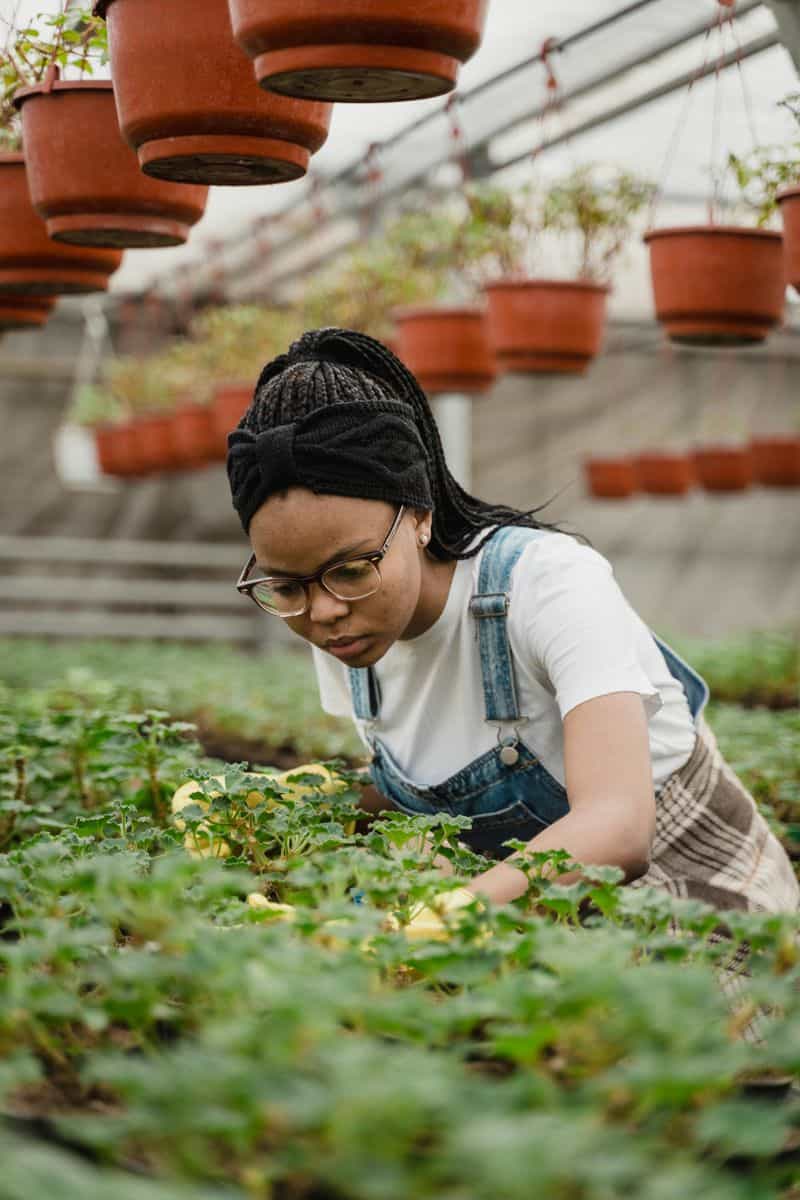
Consistent vigilance is your best defense against poison ivy. Regular garden check-ups allow you to swiftly remove any new growth, preventing spread.
Routine care fosters a healthy, safe environment. By dedicating time to your garden’s upkeep, you protect it from potential hazards.
Let maintenance be your mantra for a poison ivy-free paradise.