
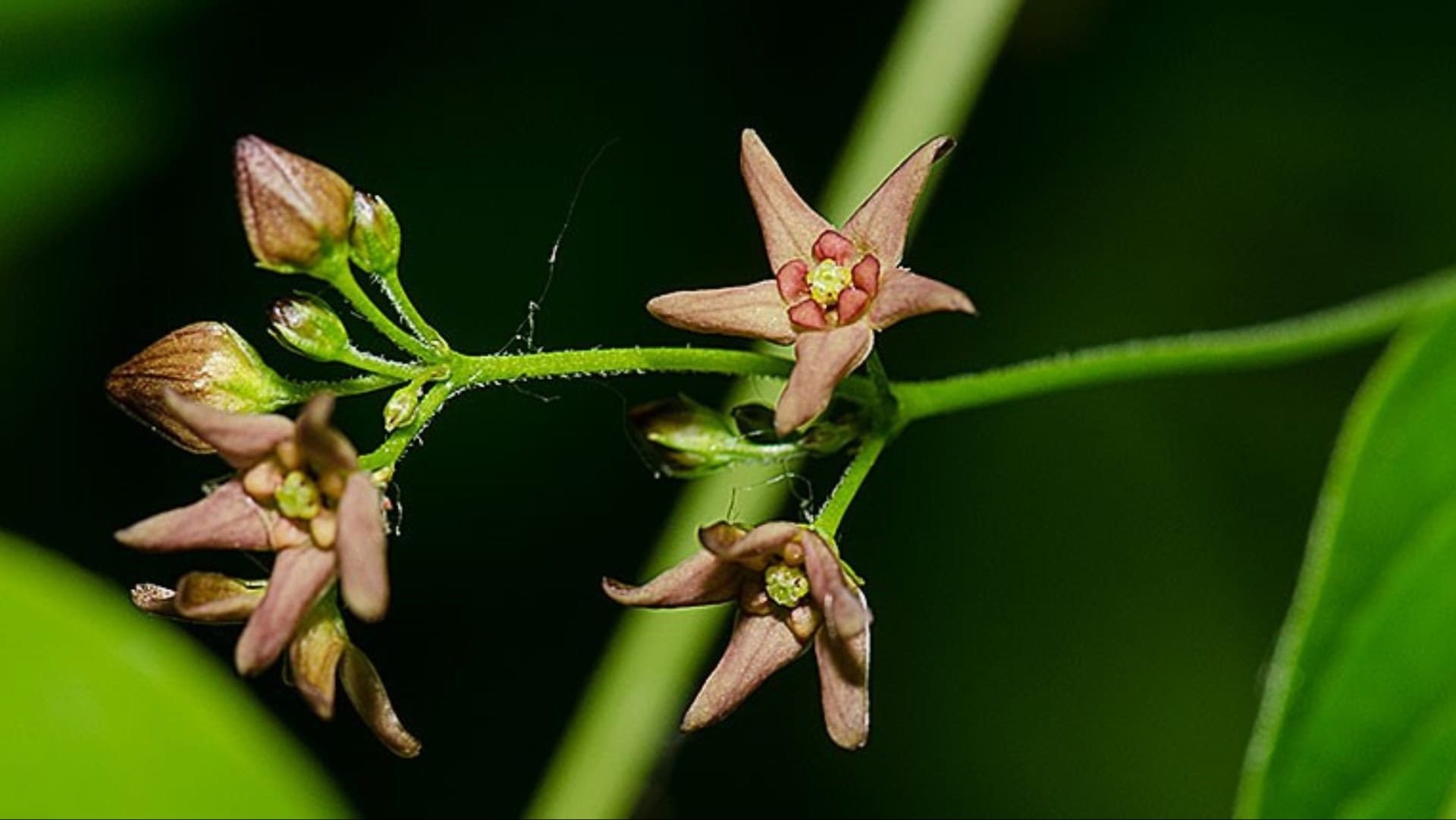
Nature’s beauty can sometimes mask a less benign presence. Here are ten invasive weeds whose striking appearances might make you pause before pulling them out.
Their allure is undeniable, yet their impact on native ecosystems is significant.
Explore these captivating yet problematic plants and learn why their beauty is a double-edged sword.
1. Butterfly Bush (Buddleja davidii)
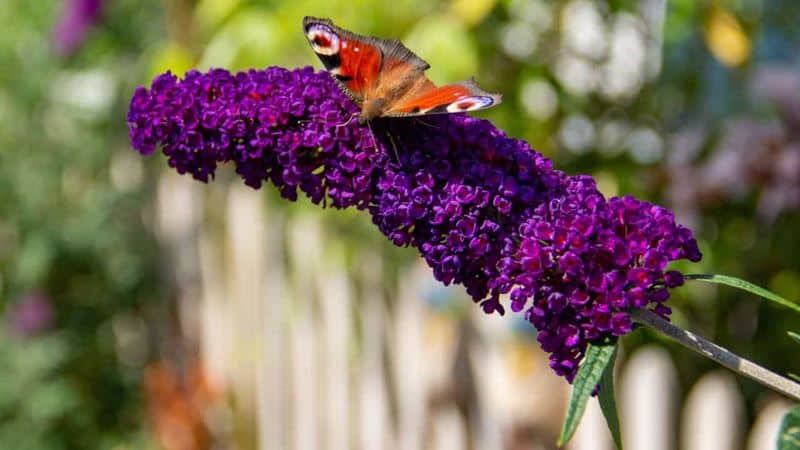
Butterflies dance around the Butterfly Bush, drawn by fragrant, colorful flower panicles. This shrub is a haven for pollinators, painting your garden with life and color.
Despite its charm, its invasive nature can overshadow native flora, leading to changes in local ecosystems.
2. Japanese Knotweed (Fallopia japonica)
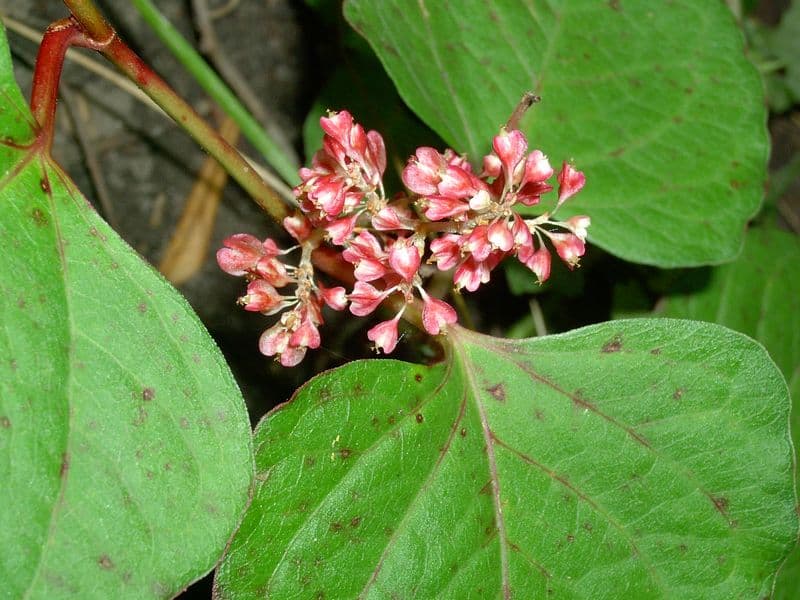
Japanese Knotweed appears like an exotic bamboo. With its towering green stalks and clusters of white blossoms, it adds elegance to any view.
However, beneath this beauty lies a relentless plant capable of breaking through concrete foundations.
Its aggressive nature demands control despite its visual appeal. Would you welcome such power in your garden?
3. Purple Deadnettle (Lamium purpureum)
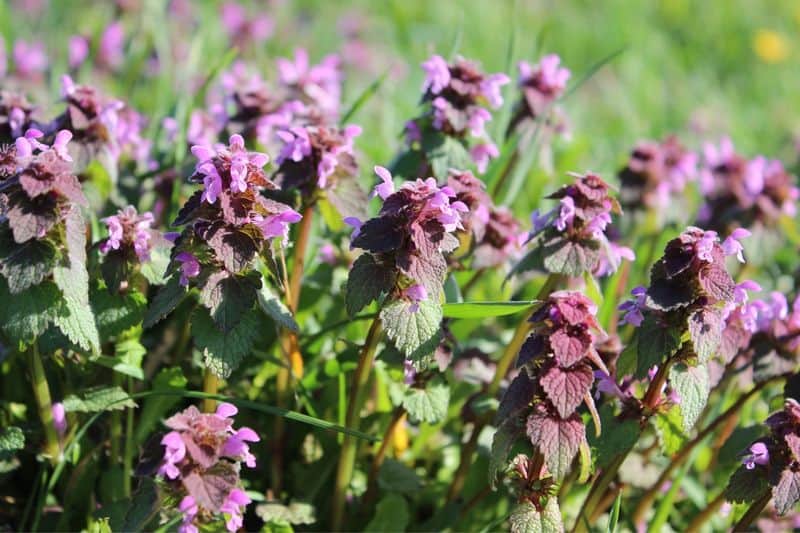
Purple Deadnettle might resemble a whimsical fairy tale ground cover with its purple-tinged leaves and small flowers.
It brings a mystical touch to garden corners, but this enchantment comes with a price.
Often found in disturbed soils, it can spread rapidly, overshadowing other plants.
4. Yellow Crown Beard
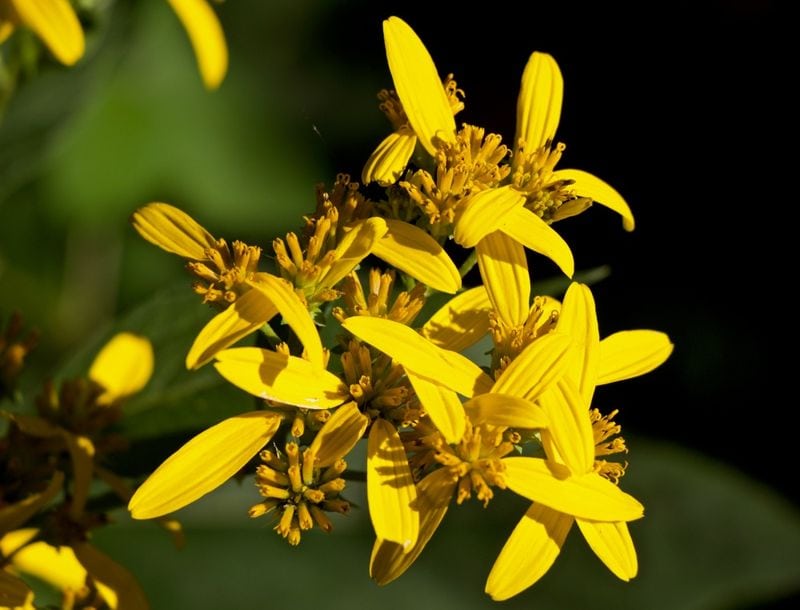
Yellow Crown Beard beams with bright yellow, spiky flowers. These sunlit blossoms add a cheerful note to any garden.
Yet, their lively demeanor belies their ability to dominate. They can quickly become the uninvited guest that takes over.
5. Purple Loosestrife (Lythrum salicaria)
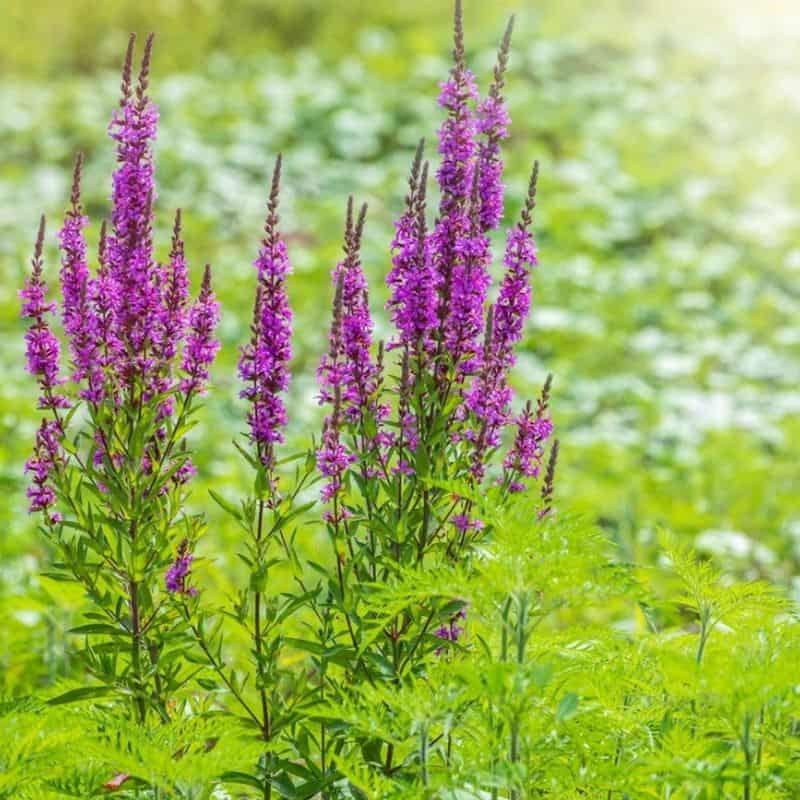
Imagine a field painted in shades of purple. Purple Loosestrife graces wetlands with its tall, vibrant spikes.
These floral wands create a mesmerizing visual but threaten local biodiversity. Complementing any landscape, they form dense stands that outcompete native plants.
Despite their beauty, they are an ecological concern requiring management. Would you dare let them stay?
6. Japanese Honeysuckle (Lonicera japonica)
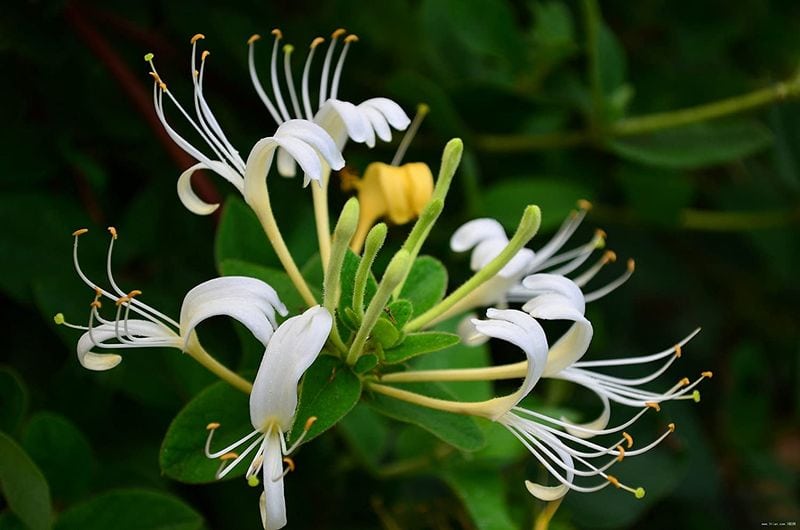
Japanese Honeysuckle whispers fragrance into the garden with its tubular flowers. This lush vine entices with its scent and beauty, blanketing areas with green.
However, its charm conceals an aggressive spread that can smother native plants.
7. Cardinal Flower (Lobelia cardinalis)
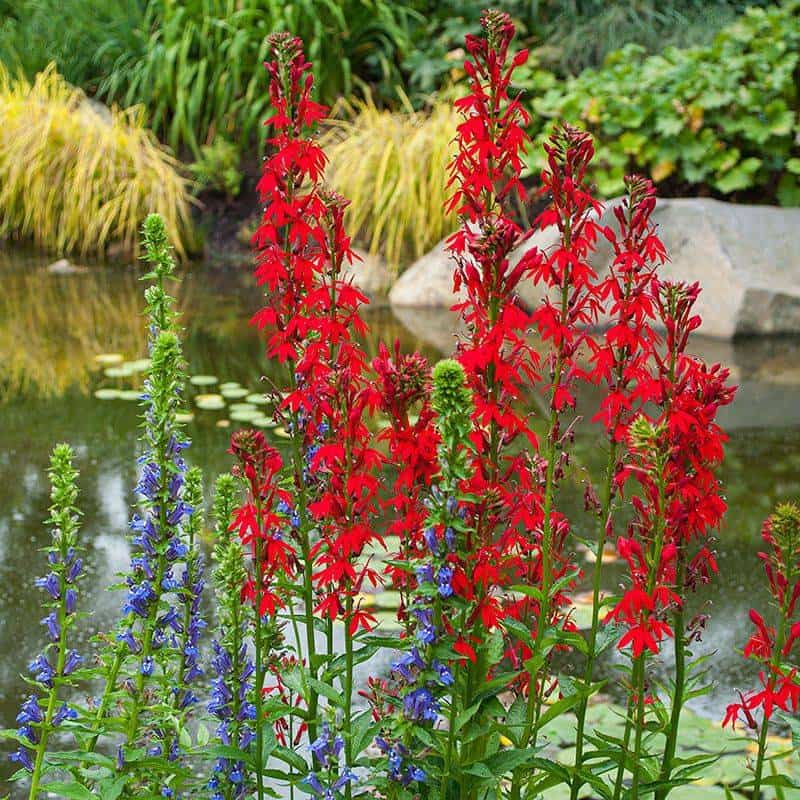
A burst of red emerges with the Cardinal Flower, captivating in shady, wet areas.
Its fiery blooms attract hummingbirds, bringing a touch of vibrancy and life. Despite its striking presence, it can outpace native plants in growth.
Does its hummingbird-friendly appeal outweigh its invasive nature?
8. Swallow-Wort (Vincetoxicum spp.)
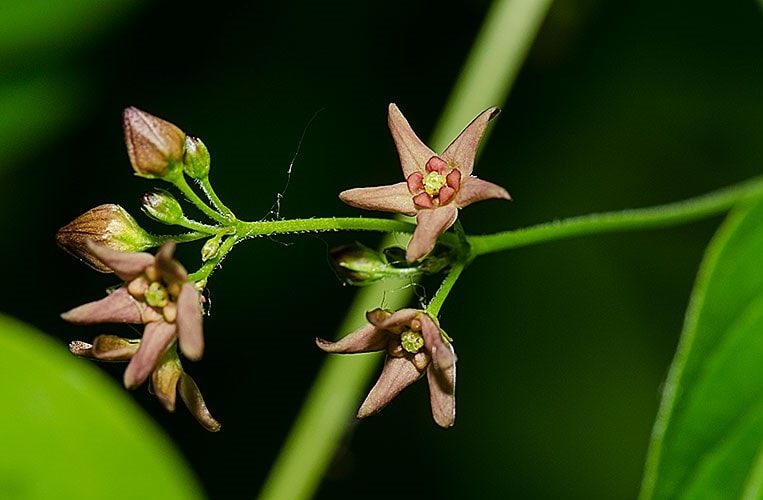
Swallow-Wort presents star-shaped flowers in elegant shades of white or purple. This graceful appearance masks a tendency to overtake.
It can outcompete local species for resources, leading to ecological shifts.
9. Japanese Spirea (Spiraea japonica)
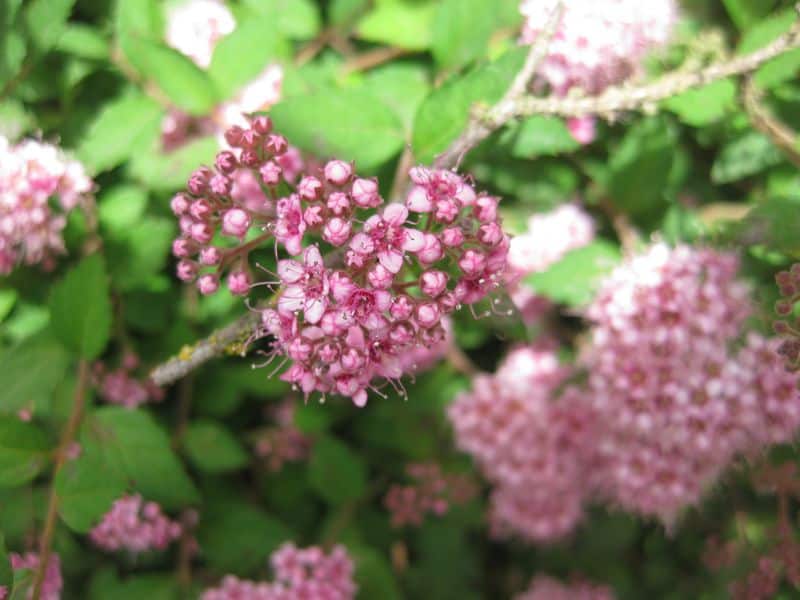
Japanese Spirea offers a delightful array of pink, red, or white flower clusters. These charming shrubs bring a touch of romance to gardens.
Yet, their rapid spread can overshadow native plant species. Is the beauty of these blooms enough to counterbalance their invasive tendencies?
10. Himalayan Balsam (Impatiens glandulifera)
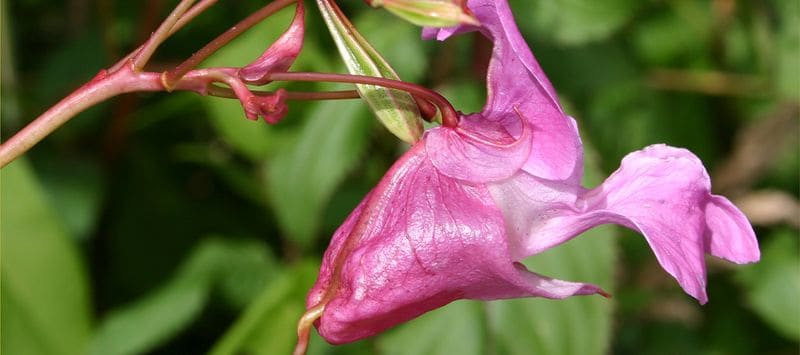
Standing tall, Himalayan Balsam boasts pink-purple floral spikes. These striking plants add vertical interest to damp areas, creating a visual spectacle.
Yet, their rapid colonization can crowd out native species and alter habitats. Does their beauty justify their invasive spread?