
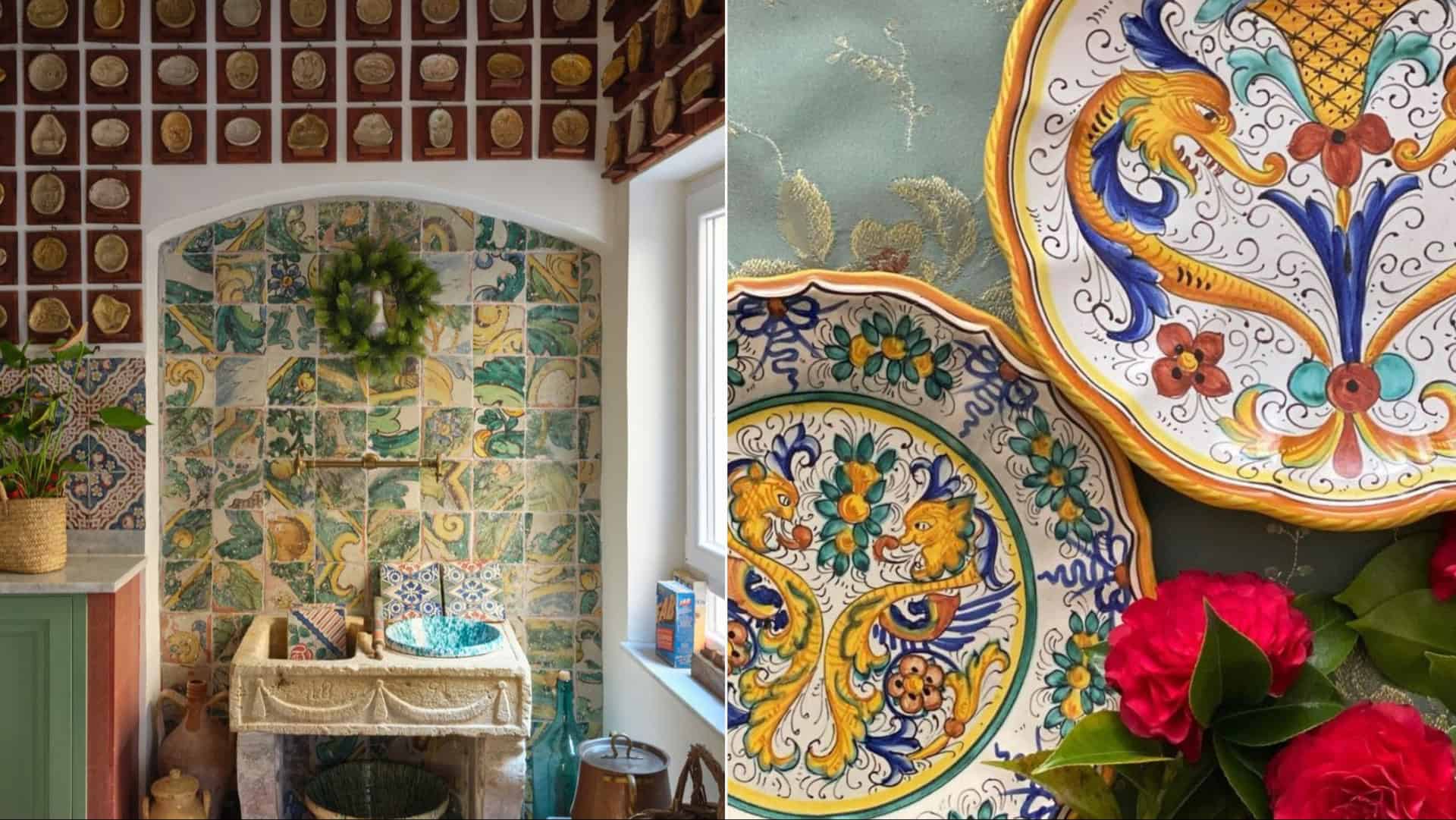
Discover the allure of Renaissance maiolica tiles, unmatched in their blend of artistic brilliance and cultural history.
Hailing from Italy, these exquisite pieces have captivated collectors for centuries.
Embark on a journey through their colorful past, exploring 10 compelling reasons these tiles remain highly sought-after.
1. Symbolism and Motifs

The designs on maiolica tiles are more than decorative; they tell stories. Intricate patterns, floral motifs, mythological scenes, and heraldic symbols abound.
These elements blend artistic symbolism with ornamental function, offering a rich tapestry of visual narratives.
Each tile is a testament to the creativity and imagination of its creators.
2. Valuable Collectibles
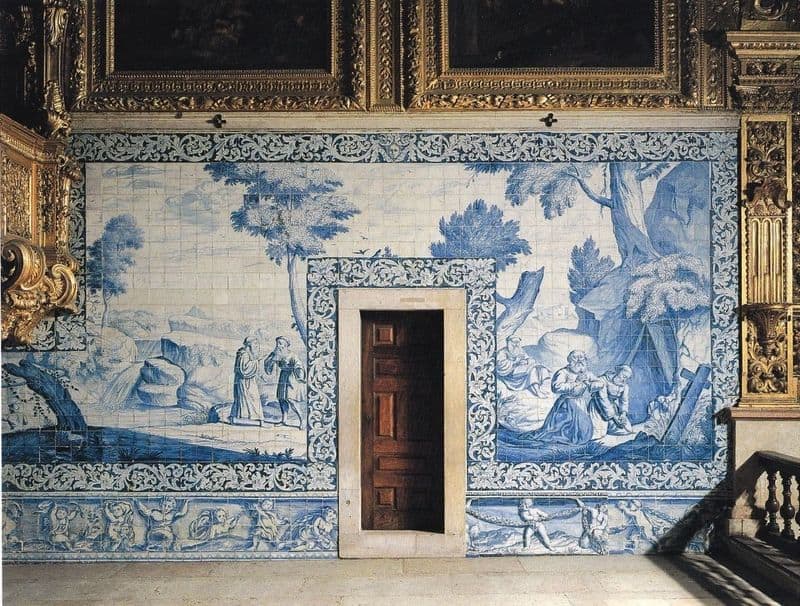
Antique maiolica tiles are treasures for collectors and museums alike.
Their value lies in the exquisite craftsmanship and historical significance, especially those from celebrated centers like Faenza.
Collector demand is fueled by the desire to own a piece of ceramic history. These tiles are prized for their beauty and storied past.
3. Distinctive Glazed Earthenware

Maiolica is renowned for its unique tin-glazed earthenware, characterized by a lustrous white coating.
This opaque glaze serves as a canvas for radiant designs. Its glossy surface allowed for vibrant paintings, turning simple clay into masterpieces.
The technique highlights a fusion of innovation and aesthetic appeal in ceramic artistry.
4. Famous Production Centers
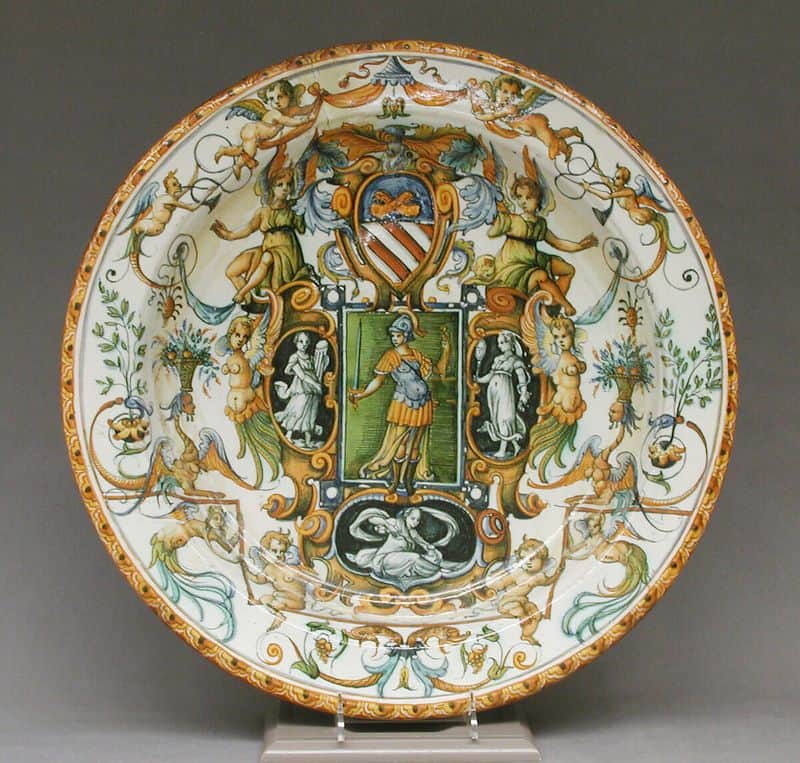
In Italy, cities like Faenza, Deruta, and Urbino stood as pillars of maiolica production. Each developed distinct styles and techniques over centuries.
These centers became renowned for their exceptional craftsmanship.
They offered a unique fusion of regional artistry, making them significant contributors to the Renaissance ceramic landscape.
5. Historical Significance
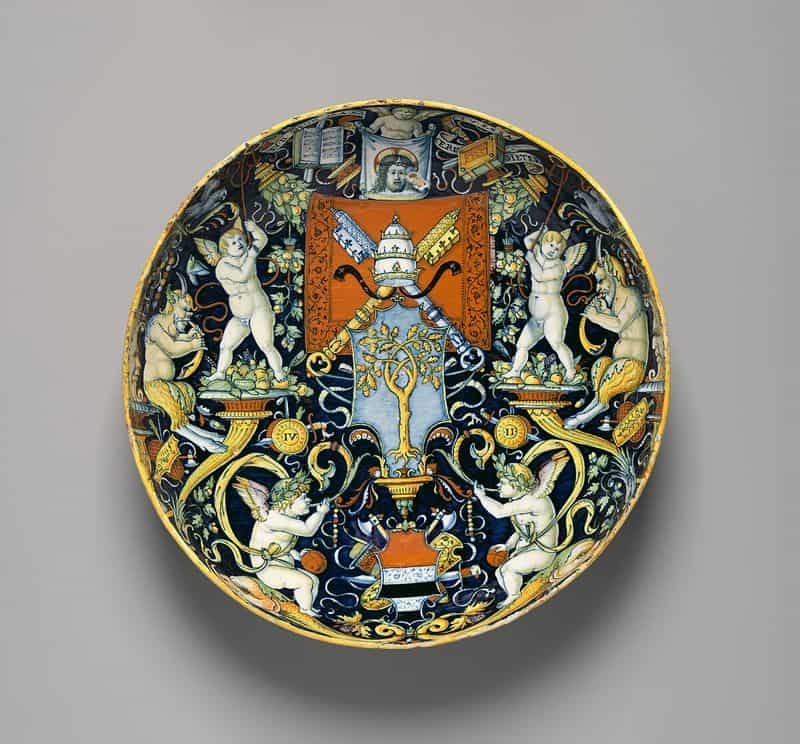
Maiolica tiles played dual roles in history—decorative and architectural.
Gracing the walls, floors, and ceilings of opulent palaces and churches, they reflected the social stature of their owners.
These tiles were symbols of artistic taste and sophistication, capturing the essence of Renaissance elegance in every glazed piece.
6. Aesthetic Appeal
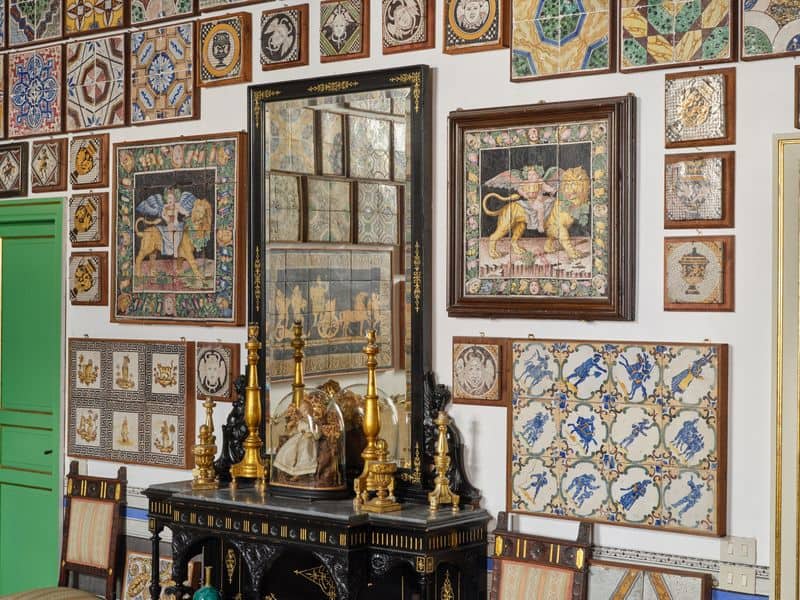
The aesthetic charm of maiolica tiles lies in their striking colors. Cobalt blue, yellow, green, and manganese purple dance across a pristine white background.
This vivid palette creates a captivating visual experience.
The harmonious blend of colors showcases the artistry and creativity of Renaissance craftsmen, leaving a lasting impression.
7. Techniques and Craftsmanship

Crafting maiolica tiles is a meticulous process. Artisans shape the clay, apply a tin-glaze for the white background, and then hand-paint intricate designs.
These tiles are fired at high temperatures, solidifying the artistry.
This craftsmanship reflects a blend of skill and tradition, capturing the essence of Renaissance innovation.
8. Revival and Modern Use

Maiolica tiles have seen a resurgence in modern design, marrying tradition with innovation.
Contemporary designers blend historical motifs with modern aesthetics, creating unique spaces.
This revival underscores their timeless appeal and versatility, proving that these tiles remain relevant, bridging the gap between the past and present worlds.
9. Cultural Heritage

Maiolica tiles are integral to Italy’s cultural legacy, embodying a mix of artistic prowess and historical tradition.
These pieces symbolize regional identities and skills passed down through generations.
Their enduring presence in museums and collections underscores their significance as cultural artifacts, preserving the rich story of Italian art.
10. Origins in the Italian Renaissance
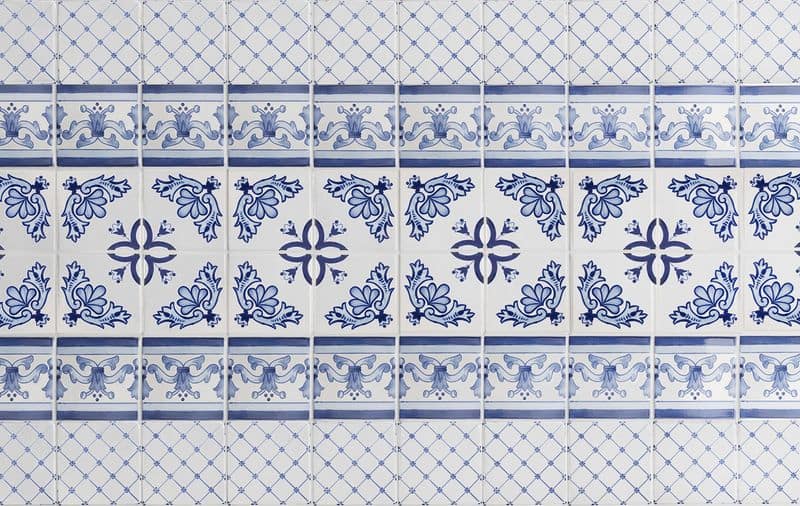
In the vibrant heart of the Italian Renaissance, maiolica tiles blossomed. Their roots trace back to Moorish pottery traditions, carried by Arab traders to Italy.
This cultural exchange fostered a new era of ceramic artistry.
These tiles became emblematic of artistic evolution and the blending of diverse influences in Renaissance Italy.