
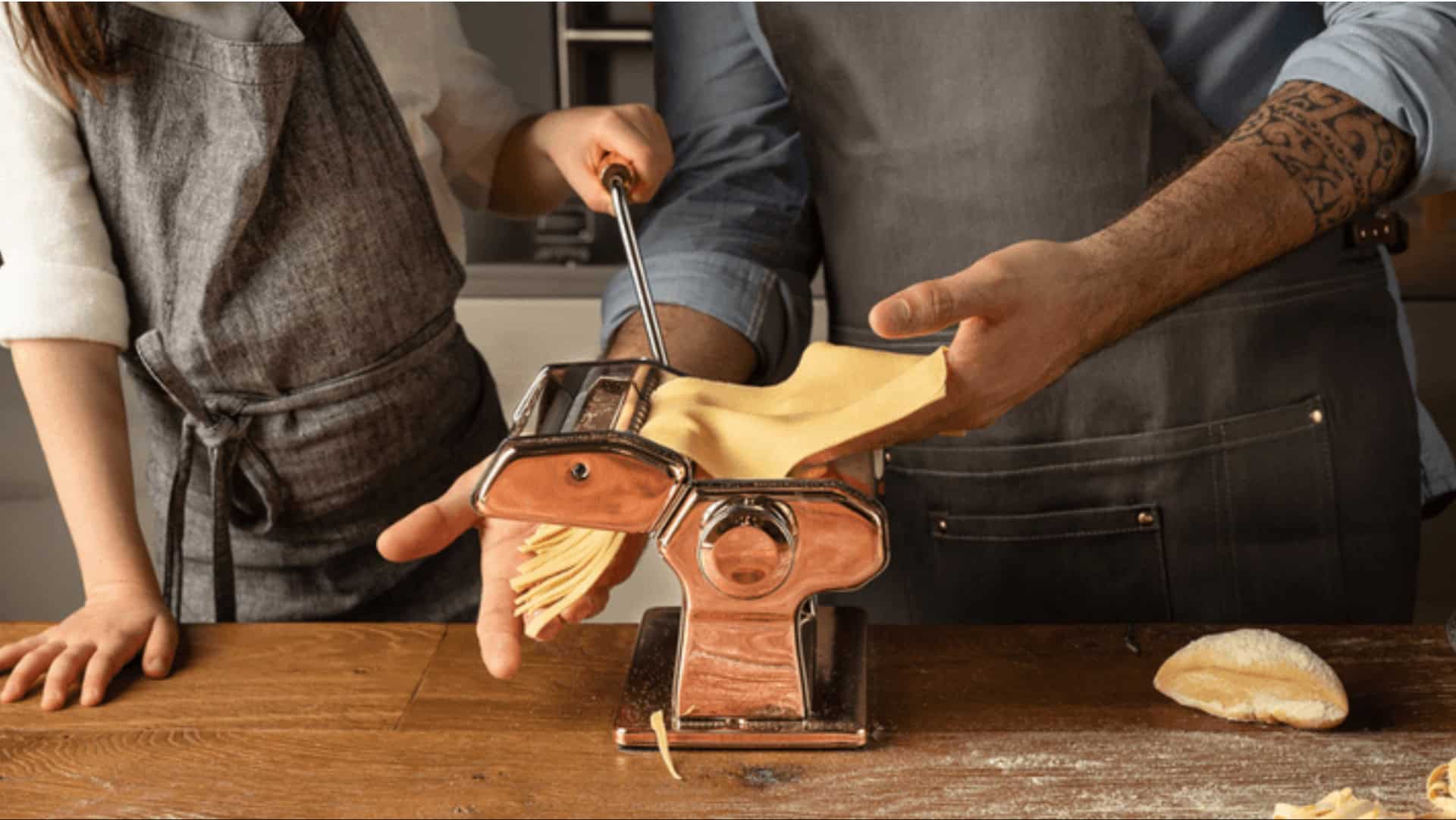
The 1920s were a time of great innovation, giving rise to groundbreaking appliances that remain iconic today.
These retro tech finds, while basic by today’s standards, showcase a unique blend of elegance and functionality that can make even the sleekest modern gadgets seem mundane.
Here’s a look at 9 remarkable appliances from that era.
1. Eclipse Toaster
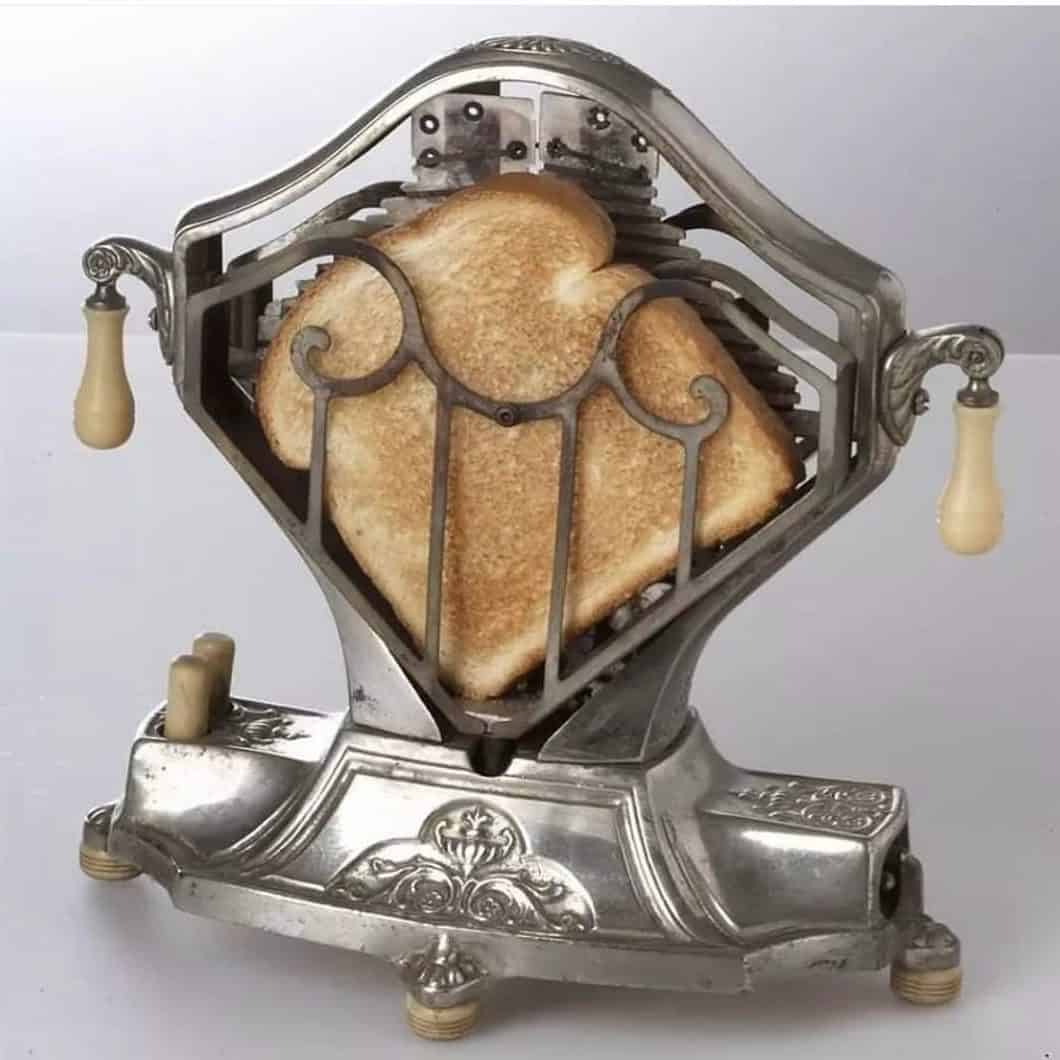
Toasting bread was transformed in the 1920s with the Eclipse Toaster. Offering a timeless design, this appliance made mornings a tad brighter.
Its simplicity and effectiveness were unmatched. Imagine the delight of a golden-brown toast popping up!
This quintessential kitchen gadget became a staple in households, symbolizing modern convenience. The charm it exudes remains unmatched today.
2. Gas Range
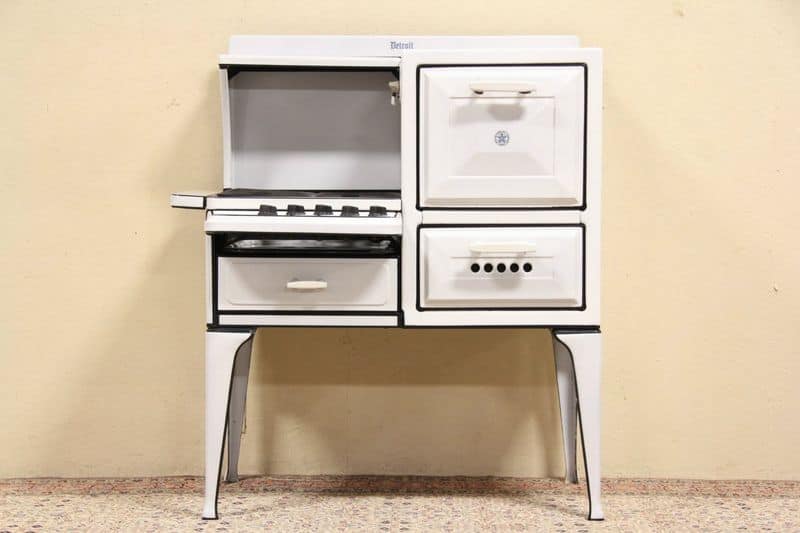
Cooking in the 1920s was revolutionized by the gas range. This appliance provided consistent heat, making meal preparation more predictable.
Imagine a kitchen filled with tantalizing aromas and the gentle hiss of flames. The gas range was a marvel of engineering, offering efficiency and reliability.
It was more than just a cooking tool; it was a kitchen centerpiece.
3. Stand Mixer
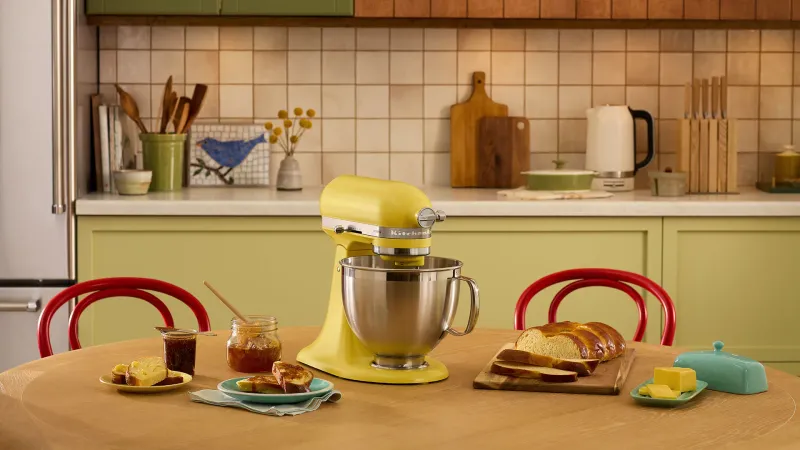
Baking enthusiasts in the 1920s cherished the stand mixer. This powerful tool made mixing dough effortless, saving time and energy.
Picture the rhythmic whirring as ingredients blend seamlessly. Its sturdy build and efficiency made it a beloved kitchen companion.
The stand mixer stood as a testament to the era’s innovation and style, enhancing culinary creativity.
4. Coffee Percolator
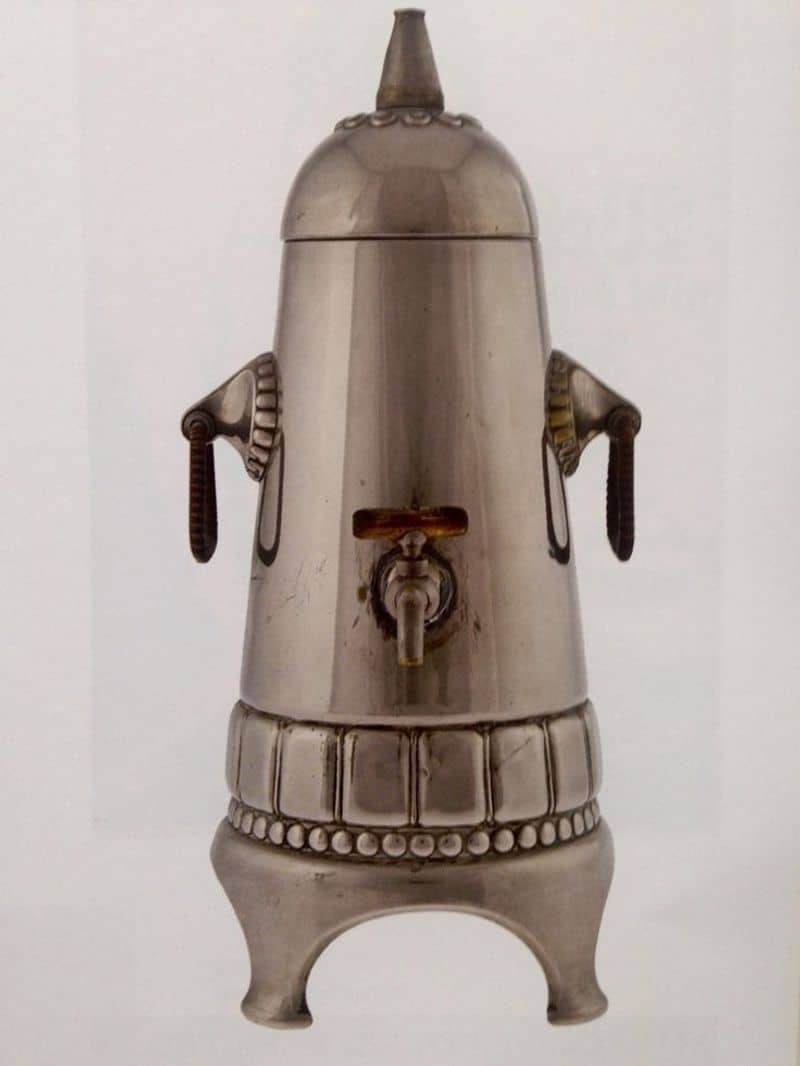
Morning routines in the 1920s often began with the coffee percolator. This elegant device brewed rich, aromatic coffee that invigorated the senses.
Imagine the soothing gurgling sound and the rich aroma wafting through the air.
The percolator was more than just a coffee maker; it was a symbol of refined taste and sophistication. Its presence elevated any kitchen.
5. Electric Kettle
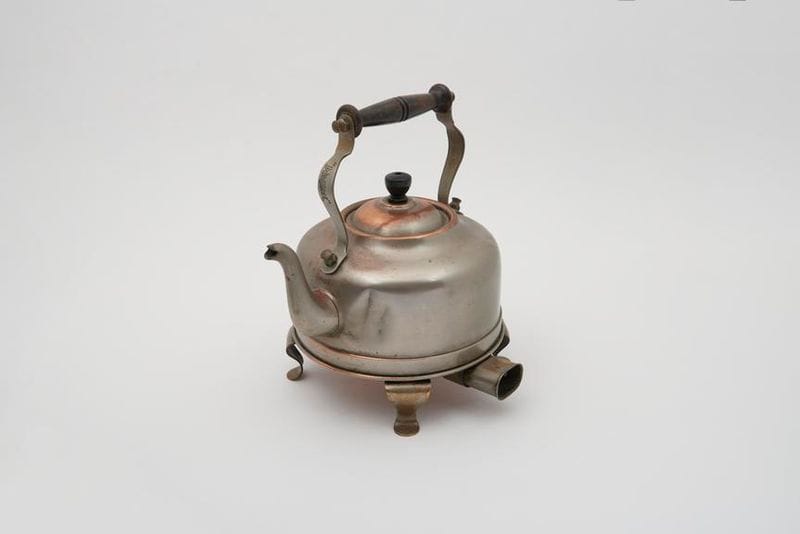
Boiling water quickly became an art with the 1920s electric kettle. This modern marvel provided hot water at the flick of a switch.
Picture the steam rising gracefully as water reached a boil. Sleek and efficient, it was a game-changer in kitchens.
The electric kettle was not just about utility; it added a touch of elegance to the daily routine.
6. Waffle Iron
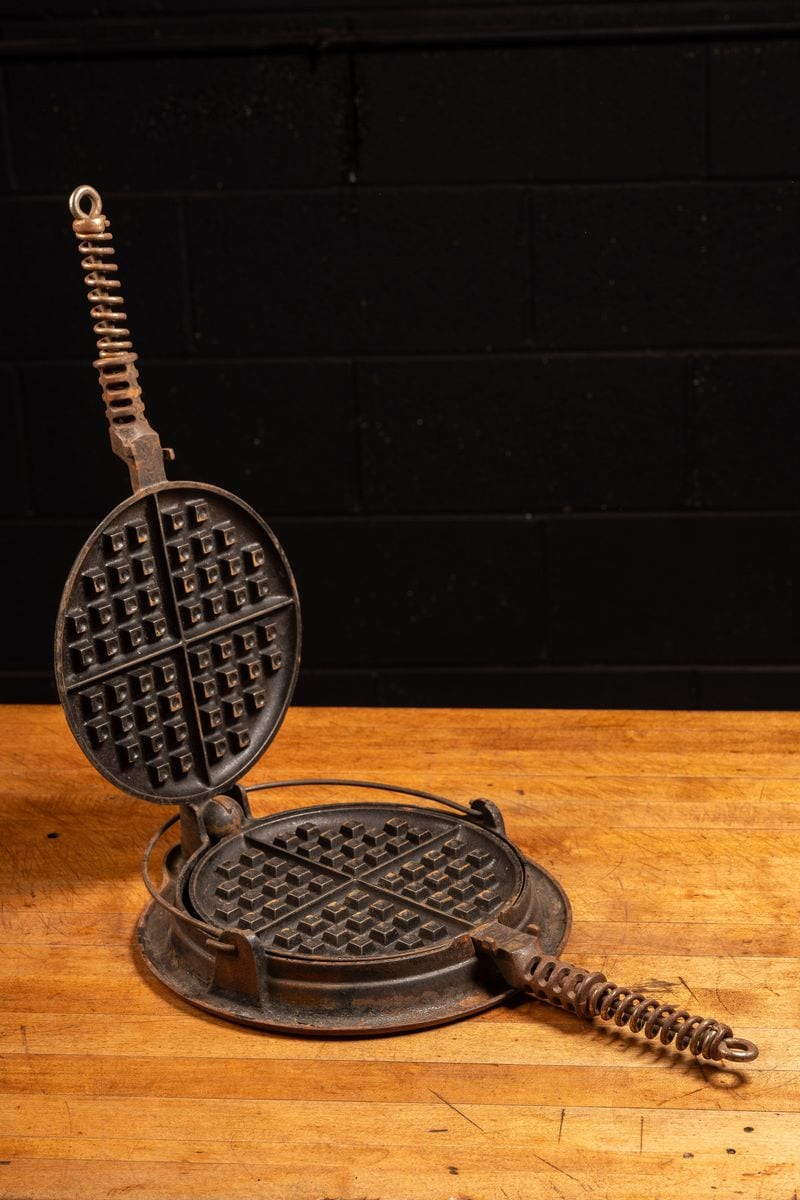
Sunday breakfasts in the 1920s were elevated by the waffle iron. Creating perfectly crispy waffles, it was a breakfast staple.
Visualize the joy of lifting the lid to reveal golden squares. The waffle iron brought families together, turning ordinary mornings into special occasions.
This appliance was a cherished part of many households, infusing warmth and joy.
7. Manual Coffee Grinder
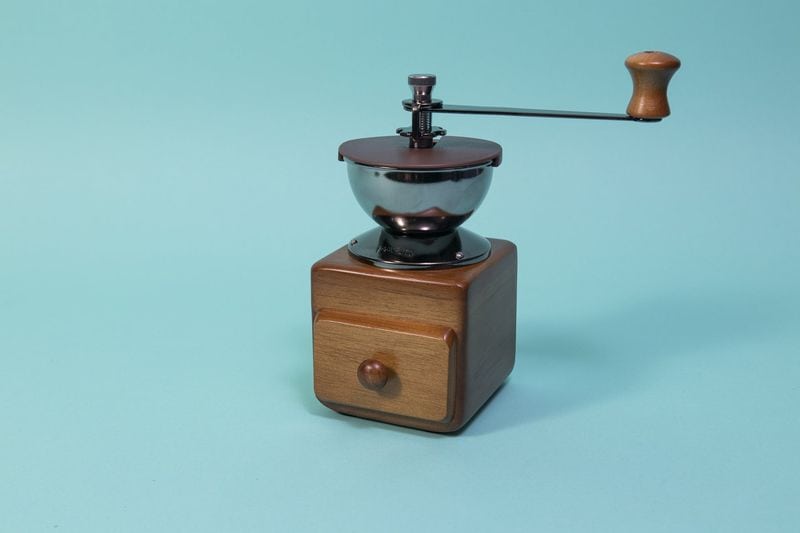
Grinding coffee beans was a ritual with the 1920s manual coffee grinder. This device offered an artisanal touch to coffee making.
Envision the aroma of freshly ground beans filling the air. The manual grinder connected users to the process, making each cup a labor of love.
It was more than a tool; it was a cherished part of the morning routine.
8. Manual Pasta Maker
Homemade pasta became an art form with the 1920s manual pasta maker. This device turned simple ingredients into culinary masterpieces.
Imagine the satisfaction of hand-cranking dough into perfect strands.
The manual pasta maker was a bridge between tradition and innovation, encouraging creativity in the kitchen. It was a beloved tool for those passionate about pasta.
9. Butter Churn
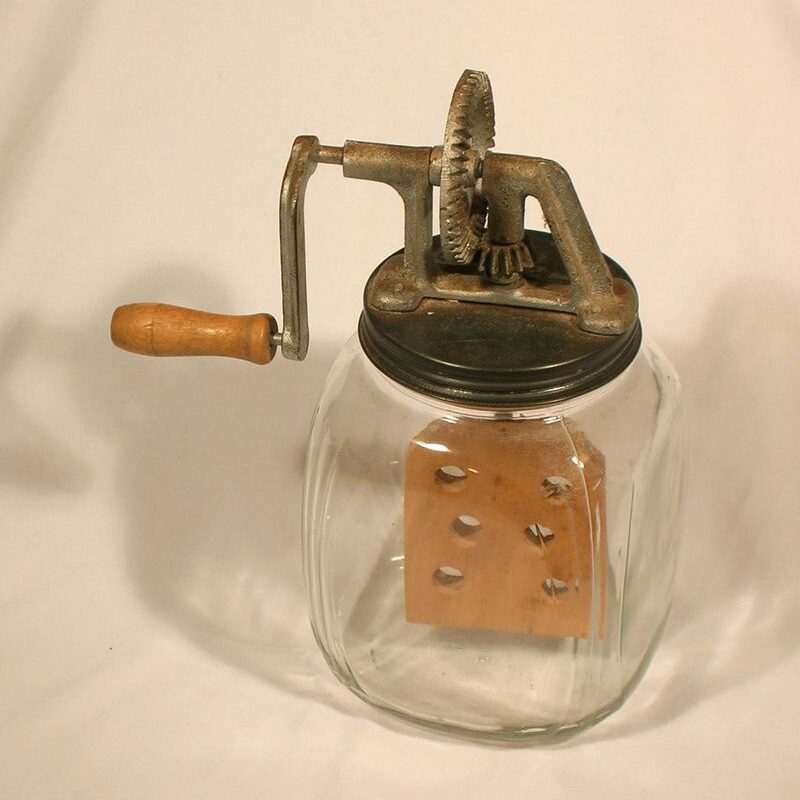
Making butter in the 1920s was a hands-on experience with the butter churn. This tool transformed cream into butter with rhythmic motions.
Visualize the sense of accomplishment as the creamy texture formed. The butter churn connected people to their food, symbolizing self-sufficiency and tradition.
It was a staple in rural kitchens, preserving the essence of homemade goodness.