
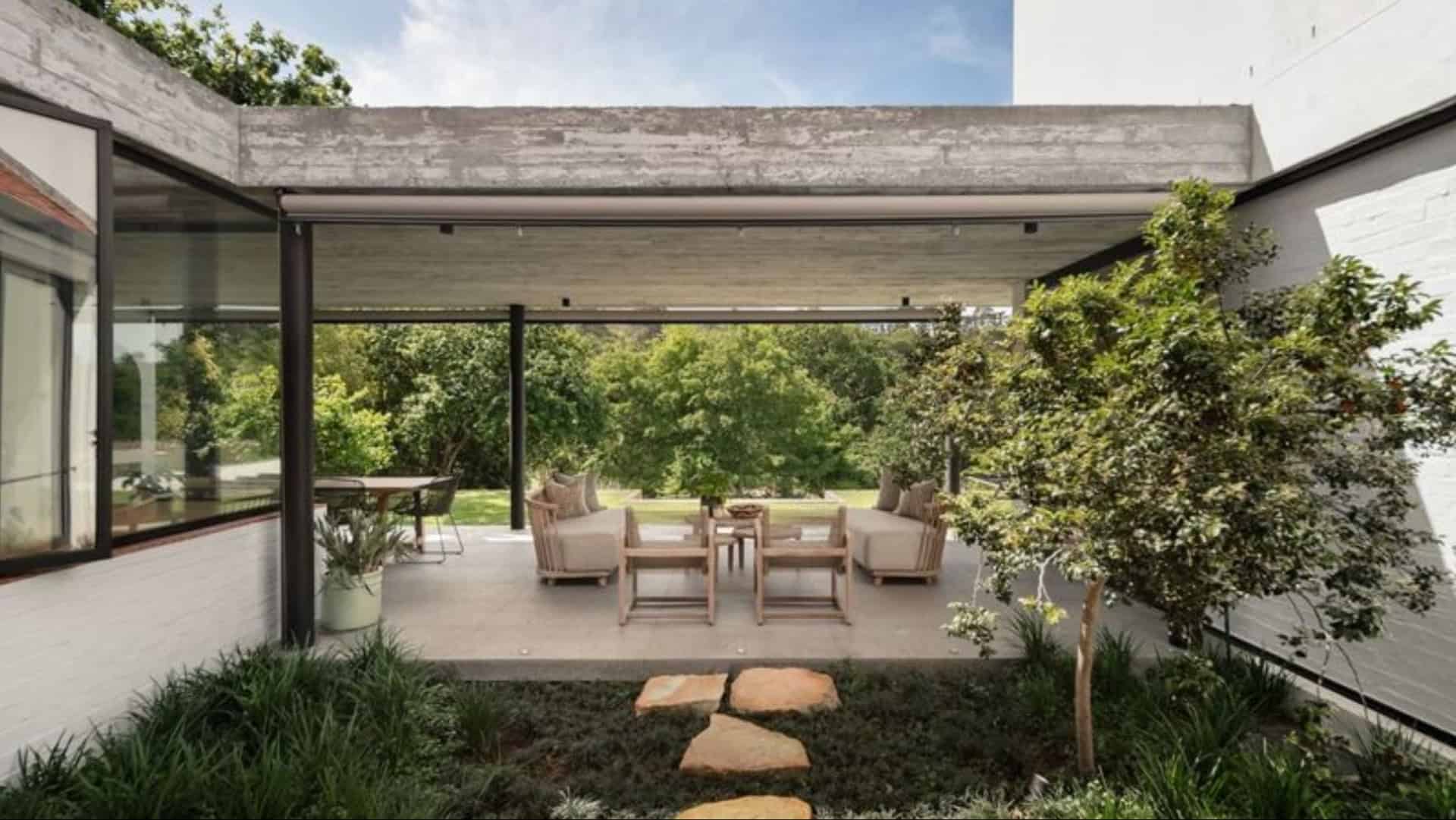
Journey through the corridors of history and discover how ancient Roman inventions and ideas continue to shape modern life.
From architecture to everyday conveniences, Roman innovations have seamlessly integrated into our contemporary homes.
This exploration will unveil 10 remarkable Roman-inspired elements that have transcended time, highlighting their historical significance and modern applicability.
1. Underfloor Heating
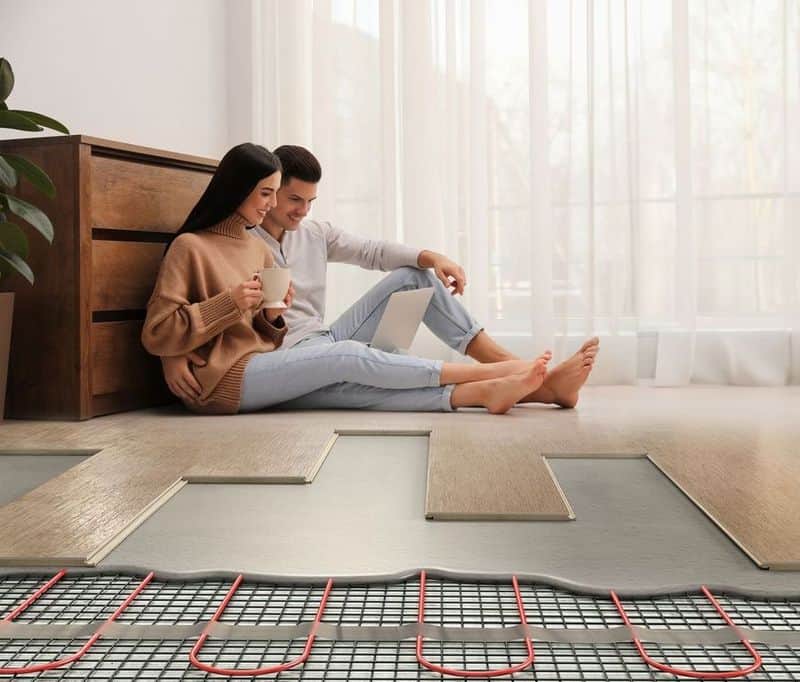
In Kourion, Cyprus, remnants of Roman hypocausts reveal ancient underfloor heating.
Brick columns supported floors above air-heated chambers, keeping toes warm with furnace-warmed air.
2. Air Conditioning
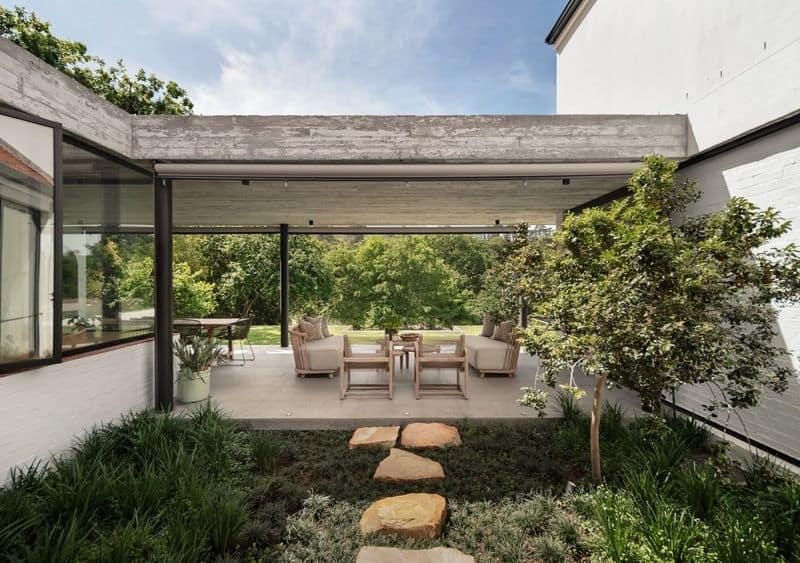
Roman homes flaunted natural ventilation, as breezes wafted through roofed colonnades.
Courtyards kept interiors cool, offering shade to open doors and windows. A breeze of history!
3. Concrete and Underwater Concrete
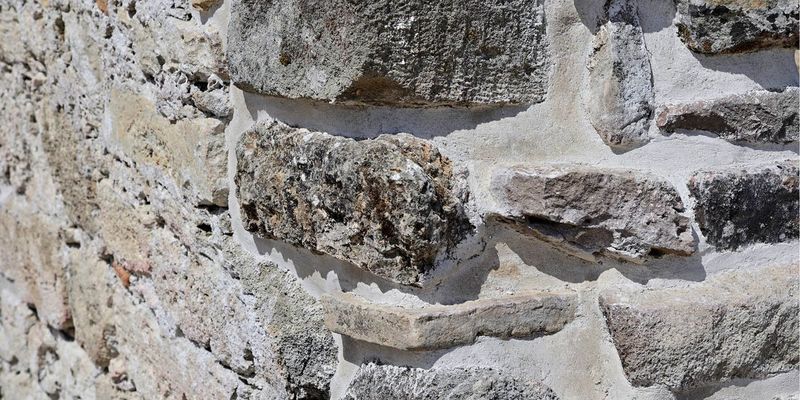
Roman concrete, infused with volcanic ash, set even underwater.
It built Caesarea’s harbor foundations, enduring millennia while modern concrete crumbles within decades.
4. Fast Food Stalls

Thermopolia, ancient fast-food counters, served hot meals in Roman towns.
Painted counters and terracotta jars held pork, fish, and more, offering a tasty glimpse of history.
5. The Burger

Romans cherished ‘isicia omentata,’ akin to today’s burger.
Minced pork with wine, pepper, and fish sauce, served at feasts, showcases Rome’s culinary creativity.
6. Dentistry

Romans advanced Etruscan dental devices, including crowns and bridges of bone, ivory, and gold.
The wealthy sported golden teeth, as noted in the Twelve Tables.
7. Recycling

In Pompeii, waste piles turned into building materials, blending tiles, pots, and mortar.
Recycling wasn’t just modern; Romans pioneered repurposing centuries ago.
8. Cisterns
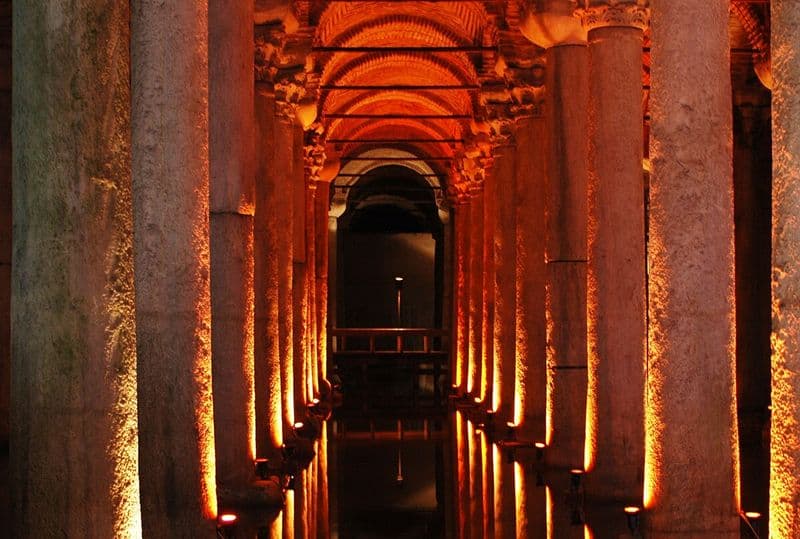
Roman cisterns collected rainwater, from small household sizes to vast city supplies.
Istanbul’s Basilica Cistern, with 336 columns, once held 80,000 tonnes of water.
9. Apartment Buildings
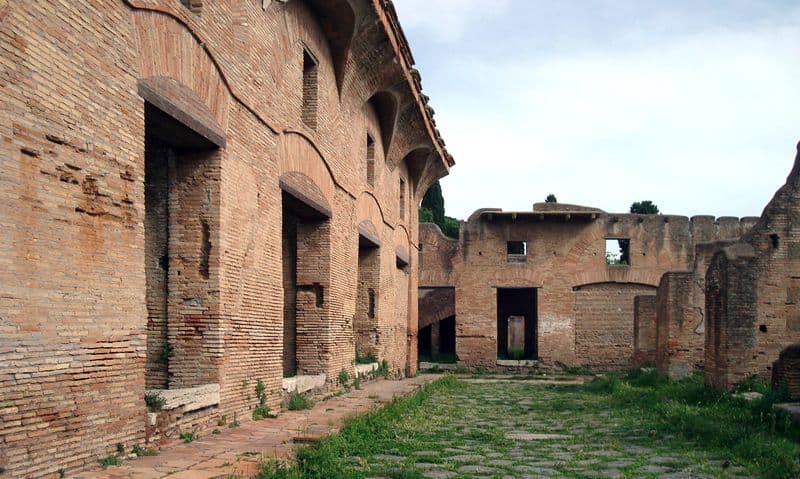
Romans pioneered insulae, multi-story apartments, in dense cities.
Ground floors housed shops; upper stories accessed by shared stairs. Yet, construction risks loomed large.
10. Public Toilets
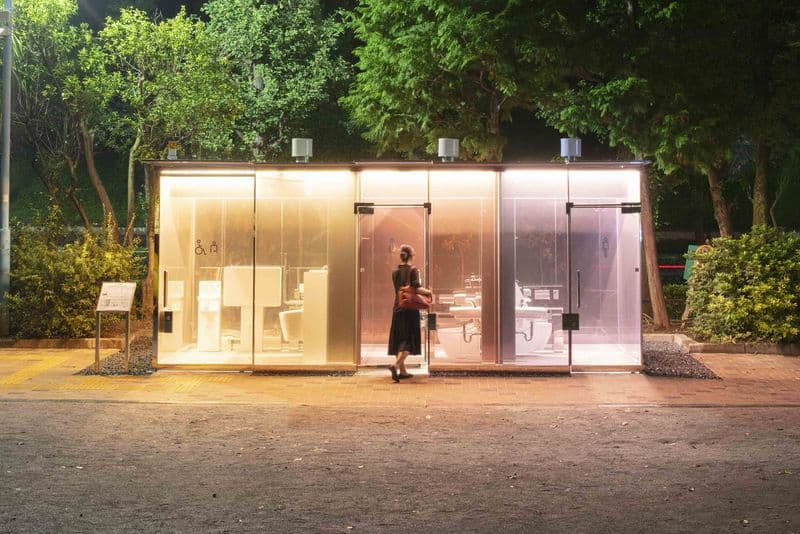
Wealthy Romans opted for private latrines, but public foricae were used by common people.
These toilets featured stone benches with keyhole-shaped cutouts, with a sewer system below.