
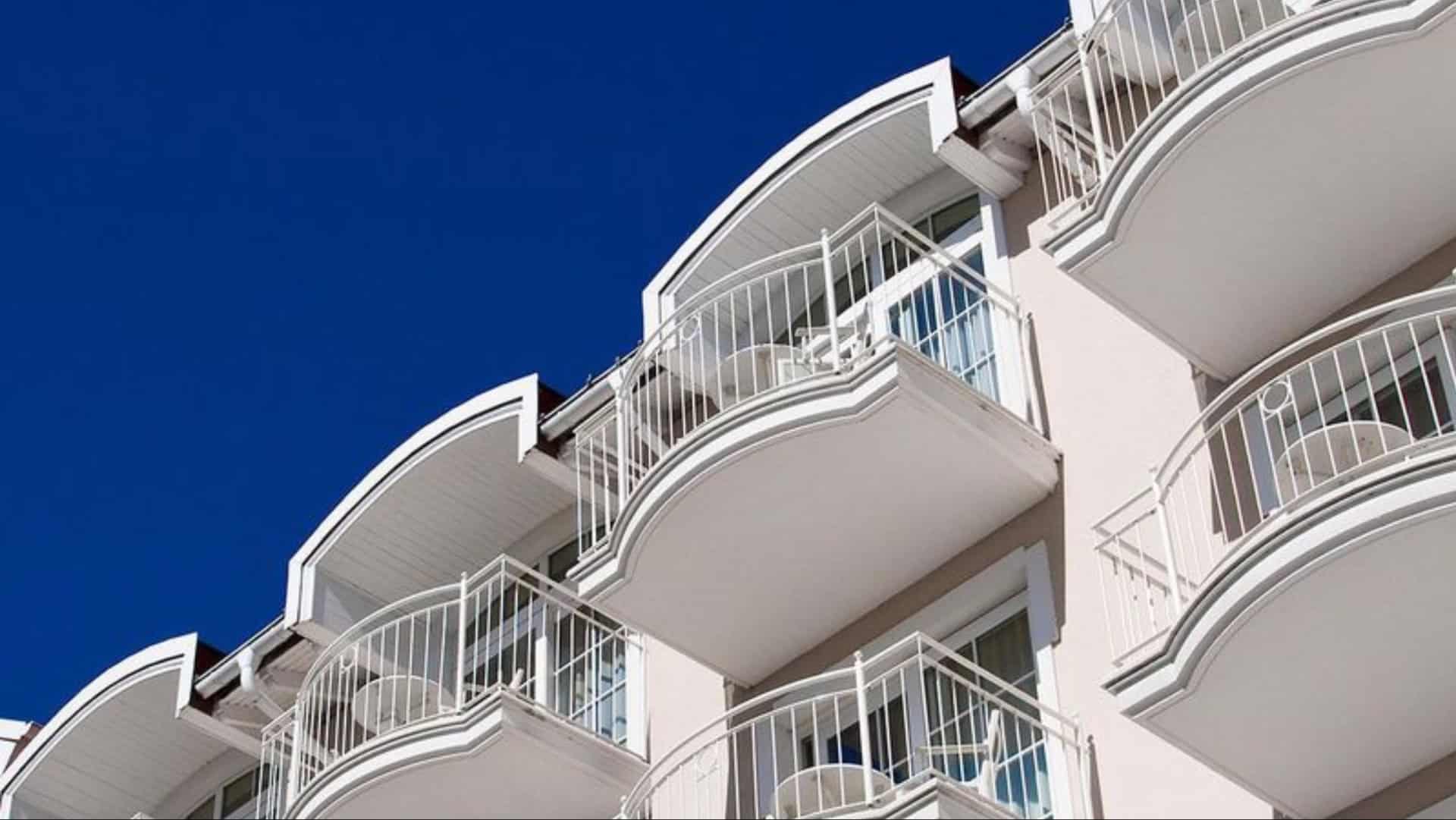
To tackle climate change, an intriguing idea emerges: painting the world white.
This concept aims to raise Earth’s albedo by coloring rooftops, roads, and vast surfaces in white, reflecting more sunlight into space and cooling the planet.
Inspired by natural reflectors like ice, it’s a temporary aid while long-term greenhouse gas solutions are pursued.
1. The Albedo Effect
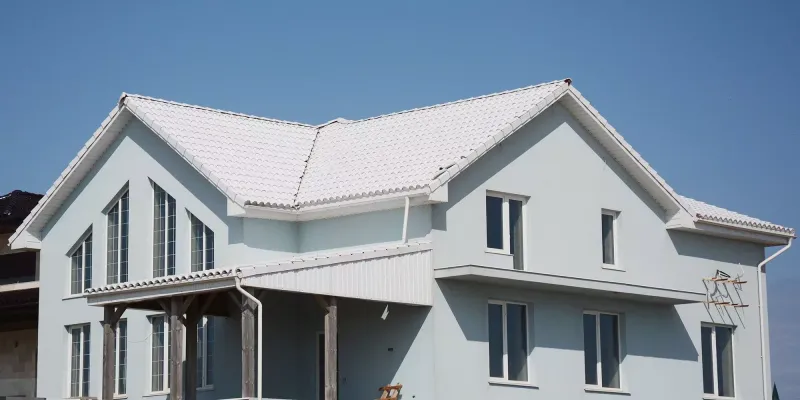
Imagine rooftops gleaming in pure white, bouncing sunlight back into space. This phenomenon, known as the albedo effect, could significantly cool our planet.
By reflecting solar energy, these surfaces help in reducing absorbed heat.
Natural examples, such as ice caps, set the precedent for this cooling technique. Could this be a piece of the climate puzzle?
2. Purdue University Innovation
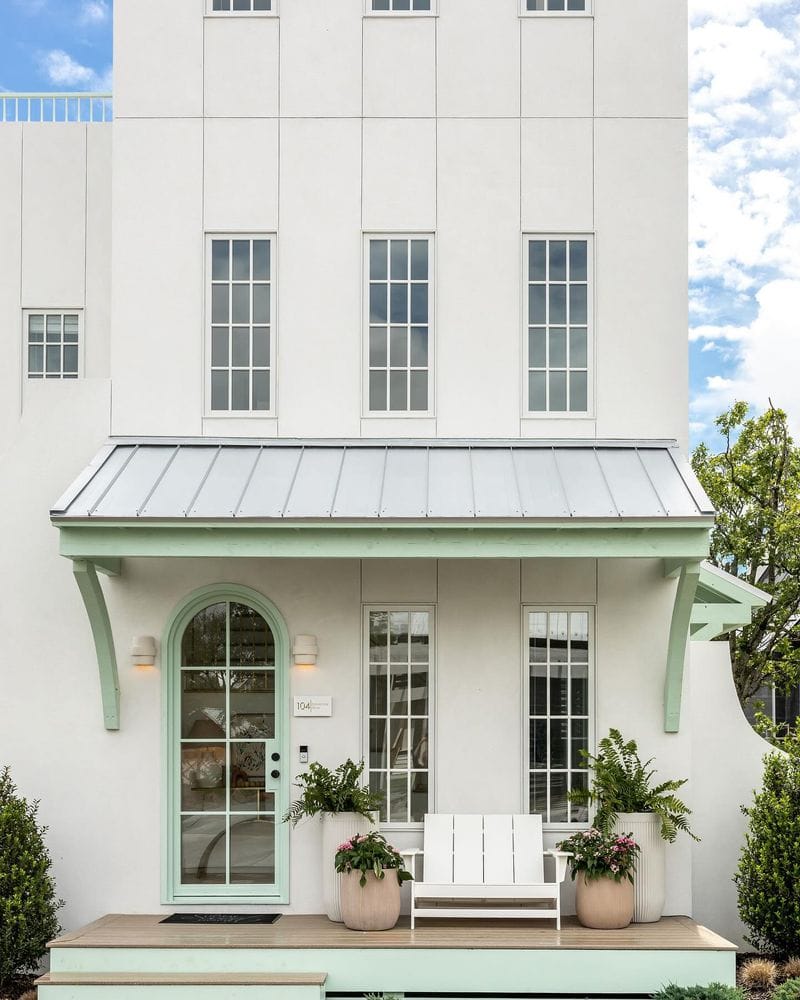
Purdue University has revolutionized white paint technology. Their new paint formula reflects 98.1% of sunlight, a leap over standard paints.
By emitting more heat than it absorbs, surfaces painted with this formulation cool below ambient temperatures.
This breakthrough could transform urban landscapes and contribute substantially to climate change mitigation.
3. Historical Development
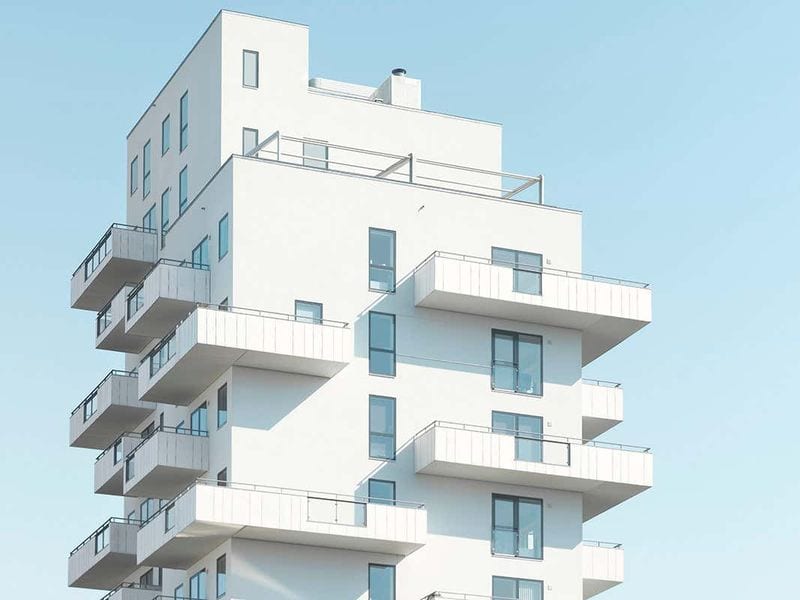
Since the 1970s, scientists have been crafting whiter paints to reflect sunlight. Initial efforts incorporated titanium dioxide, reflecting 80-90% of rays but absorbing some heat.
Now, advanced compounds enhance reflectivity, offering new possibilities.
This evolution of paint technology marks a fascinating chapter in the fight against global warming.
4. Urban Implementation
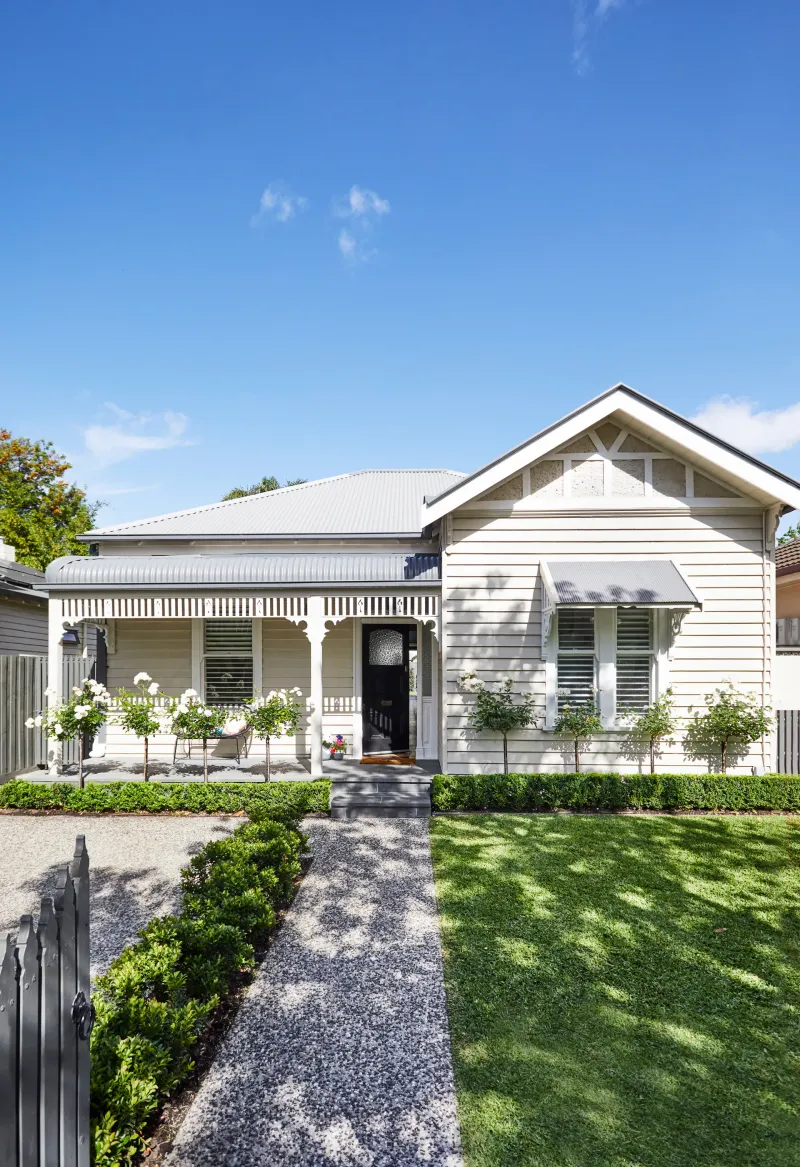
In 2019, New York City painted over 10 million square feet of rooftops white.
This large-scale urban initiative is a testament to the practicality and impact of reflective surfaces.
By turning rooftops into reflectors, cities can combat urban heat, illustrating a simple yet effective approach to climate challenges.
5. The Cooling Power
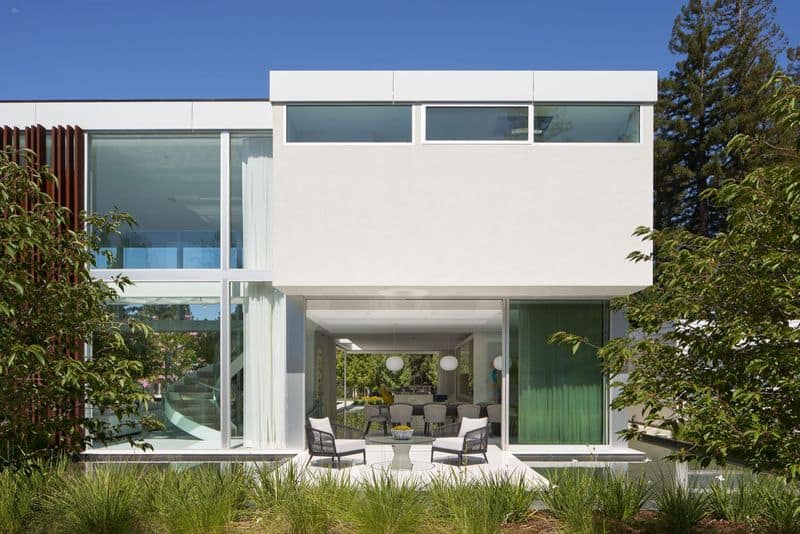
A roof covered in this extraordinary paint can deliver a cooling power equivalent to 10 kilowatts. Imagine the energy savings and environmental benefits!
While traditional cooling systems guzzle electricity, this passive method offers a sustainable alternative.
It’s not just about cooling buildings; it’s about cooling our planet.
6. Material Considerations
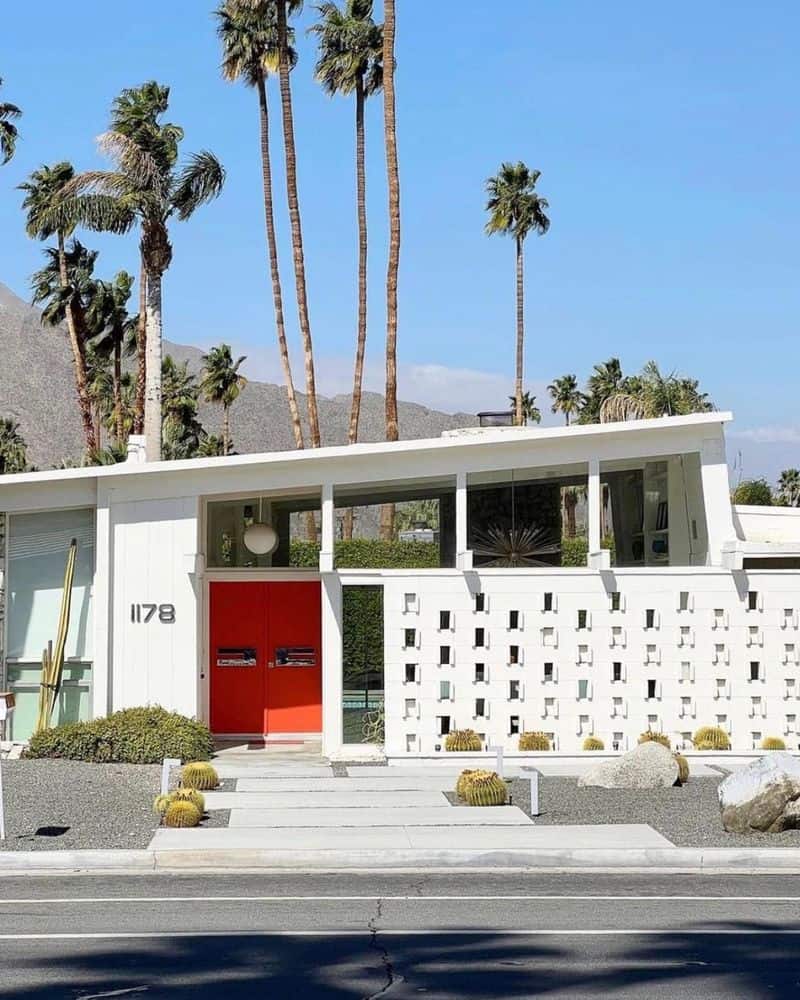
To achieve its remarkable reflectivity, the white paint requires a high concentration of pigment. This leads to thicker layers, raising production costs.
Additionally, the availability of specific compounds for this paint remains a concern.
Balancing cost and effectiveness is crucial for widespread adoption of this innovative solution.
7. Reflectivity vs. Absorption
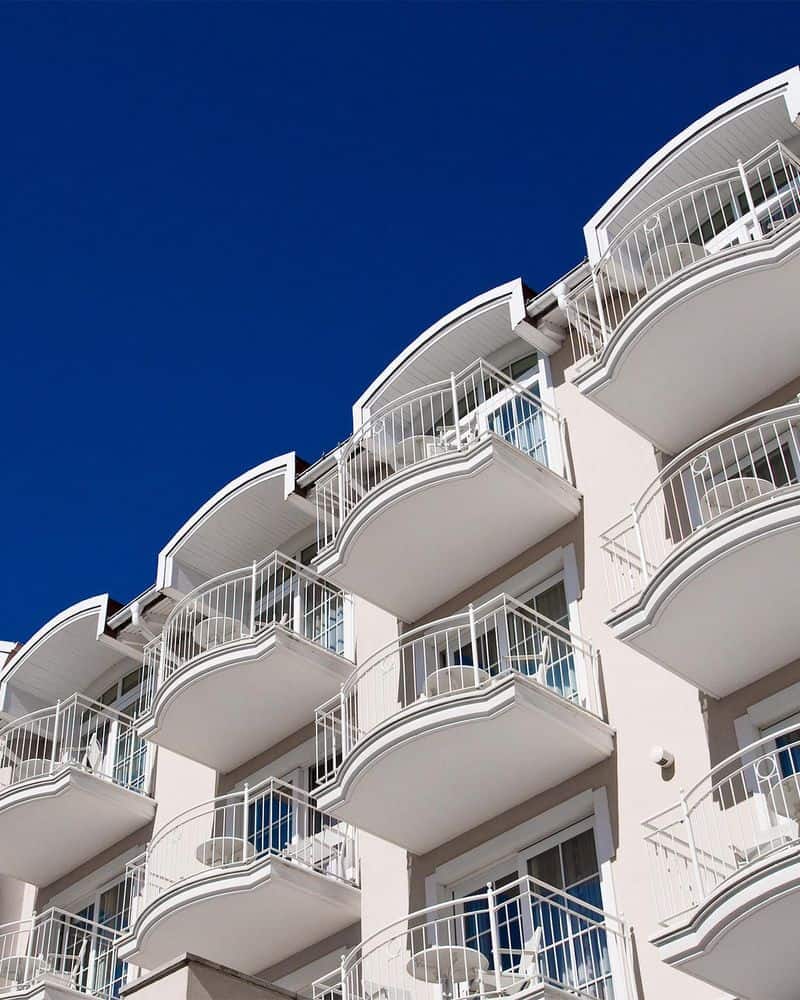
While traditional paints reflect 80-90% of sunlight, they still absorb some heat, limiting their cooling potential.
Advanced paints, like those from Purdue, focus on maximizing reflection and minimizing absorption, offering a cooler alternative.
This distinction plays a pivotal role in enhancing the effectiveness of reflective strategies.
8. Global Potential
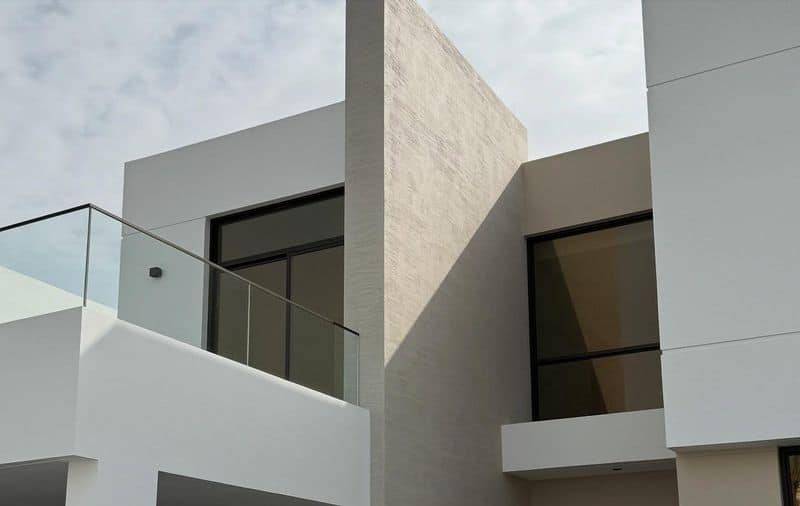
Could painting the world white be a global strategy? Urban areas and deserts offer vast surfaces for this method.
By reflecting sunlight, these regions could collectively lower global temperatures.
However, logistical challenges and environmental impacts must be considered. It’s a vision of a cooler, more reflective planet.
9. Environmental Impact
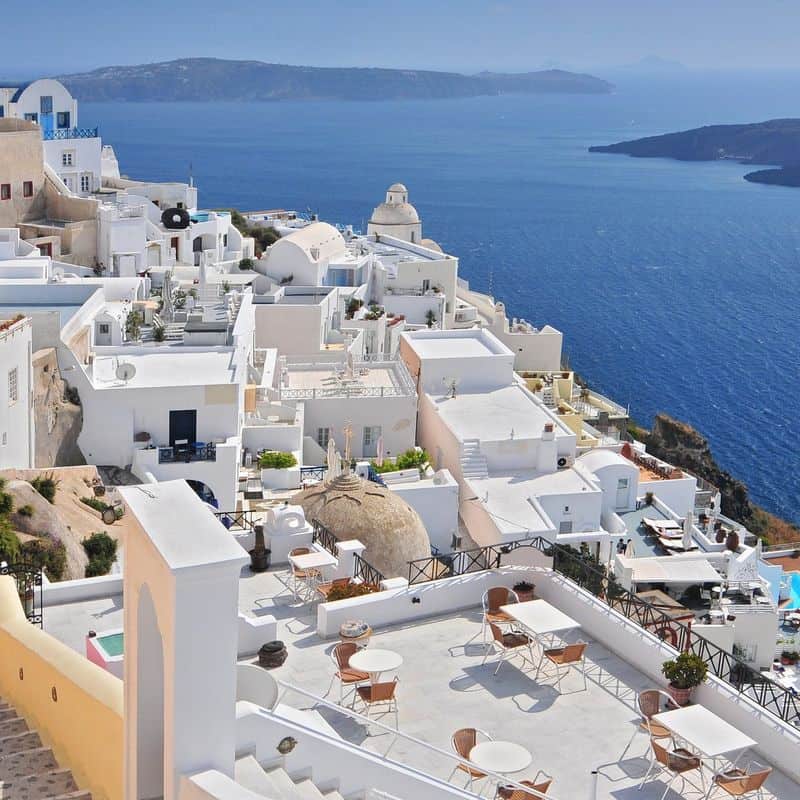
Painting large areas white isn’t without consequences. Reflective surfaces may alter local ecosystems, and the production of specialized paints requires resources.
Weighing these impacts against the benefits of reduced heat absorption is vital.
This balance is key to determining the viability of white paint as a climate solution.
10. Future Prospects

The future of white paint technology is bright. As formulations improve and costs decrease, more regions could adopt this strategy.
With research and innovation, white paint might play a role in climate resilience.
It’s a step toward a reflective future, where urban landscapes contribute to a cooler, more sustainable world.