
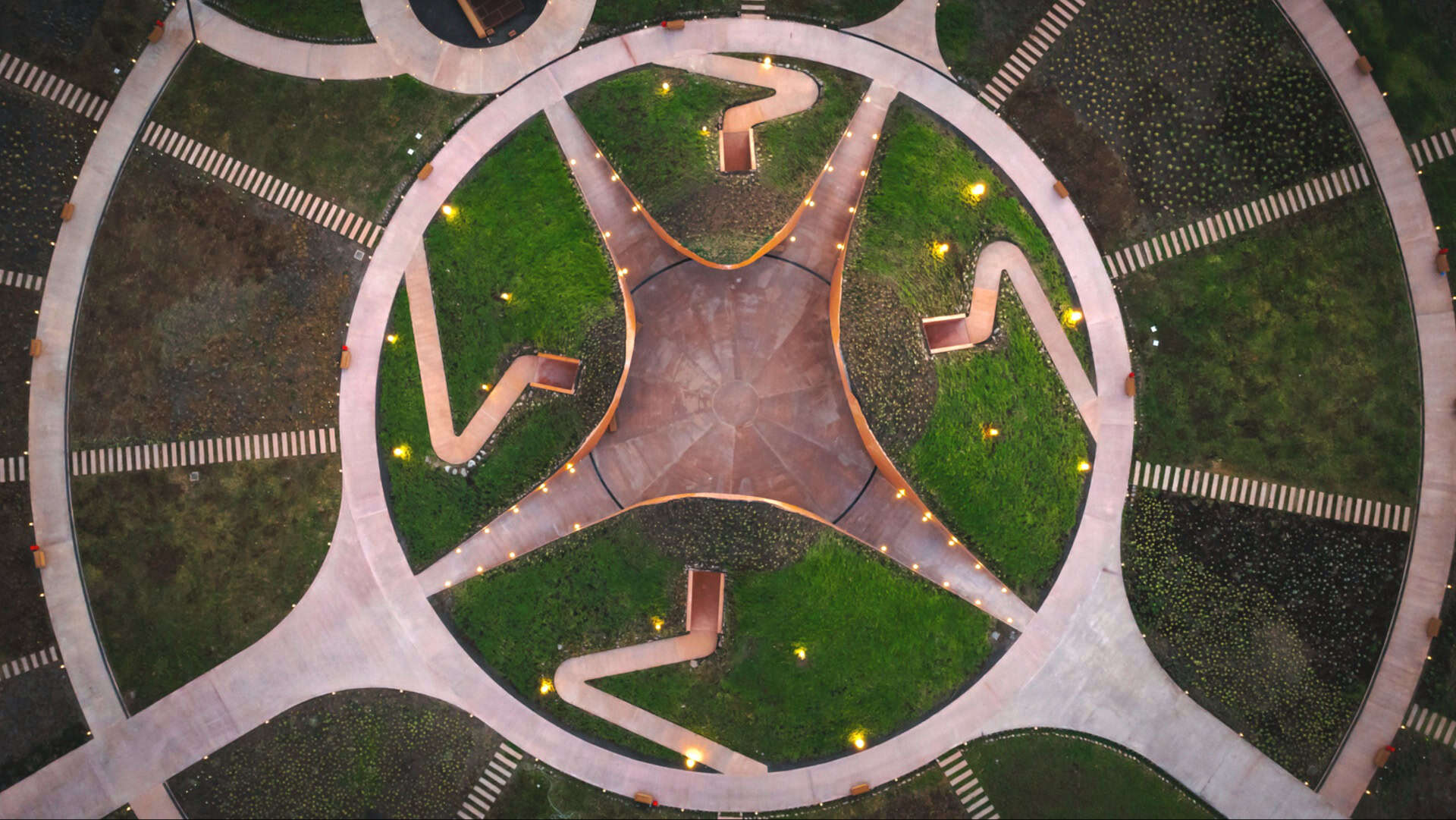
Ethiopia’s ET-302 Memorial Park stands as a profound tribute, honoring the 157 lives lost in the tragic crash.
The park’s design intricately tells the story of the flight’s final moments through paths leading to the crash site and areas for reflection.
Guided by principles of absence, revelation, and healing, the memorial’s elements create a space for remembrance and solace.
1. A Journey of Last Moments
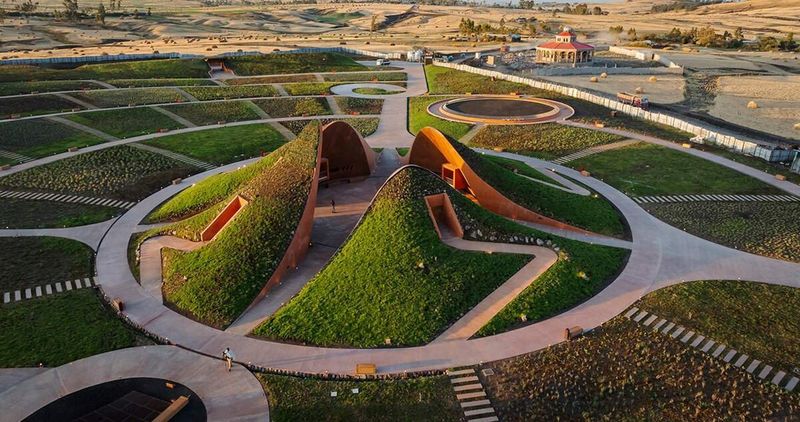
The primary path guides visitors through the flight’s last six minutes and forty-four seconds, step by step.
This journey concludes at a striking monument of four inclined, earth-red concrete structures, symbolically marking final moments and honoring the lives lost.
Through this pathway, visitors engage deeply with history and memory.
2. Reflective Paths and Places
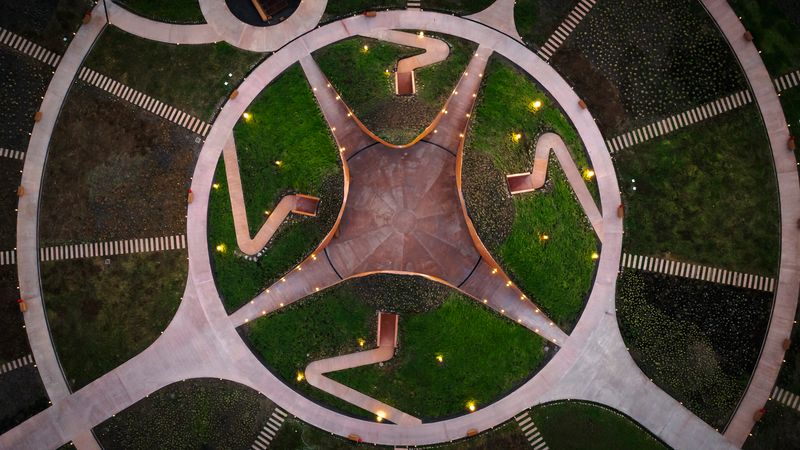
From the northwest, a contemplative path invites reflection.
Additional routes lead visitors to the amphitheatre, a gathering space, and a meditative rock garden.
These thoughtfully designed paths encourage visitors to connect with nature and history, offering tranquility and introspection along the way.
3. Tranquil Rock Garden
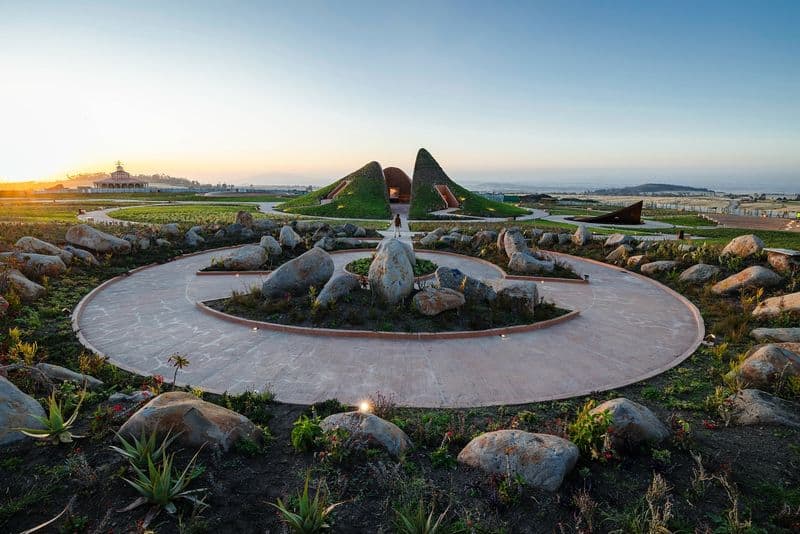
Originally envisioned as a flower garden, the rock garden now features upright stones sourced locally.
Two concentric paths wind through this tranquil space, inviting visitors to slow down and reflect.
It serves as a meditative area, connecting individuals with the enduring nature of memory.
4. Sacred Circle of Remembrance
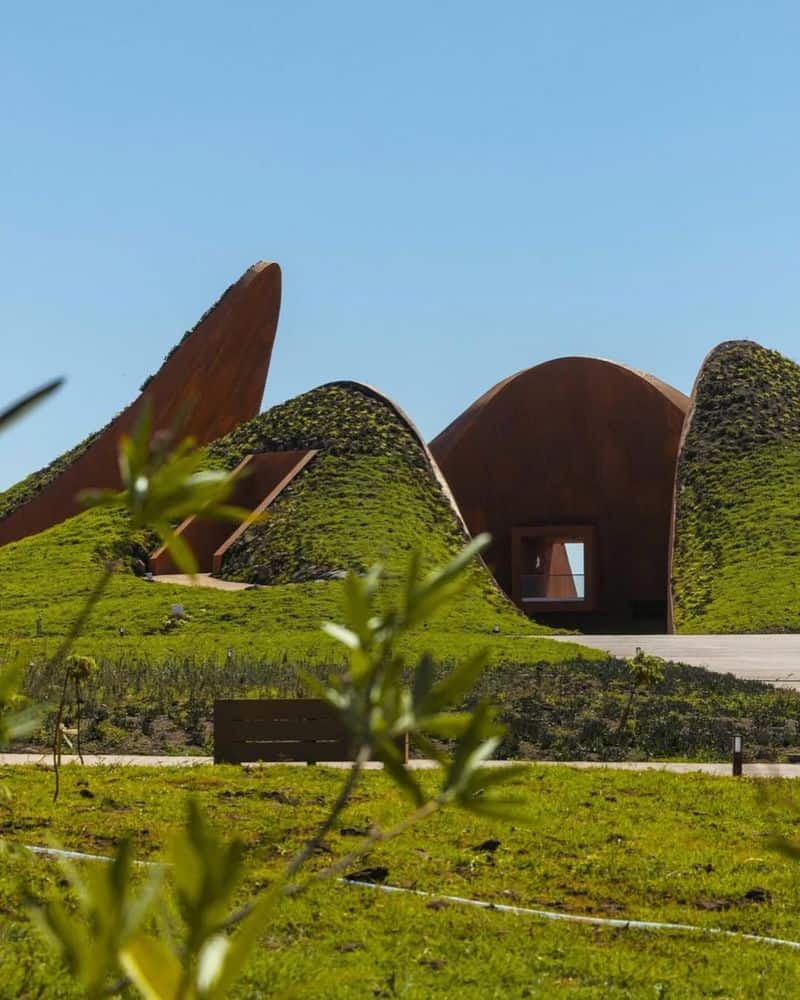
The burial ground, a 28-meter-diameter sacred circle, remains preserved in its natural state.
It is encircled by a concrete walkway and discreet steel rails, creating a respectful boundary.
Visitors are encouraged to engage quietly from the outer path, fostering a reflective interaction with history and loss.
5. Monument of Global Unity
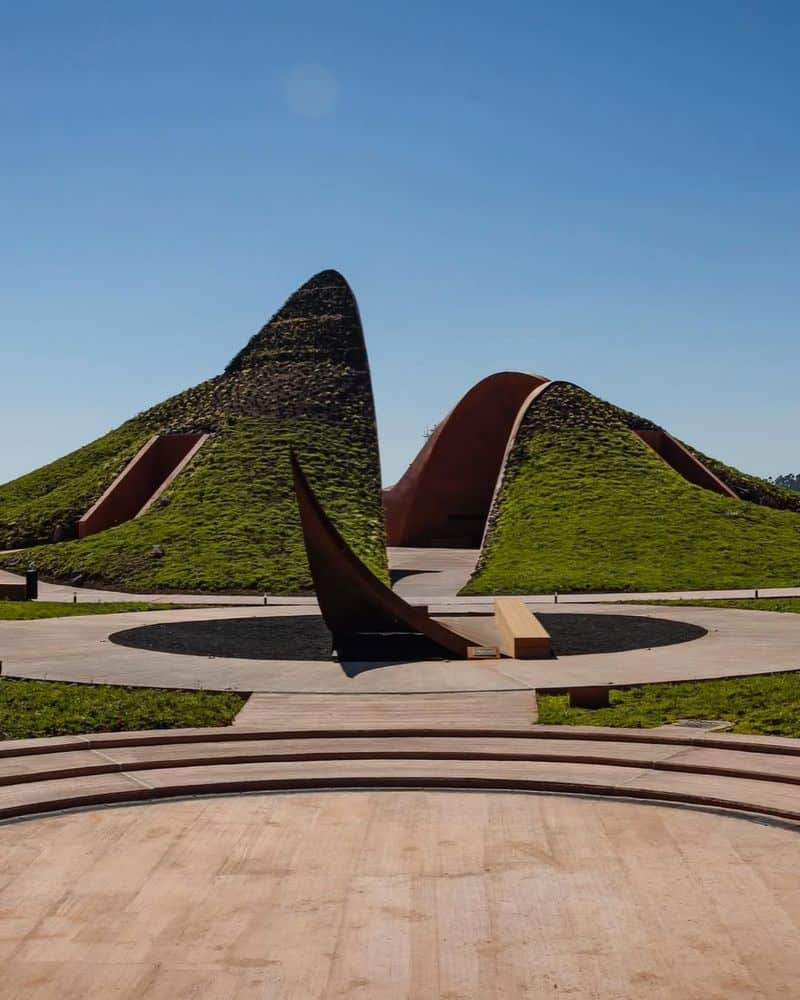
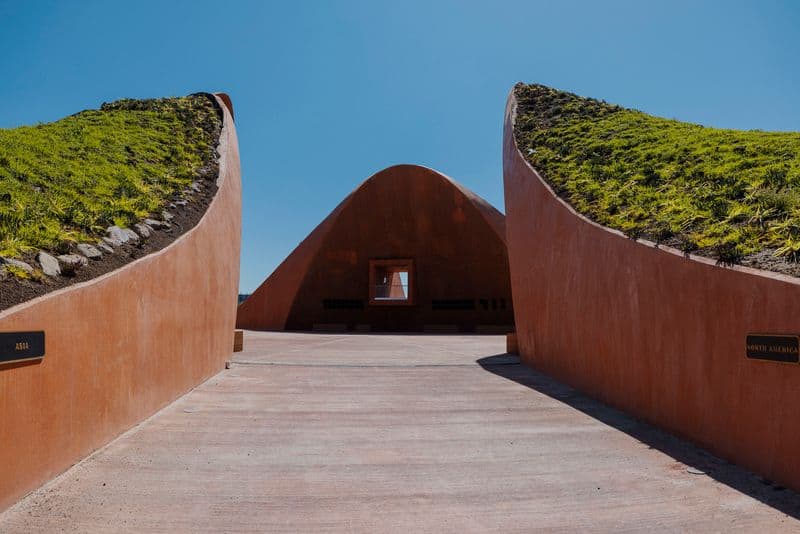
The main monument stands where the crash occurred, featuring four sculptural forms representing Africa, Europe, North America, and Asia.
These structures, inspired by Ethiopia’s architecture and landscape, rise with textures that echo resilience.
They serve as a poignant reminder of global unity in the face of tragedy.
6. Whispering Pathways
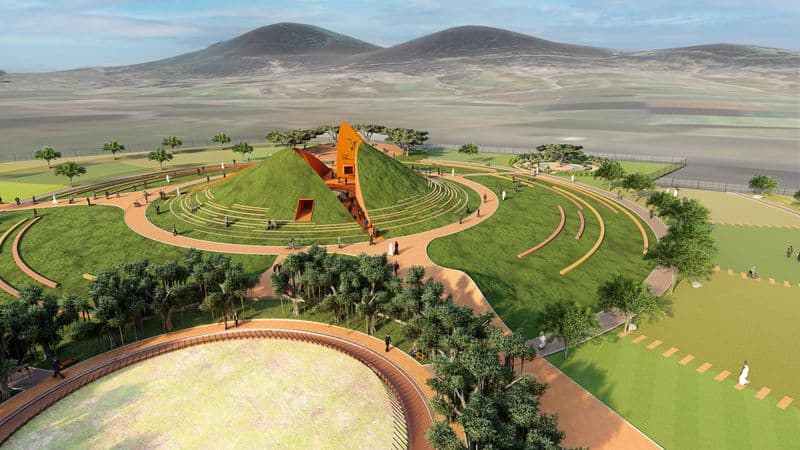
Visitors’ voices resonate through an auditory feature, symbolizing engagement with collective memory.
This design element allows personal reflections to echo, creating a shared experience that connects the past and present.
It adds an auditory dimension to the park, enriching the emotional depth of the memorial journey.
7. Healing and Resilience Symbol
The Healing Monument, crafted from corten steel, evokes grace and resilience with its weathered surface.
Circular perforations filter light like hopeful rays, while rivet details whisper of aircraft design.
Anchored on an L-shaped foundation, it embodies strength and renewal, connecting visually with the site’s overarching narrative.
8. Gathering Place for Reflection
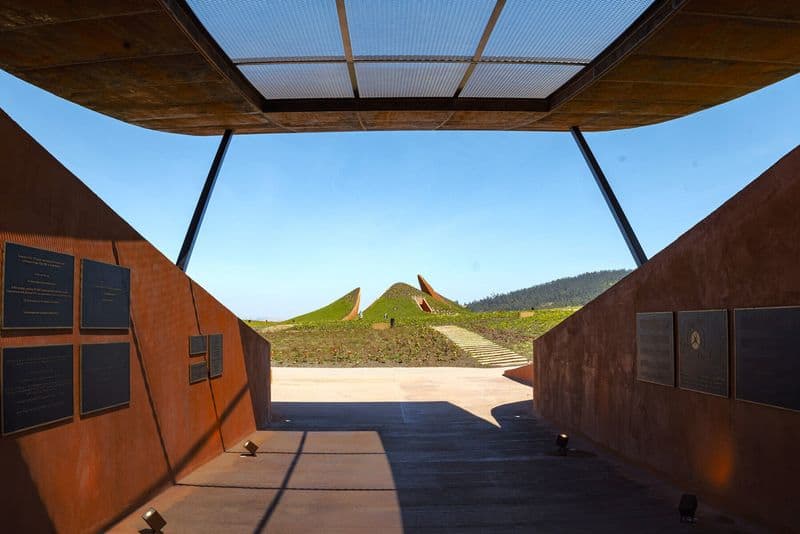
Between the Asian and African monuments lies an amphitheatre with six concentric seating platforms.
This space accommodates over 360 people, offering a venue for speeches, performances, and ceremonies.
It nurtures community connection and remembrance, serving as a focal point for collective memory.
9. Seamless Facility Integration
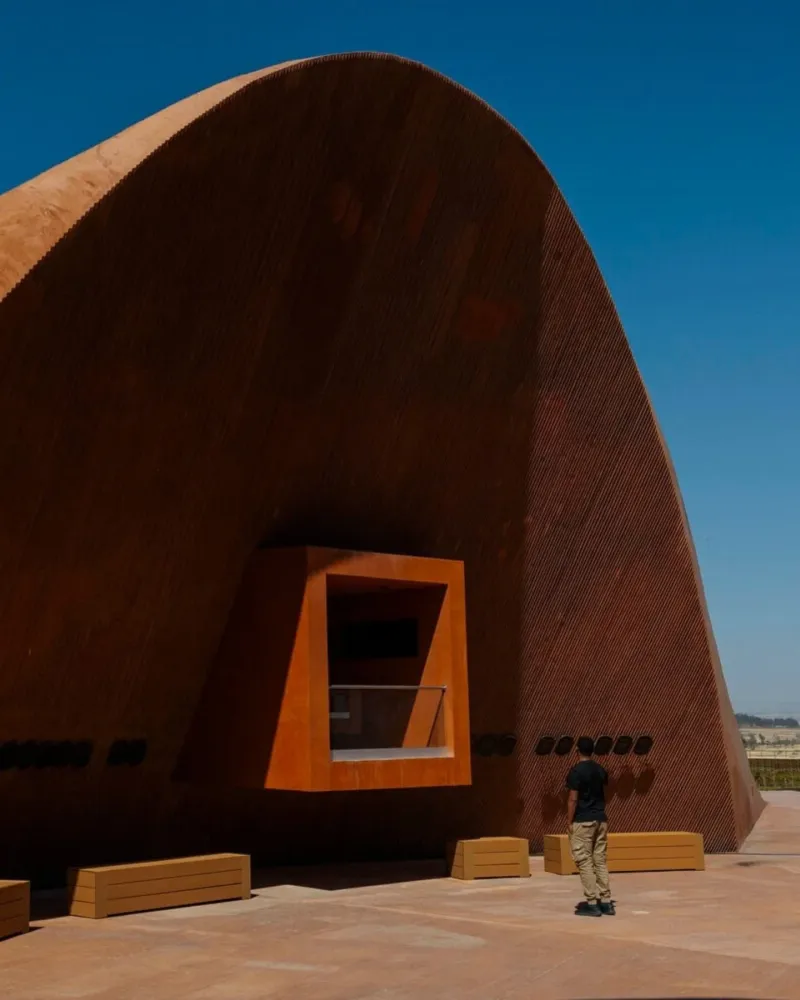
Near the main entrance, a facility building seamlessly integrates into the park’s design.
With solar panels, shaded parking, and thoughtfully arranged spaces, it supports the memorial’s functions.
The expanded metal mesh panels enhance privacy and aesthetic harmony, reinforcing the site’s natural beauty.
10. Landscape of Remembrance
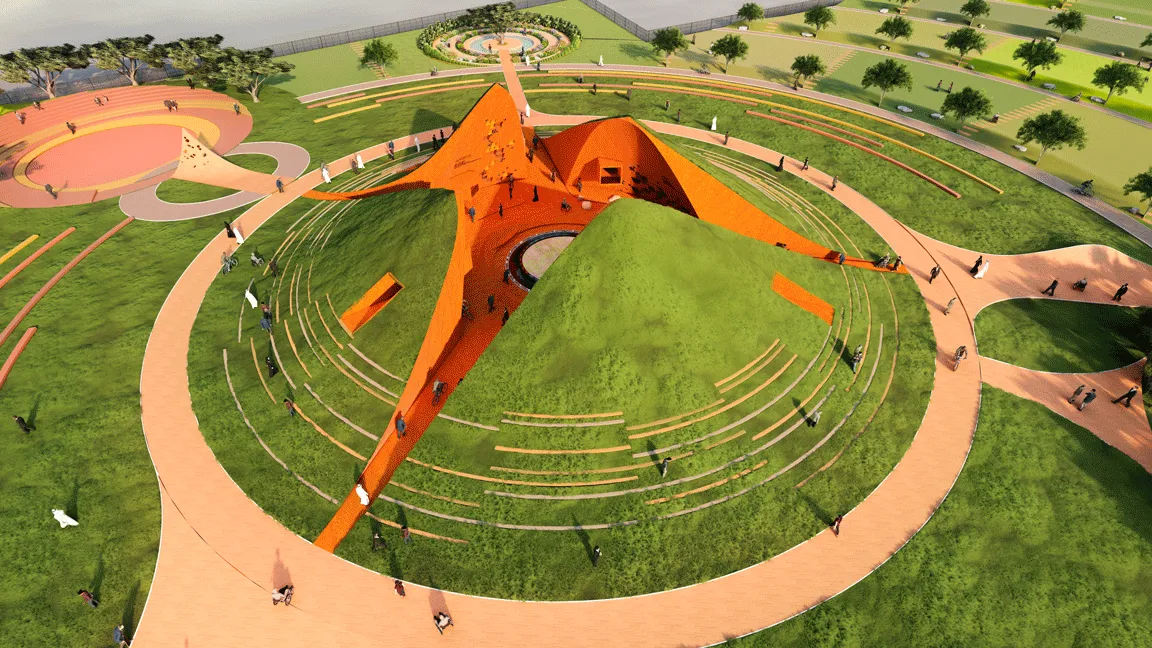
The memorial’s landscape design reflects the ripple of the crash, with green lawns, forested areas, and open spaces.
Indigenous trees and diverse plants enhance ecological value, while green roofs blend structures into the environment.
This design ensures a unified tribute to loss, resilience, and hope.